

Kidney beans, NFS
Common food

Photo: Wikipedia
Kidney beans, NFS (Not Further Specified) are a hearty, kidney-shaped legume with a dense, creamy texture and a mildly earthy, nutty flavor. They are a nutritional powerhouse, delivering a robust 8g of protein and nearly 7g of fiber per 100g, making them exceptionally filling and beneficial for digestive health.
Calorie split: 18% protein · 47% carbs · 35% fat
↓ Full nutrition💚 Why it's loved
People love kidney beans for their incredible versatility and ability to absorb flavors, acting as a satisfying, protein-packed canvas in everything from spicy chilis to creamy salads. They are a beloved staple in countless cuisines, symbolizing comfort and sustenance across cultures.
⚠️ Watch-outs & how to enjoy it better
Kidney beans contain lectins (phytohaemagglutinin), which can cause digestive distress if eaten raw or undercooked. To counteract this, always soak dried beans thoroughly and boil them vigorously for at least 10 minutes before any other cooking method; canned beans are pre-cooked and safe. Their high fiber content can also cause gas; rinsing canned beans and starting with small portions can help.
Key benefits
- Excellent source of plant-based protein
- High in dietary fiber for digestive health
- Rich in iron and folate
- Low glycemic index helps manage blood sugar
- Good source of antioxidants like anthocyanins
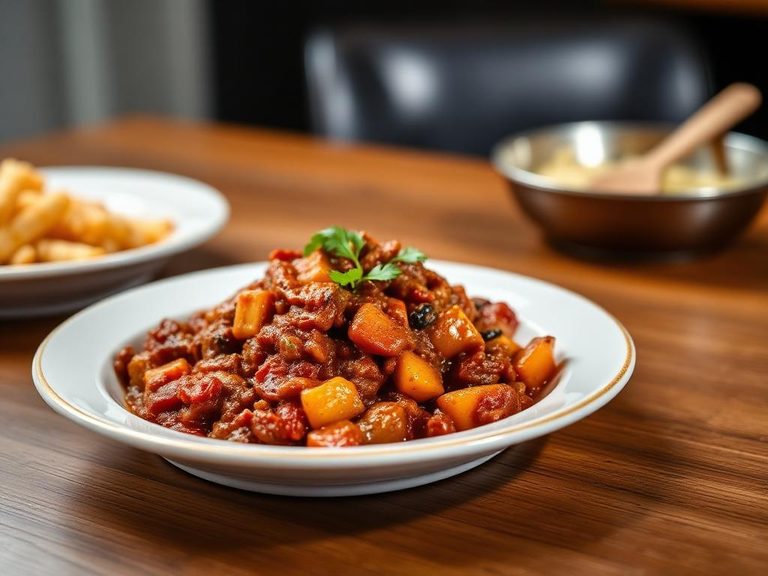
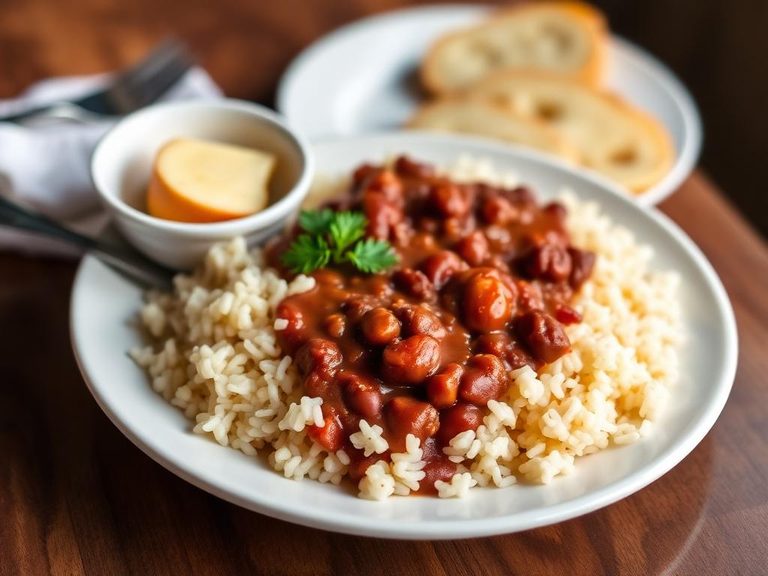
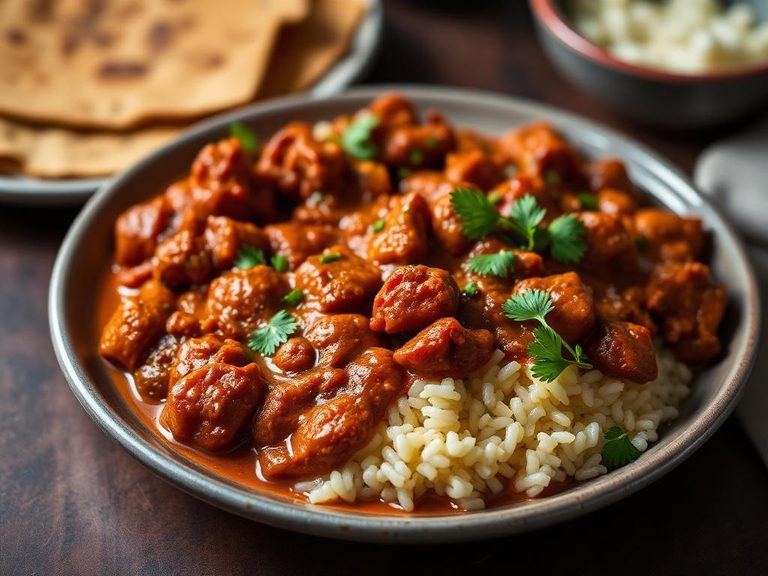
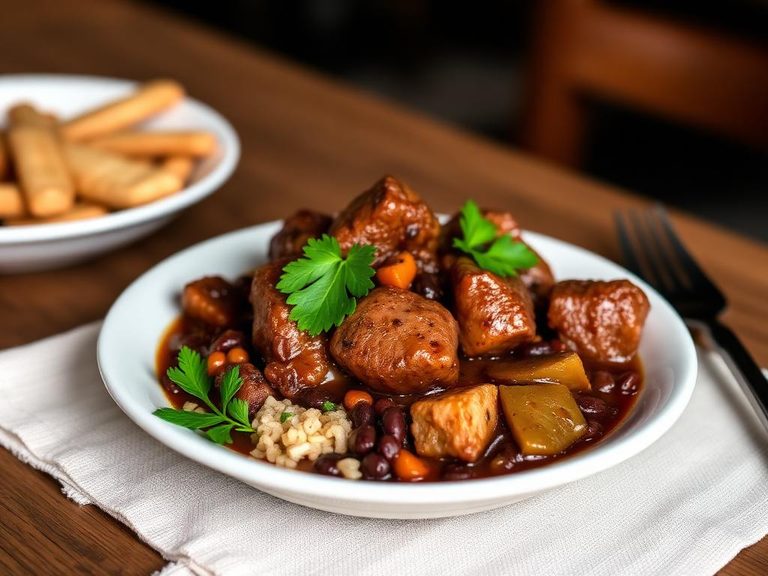
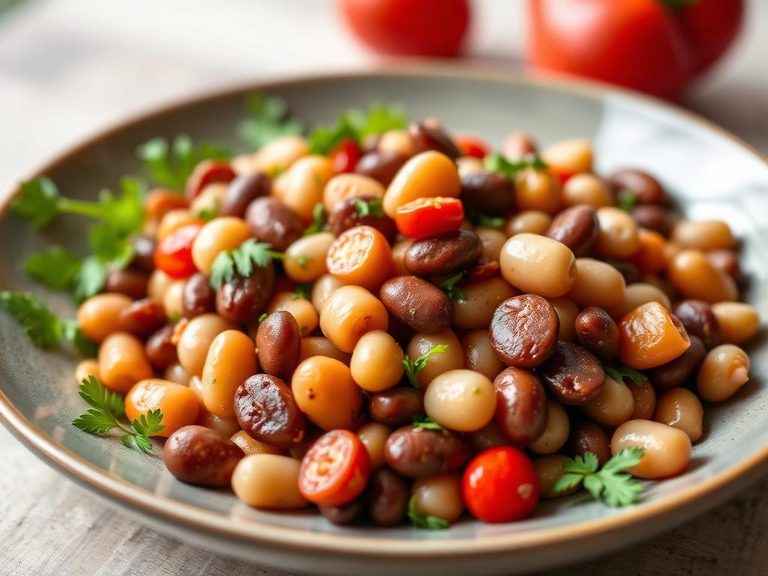
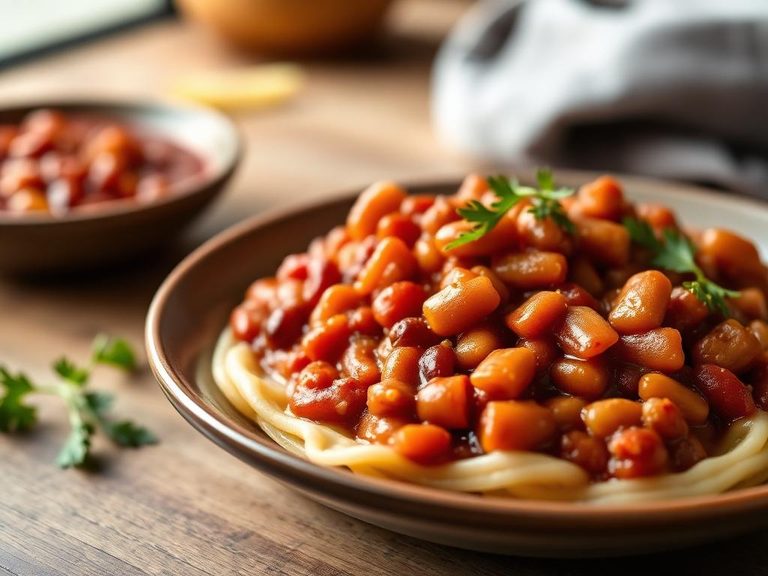
🍽️ Popular dishes
🌍 Where it's eaten
💡 Did you know?
The lectin in raw kidney beans is so potent that eating just four to five undercooked beans can trigger intense nausea and vomiting, a condition sometimes called 'kidney bean poisoning'.
Full nutrition (USDA data · scales with serving)
| Water | 62.2 g |
| Energy | 177 kcal |
| Protein | 8.1 g |
| Total lipid (fat) | 7.0 g |
| Carbohydrate, by difference | 21.2 g |
| Fiber, total dietary | 6.9 g |
| Total Sugars | 0.30 g |
| Calcium, Ca | 26.0 mg |
| Iron, Fe | 2.7 mg |
| Magnesium, Mg | 42.0 mg |
| Phosphorus, P | 132 mg |
| Potassium, K | 375 mg |
| Sodium, Na | 218 mg |
| Zinc, Zn | 1.0 mg |
| Copper, Cu | 0.23 mg |
| Selenium, Se | 1.1 ug |
| Vitamin C, total ascorbic acid | 1.1 mg |
| Thiamin | 0.14 mg |
| Riboflavin | 0.05 mg |
| Niacin | 0.51 mg |
| Vitamin B-6 | 0.11 mg |
| Folate, total | 115 ug |
| Folic acid | 0.00 ug |
| Folate, food | 115 ug |
| Folate, DFE | 115 ug |
| Choline, total | 28.4 mg |
| Vitamin B-12 | 0.00 ug |
| Vitamin B-12, added | 0.00 ug |
| Vitamin A, RAE | 0.00 ug |
| Retinol | 0.00 ug |
| Carotene, beta | 0.00 ug |
| Carotene, alpha | 0.00 ug |
| Cryptoxanthin, beta | 0.00 ug |
| Lycopene | 0.00 ug |
| Lutein + zeaxanthin | 0.00 ug |
| Vitamin E (alpha-tocopherol) | 1.3 mg |
| Vitamin E, added | 0.00 mg |
| Vitamin D (D2 + D3) | 0.00 ug |
| Vitamin K (phylloquinone) | 14.3 ug |
| Alcohol, ethyl | 0.00 g |
| Caffeine | 0.00 mg |
| Theobromine | 0.00 mg |
Fat & fatty acid profile (per 100g)
| Fatty acids, total saturated | 0.94 g |
| SFA 4:0 | 0.00 g |
| SFA 6:0 | 0.00 g |
| SFA 8:0 | 0.00 g |
| SFA 10:0 | 0.00 g |
| SFA 12:0 | 0.00 g |
| SFA 14:0 | 0.00 g |
| SFA 16:0 | 0.68 g |
| SFA 18:0 | 0.20 g |
| Fatty acids, total monounsaturated | 2.8 g |
| MUFA 16:1 | 0.02 g |
| MUFA 18:1 | 2.7 g |
| MUFA 20:1 | 0.04 g |
| MUFA 22:1 | 0.00 g |
| Fatty acids, total polyunsaturated | 2.8 g |
| PUFA 18:2 | 2.3 g |
| PUFA 18:3 | 0.44 g |
| PUFA 18:4 | 0.00 g |
| PUFA 20:4 | 0.00 g |
| PUFA 20:5 n-3 (EPA) | 0.00 g |
| PUFA 22:5 n-3 (DPA) | 0.00 g |
| PUFA 22:6 n-3 (DHA) | 0.00 g |
| Cholesterol | 0.00 mg |
Amino acid profile (per 100g)
Estimated from Beans, kidney, mature seeds, sprouted, cooked, boiled, drained, without salt — USDA does not publish this profile for Kidney beans.
| Tryptophan | 0.05 g |
| Threonine | 0.20 g |
| Isoleucine | 0.21 g |
| Leucine | 0.35 g |
| Lysine | 0.28 g |
| Methionine | 0.05 g |
| Cystine | 0.06 g |
| Phenylalanine | 0.24 g |
| Tyrosine | 0.17 g |
| Valine | 0.25 g |
| Arginine | 0.26 g |
| Histidine | 0.14 g |
| Alanine | 0.20 g |
| Aspartic acid | 0.63 g |
| Glutamic acid | 0.59 g |
| Glycine | 0.17 g |
| Proline | 0.20 g |
| Serine | 0.26 g |
FAQ
What does 'NFS' mean on a nutrition label?
NFS stands for 'Not Further Specified.' It indicates the nutritional data is for the basic food item (kidney beans) without added ingredients like sauce, salt, or seasonings that would be present in a prepared dish.
Are canned kidney beans as nutritious as dried?
Yes, canned kidney beans retain most of their protein, fiber, and mineral content. The main difference is often higher sodium in the canning liquid, which can be significantly reduced by rinsing and draining the beans before use.
Why do kidney beans help with blood sugar control?
Their combination of high soluble fiber and resistant starch slows down digestion and the absorption of carbohydrates, leading to a more gradual rise in blood sugar rather than a sharp spike.
Nutrient density (calculated · NRF9.3)
Nutrient Rich Foods index: beneficial nutrients (protein, fiber, vitamins, minerals) minus saturated fat, added sugar & sodium, per 100 kcal.
NRF9.3 index — Fulgoni, Keast & Drewnowski, 2009. Computed from USDA nutrients.
Weight-loss friendliness (composite index)
Energy density 1.77 kcal/g · 18% calories from protein · 6.9 g fiber · 0.3 g sugar per 100 g.
Composite of energy density (Rolls et al., 1999), protein & fiber satiety, minus sugar. A calculated heuristic — ranks satiety-per-calorie, not a clinical measure.
Dietary load (calculated from USDA values)
Potential renal acid load. Positive = acid-forming, negative = alkaline-forming.
Sodium-to-potassium ratio: 0.58 (lower is better — aim for ≤ 1)
Sodium:potassium per WHO potassium guidance. Computed from USDA nutrients.