

Green peas, frozen, cooked with oil
Common food
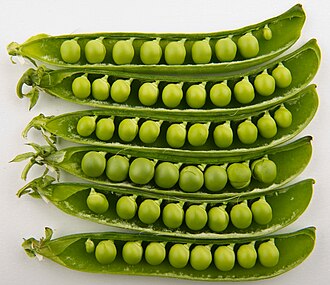
Photo: Wikipedia
These are tender, bright green peas that have been flash-frozen at peak freshness and then cooked in a bit of oil, giving them a slightly richer mouthfeel than plain steamed peas. They offer a sweet, fresh flavor with a soft, slightly starchy texture that pops gently. Nutritionally, they are a solid source of plant-based protein and fiber, with a moderate calorie count.
Calorie split: 19% protein · 53% carbs · 28% fat
↓ Full nutrition💚 Why it's loved
People love them for their natural sweetness and convenience—they cook in minutes from frozen and add a vibrant pop of color and nutrition to any meal. They are a versatile staple in cuisines worldwide, from Indian curries to British side dishes.
⚠️ Watch-outs & how to enjoy it better
Some may experience digestive gas or bloating due to their oligosaccharide content. To minimize this, start with smaller portions and ensure they are thoroughly cooked. Those monitoring blood sugar should pair them with a protein or healthy fat (like the oil they're cooked in) to slow glucose absorption.
Key benefits
- Good source of plant-based protein (5g per 100g)
- High in dietary fiber (4.4g per 100g) for digestive health
- Contains vitamins A, C, and K, plus B vitamins
- Rich in minerals like iron, manganese, and phosphorus
- Frozen at peak ripeness to preserve nutrients
🍽️ Popular dishes

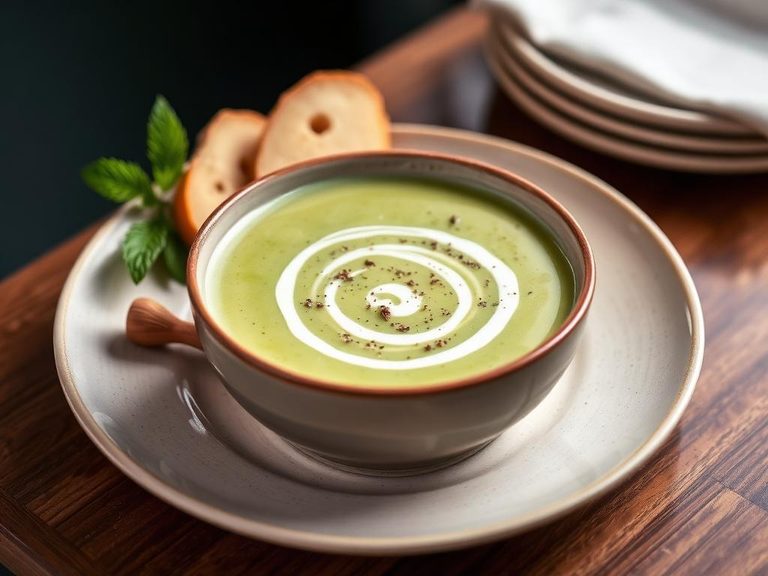
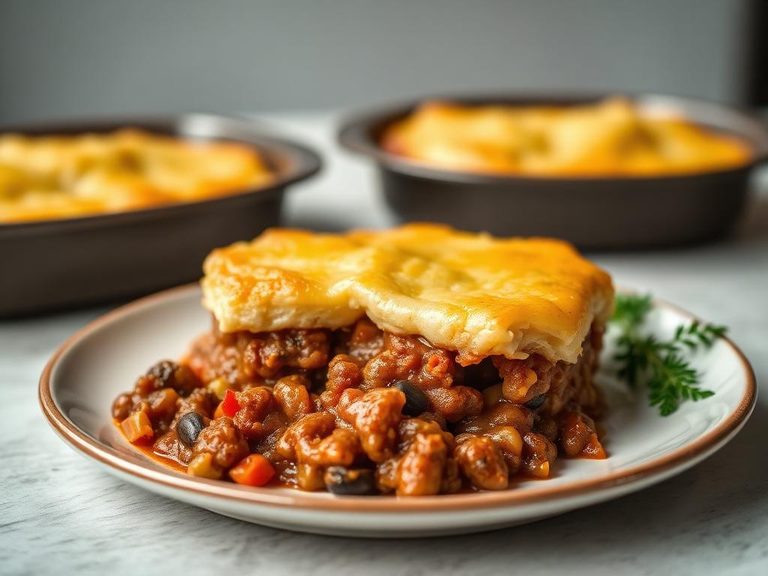

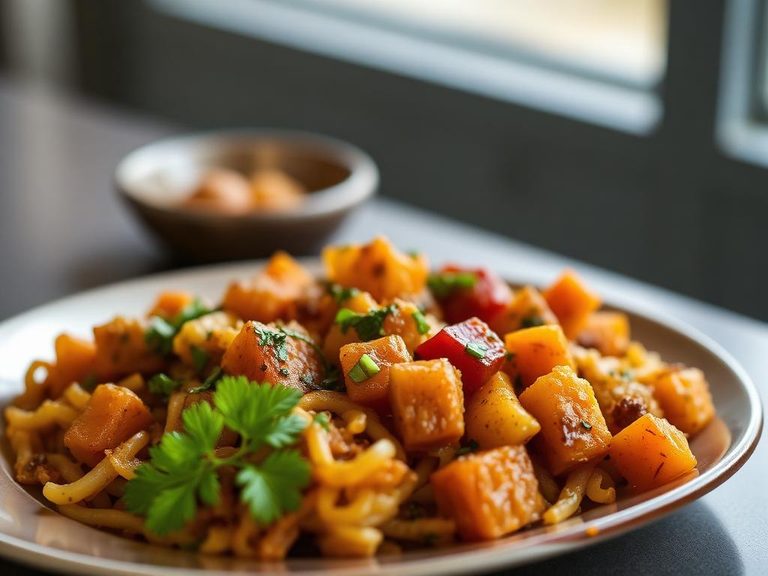
🌍 Where it's eaten
💡 Did you know?
The practice of flash-freezing vegetables was pioneered in the 1920s by Clarence Birdseye, who observed that Inuit fishermen preserved fish in sub-zero temperatures, leading to the modern frozen food industry.
Full nutrition (USDA data · scales with serving)
| Water | 77.0 g |
| Energy | 102 kcal |
| Protein | 5.0 g |
| Total lipid (fat) | 3.2 g |
| Carbohydrate, by difference | 13.8 g |
| Fiber, total dietary | 4.4 g |
| Total Sugars | 4.3 g |
| Calcium, Ca | 23.0 mg |
| Iron, Fe | 1.5 mg |
| Magnesium, Mg | 21.0 mg |
| Phosphorus, P | 75.0 mg |
| Potassium, K | 106 mg |
| Sodium, Na | 182 mg |
| Zinc, Zn | 0.65 mg |
| Copper, Cu | 0.10 mg |
| Selenium, Se | 1.0 ug |
| Vitamin C, total ascorbic acid | 9.6 mg |
| Thiamin | 0.27 mg |
| Riboflavin | 0.10 mg |
| Niacin | 1.4 mg |
| Vitamin B-6 | 0.11 mg |
| Folate, total | 57.0 ug |
| Folic acid | 0.00 ug |
| Folate, food | 57.0 ug |
| Folate, DFE | 57.0 ug |
| Choline, total | 26.6 mg |
| Vitamin B-12 | 0.00 ug |
| Vitamin B-12, added | 0.00 ug |
| Vitamin A, RAE | 102 ug |
| Retinol | 0.00 ug |
| Carotene, beta | 1210 ug |
| Carotene, alpha | 19.0 ug |
| Cryptoxanthin, beta | 0.00 ug |
| Lycopene | 0.00 ug |
| Lutein + zeaxanthin | 2323 ug |
| Vitamin E (alpha-tocopherol) | 0.58 mg |
| Vitamin E, added | 0.00 mg |
| Vitamin D (D2 + D3) | 0.00 ug |
| Vitamin K (phylloquinone) | 26.2 ug |
| Alcohol, ethyl | 0.00 g |
| Caffeine | 0.00 mg |
| Theobromine | 0.00 mg |
Fat & fatty acid profile (per 100g)
| Fatty acids, total saturated | 0.44 g |
| SFA 4:0 | 0.00 g |
| SFA 6:0 | 0.00 g |
| SFA 8:0 | 0.00 g |
| SFA 10:0 | 0.00 g |
| SFA 12:0 | 0.00 g |
| SFA 14:0 | 0.00 g |
| SFA 16:0 | 0.32 g |
| SFA 18:0 | 0.09 g |
| Fatty acids, total monounsaturated | 1.3 g |
| MUFA 16:1 | 0.01 g |
| MUFA 18:1 | 1.2 g |
| MUFA 20:1 | 0.02 g |
| MUFA 22:1 | 0.00 g |
| Fatty acids, total polyunsaturated | 1.2 g |
| PUFA 18:2 | 1.1 g |
| PUFA 18:3 | 0.15 g |
| PUFA 18:4 | 0.00 g |
| PUFA 20:4 | 0.00 g |
| PUFA 20:5 n-3 (EPA) | 0.00 g |
| PUFA 22:5 n-3 (DPA) | 0.00 g |
| PUFA 22:6 n-3 (DHA) | 0.00 g |
| Cholesterol | 0.00 mg |
Amino acid profile (per 100g)
Estimated from Peas, green (includes baby and lesuer types), canned, drained solids, unprepared — USDA does not publish this profile for Green peas.
| Tryptophan | 0.03 g |
| Threonine | 0.17 g |
| Isoleucine | 0.16 g |
| Leucine | 0.27 g |
| Lysine | 0.26 g |
| Methionine | 0.07 g |
| Cystine | 0.03 g |
| Phenylalanine | 0.17 g |
| Tyrosine | 0.09 g |
| Valine | 0.19 g |
| Arginine | 0.35 g |
| Histidine | 0.09 g |
| Alanine | 0.20 g |
| Aspartic acid | 0.41 g |
| Glutamic acid | 0.61 g |
| Glycine | 0.15 g |
| Proline | 0.14 g |
| Serine | 0.15 g |
FAQ
Are frozen peas as nutritious as fresh?
Often, yes. Peas are typically flash-frozen within hours of harvest, which can lock in more nutrients (like vitamin C) than 'fresh' peas that have spent days in transport and on shelves.
Why are they cooked with oil?
A small amount of oil (like olive or vegetable oil) enhances flavor, improves mouthfeel, and helps the body absorb fat-soluble vitamins (A, K) present in the peas.
How should I store leftovers?
Refrigerate cooked peas in an airtight container for up to 3-4 days. They can be frozen again for 1-2 months, though texture may soften slightly upon reheating.
Nutrient density (calculated · NRF9.3)
Nutrient Rich Foods index: beneficial nutrients (protein, fiber, vitamins, minerals) minus saturated fat, added sugar & sodium, per 100 kcal.
NRF9.3 index — Fulgoni, Keast & Drewnowski, 2009. Computed from USDA nutrients.
Weight-loss friendliness (composite index)
Energy density 1.02 kcal/g · 20% calories from protein · 4.4 g fiber · 4.3 g sugar per 100 g.
Composite of energy density (Rolls et al., 1999), protein & fiber satiety, minus sugar. A calculated heuristic — ranks satiety-per-calorie, not a clinical measure.
Dietary load (calculated from USDA values)
Potential renal acid load. Positive = acid-forming, negative = alkaline-forming.
Sodium-to-potassium ratio: 1.72 (lower is better — aim for ≤ 1)
Sodium:potassium per WHO potassium guidance. Computed from USDA nutrients.