

Green beans, fresh, cooked, fat added, NS as to fat type
Common food

Photo: Wikipedia
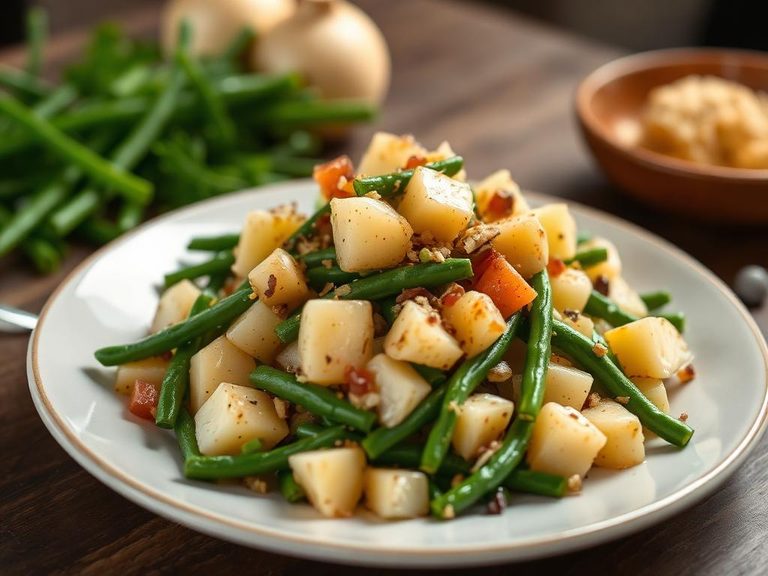
Fresh green beans, cooked with a touch of fat, are tender-crisp, vibrant pods with a clean, vegetal sweetness and a satisfying snap. Nutritionally, they offer a light calorie load with a good boost of fiber and a modest amount of plant-based protein. The added fat enhances their natural flavor and helps the body absorb their fat-soluble vitamins.
Calorie split: 12% protein · 47% carbs · 41% fat
↓ Full nutrition💚 Why it's loved
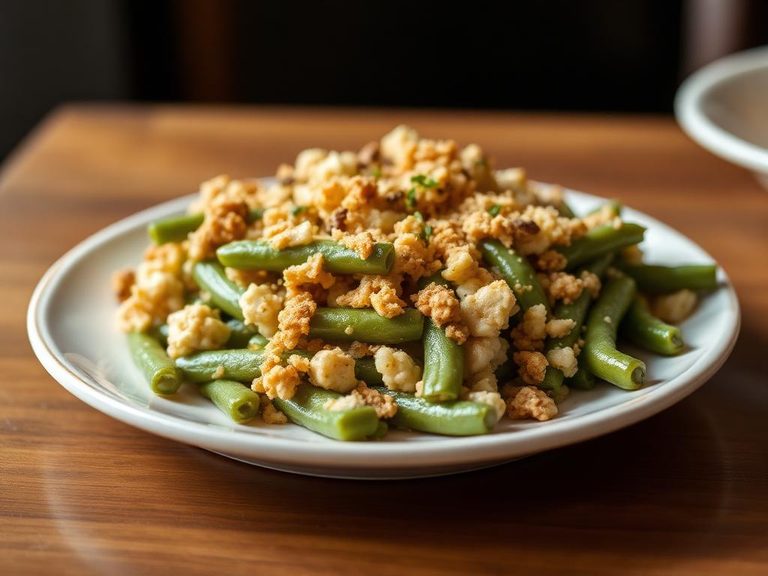
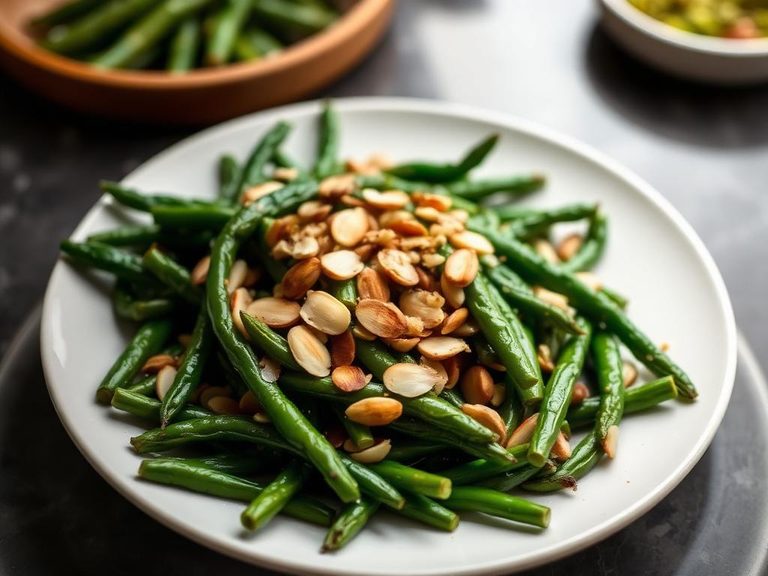
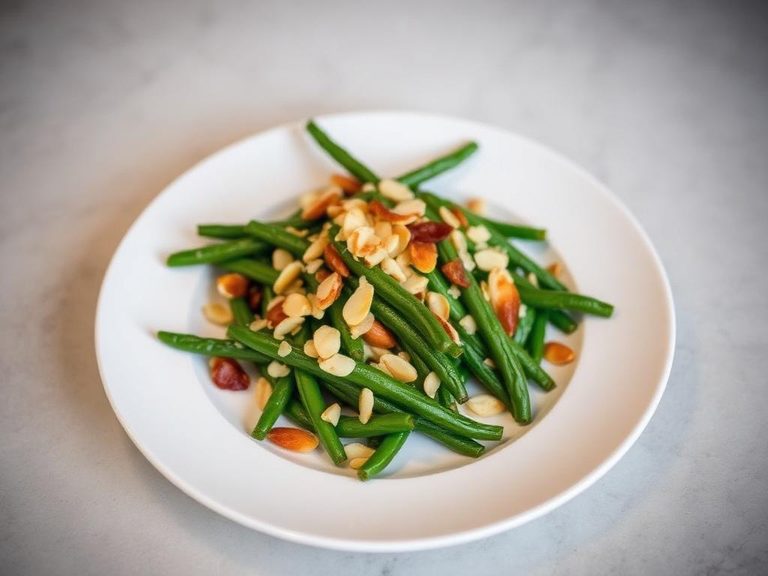
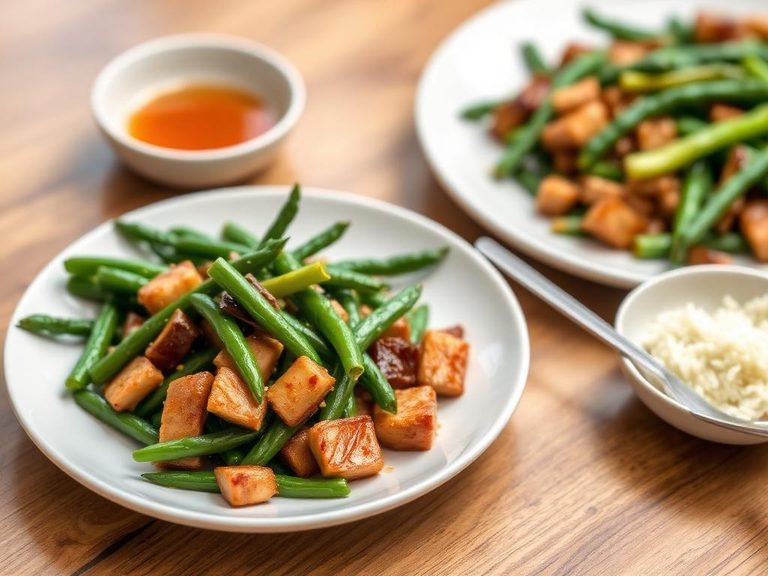
People adore green beans for their versatile, fresh flavor that pairs beautifully with garlic, almonds, or bacon. They are a beloved staple in holiday casseroles and quick weeknight sautés alike, symbolizing comfort and simplicity across many cultures.
⚠️ Watch-outs & how to enjoy it better
Some may find plain green beans bland or overly fibrous, and individuals on low-sodium diets should be cautious with seasoned preparations. To counteract this, pair them with flavorful fats like olive oil or nuts, or season with herbs, lemon, and spices instead of salt. For those with digestive sensitivity, cooking them until fully tender can reduce discomfort.
Key benefits
- Excellent source of dietary fiber for digestive health
- Low in calories, supporting weight management
- Contains vitamins K and C for immune and bone health
- Provides plant-based protein and essential minerals
- Antioxidants like flavonoids help combat oxidative stress
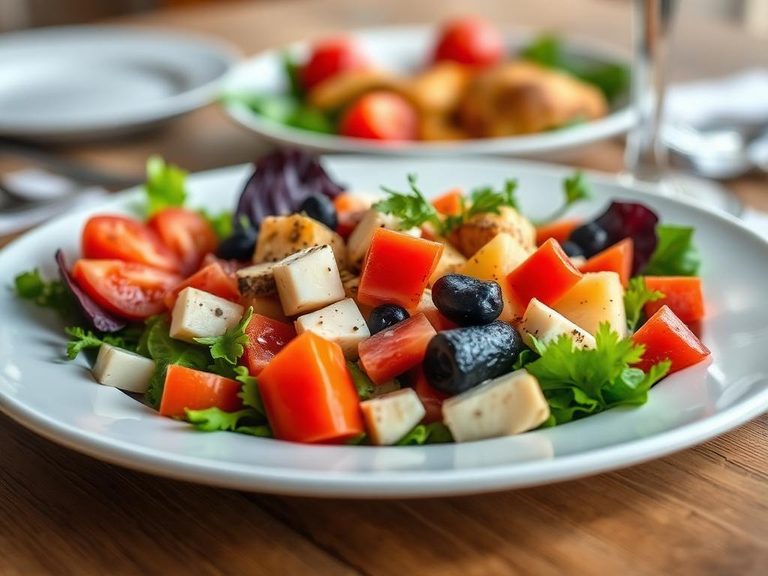
🍽️ Popular dishes
🌍 Where it's eaten
💡 Did you know?
The world record for the longest green bean is over 43 cm (17 inches), grown in the UK in 2023.
Full nutrition (USDA data · scales with serving)
| Water | 86.6 g |
| Energy | 64.0 kcal |
| Protein | 2.0 g |
| Total lipid (fat) | 2.9 g |
| Carbohydrate, by difference | 7.5 g |
| Fiber, total dietary | 3.0 g |
| Total Sugars | 2.4 g |
| Calcium, Ca | 41.0 mg |
| Iron, Fe | 0.66 mg |
| Magnesium, Mg | 28.0 mg |
| Phosphorus, P | 42.0 mg |
| Potassium, K | 293 mg |
| Sodium, Na | 126 mg |
| Zinc, Zn | 0.35 mg |
| Copper, Cu | 0.10 mg |
| Selenium, Se | 0.60 ug |
| Vitamin C, total ascorbic acid | 10.5 mg |
| Thiamin | 0.06 mg |
| Riboflavin | 0.10 mg |
| Niacin | 0.70 mg |
| Vitamin B-6 | 0.13 mg |
| Folate, total | 28.0 ug |
| Folic acid | 0.00 ug |
| Folate, food | 28.0 ug |
| Folate, DFE | 28.0 ug |
| Choline, total | 15.7 mg |
| Vitamin B-12 | 0.00 ug |
| Vitamin B-12, added | 0.00 ug |
| Vitamin A, RAE | 45.0 ug |
| Retinol | 11.0 ug |
| Carotene, beta | 368 ug |
| Carotene, alpha | 66.0 ug |
| Cryptoxanthin, beta | 0.00 ug |
| Lycopene | 0.00 ug |
| Lutein + zeaxanthin | 613 ug |
| Vitamin E (alpha-tocopherol) | 0.81 mg |
| Vitamin E, added | 0.00 mg |
| Vitamin D (D2 + D3) | 0.00 ug |
| Vitamin K (phylloquinone) | 46.5 ug |
| Alcohol, ethyl | 0.00 g |
| Caffeine | 0.00 mg |
| Theobromine | 0.00 mg |
Fat & fatty acid profile (per 100g)
| Fatty acids, total saturated | 0.74 g |
| SFA 4:0 | 0.02 g |
| SFA 6:0 | 0.01 g |
| SFA 8:0 | 0.01 g |
| SFA 10:0 | 0.02 g |
| SFA 12:0 | 0.02 g |
| SFA 14:0 | 0.07 g |
| SFA 16:0 | 0.42 g |
| SFA 18:0 | 0.15 g |
| Fatty acids, total monounsaturated | 0.95 g |
| MUFA 16:1 | 0.01 g |
| MUFA 18:1 | 0.91 g |
| MUFA 20:1 | 0.01 g |
| MUFA 22:1 | 0.00 g |
| Fatty acids, total polyunsaturated | 0.88 g |
| PUFA 18:2 | 0.72 g |
| PUFA 18:3 | 0.15 g |
| PUFA 18:4 | 0.00 g |
| PUFA 20:4 | 0.00 g |
| PUFA 20:5 n-3 (EPA) | 0.00 g |
| PUFA 22:5 n-3 (DPA) | 0.00 g |
| PUFA 22:6 n-3 (DHA) | 0.00 g |
| Cholesterol | 2.0 mg |
Amino acid profile (per 100g)
Estimated from Beans, snap, green, canned, no salt added, solids and liquids — USDA does not publish this profile for Green beans.
| Tryptophan | 0.01 g |
| Threonine | 0.04 g |
| Isoleucine | 0.03 g |
| Leucine | 0.05 g |
| Lysine | 0.04 g |
| Methionine | 0.01 g |
| Cystine | 0.01 g |
| Phenylalanine | 0.03 g |
| Tyrosine | 0.02 g |
| Valine | 0.04 g |
| Arginine | 0.03 g |
| Histidine | 0.01 g |
| Alanine | 0.04 g |
| Aspartic acid | 0.11 g |
| Glutamic acid | 0.08 g |
| Glycine | 0.03 g |
| Proline | 0.03 g |
| Serine | 0.04 g |
FAQ
Are canned green beans as nutritious as fresh?
Canned green beans retain most of their fiber and minerals but can be higher in sodium. Fresh or frozen beans generally have a better texture and higher vitamin C content.
How do I keep green beans crisp when cooking?
Blanch them briefly in boiling salted water, then plunge into an ice bath to stop cooking. This preserves their bright color and snap for salads or quick sautés.
What does 'NS as to fat type' mean?
It's a nutritional database term meaning 'not specified as to fat type.' It indicates that some fat was added during cooking, but the specific kind (butter, oil, etc.) isn't recorded.
Nutrient density (calculated · NRF9.3)
Nutrient Rich Foods index: beneficial nutrients (protein, fiber, vitamins, minerals) minus saturated fat, added sugar & sodium, per 100 kcal.
NRF9.3 index — Fulgoni, Keast & Drewnowski, 2009. Computed from USDA nutrients.
Weight-loss friendliness (composite index)
Energy density 0.64 kcal/g · 13% calories from protein · 3.0 g fiber · 2.4 g sugar per 100 g.
Composite of energy density (Rolls et al., 1999), protein & fiber satiety, minus sugar. A calculated heuristic — ranks satiety-per-calorie, not a clinical measure.
Dietary load (calculated from USDA values)
Potential renal acid load. Positive = acid-forming, negative = alkaline-forming.
Sodium-to-potassium ratio: 0.43 (lower is better — aim for ≤ 1)
Sodium:potassium per WHO potassium guidance. Computed from USDA nutrients.