

Green beans, canned, cooked, fat added, NS as to fat type
Common food

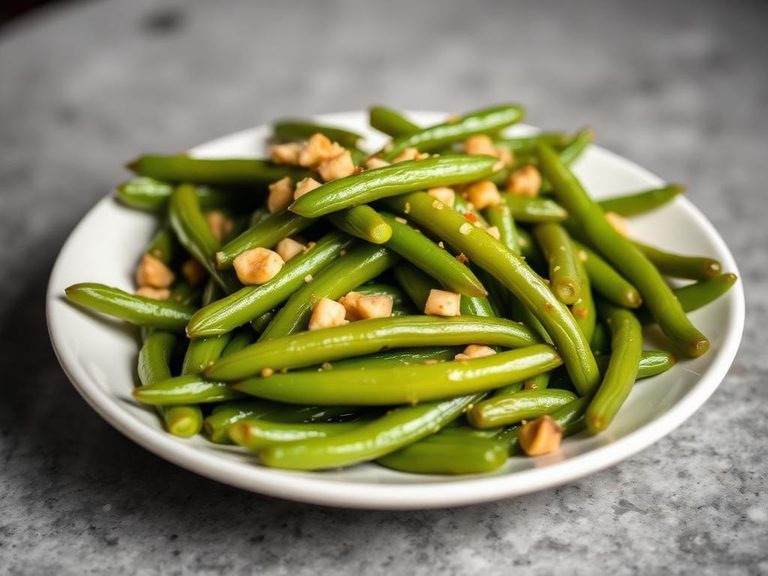
Photo: Wikipedia
Canned green beans, cooked with a bit of added fat, offer a tender, slightly salty flavor with a soft, yielding texture that differs from crisp fresh beans. They are a convenient pantry staple, providing a modest 46 calories per 100g, with a notable 1.8g of fiber to support digestion. The added fat, while increasing calories, can enhance the absorption of fat-soluble vitamins like K and A found in the beans.
Calorie split: 9% protein · 34% carbs · 57% fat
↓ Full nutrition💚 Why it's loved
People love these for their nostalgic comfort and ease—ready to heat and serve as a quick side dish. Their mild, savory flavor pairs well with a wide range of cuisines, from American Southern to European, making them a versatile kitchen workhorse.
⚠️ Watch-outs & how to enjoy it better
The soft, sometimes mushy texture can be unappealing to those who prefer a crisp bite, and the canning process can lead to higher sodium content. To counteract this, rinse the beans under cold water to reduce sodium by up to 40%, and pair them with a protein like grilled chicken or a healthy fat like olive oil to balance the meal and enhance nutrient absorption.
Key benefits
- Provides dietary fiber for digestive health
- Source of vitamin K for bone and blood health
- Convenient and long shelf-life pantry item
- Contains antioxidants like lutein and beta-carotene
- Low calorie density, useful for volume eating
🍽️ Popular dishes
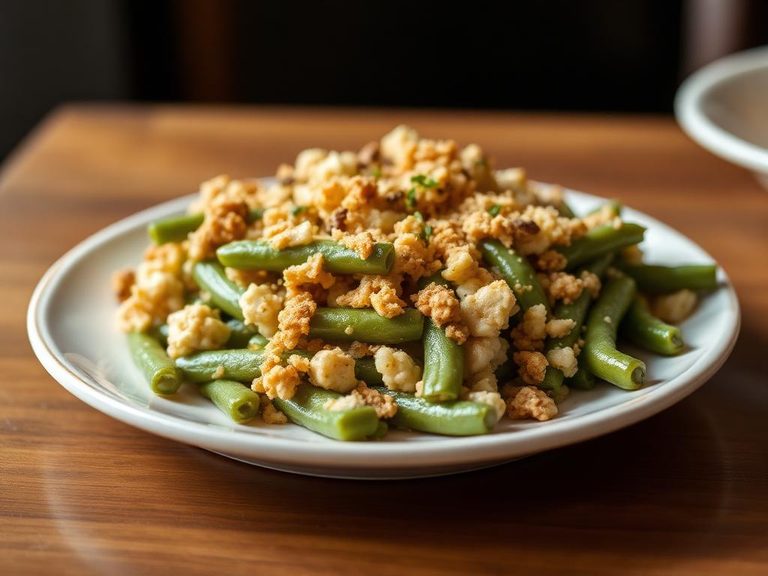
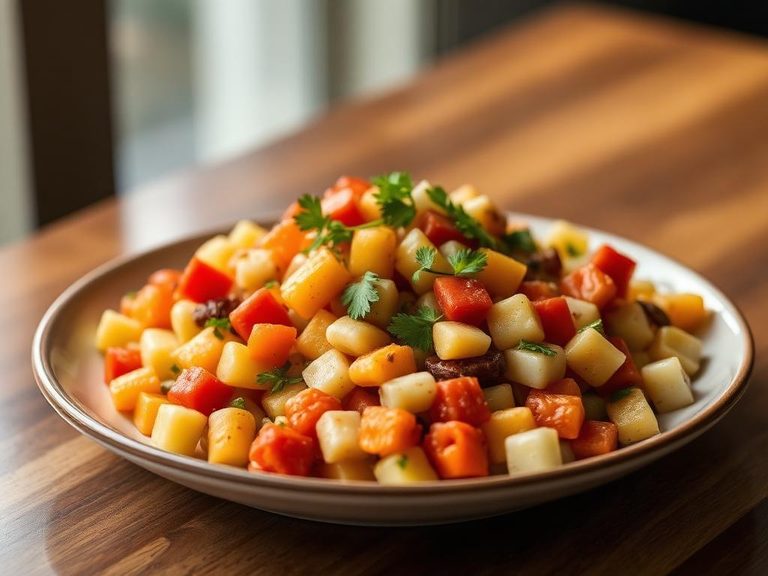
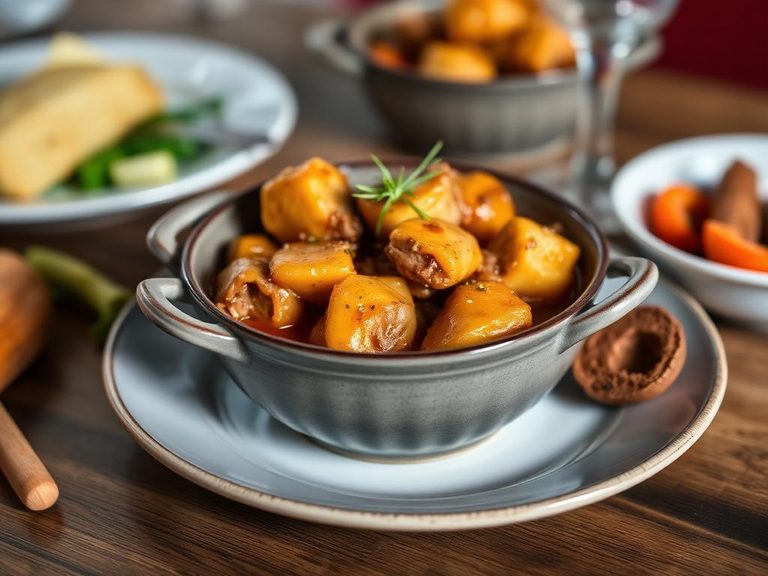
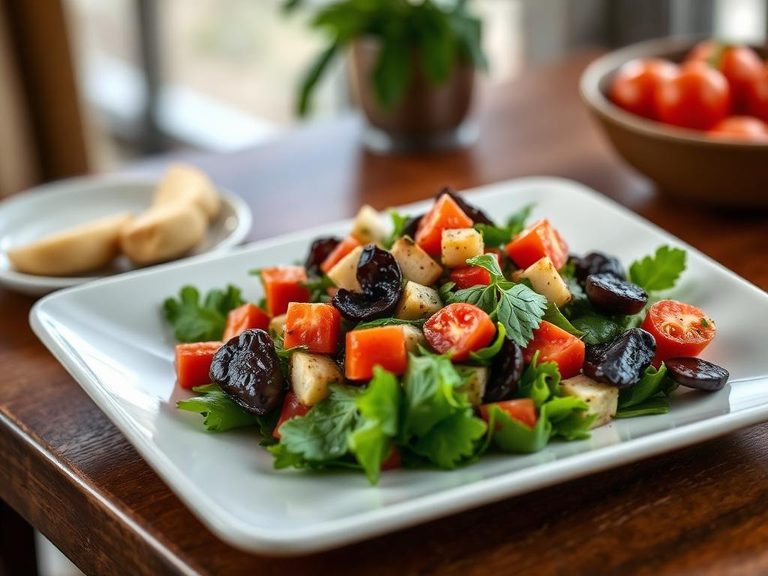
🌍 Where it's eaten
💡 Did you know?
Green beans are botanically classified as a fruit (a legume pod), but are universally treated as a vegetable in culinary contexts.
Full nutrition (USDA data · scales with serving)
| Water | 91.2 g |
| Energy | 46.0 kcal |
| Protein | 1.0 g |
| Total lipid (fat) | 2.9 g |
| Carbohydrate, by difference | 4.0 g |
| Fiber, total dietary | 1.8 g |
| Total Sugars | 1.3 g |
| Calcium, Ca | 35.0 mg |
| Iron, Fe | 0.76 mg |
| Magnesium, Mg | 13.0 mg |
| Phosphorus, P | 23.0 mg |
| Potassium, K | 95.0 mg |
| Sodium, Na | 282 mg |
| Zinc, Zn | 0.18 mg |
| Copper, Cu | 0.04 mg |
| Selenium, Se | 0.40 ug |
| Vitamin C, total ascorbic acid | 2.4 mg |
| Thiamin | 0.01 mg |
| Riboflavin | 0.04 mg |
| Niacin | 0.20 mg |
| Vitamin B-6 | 0.05 mg |
| Folate, total | 22.0 ug |
| Folic acid | 0.00 ug |
| Folate, food | 22.0 ug |
| Folate, DFE | 22.0 ug |
| Choline, total | 14.5 mg |
| Vitamin B-12 | 0.00 ug |
| Vitamin B-12, added | 0.00 ug |
| Vitamin A, RAE | 29.0 ug |
| Retinol | 11.0 ug |
| Carotene, beta | 123 ug |
| Carotene, alpha | 151 ug |
| Cryptoxanthin, beta | 23.0 ug |
| Lycopene | 0.00 ug |
| Lutein + zeaxanthin | 373 ug |
| Vitamin E (alpha-tocopherol) | 0.41 mg |
| Vitamin E, added | 0.00 mg |
| Vitamin D (D2 + D3) | 0.00 ug |
| Vitamin K (phylloquinone) | 39.9 ug |
| Alcohol, ethyl | 0.00 g |
| Caffeine | 0.00 mg |
| Theobromine | 0.00 mg |
Fat & fatty acid profile (per 100g)
| Fatty acids, total saturated | 0.76 g |
| SFA 4:0 | 0.02 g |
| SFA 6:0 | 0.01 g |
| SFA 8:0 | 0.01 g |
| SFA 10:0 | 0.02 g |
| SFA 12:0 | 0.02 g |
| SFA 14:0 | 0.06 g |
| SFA 16:0 | 0.44 g |
| SFA 18:0 | 0.15 g |
| Fatty acids, total monounsaturated | 0.92 g |
| MUFA 16:1 | 0.01 g |
| MUFA 18:1 | 0.89 g |
| MUFA 20:1 | 0.01 g |
| MUFA 22:1 | 0.00 g |
| Fatty acids, total polyunsaturated | 0.94 g |
| PUFA 18:2 | 0.73 g |
| PUFA 18:3 | 0.21 g |
| PUFA 18:4 | 0.00 g |
| PUFA 20:4 | 0.00 g |
| PUFA 20:5 n-3 (EPA) | 0.00 g |
| PUFA 22:5 n-3 (DPA) | 0.00 g |
| PUFA 22:6 n-3 (DHA) | 0.00 g |
| Cholesterol | 2.0 mg |
Amino acid profile (per 100g)
Estimated from Beans, snap, green, canned, no salt added, solids and liquids — USDA does not publish this profile for Green beans.
| Tryptophan | 0.01 g |
| Threonine | 0.04 g |
| Isoleucine | 0.03 g |
| Leucine | 0.05 g |
| Lysine | 0.04 g |
| Methionine | 0.01 g |
| Cystine | 0.01 g |
| Phenylalanine | 0.03 g |
| Tyrosine | 0.02 g |
| Valine | 0.04 g |
| Arginine | 0.03 g |
| Histidine | 0.01 g |
| Alanine | 0.04 g |
| Aspartic acid | 0.11 g |
| Glutamic acid | 0.08 g |
| Glycine | 0.03 g |
| Proline | 0.03 g |
| Serine | 0.04 g |
FAQ
Are canned green beans as nutritious as fresh?
Canned green beans retain most of their fiber, vitamin K, and minerals, but may lose some heat-sensitive vitamin C. The added fat and sodium in some canned versions can alter the nutritional profile compared to fresh, but they remain a healthy choice, especially when rinsed.
How can I reduce the sodium in canned green beans?
Rinsing and draining canned green beans under cold water for 30 seconds can remove up to 40% of the added sodium. Choosing 'low-sodium' or 'no salt added' varieties is another effective option.
What does 'NS as to fat type' mean on the label?
It stands for 'not specified as to fat type,' meaning the nutritional data doesn't specify whether the added fat is butter, oil, or another source. The fat content is still accounted for in the total calories and grams.
Nutrient density (calculated · NRF9.3)
Nutrient Rich Foods index: beneficial nutrients (protein, fiber, vitamins, minerals) minus saturated fat, added sugar & sodium, per 100 kcal.
NRF9.3 index — Fulgoni, Keast & Drewnowski, 2009. Computed from USDA nutrients.
Weight-loss friendliness (composite index)
Energy density 0.46 kcal/g · 9% calories from protein · 1.8 g fiber · 1.3 g sugar per 100 g.
Composite of energy density (Rolls et al., 1999), protein & fiber satiety, minus sugar. A calculated heuristic — ranks satiety-per-calorie, not a clinical measure.
Dietary load (calculated from USDA values)
Potential renal acid load. Positive = acid-forming, negative = alkaline-forming.
Sodium-to-potassium ratio: 2.97 (lower is better — aim for ≤ 1)
Sodium:potassium per WHO potassium guidance. Computed from USDA nutrients.