

Green beans, frozen, cooked, fat added, NS as to fat type
Common food

Photo: Wikipedia
These are tender-crisp green beans, flash-frozen at peak freshness and then cooked with a small amount of added fat. They offer a satisfying snap and a clean, vegetal flavor that's slightly sweet. Nutritionally, they are a low-calorie source of fiber and plant-based protein.
Calorie split: 11% protein · 45% carbs · 44% fat
↓ Full nutrition💚 Why it's loved
People love them for their reliable, crisp-tender texture and ability to absorb flavors like garlic, butter, or soy sauce. They are a versatile, quick-cooking staple that bridges comfort food and healthy eating across many cuisines.
⚠️ Watch-outs & how to enjoy it better
The added fat, while improving texture and flavor, increases the calorie and fat content compared to plain steamed beans. To counteract this, measure the cooking fat (like oil or butter) precisely and balance the meal with lean protein and whole grains. Some may find the texture less vibrant than fresh beans; a quick sauté or roast after boiling can restore some crispness.
Key benefits
- Excellent source of dietary fiber (2.9g per 100g).
- Low in calories (50 kcal per 100g).
- Provides plant-based protein (1.45g per 100g).
- Contains vitamins K and C from the fresh bean.
- Convenient, reduces food waste with long freezer life.
🍽️ Popular dishes
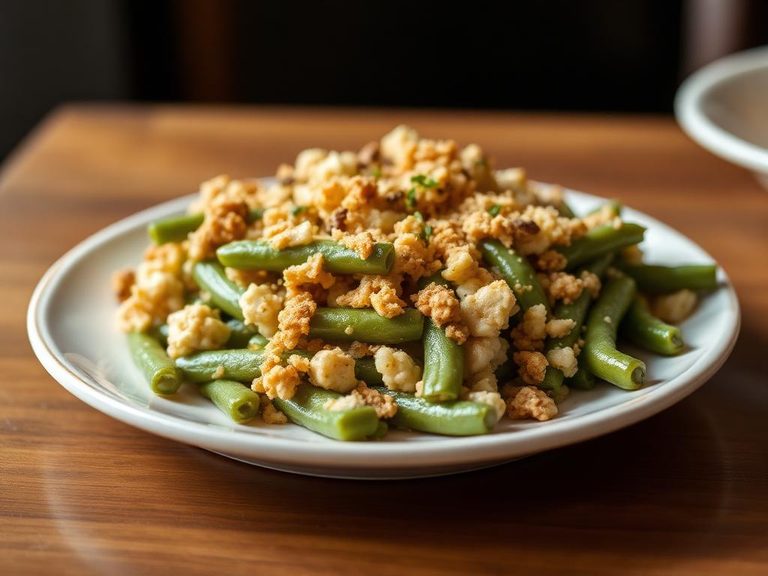
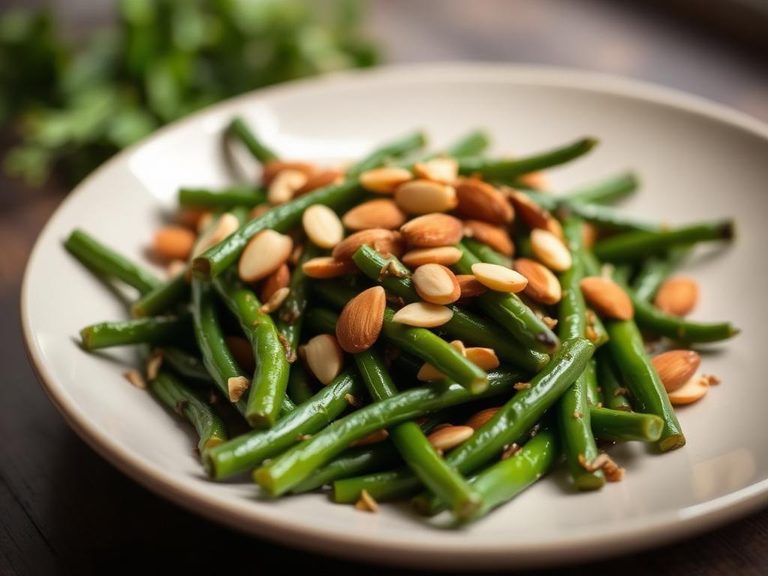
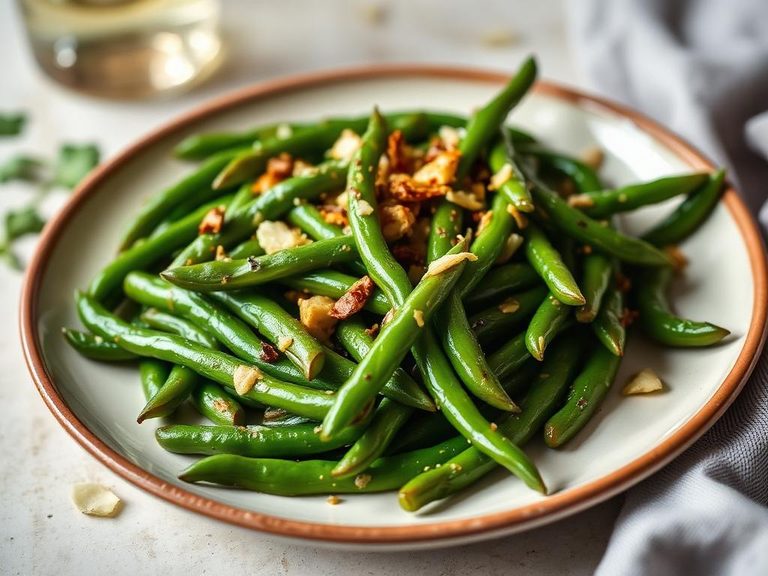
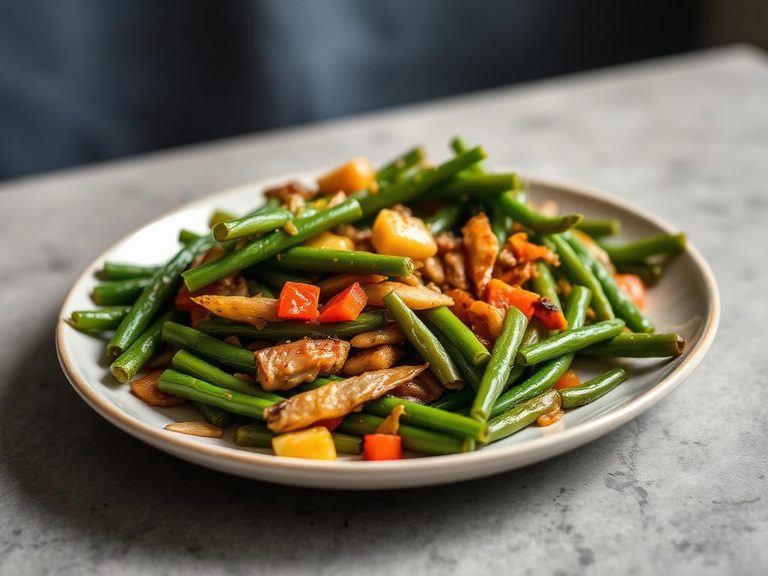
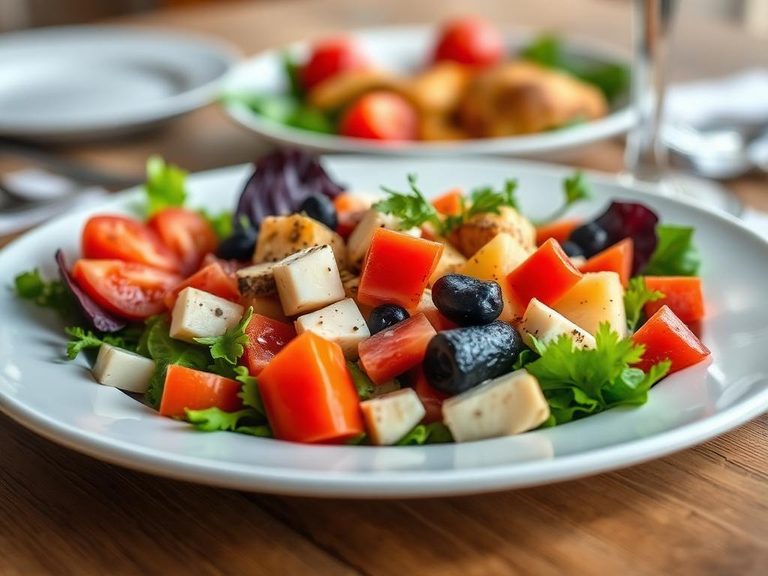
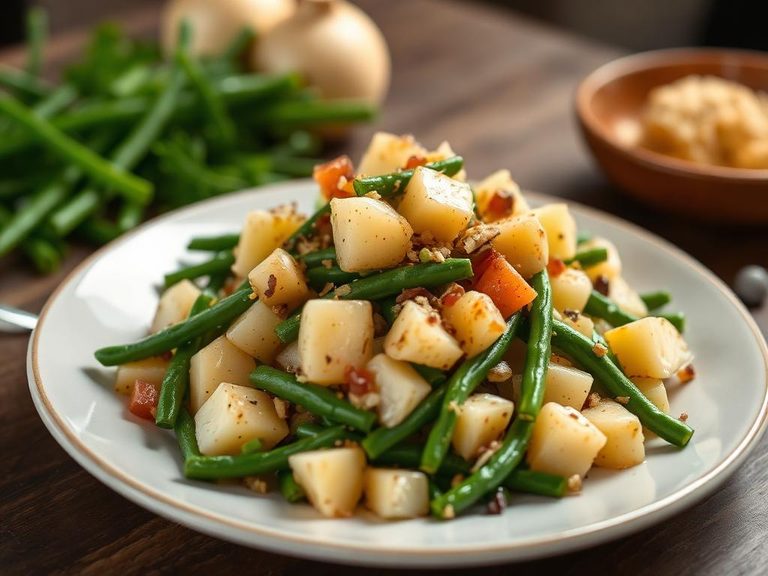
🌍 Where it's eaten
💡 Did you know?
The 'snap' of a fresh green bean comes from its turgid cell walls; freezing breaks down some cell structure, which is why frozen beans are often more tender than fresh ones.
Full nutrition (USDA data · scales with serving)
| Water | 88.8 g |
| Energy | 50.0 kcal |
| Protein | 1.4 g |
| Total lipid (fat) | 2.7 g |
| Carbohydrate, by difference | 6.3 g |
| Fiber, total dietary | 2.9 g |
| Total Sugars | 1.8 g |
| Calcium, Ca | 41.0 mg |
| Iron, Fe | 0.64 mg |
| Magnesium, Mg | 18.0 mg |
| Phosphorus, P | 28.0 mg |
| Potassium, K | 154 mg |
| Sodium, Na | 122 mg |
| Zinc, Zn | 0.23 mg |
| Copper, Cu | 0.06 mg |
| Selenium, Se | 0.40 ug |
| Vitamin C, total ascorbic acid | 4.0 mg |
| Thiamin | 0.03 mg |
| Riboflavin | 0.09 mg |
| Niacin | 0.37 mg |
| Vitamin B-6 | 0.07 mg |
| Folate, total | 22.0 ug |
| Folic acid | 0.00 ug |
| Folate, food | 22.0 ug |
| Folate, DFE | 22.0 ug |
| Choline, total | 13.3 mg |
| Vitamin B-12 | 0.00 ug |
| Vitamin B-12, added | 0.00 ug |
| Vitamin A, RAE | 32.0 ug |
| Retinol | 11.0 ug |
| Carotene, beta | 222 ug |
| Carotene, alpha | 53.0 ug |
| Cryptoxanthin, beta | 0.00 ug |
| Lycopene | 0.00 ug |
| Lutein + zeaxanthin | 492 ug |
| Vitamin E (alpha-tocopherol) | 0.42 mg |
| Vitamin E, added | 0.00 mg |
| Vitamin D (D2 + D3) | 0.00 ug |
| Vitamin K (phylloquinone) | 39.0 ug |
| Alcohol, ethyl | 0.00 g |
| Caffeine | 0.00 mg |
| Theobromine | 0.00 mg |
Fat & fatty acid profile (per 100g)
| Fatty acids, total saturated | 0.71 g |
| SFA 4:0 | 0.02 g |
| SFA 6:0 | 0.01 g |
| SFA 8:0 | 0.01 g |
| SFA 10:0 | 0.02 g |
| SFA 12:0 | 0.02 g |
| SFA 14:0 | 0.06 g |
| SFA 16:0 | 0.40 g |
| SFA 18:0 | 0.14 g |
| Fatty acids, total monounsaturated | 0.91 g |
| MUFA 16:1 | 0.01 g |
| MUFA 18:1 | 0.88 g |
| MUFA 20:1 | 0.01 g |
| MUFA 22:1 | 0.00 g |
| Fatty acids, total polyunsaturated | 0.81 g |
| PUFA 18:2 | 0.68 g |
| PUFA 18:3 | 0.13 g |
| PUFA 18:4 | 0.00 g |
| PUFA 20:4 | 0.00 g |
| PUFA 20:5 n-3 (EPA) | 0.00 g |
| PUFA 22:5 n-3 (DPA) | 0.00 g |
| PUFA 22:6 n-3 (DHA) | 0.00 g |
| Cholesterol | 2.0 mg |
Amino acid profile (per 100g)
Estimated from Beans, snap, green, canned, no salt added, solids and liquids — USDA does not publish this profile for Green beans.
| Tryptophan | 0.01 g |
| Threonine | 0.04 g |
| Isoleucine | 0.03 g |
| Leucine | 0.05 g |
| Lysine | 0.04 g |
| Methionine | 0.01 g |
| Cystine | 0.01 g |
| Phenylalanine | 0.03 g |
| Tyrosine | 0.02 g |
| Valine | 0.04 g |
| Arginine | 0.03 g |
| Histidine | 0.01 g |
| Alanine | 0.04 g |
| Aspartic acid | 0.11 g |
| Glutamic acid | 0.08 g |
| Glycine | 0.03 g |
| Proline | 0.03 g |
| Serine | 0.04 g |
FAQ
Are frozen green beans as nutritious as fresh?
Yes, often more so. They are flash-frozen at peak ripeness, which locks in nutrients like vitamin C that can degrade in fresh beans during transport and storage.
Why are they cooked with added fat?
The fat (like oil or butter) improves mouthfeel, helps carry fat-soluble vitamins (like vitamin K), and enhances flavor. It's often added during the final cooking or seasoning step.
How do I prevent them from getting mushy?
Don't overcook. For frozen beans, simmer or steam just until heated through and tender-crisp (3-5 minutes). For a firmer texture, finish them in a hot pan with a little fat to evaporate excess moisture.
Nutrient density (calculated · NRF9.3)
Nutrient Rich Foods index: beneficial nutrients (protein, fiber, vitamins, minerals) minus saturated fat, added sugar & sodium, per 100 kcal.
NRF9.3 index — Fulgoni, Keast & Drewnowski, 2009. Computed from USDA nutrients.
Weight-loss friendliness (composite index)
Energy density 0.50 kcal/g · 12% calories from protein · 2.9 g fiber · 1.8 g sugar per 100 g.
Composite of energy density (Rolls et al., 1999), protein & fiber satiety, minus sugar. A calculated heuristic — ranks satiety-per-calorie, not a clinical measure.
Dietary load (calculated from USDA values)
Potential renal acid load. Positive = acid-forming, negative = alkaline-forming.
Sodium-to-potassium ratio: 0.79 (lower is better — aim for ≤ 1)
Sodium:potassium per WHO potassium guidance. Computed from USDA nutrients.