

Grapes, raw
Common food
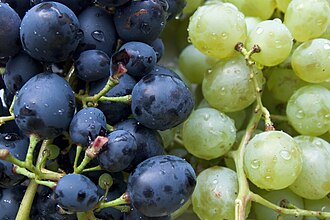
Photo: Wikipedia
Raw grapes are small, juicy globes of sweet-tart flavor, with a thin, crisp skin that gives way to a soft, translucent flesh. Their natural sugars, primarily fructose and glucose, provide a quick energy boost, while their vibrant colors—from deep purple to pale green—signal a wealth of antioxidants like resveratrol. A 100g serving is a low-calorie, hydrating snack packed with vitamin K and natural electrolytes.
Calorie split: 4% protein · 93% carbs · 2% fat
↓ Full nutrition💚 Why it's loved
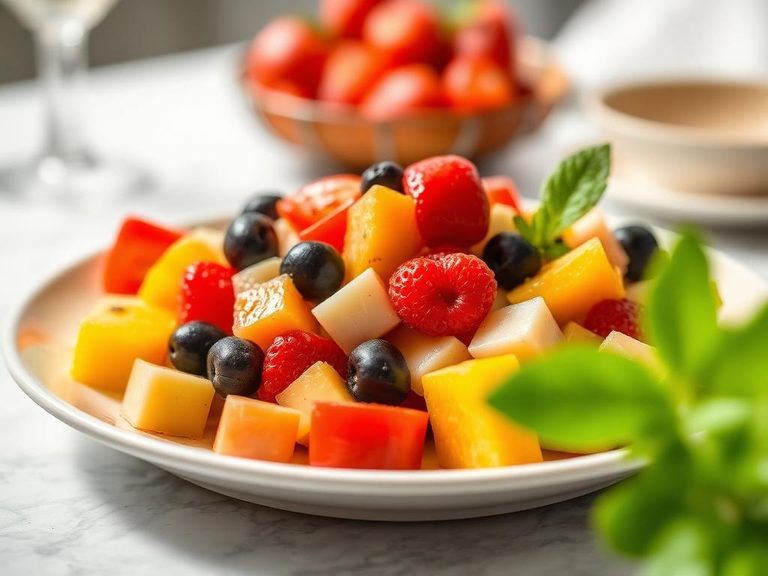
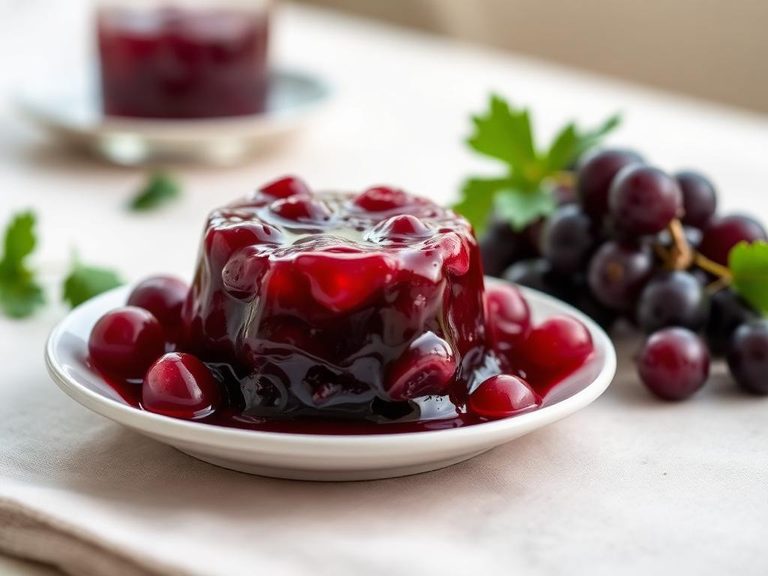
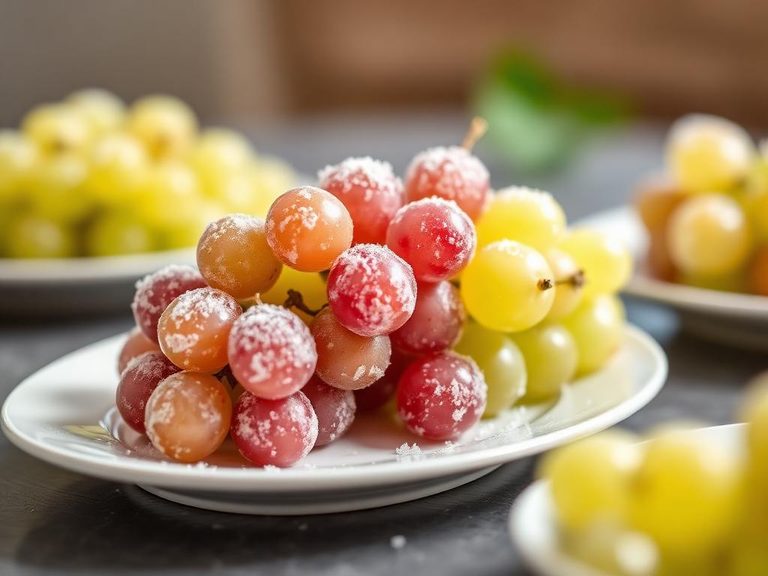
People adore grapes for their perfect balance of sweetness and acidity, making them an endlessly satisfying, pop-in-your-mouth snack. Their versatility shines in everything from fresh fruit salads to frozen treats, cheese boards, and fermented wines, embedding them in culinary traditions worldwide.
⚠️ Watch-outs & how to enjoy it better
Grapes are high in natural sugars (about 16.74g per 100g), which can cause blood sugar spikes if eaten in large quantities, especially for those managing diabetes. Their thin skins can also be a source of pesticide residue if not washed properly. To counteract sugar impact, pair them with a protein or fat like cheese or nuts, and always wash thoroughly under running water.
Key benefits
- Rich in antioxidants like resveratrol and flavonoids
- Good source of vitamin K for bone health
- High water content aids hydration
- Provides quick, natural energy from fruit sugars
- Contains fiber to support digestive health
🍽️ Popular dishes
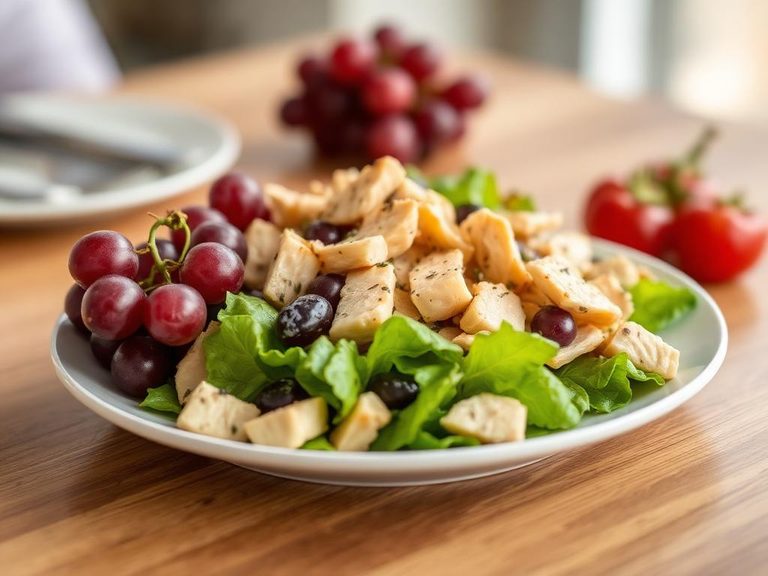
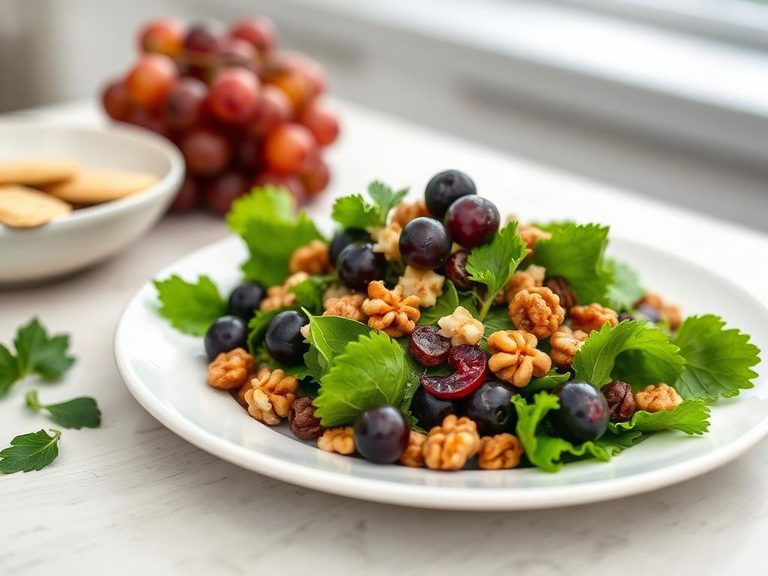

🌍 Where it's eaten
💡 Did you know?
The world's oldest known vineyard, located in Armenia, has been producing wine from grapes for over 6,000 years, making it a cornerstone of human culinary history.
Full nutrition (USDA data · scales with serving)
| Water | 79.0 g |
| Energy | 83.0 kcal |
| Protein | 0.90 g |
| Total lipid (fat) | 0.20 g |
| Carbohydrate, by difference | 19.4 g |
| Fiber, total dietary | 0.90 g |
| Total Sugars | 16.7 g |
| Calcium, Ca | 10.0 mg |
| Iron, Fe | 0.18 mg |
| Magnesium, Mg | 8.0 mg |
| Phosphorus, P | 24.0 mg |
| Potassium, K | 224 mg |
| Sodium, Na | 5.0 mg |
| Zinc, Zn | 0.04 mg |
| Copper, Cu | 0.07 mg |
| Selenium, Se | 0.10 ug |
| Vitamin C, total ascorbic acid | 3.2 mg |
| Thiamin | 0.07 mg |
| Riboflavin | 0.07 mg |
| Niacin | 0.19 mg |
| Vitamin B-6 | 0.09 mg |
| Folate, total | 2.0 ug |
| Folic acid | 0.00 ug |
| Folate, food | 2.0 ug |
| Folate, DFE | 2.0 ug |
| Choline, total | 5.6 mg |
| Vitamin B-12 | 0.00 ug |
| Vitamin B-12, added | 0.00 ug |
| Vitamin A, RAE | 3.0 ug |
| Retinol | 0.00 ug |
| Carotene, beta | 39.0 ug |
| Carotene, alpha | 1.0 ug |
| Cryptoxanthin, beta | 0.00 ug |
| Lycopene | 0.00 ug |
| Lutein + zeaxanthin | 72.0 ug |
| Vitamin E (alpha-tocopherol) | 0.19 mg |
| Vitamin E, added | 0.00 mg |
| Vitamin D (D2 + D3) | 0.00 ug |
| Vitamin K (phylloquinone) | 14.6 ug |
| Alcohol, ethyl | 0.00 g |
| Caffeine | 0.00 mg |
| Theobromine | 0.00 mg |
Fat & fatty acid profile (per 100g)
| Fatty acids, total saturated | 0.05 g |
| SFA 4:0 | 0.00 g |
| SFA 6:0 | 0.00 g |
| SFA 8:0 | 0.00 g |
| SFA 10:0 | 0.00 g |
| SFA 12:0 | 0.00 g |
| SFA 14:0 | 0.00 g |
| SFA 16:0 | 0.05 g |
| SFA 18:0 | 0.01 g |
| Fatty acids, total monounsaturated | 0.01 g |
| MUFA 16:1 | 0.00 g |
| MUFA 18:1 | 0.01 g |
| MUFA 20:1 | 0.00 g |
| MUFA 22:1 | 0.00 g |
| Fatty acids, total polyunsaturated | 0.05 g |
| PUFA 18:2 | 0.04 g |
| PUFA 18:3 | 0.01 g |
| PUFA 18:4 | 0.00 g |
| PUFA 20:4 | 0.00 g |
| PUFA 20:5 n-3 (EPA) | 0.00 g |
| PUFA 22:5 n-3 (DPA) | 0.00 g |
| PUFA 22:6 n-3 (DHA) | 0.00 g |
| Cholesterol | 0.00 mg |
Amino acid profile (per 100g)
Estimated from Oil, grapeseed — USDA does not publish this profile for Grapes.
| Tryptophan | 0.00 g |
| Threonine | 0.00 g |
| Isoleucine | 0.00 g |
| Leucine | 0.00 g |
| Lysine | 0.00 g |
| Methionine | 0.00 g |
| Cystine | 0.00 g |
| Phenylalanine | 0.00 g |
| Tyrosine | 0.00 g |
| Valine | 0.00 g |
| Arginine | 0.00 g |
| Histidine | 0.00 g |
| Alanine | 0.00 g |
| Aspartic acid | 0.00 g |
| Glutamic acid | 0.00 g |
| Glycine | 0.00 g |
| Proline | 0.00 g |
| Serine | 0.00 g |
FAQ
Are grapes a good source of fiber?
Yes, a 100g serving provides about 0.9g of fiber, mostly from the skin. Eating them whole, rather than juiced, maximizes this benefit.
Can I eat grapes if I'm watching my sugar intake?
Grapes contain natural sugars, so portion control is key. A small handful (about 15 grapes) is a reasonable serving. Pairing them with protein or fat can help moderate blood sugar response.
Should I be concerned about pesticides on grape skins?
Grapes often appear on pesticide residue lists. To reduce exposure, wash them thoroughly under running water, use a produce brush for firmer varieties, or opt for organic grapes when possible.
Nutrient density (calculated · NRF9.3)
Nutrient Rich Foods index: beneficial nutrients (protein, fiber, vitamins, minerals) minus saturated fat, added sugar & sodium, per 100 kcal.
NRF9.3 index — Fulgoni, Keast & Drewnowski, 2009. Computed from USDA nutrients.
Weight-loss friendliness (composite index)
Energy density 0.83 kcal/g · 4% calories from protein · 0.9 g fiber · 16.7 g sugar per 100 g.
Composite of energy density (Rolls et al., 1999), protein & fiber satiety, minus sugar. A calculated heuristic — ranks satiety-per-calorie, not a clinical measure.
Dietary load (calculated from USDA values)
Potential renal acid load. Positive = acid-forming, negative = alkaline-forming.
Sodium-to-potassium ratio: 0.02 (lower is better — aim for ≤ 1)
Sodium:potassium per WHO potassium guidance. Computed from USDA nutrients.