

Fish, mackerel, NFS
Common food

Photo: Wikipedia
Mackerel is an oily, silver-skinned fish with a rich, distinct flavor and a meaty, flaky texture. It's a nutritional powerhouse, packing a significant amount of high-quality protein and heart-healthy omega-3 fatty acids into a lean, virtually carb-free package.
Calorie split: 44% protein · 0% carbs · 56% fat
↓ Full nutrition💚 Why it's loved
People love mackerel for its bold, savory flavor that stands up to strong seasonings and grilling, and for its cultural significance in cuisines from Scandinavia to Japan, where it's often a staple of celebratory meals.
⚠️ Watch-outs & how to enjoy it better
Its strong, oily flavor can be polarizing, and it is a common fish allergen. As a larger predatory fish, it can contain higher levels of mercury, so pregnant women and young children should consult dietary guidelines. To counteract this, choose smaller species like Atlantic mackerel, which are lower in mercury, and enjoy it as part of a varied diet.
Key benefits
- Excellent source of complete protein
- Very high in omega-3 fatty acids (EPA & DHA)
- Rich in vitamin B12 and selenium
- Contains no carbohydrates or fiber
- Provides a good source of vitamin D
🍽️ Popular dishes
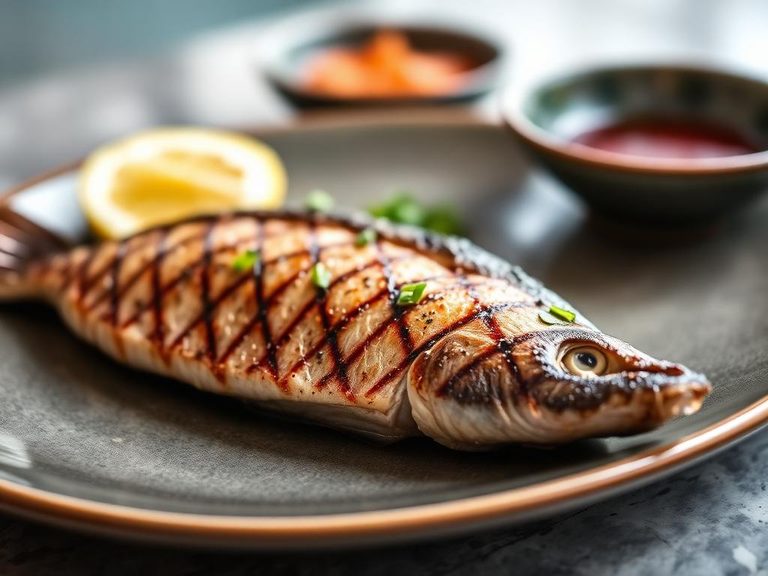
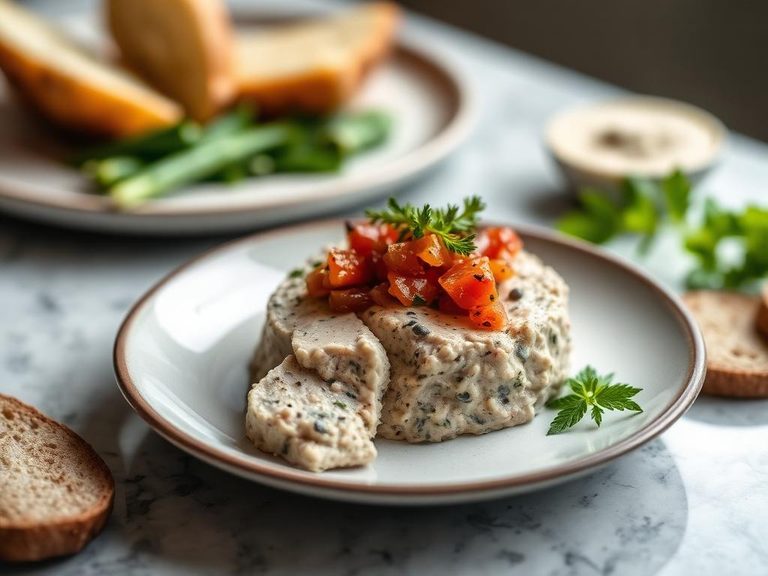
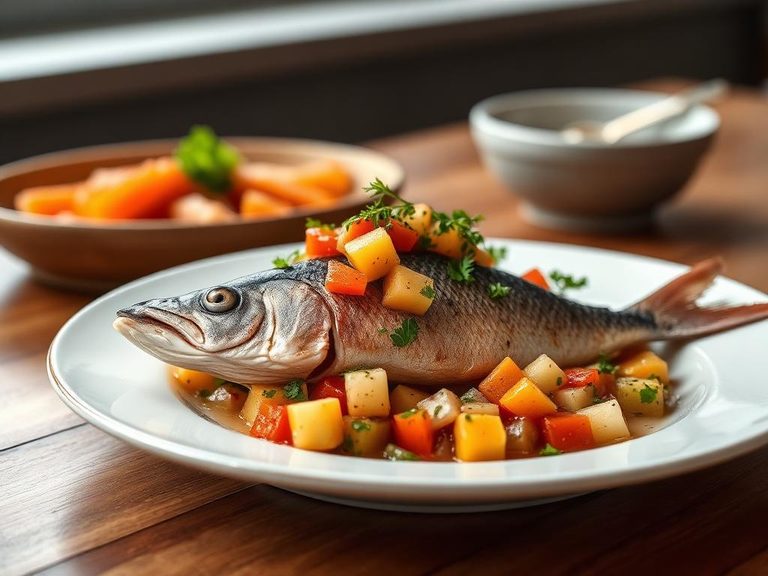
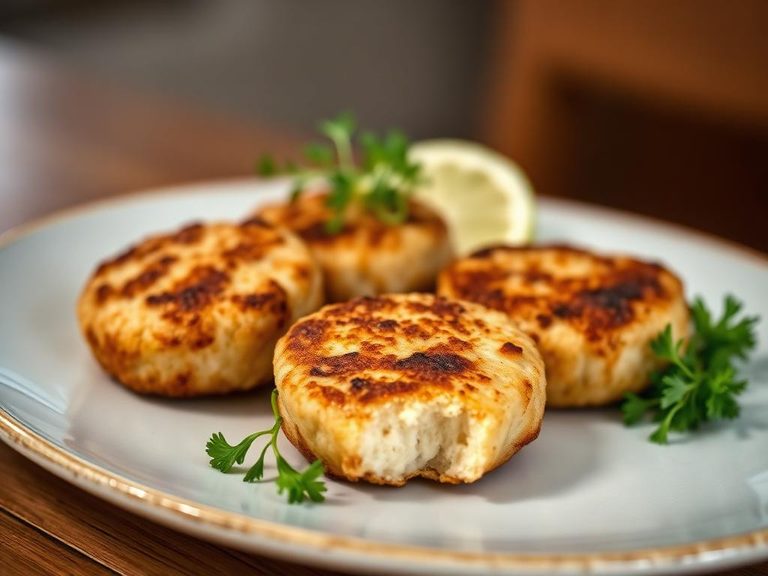
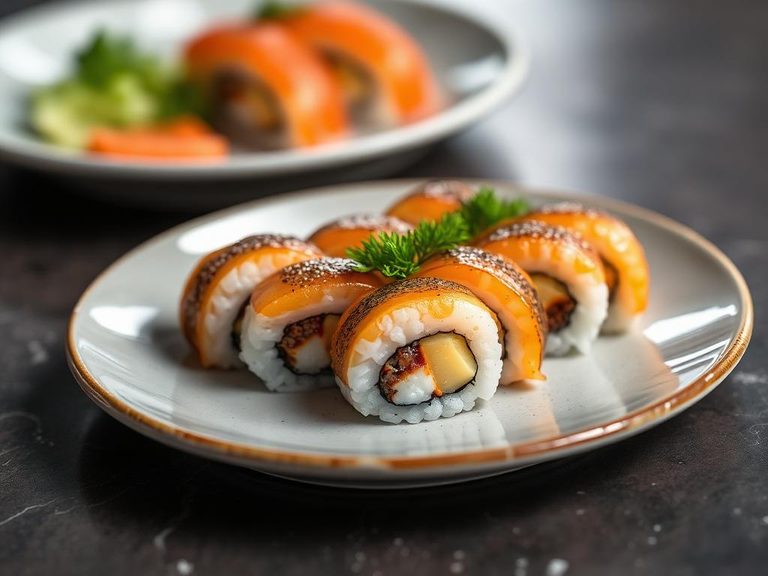
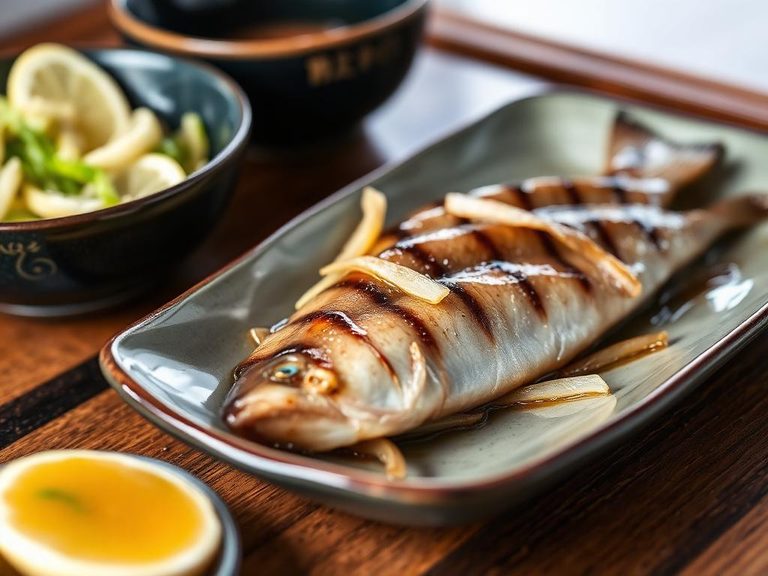
🌍 Where it's eaten
💡 Did you know?
Atlantic mackerel is one of the most sustainable large fish choices, as its populations are generally healthy and it's caught using low-bycatch methods like purse seining.
Full nutrition (USDA data · scales with serving)
| Water | 57.8 g |
| Energy | 237 kcal |
| Protein | 24.9 g |
| Total lipid (fat) | 14.3 g |
| Carbohydrate, by difference | 0.01 g |
| Fiber, total dietary | 0.00 g |
| Total Sugars | 0.01 g |
| Calcium, Ca | 29.0 mg |
| Iron, Fe | 1.4 mg |
| Magnesium, Mg | 35.0 mg |
| Phosphorus, P | 156 mg |
| Potassium, K | 505 mg |
| Sodium, Na | 322 mg |
| Zinc, Zn | 0.83 mg |
| Copper, Cu | 0.12 mg |
| Selenium, Se | 45.3 ug |
| Vitamin C, total ascorbic acid | 2.0 mg |
| Thiamin | 0.12 mg |
| Riboflavin | 0.50 mg |
| Niacin | 10.3 mg |
| Vitamin B-6 | 0.40 mg |
| Folate, total | 2.0 ug |
| Folic acid | 0.00 ug |
| Folate, food | 2.0 ug |
| Folate, DFE | 2.0 ug |
| Choline, total | 83.5 mg |
| Vitamin B-12 | 4.9 ug |
| Vitamin B-12, added | 0.00 ug |
| Vitamin A, RAE | 40.0 ug |
| Retinol | 40.0 ug |
| Carotene, beta | 9.0 ug |
| Carotene, alpha | 0.00 ug |
| Cryptoxanthin, beta | 0.00 ug |
| Lycopene | 0.00 ug |
| Lutein + zeaxanthin | 0.00 ug |
| Vitamin E (alpha-tocopherol) | 1.9 mg |
| Vitamin E, added | 0.00 mg |
| Vitamin D (D2 + D3) | 11.3 ug |
| Vitamin K (phylloquinone) | 3.9 ug |
| Alcohol, ethyl | 0.00 g |
| Caffeine | 0.00 mg |
| Theobromine | 0.00 mg |
Fat & fatty acid profile (per 100g)
| Fatty acids, total saturated | 4.0 g |
| SFA 4:0 | 0.03 g |
| SFA 6:0 | 0.02 g |
| SFA 8:0 | 0.01 g |
| SFA 10:0 | 0.03 g |
| SFA 12:0 | 0.05 g |
| SFA 14:0 | 0.54 g |
| SFA 16:0 | 2.4 g |
| SFA 18:0 | 0.79 g |
| Fatty acids, total monounsaturated | 4.9 g |
| MUFA 16:1 | 0.61 g |
| MUFA 18:1 | 3.2 g |
| MUFA 20:1 | 0.42 g |
| MUFA 22:1 | 0.60 g |
| Fatty acids, total polyunsaturated | 3.7 g |
| PUFA 18:2 | 1.3 g |
| PUFA 18:3 | 0.21 g |
| PUFA 18:4 | 0.15 g |
| PUFA 20:4 | 0.10 g |
| PUFA 20:5 n-3 (EPA) | 0.63 g |
| PUFA 22:5 n-3 (DPA) | 0.15 g |
| PUFA 22:6 n-3 (DHA) | 1.2 g |
| Cholesterol | 62.0 mg |
Amino acid profile (per 100g)
Estimated from Fish, fish sticks, frozen, prepared — USDA does not publish this profile for Fish.
| Tryptophan | 0.12 g |
| Threonine | 0.37 g |
| Isoleucine | 0.43 g |
| Leucine | 0.85 g |
| Lysine | 0.80 g |
| Methionine | 0.30 g |
| Phenylalanine | 0.47 g |
| Tyrosine | 0.29 g |
| Valine | 0.50 g |
| Arginine | 0.59 g |
| Histidine | 0.23 g |
| Alanine | 0.55 g |
| Aspartic acid | 0.82 g |
| Glutamic acid | 2.3 g |
| Glycine | 0.47 g |
| Proline | 0.78 g |
| Serine | 0.49 g |
| Hydroxyproline | 0.00 g |
FAQ
What's the difference between fresh and canned mackerel?
Fresh mackerel has a firmer texture and is ideal for grilling or pan-searing. Canned mackerel is pre-cooked, softer, and often packed in oil or water, making it convenient for salads, sandwiches, and quick meals.
Is mackerel high in mercury?
Mercury levels vary by species. Atlantic mackerel is consistently low in mercury and considered a 'Best Choice' by food safety authorities. King mackerel, however, is high in mercury and should be eaten less frequently.
How do I prepare fresh mackerel?
A simple method is to score the skin, rub with salt and pepper, and grill or pan-fry skin-side down until crispy. It also pairs well with acidic marinades or glazes like miso or teriyaki.
Nutrient density (calculated · NRF9.3)
Nutrient Rich Foods index: beneficial nutrients (protein, fiber, vitamins, minerals) minus saturated fat, added sugar & sodium, per 100 kcal.
NRF9.3 index — Fulgoni, Keast & Drewnowski, 2009. Computed from USDA nutrients.
Weight-loss friendliness (composite index)
Energy density 2.37 kcal/g · 42% calories from protein · 0.0 g fiber · 0.0 g sugar per 100 g.
Composite of energy density (Rolls et al., 1999), protein & fiber satiety, minus sugar. A calculated heuristic — ranks satiety-per-calorie, not a clinical measure.
Dietary load (calculated from USDA values)
Potential renal acid load. Positive = acid-forming, negative = alkaline-forming.
Sodium-to-potassium ratio: 0.64 (lower is better — aim for ≤ 1)
Sodium:potassium per WHO potassium guidance. Computed from USDA nutrients.