

Fish, mackerel, canned
Common food

Photo: Wikipedia
Canned mackerel consists of tender, flaky fish fillets preserved in oil or brine, offering a rich, savory flavor with a distinct, oily depth. It's a powerhouse of protein and heart-healthy omega-3 fatty acids, making it a nutritionally dense pantry staple.
Calorie split: 62% protein · 0% carbs · 38% fat
↓ Full nutrition💚 Why it's loved
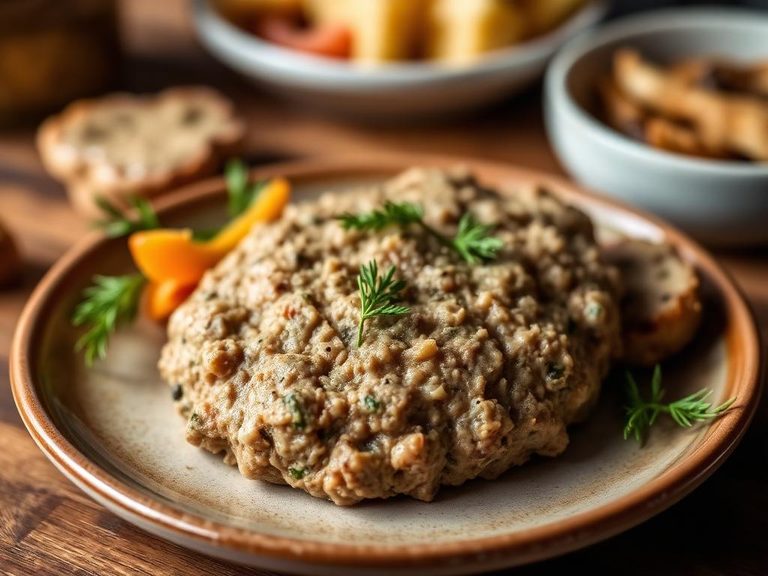
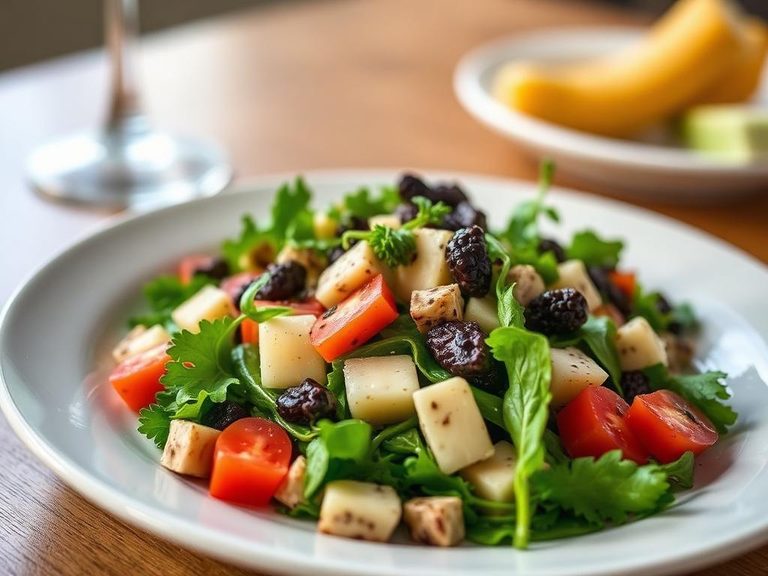
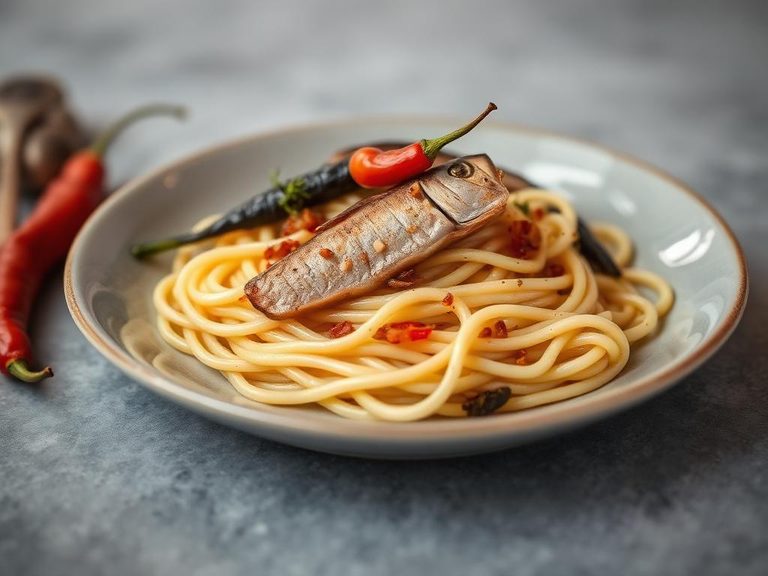
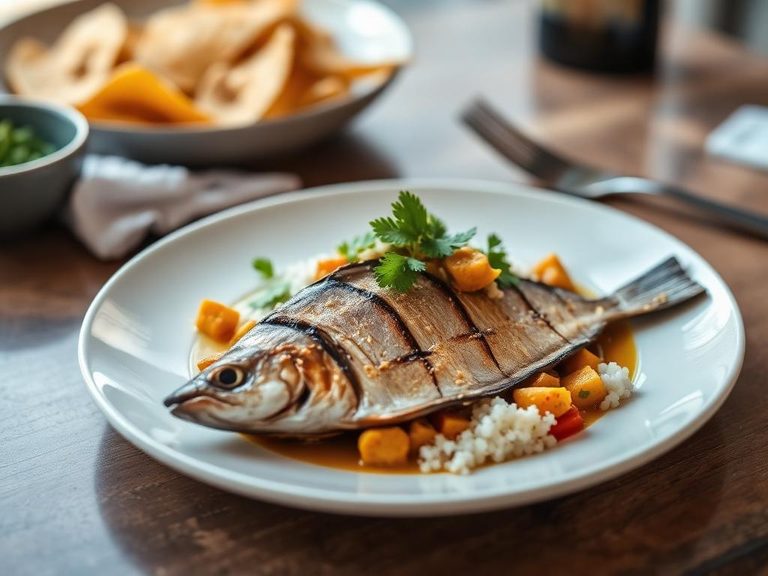
People love it for its intensely savory, umami-rich flavor and the incredible convenience of having a high-quality protein source ready to use. It's a beloved ingredient in quick meals, from salads to pasta, and is a cultural staple in many coastal cuisines.
⚠️ Watch-outs & how to enjoy it better
The strong, fishy taste can be off-putting to some, and the canning liquid (especially oil) adds extra calories and fat. Those watching their sodium intake should opt for varieties packed in water or low-sodium brine. To balance the richness, pair it with acidic ingredients like lemon juice, vinegar, or fresh tomatoes.
Key benefits
- Excellent source of complete protein (23g per 100g)
- Very high in omega-3 fatty acids (EPA and DHA)
- Contains significant vitamin B12 and selenium
- Convenient, shelf-stable, and ready-to-eat
- Low in carbohydrates and sugar
🍽️ Popular dishes


🌍 Where it's eaten
💡 Did you know?
Mackerel is one of the few fish that is often more nutritious when canned than fresh, as the canning process helps break down its tough connective tissues, making its omega-3 fats more bioavailable.
Full nutrition (USDA data · scales with serving)
| Water | 69.2 g |
| Energy | 156 kcal |
| Protein | 23.2 g |
| Total lipid (fat) | 6.3 g |
| Carbohydrate, by difference | 0.00 g |
| Fiber, total dietary | 0.00 g |
| Total Sugars | 0.00 g |
| Calcium, Ca | 241 mg |
| Iron, Fe | 2.0 mg |
| Magnesium, Mg | 37.0 mg |
| Phosphorus, P | 301 mg |
| Potassium, K | 194 mg |
| Sodium, Na | 379 mg |
| Zinc, Zn | 1.0 mg |
| Copper, Cu | 0.15 mg |
| Selenium, Se | 37.7 ug |
| Vitamin C, total ascorbic acid | 0.90 mg |
| Thiamin | 0.04 mg |
| Riboflavin | 0.21 mg |
| Niacin | 6.2 mg |
| Vitamin B-6 | 0.21 mg |
| Folate, total | 5.0 ug |
| Folic acid | 0.00 ug |
| Folate, food | 5.0 ug |
| Folate, DFE | 5.0 ug |
| Choline, total | 85.0 mg |
| Vitamin B-12 | 6.9 ug |
| Vitamin B-12, added | 0.00 ug |
| Vitamin A, RAE | 130 ug |
| Retinol | 130 ug |
| Carotene, beta | 0.00 ug |
| Carotene, alpha | 0.00 ug |
| Cryptoxanthin, beta | 0.00 ug |
| Lycopene | 0.00 ug |
| Lutein + zeaxanthin | 0.00 ug |
| Vitamin E (alpha-tocopherol) | 1.0 mg |
| Vitamin E, added | 0.00 mg |
| Vitamin D (D2 + D3) | 7.3 ug |
| Vitamin K (phylloquinone) | 0.10 ug |
| Alcohol, ethyl | 0.00 g |
| Caffeine | 0.00 mg |
| Theobromine | 0.00 mg |
Fat & fatty acid profile (per 100g)
| Fatty acids, total saturated | 1.9 g |
| SFA 4:0 | 0.00 g |
| SFA 6:0 | 0.00 g |
| SFA 8:0 | 0.00 g |
| SFA 10:0 | 0.00 g |
| SFA 12:0 | 0.01 g |
| SFA 14:0 | 0.29 g |
| SFA 16:0 | 1.2 g |
| SFA 18:0 | 0.38 g |
| Fatty acids, total monounsaturated | 2.2 g |
| MUFA 16:1 | 0.40 g |
| MUFA 18:1 | 1.1 g |
| MUFA 20:1 | 0.28 g |
| MUFA 22:1 | 0.41 g |
| Fatty acids, total polyunsaturated | 1.7 g |
| PUFA 18:2 | 0.10 g |
| PUFA 18:3 | 0.04 g |
| PUFA 18:4 | 0.11 g |
| PUFA 20:4 | 0.07 g |
| PUFA 20:5 n-3 (EPA) | 0.43 g |
| PUFA 22:5 n-3 (DPA) | 0.10 g |
| PUFA 22:6 n-3 (DHA) | 0.80 g |
| Cholesterol | 79.0 mg |
Amino acid profile (per 100g)
Estimated from Fish, fish sticks, frozen, prepared — USDA does not publish this profile for Fish.
| Tryptophan | 0.12 g |
| Threonine | 0.37 g |
| Isoleucine | 0.43 g |
| Leucine | 0.85 g |
| Lysine | 0.80 g |
| Methionine | 0.30 g |
| Phenylalanine | 0.47 g |
| Tyrosine | 0.29 g |
| Valine | 0.50 g |
| Arginine | 0.59 g |
| Histidine | 0.23 g |
| Alanine | 0.55 g |
| Aspartic acid | 0.82 g |
| Glutamic acid | 2.3 g |
| Glycine | 0.47 g |
| Proline | 0.78 g |
| Serine | 0.49 g |
| Hydroxyproline | 0.00 g |
FAQ
Is canned mackerel healthy?
Yes, it's exceptionally nutritious. It's a top source of protein and heart-healthy omega-3s, and it's rich in vitamins like B12. Choose varieties packed in water or olive oil for the healthiest options.
What's the difference between canned mackerel and canned tuna?
Mackerel has a stronger, richer flavor and significantly higher fat content, which means more omega-3s. Tuna is milder and leaner. Nutritionally, mackerel often surpasses tuna in heart-healthy fats.
How long does canned mackerel last after opening?
Once opened, transfer any unused mackerel and its liquid to a sealed container and refrigerate. It will keep for 2-3 days. Do not store it in the original can.
Nutrient density (calculated · NRF9.3)
Nutrient Rich Foods index: beneficial nutrients (protein, fiber, vitamins, minerals) minus saturated fat, added sugar & sodium, per 100 kcal.
NRF9.3 index — Fulgoni, Keast & Drewnowski, 2009. Computed from USDA nutrients.
Weight-loss friendliness (composite index)
Energy density 1.56 kcal/g · 59% calories from protein · 0.0 g fiber · 0.0 g sugar per 100 g.
Composite of energy density (Rolls et al., 1999), protein & fiber satiety, minus sugar. A calculated heuristic — ranks satiety-per-calorie, not a clinical measure.
Dietary load (calculated from USDA values)
Potential renal acid load. Positive = acid-forming, negative = alkaline-forming.
Sodium-to-potassium ratio: 1.95 (lower is better — aim for ≤ 1)
Sodium:potassium per WHO potassium guidance. Computed from USDA nutrients.