

Eggnog, alcoholic
Common food

Photo: Wikipedia
Eggnog is a rich, creamy holiday beverage made from milk, cream, sugar, whipped eggs, and spirits like rum, brandy, or bourbon. Its texture is velvety and indulgent, with a sweet, custard-like flavor often enhanced by nutmeg. Nutritionally, it's a dense source of calories, protein, and fat, providing a quick energy boost.
Calorie split: 21% protein · 37% carbs · 43% fat
↓ Full nutrition💚 Why it's loved
People adore eggnog for its luxurious, festive taste that evokes holiday nostalgia and warmth. Its versatility allows it to be enjoyed chilled, warmed, or as a base for cocktails and desserts.
⚠️ Watch-outs & how to enjoy it better
Its high sugar, calorie, and alcohol content can contribute to blood sugar spikes and excess calorie intake. Those watching their weight, blood sugar, or alcohol consumption should exercise caution; pairing it with a protein-rich snack or opting for a smaller, 4-ounce portion can help mitigate impacts.
Key benefits
- Provides a quick source of energy from calories and carbohydrates.
- Contains protein and fat from eggs and dairy, which promote satiety.
- Offers calcium and some vitamins from dairy and egg yolks.
- Traditional holiday drink with cultural and social significance.
🍽️ Popular dishes

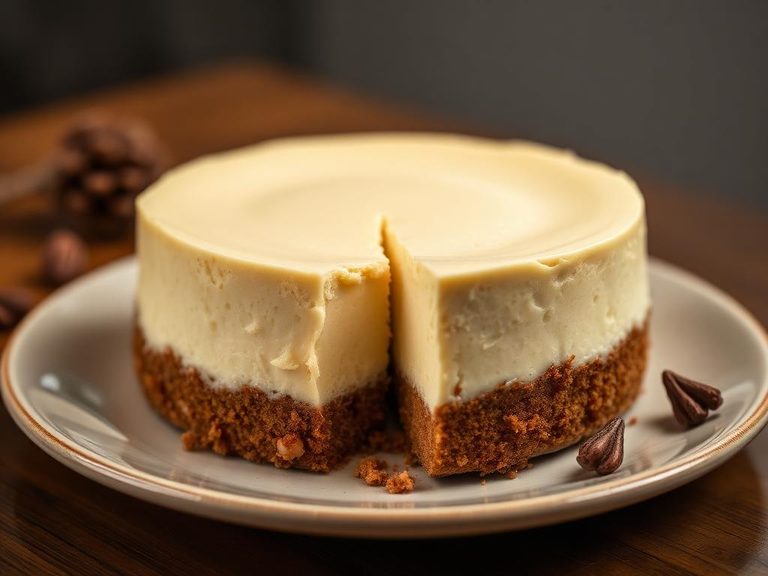
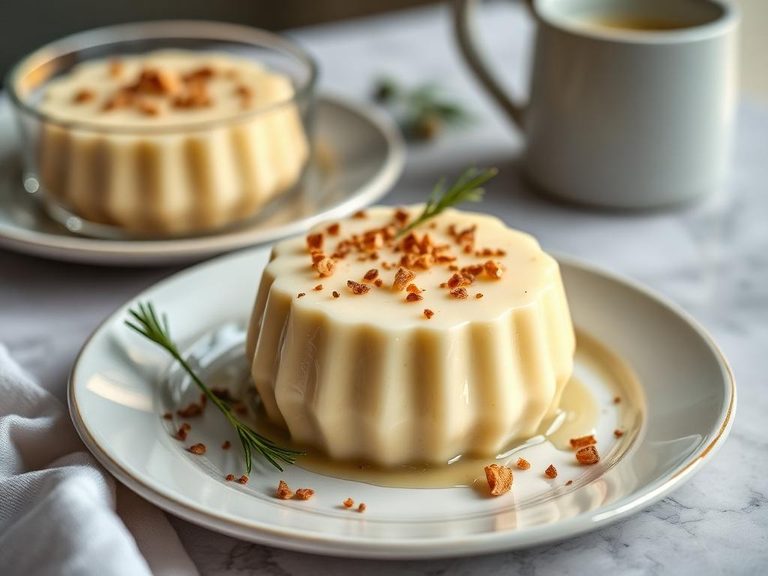
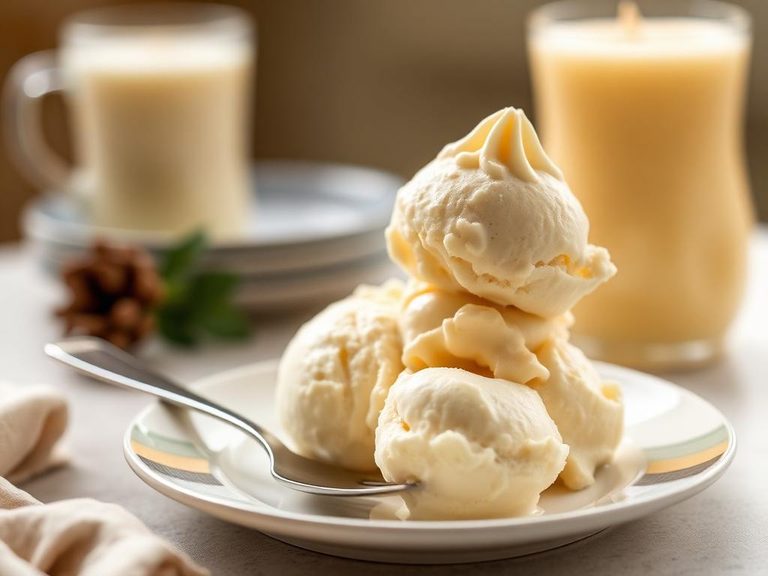


🌍 Where it's eaten
💡 Did you know?
The earliest known recipe for eggnog appeared in a 1788 American newspaper, and its name likely derives from the 'grog' (rum) it traditionally contained.
Full nutrition (USDA data · scales with serving)
| Water | 79.7 g |
| Energy | 113 kcal |
| Protein | 3.7 g |
| Total lipid (fat) | 3.5 g |
| Carbohydrate, by difference | 6.6 g |
| Fiber, total dietary | 0.00 g |
| Total Sugars | 6.6 g |
| Calcium, Ca | 107 mg |
| Iron, Fe | 0.17 mg |
| Magnesium, Mg | 16.0 mg |
| Phosphorus, P | 90.0 mg |
| Potassium, K | 136 mg |
| Sodium, Na | 45.0 mg |
| Zinc, Zn | 0.39 mg |
| Copper, Cu | 0.01 mg |
| Selenium, Se | 3.5 ug |
| Vitamin C, total ascorbic acid | 1.2 mg |
| Thiamin | 0.03 mg |
| Riboflavin | 0.16 mg |
| Niacin | 0.09 mg |
| Vitamin B-6 | 0.04 mg |
| Folate, total | 1.0 ug |
| Folic acid | 0.00 ug |
| Folate, food | 1.0 ug |
| Folate, DFE | 1.0 ug |
| Choline, total | 42.9 mg |
| Vitamin B-12 | 0.37 ug |
| Vitamin B-12, added | 0.00 ug |
| Vitamin A, RAE | 49.0 ug |
| Retinol | 48.0 ug |
| Carotene, beta | 6.0 ug |
| Carotene, alpha | 0.00 ug |
| Cryptoxanthin, beta | 0.00 ug |
| Lycopene | 0.00 ug |
| Lutein + zeaxanthin | 44.0 ug |
| Vitamin E (alpha-tocopherol) | 0.17 mg |
| Vitamin E, added | 0.00 mg |
| Vitamin D (D2 + D3) | 1.0 ug |
| Vitamin K (phylloquinone) | 0.20 ug |
| Alcohol, ethyl | 5.9 g |
| Caffeine | 0.00 mg |
| Theobromine | 0.00 mg |
Fat & fatty acid profile (per 100g)
| Fatty acids, total saturated | 2.1 g |
| SFA 4:0 | 0.11 g |
| SFA 6:0 | 0.06 g |
| SFA 8:0 | 0.04 g |
| SFA 10:0 | 0.08 g |
| SFA 12:0 | 0.09 g |
| SFA 14:0 | 0.33 g |
| SFA 16:0 | 0.93 g |
| SFA 18:0 | 0.42 g |
| Fatty acids, total monounsaturated | 1.1 g |
| MUFA 16:1 | 0.08 g |
| MUFA 18:1 | 0.94 g |
| MUFA 20:1 | 0.00 g |
| MUFA 22:1 | 0.00 g |
| Fatty acids, total polyunsaturated | 0.16 g |
| PUFA 18:2 | 0.11 g |
| PUFA 18:3 | 0.05 g |
| PUFA 18:4 | 0.00 g |
| PUFA 20:4 | 0.00 g |
| PUFA 20:5 n-3 (EPA) | 0.00 g |
| PUFA 22:5 n-3 (DPA) | 0.00 g |
| PUFA 22:6 n-3 (DHA) | 0.00 g |
| Cholesterol | 49.0 mg |
Amino acid profile (per 100g)
Estimated from Eggnog — USDA does not publish this profile for Eggnog.
| Tryptophan | 0.09 g |
| Threonine | 0.20 g |
| Isoleucine | 0.24 g |
| Leucine | 0.38 g |
| Lysine | 0.26 g |
| Methionine | 0.12 g |
| Cystine | 0.06 g |
| Phenylalanine | 0.23 g |
| Tyrosine | 0.20 g |
| Valine | 0.29 g |
| Arginine | 0.19 g |
| Histidine | 0.11 g |
| Alanine | 0.20 g |
| Aspartic acid | 0.40 g |
| Glutamic acid | 0.78 g |
| Glycine | 0.13 g |
| Proline | 0.35 g |
| Serine | 0.24 g |
FAQ
Is eggnog safe to drink raw?
Commercial eggnog is pasteurized to kill bacteria. Homemade versions using raw eggs carry a risk of salmonella; using pasteurized eggs or cooking the mixture is recommended.
Can I make non-alcoholic eggnog?
Yes, simply omit the alcohol or replace it with vanilla extract, extra nutmeg, or a non-alcoholic spirit alternative for flavor.
How should I store leftover eggnog?
Keep it refrigerated at or below 40°F (4°C) and consume within 3-5 days. Do not leave it at room temperature for more than 2 hours.
Nutrient density (calculated · NRF9.3)
Nutrient Rich Foods index: beneficial nutrients (protein, fiber, vitamins, minerals) minus saturated fat, added sugar & sodium, per 100 kcal.
NRF9.3 index — Fulgoni, Keast & Drewnowski, 2009. Computed from USDA nutrients.
Weight-loss friendliness (composite index)
Energy density 1.13 kcal/g · 13% calories from protein · 0.0 g fiber · 6.6 g sugar per 100 g.
Composite of energy density (Rolls et al., 1999), protein & fiber satiety, minus sugar. A calculated heuristic — ranks satiety-per-calorie, not a clinical measure.
Dietary load (calculated from USDA values)
Potential renal acid load. Positive = acid-forming, negative = alkaline-forming.
Sodium-to-potassium ratio: 0.33 (lower is better — aim for ≤ 1)
Sodium:potassium per WHO potassium guidance. Computed from USDA nutrients.