

Egg, yolk only, cooked, NS as to fat
Common food

Photo: Wikipedia
A cooked egg yolk is a rich, golden orb with a smooth, creamy, and slightly waxy texture that coats the palate. Its flavor is deeply savory and umami-rich, often described as the heart of the egg's flavor. Nutritionally, it's a powerhouse of fat-soluble vitamins and choline, packed into a small, calorie-dense package.
Calorie split: 17% protein · 1% carbs · 82% fat
↓ Full nutrition💚 Why it's loved
People love it for its unparalleled ability to add richness, color, and binding power to dishes, from creamy sauces to baked goods. Its deep, savory flavor is considered the soul of many cuisines, making it a beloved ingredient for both comfort food and gourmet cooking.
⚠️ Watch-outs & how to enjoy it better
Due to its high dietary cholesterol and fat content, those with specific heart health conditions or managing blood lipids may be advised to moderate intake. To enjoy it as part of a balanced diet, pair it with fiber-rich vegetables or whole grains and practice portion control.
Key benefits
- Excellent source of choline for brain health
- Rich in fat-soluble vitamins A, D, E, and K
- Provides lutein and zeaxanthin for eye health
- Contains high-quality protein and essential fatty acids
🍽️ Popular dishes
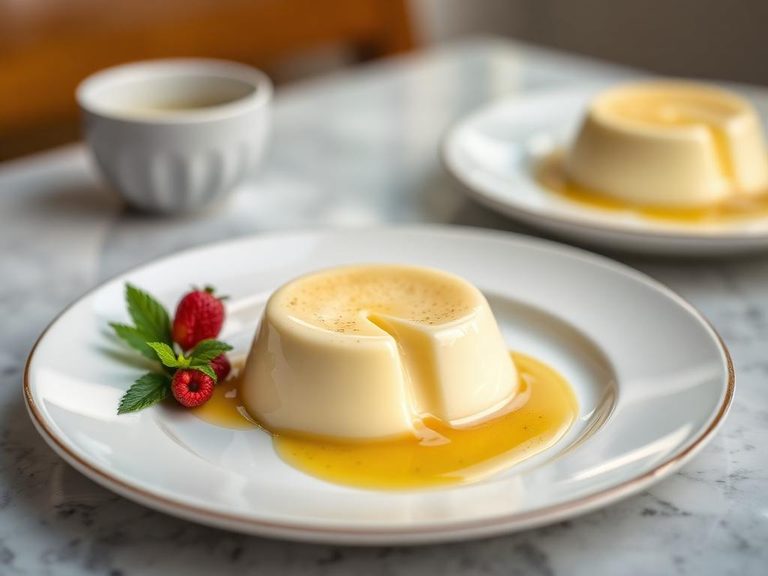



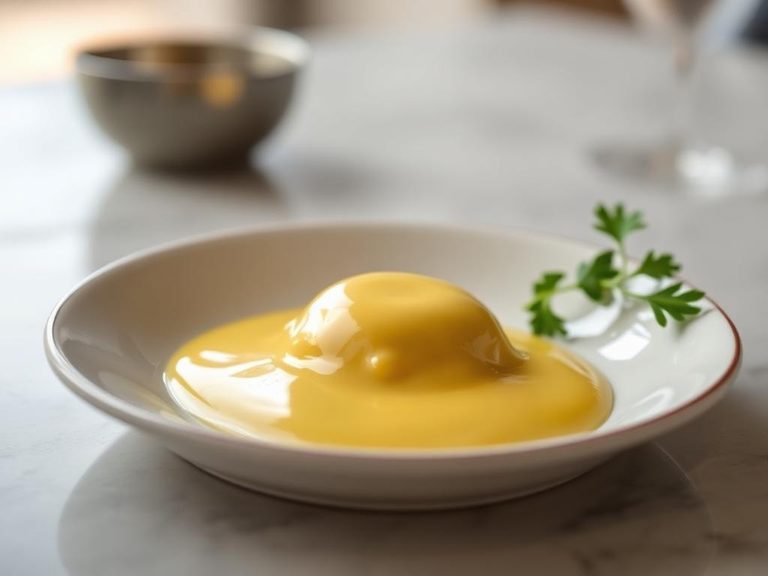
🌍 Where it's eaten
💡 Did you know?
The vibrant yellow-orange color of a cooked yolk comes from carotenoid pigments like lutein, which the hen absorbs from her feed—pasture-raised hens eating greens and insects often produce deeper-colored yolks.
Full nutrition (USDA data · scales with serving)
| Water | 49.3 g |
| Energy | 357 kcal |
| Protein | 15.1 g |
| Total lipid (fat) | 32.6 g |
| Carbohydrate, by difference | 0.96 g |
| Fiber, total dietary | 0.00 g |
| Total Sugars | 0.53 g |
| Calcium, Ca | 121 mg |
| Iron, Fe | 2.5 mg |
| Magnesium, Mg | 5.0 mg |
| Phosphorus, P | 364 mg |
| Potassium, K | 102 mg |
| Sodium, Na | 172 mg |
| Zinc, Zn | 2.1 mg |
| Copper, Cu | 0.07 mg |
| Selenium, Se | 52.0 ug |
| Vitamin C, total ascorbic acid | 0.00 mg |
| Thiamin | 0.13 mg |
| Riboflavin | 0.41 mg |
| Niacin | 0.02 mg |
| Vitamin B-6 | 0.35 mg |
| Folate, total | 102 ug |
| Folic acid | 0.00 ug |
| Folate, food | 102 ug |
| Folate, DFE | 102 ug |
| Choline, total | 612 mg |
| Vitamin B-12 | 1.4 ug |
| Vitamin B-12, added | 0.00 ug |
| Vitamin A, RAE | 381 ug |
| Retinol | 370 ug |
| Carotene, beta | 93.0 ug |
| Carotene, alpha | 35.0 ug |
| Cryptoxanthin, beta | 31.0 ug |
| Lycopene | 2.0 ug |
| Lutein + zeaxanthin | 1020 ug |
| Vitamin E (alpha-tocopherol) | 6.1 mg |
| Vitamin E, added | 0.00 mg |
| Vitamin D (D2 + D3) | 5.1 ug |
| Vitamin K (phylloquinone) | 5.4 ug |
| Alcohol, ethyl | 0.00 g |
| Caffeine | 0.00 mg |
| Theobromine | 0.00 mg |
Fat & fatty acid profile (per 100g)
| Fatty acids, total saturated | 10.4 g |
| SFA 4:0 | 0.04 g |
| SFA 6:0 | 0.03 g |
| SFA 8:0 | 0.03 g |
| SFA 10:0 | 0.05 g |
| SFA 12:0 | 0.05 g |
| SFA 14:0 | 0.24 g |
| SFA 16:0 | 7.2 g |
| SFA 18:0 | 2.6 g |
| Fatty acids, total monounsaturated | 13.0 g |
| MUFA 16:1 | 0.89 g |
| MUFA 18:1 | 11.9 g |
| MUFA 20:1 | 0.11 g |
| MUFA 22:1 | 0.01 g |
| Fatty acids, total polyunsaturated | 5.6 g |
| PUFA 18:2 | 4.8 g |
| PUFA 18:3 | 0.28 g |
| PUFA 18:4 | 0.00 g |
| PUFA 20:4 | 0.41 g |
| PUFA 20:5 n-3 (EPA) | 0.01 g |
| PUFA 22:5 n-3 (DPA) | 0.00 g |
| PUFA 22:6 n-3 (DHA) | 0.11 g |
| Cholesterol | 1016 mg |
Amino acid profile (per 100g)
Estimated from Fish, whitefish, eggs (Alaska Native) — USDA does not publish this profile for Egg.
| Tryptophan | 0.28 g |
| Threonine | 1.0 g |
| Isoleucine | 1.1 g |
| Leucine | 1.6 g |
| Lysine | 1.6 g |
| Methionine | 0.56 g |
| Cystine | 0.23 g |
| Phenylalanine | 0.90 g |
| Tyrosine | 0.76 g |
| Valine | 1.3 g |
| Arginine | 1.1 g |
| Histidine | 0.53 g |
| Alanine | 1.6 g |
| Aspartic acid | 1.6 g |
| Glutamic acid | 2.2 g |
| Glycine | 0.50 g |
| Proline | 1.1 g |
| Serine | 1.2 g |
FAQ
Is cooked egg yolk healthy?
Yes, it is nutrient-dense, providing essential vitamins, minerals, and choline. Its healthfulness depends on individual dietary needs and overall diet balance.
Why does the texture change when cooked?
The proteins in the yolk denature and coagulate when heated, transforming it from a liquid to a soft, creamy, or firm solid depending on cooking time and temperature.
Can I eat just the yolk?
Yes, many recipes use yolks alone for their richness and emulsifying properties. However, the white is also a good source of lean protein, so using the whole egg is often recommended for balanced nutrition.
Nutrient density (calculated · NRF9.3)
Nutrient Rich Foods index: beneficial nutrients (protein, fiber, vitamins, minerals) minus saturated fat, added sugar & sodium, per 100 kcal.
NRF9.3 index — Fulgoni, Keast & Drewnowski, 2009. Computed from USDA nutrients.
Weight-loss friendliness (composite index)
Energy density 3.57 kcal/g · 17% calories from protein · 0.0 g fiber · 0.5 g sugar per 100 g.
Composite of energy density (Rolls et al., 1999), protein & fiber satiety, minus sugar. A calculated heuristic — ranks satiety-per-calorie, not a clinical measure.
Dietary load (calculated from USDA values)
Potential renal acid load. Positive = acid-forming, negative = alkaline-forming.
Sodium-to-potassium ratio: 1.69 (lower is better — aim for ≤ 1)
Sodium:potassium per WHO potassium guidance. Computed from USDA nutrients.