

Egg, yolk only, cooked, no added fat
Common food

Photo: Wikipedia
The pure, golden heart of an egg, cooked without any added fat, is a rich, velvety ingredient with a deep, savory flavor and a smooth, custard-like texture. Nutritionally, it's a powerhouse of high-quality protein and healthy fats, delivering significant energy and essential nutrients in a compact form. Its vibrant color and creamy mouthfeel make it a prized component in both simple and elaborate culinary preparations.
Calorie split: 20% protein · 1% carbs · 79% fat
↓ Full nutrition💚 Why it's loved
People love its unparalleled richness and ability to add luxurious creaminess and deep flavor to dishes without heaviness. It's the ultimate culinary binder and emulsifier, beloved for its versatility in everything from sauces to baked goods.
⚠️ Watch-outs & how to enjoy it better
The high cholesterol and fat content mean it should be consumed in moderation by individuals managing heart health or specific dietary conditions. To counteract this, balance it with fiber-rich vegetables or whole grains in a meal, and practice portion control by using it as a flavor enhancer rather than the main event.
Key benefits
- Excellent source of complete, high-quality protein.
- Rich in essential fat-soluble vitamins (A, D, E, K).
- Provides choline, crucial for brain and liver health.
- Contains lutein and zeaxanthin, antioxidants for eye health.
- Naturally gluten-free and low in carbohydrates.
🍽️ Popular dishes
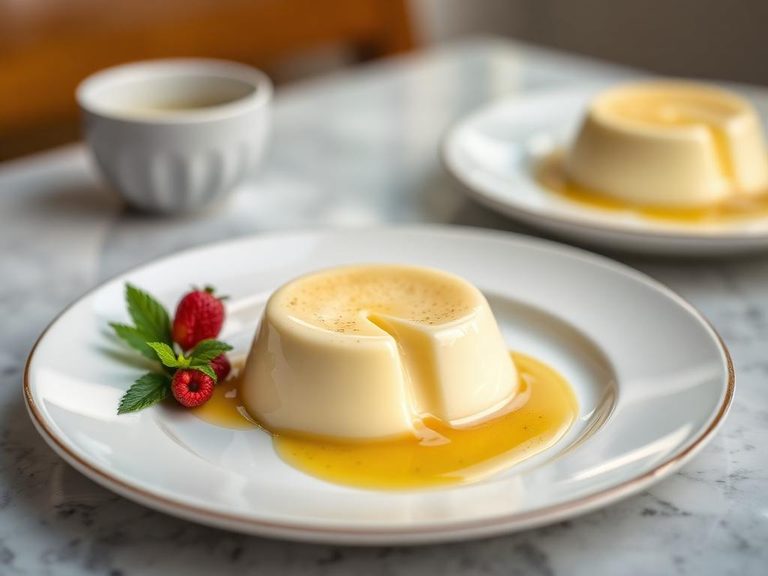
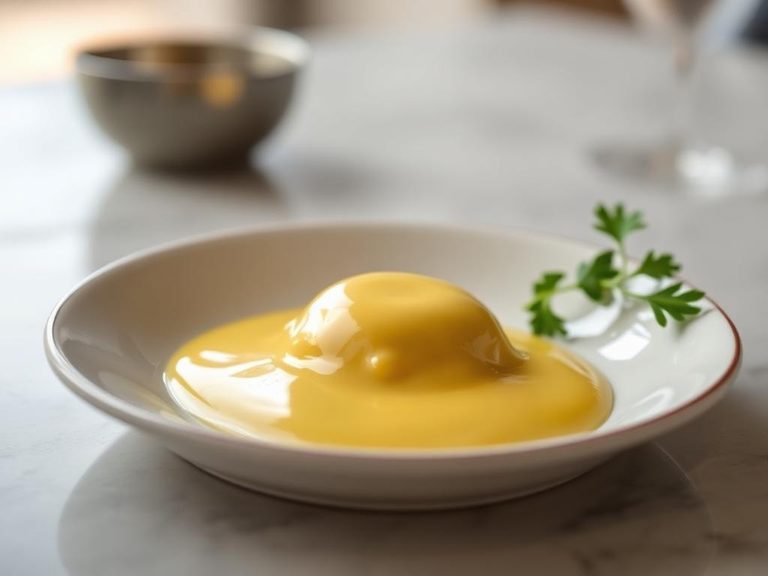
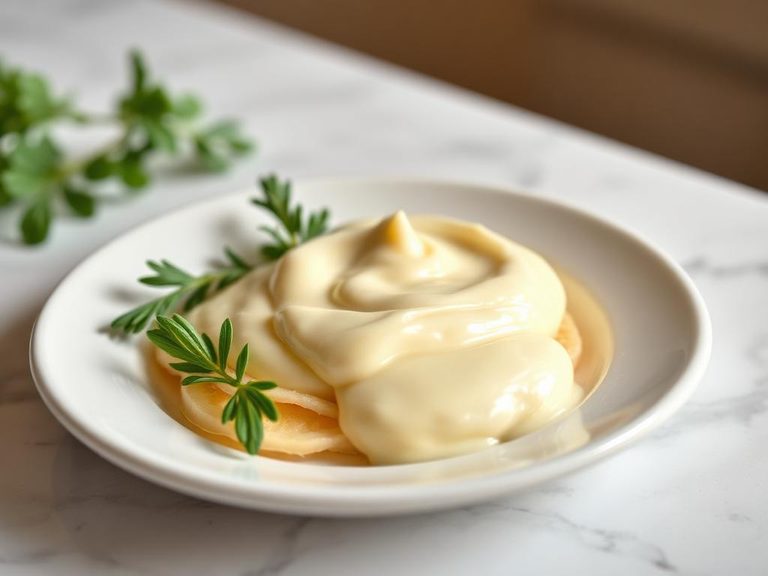
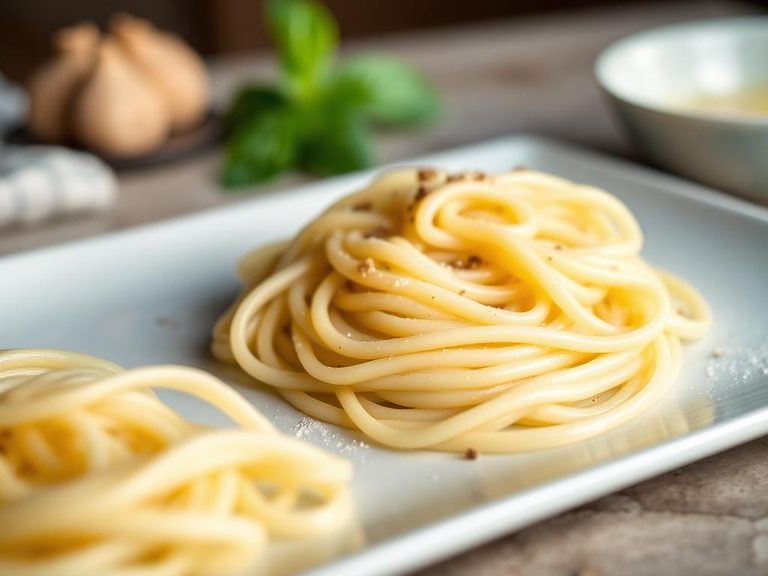


🌍 Where it's eaten
💡 Did you know?
A single egg yolk contains enough lecithin to emulsify about six tablespoons of oil, which is the scientific magic behind making stable mayonnaise from scratch.
Full nutrition (USDA data · scales with serving)
| Water | 51.9 g |
| Energy | 327 kcal |
| Protein | 16.1 g |
| Total lipid (fat) | 28.7 g |
| Carbohydrate, by difference | 1.0 g |
| Fiber, total dietary | 0.00 g |
| Total Sugars | 0.56 g |
| Calcium, Ca | 129 mg |
| Iron, Fe | 2.7 mg |
| Magnesium, Mg | 5.0 mg |
| Phosphorus, P | 389 mg |
| Potassium, K | 109 mg |
| Sodium, Na | 164 mg |
| Zinc, Zn | 2.3 mg |
| Copper, Cu | 0.08 mg |
| Selenium, Se | 55.6 ug |
| Vitamin C, total ascorbic acid | 0.00 mg |
| Thiamin | 0.14 mg |
| Riboflavin | 0.44 mg |
| Niacin | 0.02 mg |
| Vitamin B-6 | 0.33 mg |
| Folate, total | 109 ug |
| Folic acid | 0.00 ug |
| Folate, food | 109 ug |
| Folate, DFE | 109 ug |
| Choline, total | 654 mg |
| Vitamin B-12 | 1.6 ug |
| Vitamin B-12, added | 0.00 ug |
| Vitamin A, RAE | 380 ug |
| Retinol | 370 ug |
| Carotene, beta | 88.0 ug |
| Carotene, alpha | 38.0 ug |
| Cryptoxanthin, beta | 33.0 ug |
| Lycopene | 2.0 ug |
| Lutein + zeaxanthin | 1091 ug |
| Vitamin E (alpha-tocopherol) | 5.6 mg |
| Vitamin E, added | 0.00 mg |
| Vitamin D (D2 + D3) | 5.4 ug |
| Vitamin K (phylloquinone) | 0.70 ug |
| Alcohol, ethyl | 0.00 g |
| Caffeine | 0.00 mg |
| Theobromine | 0.00 mg |
Fat & fatty acid profile (per 100g)
| Fatty acids, total saturated | 9.5 g |
| SFA 4:0 | 0.00 g |
| SFA 6:0 | 0.00 g |
| SFA 8:0 | 0.01 g |
| SFA 10:0 | 0.01 g |
| SFA 12:0 | 0.01 g |
| SFA 14:0 | 0.10 g |
| SFA 16:0 | 6.8 g |
| SFA 18:0 | 2.4 g |
| Fatty acids, total monounsaturated | 11.7 g |
| MUFA 16:1 | 0.92 g |
| MUFA 18:1 | 10.7 g |
| MUFA 20:1 | 0.09 g |
| MUFA 22:1 | 0.01 g |
| Fatty acids, total polyunsaturated | 4.2 g |
| PUFA 18:2 | 3.5 g |
| PUFA 18:3 | 0.10 g |
| PUFA 18:4 | 0.00 g |
| PUFA 20:4 | 0.44 g |
| PUFA 20:5 n-3 (EPA) | 0.01 g |
| PUFA 22:5 n-3 (DPA) | 0.00 g |
| PUFA 22:6 n-3 (DHA) | 0.11 g |
| Cholesterol | 1082 mg |
Amino acid profile (per 100g)
Estimated from Fish, whitefish, eggs (Alaska Native) — USDA does not publish this profile for Egg.
| Tryptophan | 0.28 g |
| Threonine | 1.0 g |
| Isoleucine | 1.1 g |
| Leucine | 1.6 g |
| Lysine | 1.6 g |
| Methionine | 0.56 g |
| Cystine | 0.23 g |
| Phenylalanine | 0.90 g |
| Tyrosine | 0.76 g |
| Valine | 1.3 g |
| Arginine | 1.1 g |
| Histidine | 0.53 g |
| Alanine | 1.6 g |
| Aspartic acid | 1.6 g |
| Glutamic acid | 2.2 g |
| Glycine | 0.50 g |
| Proline | 1.1 g |
| Serine | 1.2 g |
FAQ
Why is the yolk so much higher in calories than the white?
The yolk contains nearly all the egg's fat and fat-soluble vitamins, while the white is mostly water and protein. Fat is more calorie-dense (9 kcal/g vs. 4 kcal/g for protein), making the yolk the energy-dense portion.
Can I eat just the yolk if I'm on a low-carb diet?
Yes, the yolk is an excellent low-carb food with virtually zero carbohydrates. It's a common choice for keto and low-carb diets to increase fat and nutrient intake without adding sugars or starches.
What does 'no added fat' mean for cooking method?
It means the yolk was cooked (e.g., hard-boiled, poached in water, or baked) without using butter, oil, or other fats. The cooking medium is water or dry heat, not a fat.
Nutrient density (calculated · NRF9.3)
Nutrient Rich Foods index: beneficial nutrients (protein, fiber, vitamins, minerals) minus saturated fat, added sugar & sodium, per 100 kcal.
NRF9.3 index — Fulgoni, Keast & Drewnowski, 2009. Computed from USDA nutrients.
Weight-loss friendliness (composite index)
Energy density 3.27 kcal/g · 20% calories from protein · 0.0 g fiber · 0.6 g sugar per 100 g.
Composite of energy density (Rolls et al., 1999), protein & fiber satiety, minus sugar. A calculated heuristic — ranks satiety-per-calorie, not a clinical measure.
Dietary load (calculated from USDA values)
Potential renal acid load. Positive = acid-forming, negative = alkaline-forming.
Sodium-to-potassium ratio: 1.50 (lower is better — aim for ≤ 1)
Sodium:potassium per WHO potassium guidance. Computed from USDA nutrients.