

Egg, white, cooked, no added fat
Common food

Photo: Wikipedia
Cooked egg whites are the pure, protein-rich albumen of an egg, separated from the yolk and cooked without added fat. They have a firm, slightly springy texture and a clean, mild taste that acts as a blank canvas for other flavors. Nutritionally, they are a powerhouse of lean protein with virtually no fat or cholesterol.
Calorie split: 82% protein · 18% carbs · 0% fat
↓ Full nutrition💚 Why it's loved
People love cooked egg whites for their incredible versatility and ability to boost protein intake without adding fat or significant calories. Their neutral flavor makes them perfect for both sweet and savory dishes, from fluffy meringues to high-protein scrambles.
⚠️ Watch-outs & how to enjoy it better
Some find the texture rubbery if overcooked and the flavor bland on its own. As a common food allergen, egg whites must be avoided by those with an egg allergy. To improve texture and taste, cook gently until just set and season well or pair with flavorful ingredients like herbs, spices, or a dash of low-sodium sauce.
Key benefits
- Exceptionally high in complete protein for muscle repair and satiety.
- Naturally very low in calories and contains no fat or cholesterol.
- A good source of selenium, a mineral important for immune function.
- Contains riboflavin (vitamin B2), which helps convert food into energy.
- Provides potassium, which supports fluid balance and nerve function.
🍽️ Popular dishes
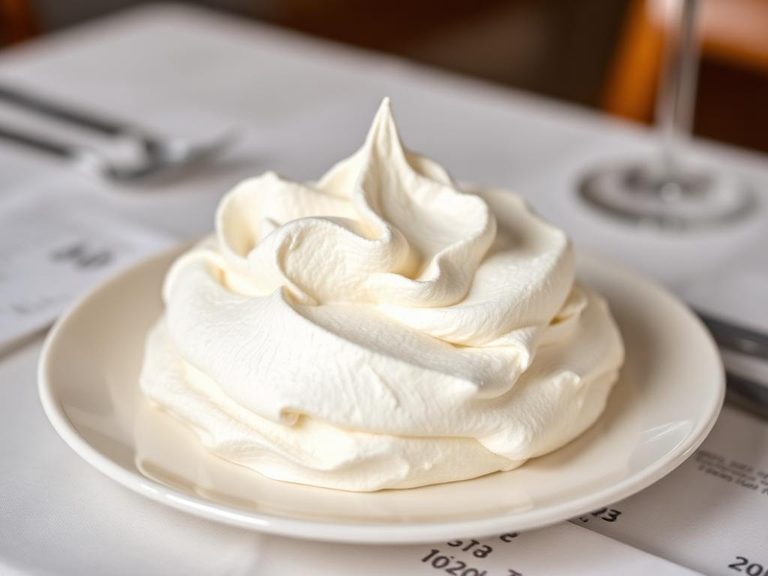
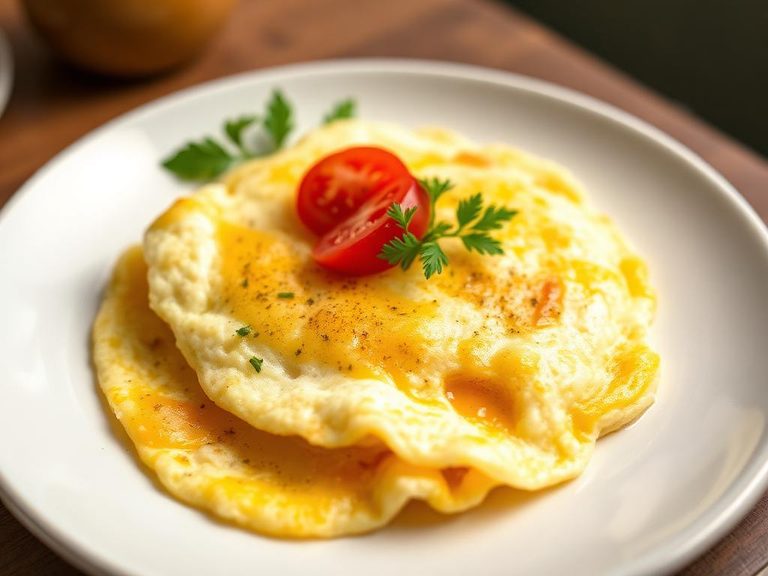

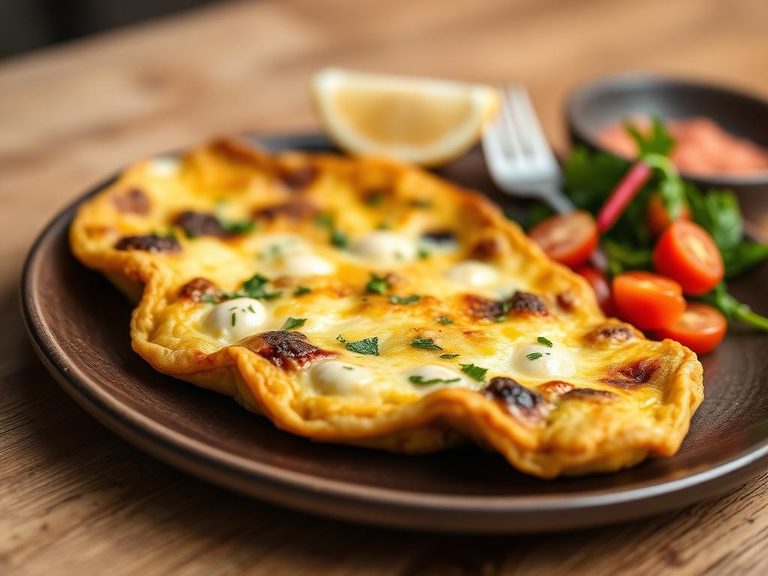

🌍 Where it's eaten
💡 Did you know?
A single large egg white can trap and hold up to nine times its volume in air when whipped, which is the physical principle behind the towering lift of meringues and soufflés.
Full nutrition (USDA data · scales with serving)
| Water | 86.0 g |
| Energy | 52.0 kcal |
| Protein | 10.7 g |
| Total lipid (fat) | 0.00 g |
| Carbohydrate, by difference | 2.4 g |
| Fiber, total dietary | 0.00 g |
| Total Sugars | 0.71 g |
| Calcium, Ca | 7.0 mg |
| Iron, Fe | 0.08 mg |
| Magnesium, Mg | 11.0 mg |
| Phosphorus, P | 15.0 mg |
| Potassium, K | 163 mg |
| Sodium, Na | 281 mg |
| Zinc, Zn | 0.03 mg |
| Copper, Cu | 0.02 mg |
| Selenium, Se | 17.8 ug |
| Vitamin C, total ascorbic acid | 0.00 mg |
| Thiamin | 0.00 mg |
| Riboflavin | 0.37 mg |
| Niacin | 0.09 mg |
| Vitamin B-6 | 0.01 mg |
| Folate, total | 3.0 ug |
| Folic acid | 0.00 ug |
| Folate, food | 3.0 ug |
| Folate, DFE | 3.0 ug |
| Choline, total | 0.90 mg |
| Vitamin B-12 | 0.07 ug |
| Vitamin B-12, added | 0.00 ug |
| Vitamin A, RAE | 0.00 ug |
| Retinol | 0.00 ug |
| Carotene, beta | 0.00 ug |
| Carotene, alpha | 0.00 ug |
| Cryptoxanthin, beta | 0.00 ug |
| Lycopene | 0.00 ug |
| Lutein + zeaxanthin | 0.00 ug |
| Vitamin E (alpha-tocopherol) | 0.00 mg |
| Vitamin E, added | 0.00 mg |
| Vitamin D (D2 + D3) | 0.00 ug |
| Vitamin K (phylloquinone) | 0.00 ug |
| Alcohol, ethyl | 0.00 g |
| Caffeine | 0.00 mg |
| Theobromine | 0.00 mg |
Fat & fatty acid profile (per 100g)
| Fatty acids, total saturated | 0.00 g |
| SFA 4:0 | 0.00 g |
| SFA 6:0 | 0.00 g |
| SFA 8:0 | 0.00 g |
| SFA 10:0 | 0.00 g |
| SFA 12:0 | 0.00 g |
| SFA 14:0 | 0.00 g |
| SFA 16:0 | 0.00 g |
| SFA 18:0 | 0.00 g |
| Fatty acids, total monounsaturated | 0.00 g |
| MUFA 16:1 | 0.00 g |
| MUFA 18:1 | 0.00 g |
| MUFA 20:1 | 0.00 g |
| MUFA 22:1 | 0.00 g |
| Fatty acids, total polyunsaturated | 0.00 g |
| PUFA 18:2 | 0.00 g |
| PUFA 18:3 | 0.00 g |
| PUFA 18:4 | 0.00 g |
| PUFA 20:4 | 0.00 g |
| PUFA 20:5 n-3 (EPA) | 0.00 g |
| PUFA 22:5 n-3 (DPA) | 0.00 g |
| PUFA 22:6 n-3 (DHA) | 0.00 g |
| Cholesterol | 0.00 mg |
Amino acid profile (per 100g)
Estimated from Fish, whitefish, eggs (Alaska Native) — USDA does not publish this profile for Egg.
| Tryptophan | 0.28 g |
| Threonine | 1.0 g |
| Isoleucine | 1.1 g |
| Leucine | 1.6 g |
| Lysine | 1.6 g |
| Methionine | 0.56 g |
| Cystine | 0.23 g |
| Phenylalanine | 0.90 g |
| Tyrosine | 0.76 g |
| Valine | 1.3 g |
| Arginine | 1.1 g |
| Histidine | 0.53 g |
| Alanine | 1.6 g |
| Aspartic acid | 1.6 g |
| Glutamic acid | 2.2 g |
| Glycine | 0.50 g |
| Proline | 1.1 g |
| Serine | 1.2 g |
FAQ
Why do some recipes say to add a pinch of salt or cream of tartar when whipping egg whites?
A small amount of acid like cream of tartar or a pinch of salt helps stabilize the protein foam, making it less likely to collapse and resulting in a more voluminous and stable meringue.
Is the protein in egg whites as good as the protein in whole eggs?
Egg white protein is a high-quality, complete protein, meaning it contains all nine essential amino acids. However, the whole egg provides a more balanced nutritional profile with healthy fats, vitamins, and minerals found in the yolk.
Can I safely eat raw or undercooked egg whites?
It is generally recommended to cook egg whites until firm to eliminate the risk of Salmonella bacteria. Using pasteurized eggs is a safer option if a recipe requires raw or lightly cooked whites.
Nutrient density (calculated · NRF9.3)
Nutrient Rich Foods index: beneficial nutrients (protein, fiber, vitamins, minerals) minus saturated fat, added sugar & sodium, per 100 kcal.
NRF9.3 index — Fulgoni, Keast & Drewnowski, 2009. Computed from USDA nutrients.
Weight-loss friendliness (composite index)
Energy density 0.52 kcal/g · 82% calories from protein · 0.0 g fiber · 0.7 g sugar per 100 g.
Composite of energy density (Rolls et al., 1999), protein & fiber satiety, minus sugar. A calculated heuristic — ranks satiety-per-calorie, not a clinical measure.
Dietary load (calculated from USDA values)
Potential renal acid load. Positive = acid-forming, negative = alkaline-forming.
Sodium-to-potassium ratio: 1.72 (lower is better — aim for ≤ 1)
Sodium:potassium per WHO potassium guidance. Computed from USDA nutrients.