

Egg substitute, omelet, scrambled, or fried, no added fat
Common food

Photo: Wikipedia
This is a light, protein-packed alternative to traditional eggs, made from plant-based or processed ingredients to mimic the texture of scrambled, fried, or omelet-style eggs without any added fat. It cooks into soft, fluffy curds or a tender patty, offering a mild, savory flavor that readily absorbs seasonings. Nutritionally, it's a standout for being virtually fat-free while delivering a significant protein punch per calorie.
Calorie split: 83% protein · 17% carbs · 0% fat
↓ Full nutrition💚 Why it's loved
People love it as a convenient, heart-healthy staple that fits seamlessly into busy mornings and calorie-conscious meal plans. Its neutral flavor makes it a blank canvas for everything from spicy stir-fries to simple breakfast scrambles.
⚠️ Watch-outs & how to enjoy it better
Some may find the texture less rich or satisfying than real eggs, and certain brands can have a noticeable processed aftertaste. It's often higher in sodium than whole eggs, so those monitoring salt intake should check labels and balance meals with fresh vegetables. For those sensitive to common additives, pairing it with fiber-rich foods like spinach or tomatoes can help mitigate any digestive discomfort.
Key benefits
- Extremely low in calories and fat
- High in protein relative to calorie content
- Cholesterol-free
- Quick and easy to prepare
- Versatile base for many dishes
🍽️ Popular dishes
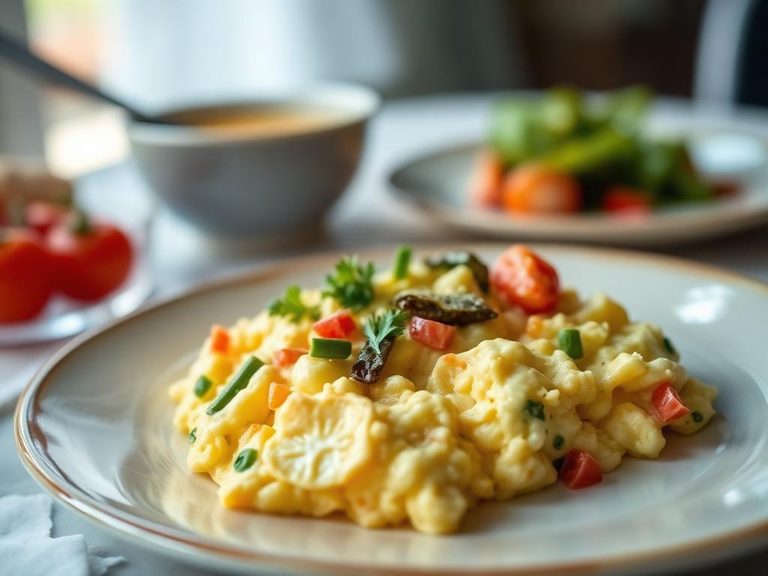
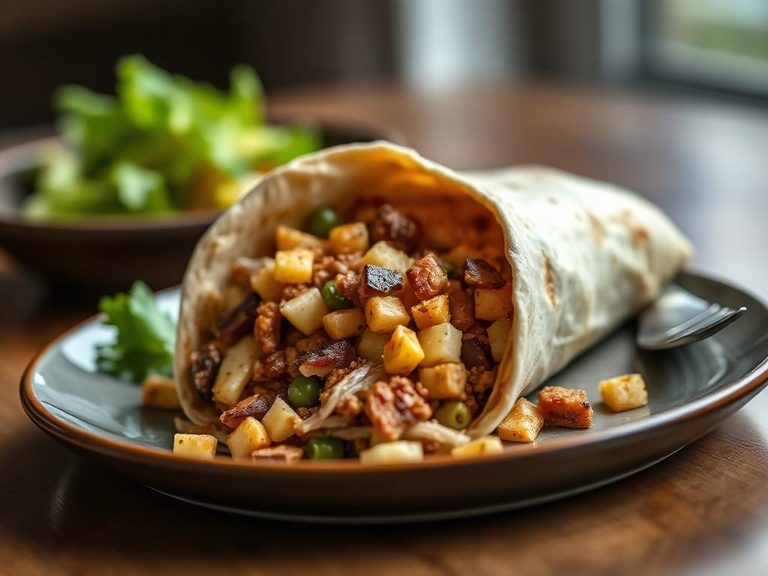

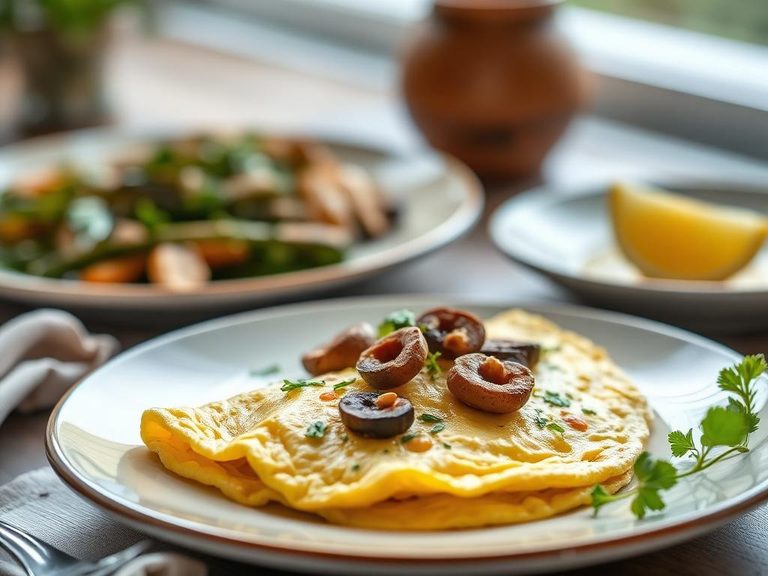
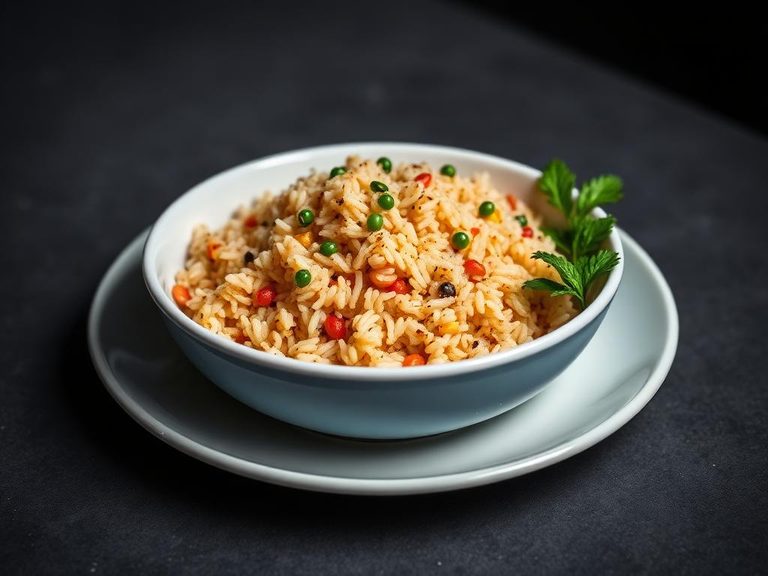
🌍 Where it's eaten
💡 Did you know?
Many commercial egg substitutes get their yellow color from plant-based pigments like beta-carotene or turmeric, not from actual egg yolks.
Full nutrition (USDA data · scales with serving)
| Water | 86.7 g |
| Energy | 48.0 kcal |
| Protein | 10.0 g |
| Total lipid (fat) | 0.00 g |
| Carbohydrate, by difference | 2.0 g |
| Fiber, total dietary | 0.00 g |
| Total Sugars | 2.0 g |
| Calcium, Ca | 73.0 mg |
| Iron, Fe | 2.0 mg |
| Magnesium, Mg | 15.0 mg |
| Phosphorus, P | 72.0 mg |
| Potassium, K | 212 mg |
| Sodium, Na | 314 mg |
| Zinc, Zn | 0.98 mg |
| Copper, Cu | 0.02 mg |
| Selenium, Se | 41.2 ug |
| Vitamin C, total ascorbic acid | 0.40 mg |
| Thiamin | 0.10 mg |
| Riboflavin | 0.37 mg |
| Niacin | 0.13 mg |
| Vitamin B-6 | 0.13 mg |
| Folate, total | 12.0 ug |
| Folic acid | 0.00 ug |
| Folate, food | 12.0 ug |
| Folate, DFE | 12.0 ug |
| Choline, total | 2.0 mg |
| Vitamin B-12 | 0.27 ug |
| Vitamin B-12, added | 0.00 ug |
| Vitamin A, RAE | 11.0 ug |
| Retinol | 0.00 ug |
| Carotene, beta | 135 ug |
| Carotene, alpha | 0.00 ug |
| Cryptoxanthin, beta | 0.00 ug |
| Lycopene | 0.00 ug |
| Lutein + zeaxanthin | 0.00 ug |
| Vitamin E (alpha-tocopherol) | 1.6 mg |
| Vitamin E, added | 0.00 mg |
| Vitamin D (D2 + D3) | 1.6 ug |
| Vitamin K (phylloquinone) | 0.20 ug |
| Alcohol, ethyl | 0.00 g |
| Caffeine | 0.00 mg |
| Theobromine | 0.00 mg |
Fat & fatty acid profile (per 100g)
| Fatty acids, total saturated | 0.00 g |
| SFA 4:0 | 0.00 g |
| SFA 6:0 | 0.00 g |
| SFA 8:0 | 0.00 g |
| SFA 10:0 | 0.00 g |
| SFA 12:0 | 0.00 g |
| SFA 14:0 | 0.00 g |
| SFA 16:0 | 0.00 g |
| SFA 18:0 | 0.00 g |
| Fatty acids, total monounsaturated | 0.00 g |
| MUFA 16:1 | 0.00 g |
| MUFA 18:1 | 0.00 g |
| MUFA 20:1 | 0.00 g |
| MUFA 22:1 | 0.00 g |
| Fatty acids, total polyunsaturated | 0.00 g |
| PUFA 18:2 | 0.00 g |
| PUFA 18:3 | 0.00 g |
| PUFA 18:4 | 0.00 g |
| PUFA 20:4 | 0.00 g |
| PUFA 20:5 n-3 (EPA) | 0.00 g |
| PUFA 22:5 n-3 (DPA) | 0.00 g |
| PUFA 22:6 n-3 (DHA) | 0.00 g |
| Cholesterol | 0.00 mg |
Amino acid profile (per 100g)
Estimated from Egg substitute, liquid or frozen, fat free — USDA does not publish this profile for Egg substitute.
| Tryptophan | 0.16 g |
| Threonine | 0.48 g |
| Isoleucine | 0.66 g |
| Leucine | 0.97 g |
| Lysine | 0.71 g |
| Methionine | 0.39 g |
| Cystine | 0.23 g |
| Phenylalanine | 0.65 g |
| Tyrosine | 0.46 g |
| Valine | 0.79 g |
| Arginine | 0.58 g |
| Histidine | 0.26 g |
| Alanine | 0.62 g |
| Aspartic acid | 0.93 g |
| Glutamic acid | 1.7 g |
| Glycine | 0.36 g |
| Proline | 0.56 g |
| Serine | 0.75 g |
FAQ
Is this the same as liquid egg whites?
No. While both are low in fat, this product is typically a complete egg substitute (often soy or pea protein-based) designed to mimic whole eggs, whereas liquid egg whites are just the separated albumen.
Can I use it in baking?
It can work in some recipes as a binder, but it's not a 1:1 substitute for whole eggs in baking, as it lacks the fat and specific emulsifying properties of yolks. Results may vary.
Why is it so low in fat?
It's formulated without the egg yolk, which contains all the fat. The fat-free claim comes from using only the protein component or plant-based ingredients and omitting any added oils.
Nutrient density (calculated · NRF9.3)
Nutrient Rich Foods index: beneficial nutrients (protein, fiber, vitamins, minerals) minus saturated fat, added sugar & sodium, per 100 kcal.
NRF9.3 index — Fulgoni, Keast & Drewnowski, 2009. Computed from USDA nutrients.
Weight-loss friendliness (composite index)
Energy density 0.48 kcal/g · 83% calories from protein · 0.0 g fiber · 2.0 g sugar per 100 g.
Composite of energy density (Rolls et al., 1999), protein & fiber satiety, minus sugar. A calculated heuristic — ranks satiety-per-calorie, not a clinical measure.
Dietary load (calculated from USDA values)
Potential renal acid load. Positive = acid-forming, negative = alkaline-forming.
Sodium-to-potassium ratio: 1.48 (lower is better — aim for ≤ 1)
Sodium:potassium per WHO potassium guidance. Computed from USDA nutrients.