

Egg substitute, omelet, scrambled, or fried, with vegetables
Common food

Photo: Wikipedia
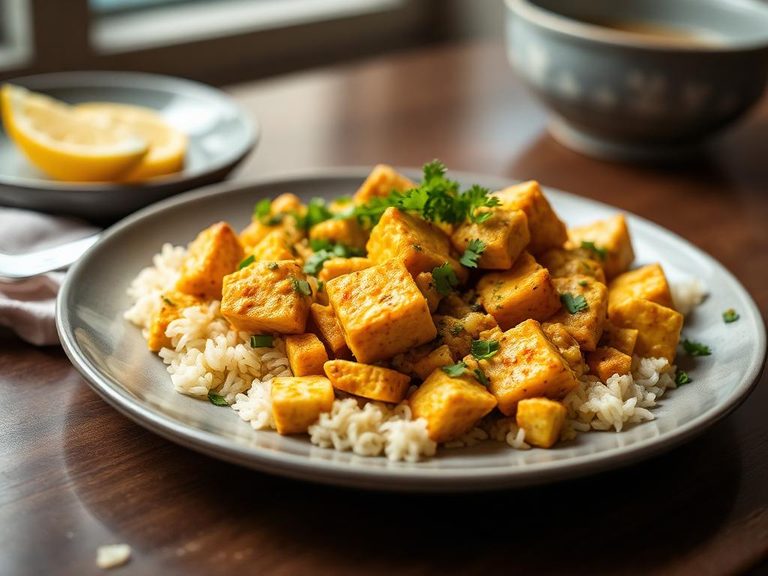
This is a plant-based or egg-white alternative cooked into a fluffy, tender scramble or patty, often loaded with colorful bell peppers, onions, and spinach. It offers a mild, savory base that readily absorbs spices like turmeric or black salt for a convincing eggy flavor. Nutritionally, it's a lean powerhouse, delivering over 8.5 grams of protein per 100g for under 90 calories.
Calorie split: 39% protein · 10% carbs · 52% fat
↓ Full nutrition💚 Why it's loved
People love it for its incredible versatility—it can be seasoned to mimic traditional eggs or loaded with vegetables for a nutrient-dense meal. It’s a staple in health-conscious and plant-based diets, offering a satisfying, savory breakfast without the cholesterol.
⚠️ Watch-outs & how to enjoy it better
Some commercial egg substitutes can be high in sodium or contain common allergens like soy or wheat. To counteract this, choose low-sodium varieties and pair with potassium-rich vegetables like spinach or avocado to balance electrolytes.
Key benefits
- High protein-to-calorie ratio for muscle maintenance
- Very low carbohydrate and sugar content
- Naturally cholesterol-free
- Quick-cooking and versatile for meal prep
🍽️ Popular dishes
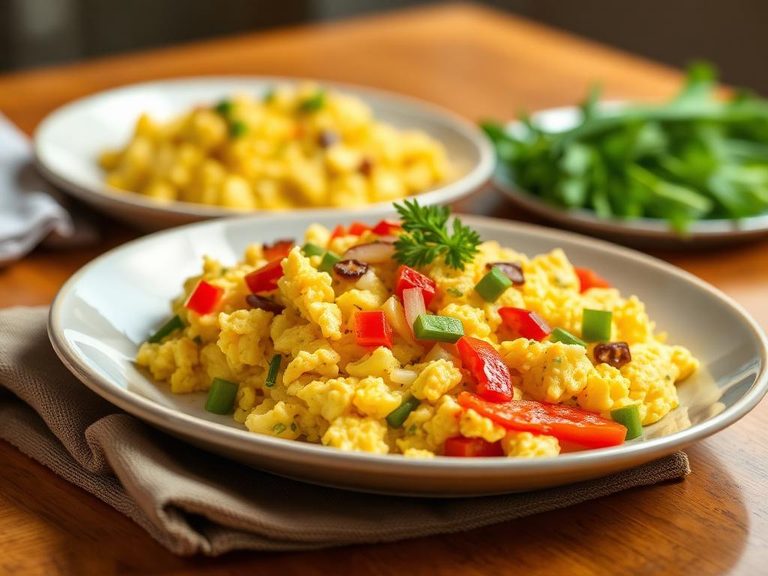
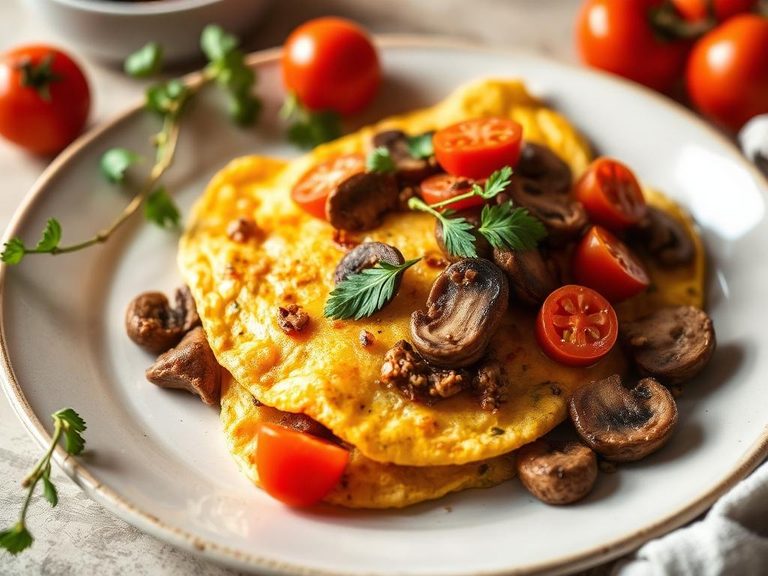
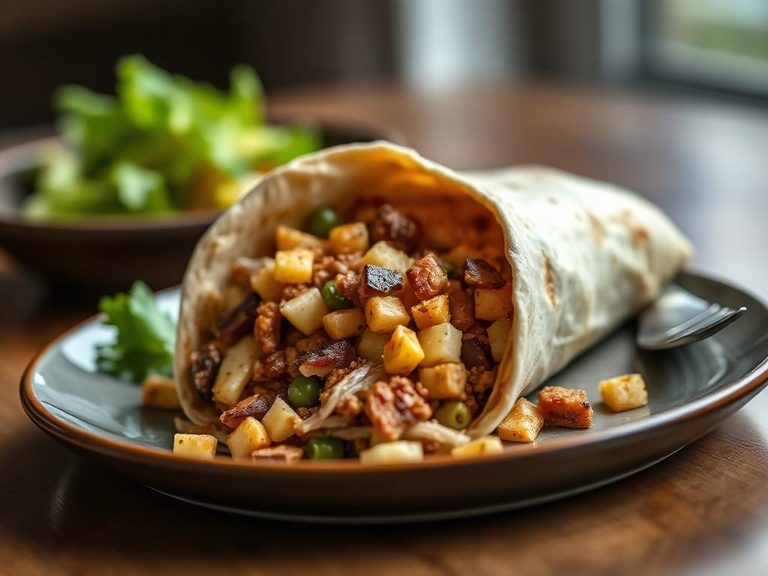
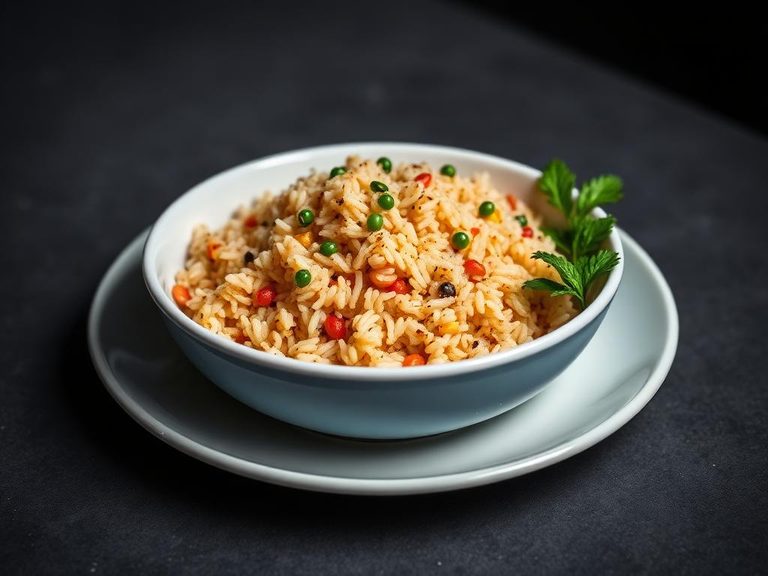

🌍 Where it's eaten
💡 Did you know?
Many commercial egg substitutes are made from mung bean protein, which can be processed to have a remarkably similar texture and color to real scrambled eggs when cooked.
Full nutrition (USDA data · scales with serving)
| Water | 82.9 g |
| Energy | 89.0 kcal |
| Protein | 8.6 g |
| Total lipid (fat) | 5.1 g |
| Carbohydrate, by difference | 2.2 g |
| Fiber, total dietary | 0.20 g |
| Total Sugars | 1.8 g |
| Calcium, Ca | 68.0 mg |
| Iron, Fe | 1.8 mg |
| Magnesium, Mg | 22.0 mg |
| Phosphorus, P | 65.0 mg |
| Potassium, K | 230 mg |
| Sodium, Na | 286 mg |
| Zinc, Zn | 0.86 mg |
| Copper, Cu | 0.03 mg |
| Selenium, Se | 33.8 ug |
| Vitamin C, total ascorbic acid | 4.6 mg |
| Thiamin | 0.09 mg |
| Riboflavin | 0.32 mg |
| Niacin | 0.17 mg |
| Vitamin B-6 | 0.16 mg |
| Folate, total | 20.0 ug |
| Folic acid | 0.00 ug |
| Folate, food | 20.0 ug |
| Folate, DFE | 20.0 ug |
| Choline, total | 4.5 mg |
| Vitamin B-12 | 0.22 ug |
| Vitamin B-12, added | 0.00 ug |
| Vitamin A, RAE | 61.0 ug |
| Retinol | 22.0 ug |
| Carotene, beta | 475 ug |
| Carotene, alpha | 0.00 ug |
| Cryptoxanthin, beta | 1.0 ug |
| Lycopene | 0.00 ug |
| Lutein + zeaxanthin | 776 ug |
| Vitamin E (alpha-tocopherol) | 2.3 mg |
| Vitamin E, added | 0.00 mg |
| Vitamin D (D2 + D3) | 1.4 ug |
| Vitamin K (phylloquinone) | 55.1 ug |
| Alcohol, ethyl | 0.00 g |
| Caffeine | 0.00 mg |
| Theobromine | 0.00 mg |
Fat & fatty acid profile (per 100g)
| Fatty acids, total saturated | 1.3 g |
| SFA 4:0 | 0.04 g |
| SFA 6:0 | 0.03 g |
| SFA 8:0 | 0.01 g |
| SFA 10:0 | 0.03 g |
| SFA 12:0 | 0.04 g |
| SFA 14:0 | 0.13 g |
| SFA 16:0 | 0.72 g |
| SFA 18:0 | 0.27 g |
| Fatty acids, total monounsaturated | 1.8 g |
| MUFA 16:1 | 0.03 g |
| MUFA 18:1 | 1.7 g |
| MUFA 20:1 | 0.02 g |
| MUFA 22:1 | 0.00 g |
| Fatty acids, total polyunsaturated | 1.5 g |
| PUFA 18:2 | 1.3 g |
| PUFA 18:3 | 0.17 g |
| PUFA 18:4 | 0.00 g |
| PUFA 20:4 | 0.00 g |
| PUFA 20:5 n-3 (EPA) | 0.00 g |
| PUFA 22:5 n-3 (DPA) | 0.00 g |
| PUFA 22:6 n-3 (DHA) | 0.00 g |
| Cholesterol | 4.0 mg |
Amino acid profile (per 100g)
Estimated from Egg substitute, liquid or frozen, fat free — USDA does not publish this profile for Egg substitute.
| Tryptophan | 0.16 g |
| Threonine | 0.48 g |
| Isoleucine | 0.66 g |
| Leucine | 0.97 g |
| Lysine | 0.71 g |
| Methionine | 0.39 g |
| Cystine | 0.23 g |
| Phenylalanine | 0.65 g |
| Tyrosine | 0.46 g |
| Valine | 0.79 g |
| Arginine | 0.58 g |
| Histidine | 0.26 g |
| Alanine | 0.62 g |
| Aspartic acid | 0.93 g |
| Glutamic acid | 1.7 g |
| Glycine | 0.36 g |
| Proline | 0.56 g |
| Serine | 0.75 g |
FAQ
Is this a good option for people with egg allergies?
Yes, it's designed as an egg alternative, but always check the label for common allergens like soy, wheat, or dairy that might be used in the formulation.
How does the protein content compare to real eggs?
It's very comparable. Per 100g, this substitute has about 8.5g of protein, while a whole chicken egg has roughly 13g. However, the substitute is often lower in calories and fat.
Can I use this in baking?
Some egg substitutes work in baking, but this specific product is formulated for cooking methods like scrambling or frying. For baking, you might need a different binder.
Nutrient density (calculated · NRF9.3)
Nutrient Rich Foods index: beneficial nutrients (protein, fiber, vitamins, minerals) minus saturated fat, added sugar & sodium, per 100 kcal.
NRF9.3 index — Fulgoni, Keast & Drewnowski, 2009. Computed from USDA nutrients.
Weight-loss friendliness (composite index)
Energy density 0.89 kcal/g · 38% calories from protein · 0.2 g fiber · 1.8 g sugar per 100 g.
Composite of energy density (Rolls et al., 1999), protein & fiber satiety, minus sugar. A calculated heuristic — ranks satiety-per-calorie, not a clinical measure.
Dietary load (calculated from USDA values)
Potential renal acid load. Positive = acid-forming, negative = alkaline-forming.
Sodium-to-potassium ratio: 1.24 (lower is better — aim for ≤ 1)
Sodium:potassium per WHO potassium guidance. Computed from USDA nutrients.