

Egg substitute, omelet, scrambled, or fried, with cheese and vegetables
Common food

Photo: Wikipedia
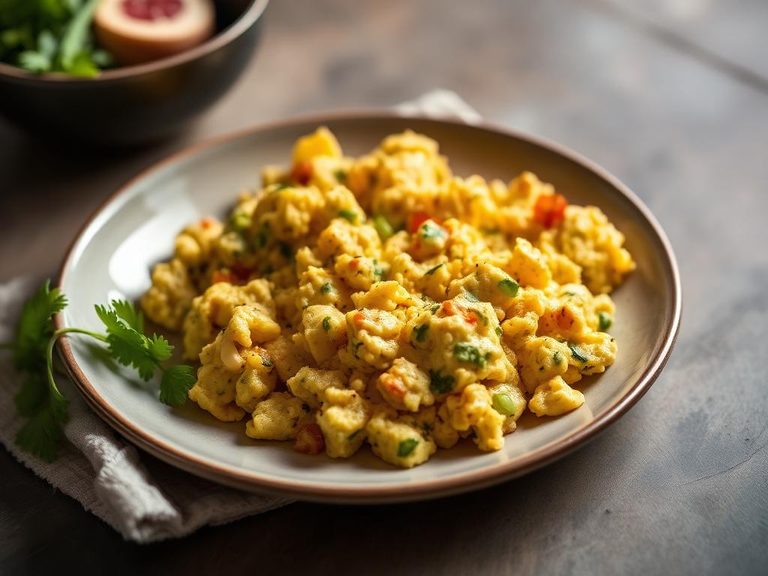
This is a plant-based, egg-free scramble that mimics the texture of soft, fluffy curds, often made from soy or pea protein, and cooked with melted cheese and diced vegetables like bell peppers and onions. It has a savory, slightly salty flavor with a tender, moist mouthfeel, and it's a protein-rich, low-carb option at just 118 calories per 100g. The nutritional profile is lean, with nearly 10g of protein and minimal sugar, making it a satisfying, nutrient-dense meal.
Calorie split: 33% protein · 8% carbs · 58% fat
↓ Full nutrition💚 Why it's loved
People love it for its convenience and versatility—it cooks in minutes, absorbs spices well, and can be customized with any veggies or cheeses. It's a staple in vegan and vegetarian diets, offering a familiar, comforting texture that feels like a traditional breakfast without the eggs.
⚠️ Watch-outs & how to enjoy it better
Some may find the texture slightly spongy or less rich than real eggs, and it can be high in sodium if pre-seasoned, which may affect blood pressure. To counteract, choose low-sodium varieties, pair with fresh vegetables for fiber, and control portion sizes to avoid overconsumption of added fats or salts.
Key benefits
- High in protein (9.85g per 100g) for muscle maintenance
- Low in carbohydrates (2.51g) and sugar (1.9g) for steady energy
- Good source of fat (7.64g) for satiety and nutrient absorption
- Low in calories (118 kcal) for weight management
- Often fortified with vitamins like B12 and iron in plant-based versions
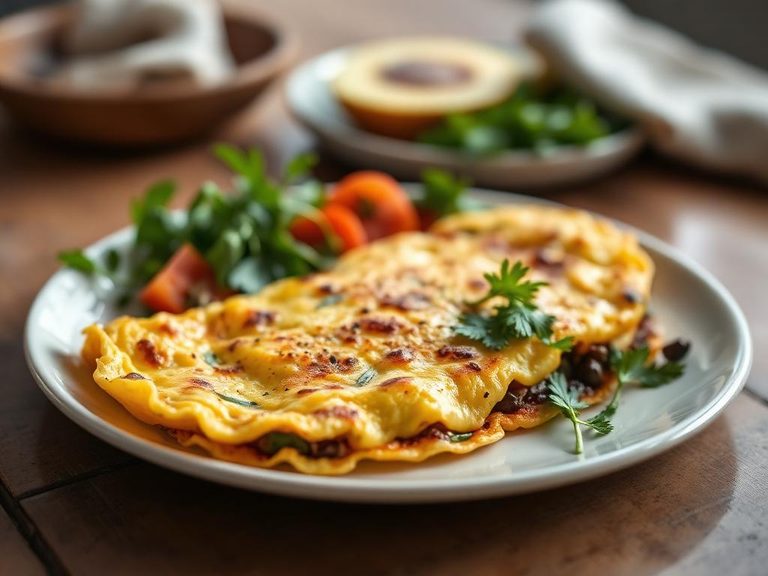
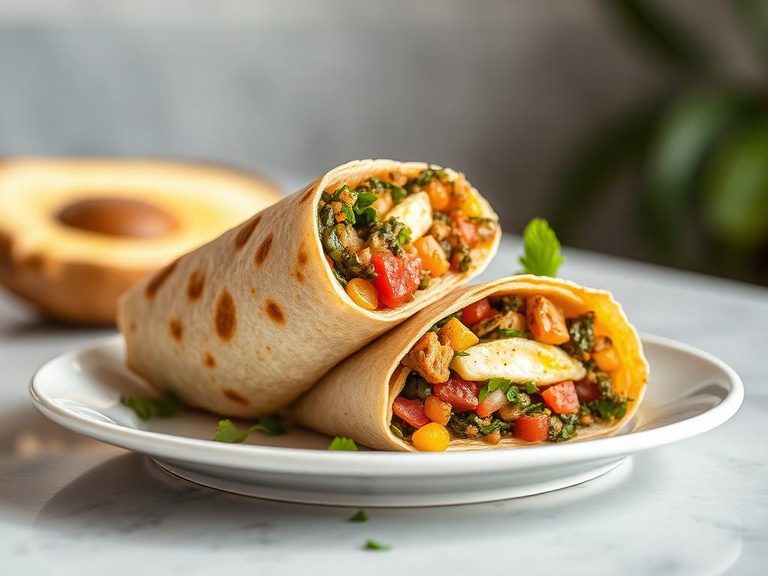
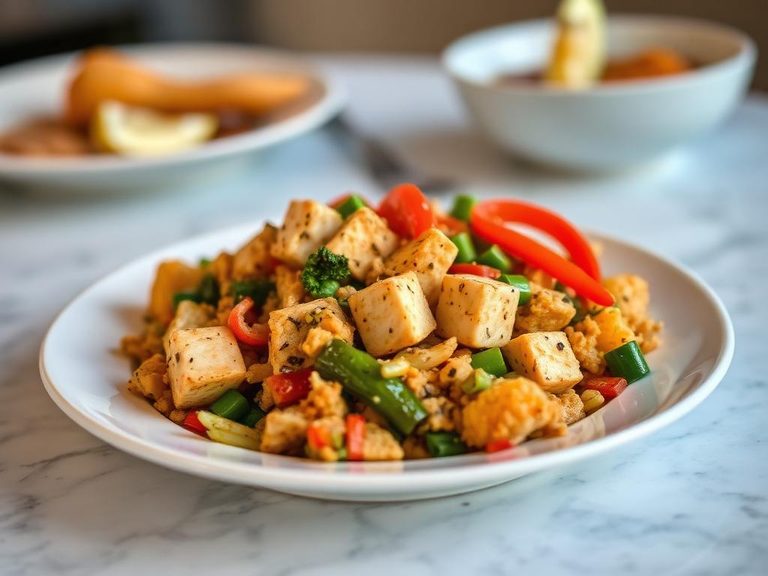
🍽️ Popular dishes
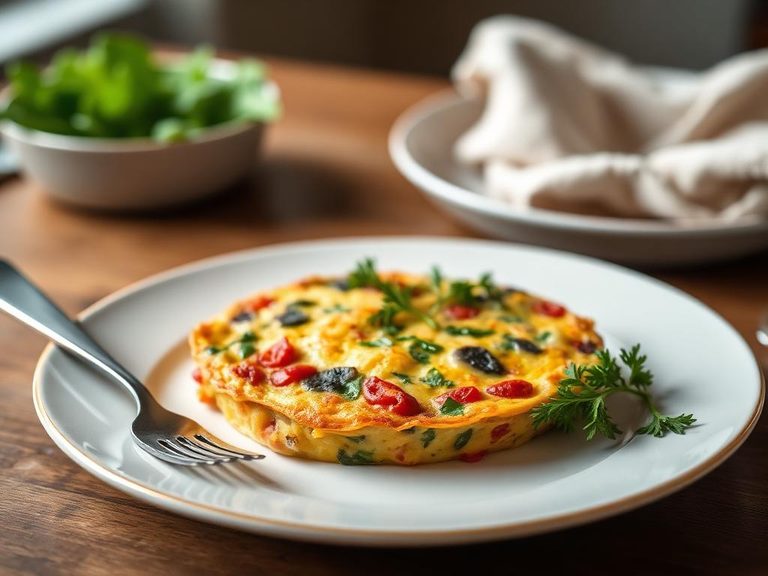
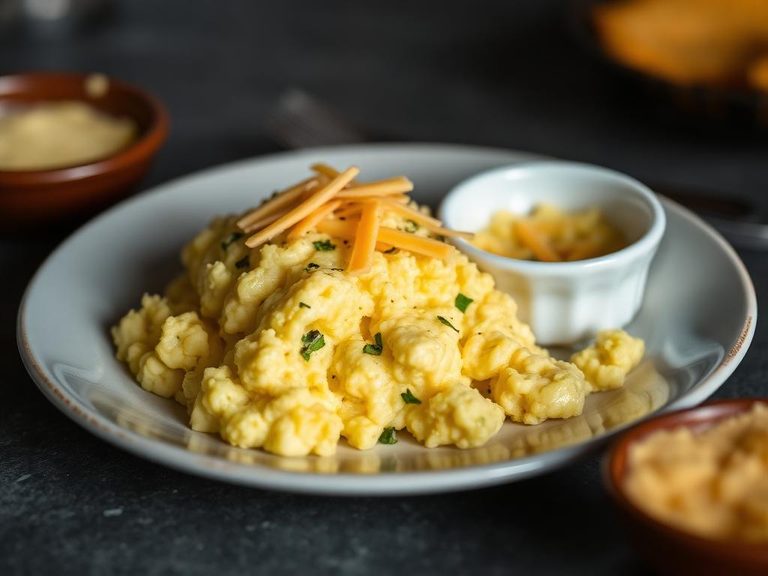
🌍 Where it's eaten
💡 Did you know?
The first commercial egg substitute, 'Egg Beaters,' was introduced in the 1970s and was originally made from egg whites, but modern versions often use pea protein or soy to mimic the full egg experience.
Full nutrition (USDA data · scales with serving)
| Water | 78.3 g |
| Energy | 118 kcal |
| Protein | 9.8 g |
| Total lipid (fat) | 7.6 g |
| Carbohydrate, by difference | 2.5 g |
| Fiber, total dietary | 0.20 g |
| Total Sugars | 1.9 g |
| Calcium, Ca | 159 mg |
| Iron, Fe | 1.6 mg |
| Magnesium, Mg | 23.0 mg |
| Phosphorus, P | 122 mg |
| Potassium, K | 222 mg |
| Sodium, Na | 365 mg |
| Zinc, Zn | 1.1 mg |
| Copper, Cu | 0.03 mg |
| Selenium, Se | 32.6 ug |
| Vitamin C, total ascorbic acid | 4.1 mg |
| Thiamin | 0.08 mg |
| Riboflavin | 0.33 mg |
| Niacin | 0.16 mg |
| Vitamin B-6 | 0.15 mg |
| Folate, total | 19.0 ug |
| Folic acid | 0.00 ug |
| Folate, food | 19.0 ug |
| Folate, DFE | 19.0 ug |
| Choline, total | 6.3 mg |
| Vitamin B-12 | 0.36 ug |
| Vitamin B-12, added | 0.00 ug |
| Vitamin A, RAE | 84.0 ug |
| Retinol | 48.0 ug |
| Carotene, beta | 432 ug |
| Carotene, alpha | 0.00 ug |
| Cryptoxanthin, beta | 2.0 ug |
| Lycopene | 0.00 ug |
| Lutein + zeaxanthin | 693 ug |
| Vitamin E (alpha-tocopherol) | 2.1 mg |
| Vitamin E, added | 0.00 mg |
| Vitamin D (D2 + D3) | 1.6 ug |
| Vitamin K (phylloquinone) | 49.3 ug |
| Alcohol, ethyl | 0.00 g |
| Caffeine | 0.00 mg |
| Theobromine | 0.00 mg |
Fat & fatty acid profile (per 100g)
| Fatty acids, total saturated | 3.0 g |
| SFA 4:0 | 0.10 g |
| SFA 6:0 | 0.07 g |
| SFA 8:0 | 0.04 g |
| SFA 10:0 | 0.11 g |
| SFA 12:0 | 0.13 g |
| SFA 14:0 | 0.40 g |
| SFA 16:0 | 1.5 g |
| SFA 18:0 | 0.55 g |
| Fatty acids, total monounsaturated | 2.3 g |
| MUFA 16:1 | 0.08 g |
| MUFA 18:1 | 2.2 g |
| MUFA 20:1 | 0.03 g |
| MUFA 22:1 | 0.00 g |
| Fatty acids, total polyunsaturated | 1.4 g |
| PUFA 18:2 | 1.2 g |
| PUFA 18:3 | 0.17 g |
| PUFA 18:4 | 0.00 g |
| PUFA 20:4 | 0.01 g |
| PUFA 20:5 n-3 (EPA) | 0.00 g |
| PUFA 22:5 n-3 (DPA) | 0.00 g |
| PUFA 22:6 n-3 (DHA) | 0.00 g |
| Cholesterol | 13.0 mg |
Amino acid profile (per 100g)
Estimated from Egg substitute, liquid or frozen, fat free — USDA does not publish this profile for Egg substitute.
| Tryptophan | 0.16 g |
| Threonine | 0.48 g |
| Isoleucine | 0.66 g |
| Leucine | 0.97 g |
| Lysine | 0.71 g |
| Methionine | 0.39 g |
| Cystine | 0.23 g |
| Phenylalanine | 0.65 g |
| Tyrosine | 0.46 g |
| Valine | 0.79 g |
| Arginine | 0.58 g |
| Histidine | 0.26 g |
| Alanine | 0.62 g |
| Aspartic acid | 0.93 g |
| Glutamic acid | 1.7 g |
| Glycine | 0.36 g |
| Proline | 0.56 g |
| Serine | 0.75 g |
FAQ
Is this a good source of protein for vegetarians?
Yes, with 9.85g of protein per 100g, it provides a substantial amount of plant-based protein, especially when combined with cheese or other protein-rich ingredients.
Can I use this in recipes that call for eggs?
Absolutely—it works well in omelets, scrambles, and frittatas, though it may not bind as effectively in baking without additional binders like flaxseed or cornstarch.
How does the nutrition compare to real eggs?
It's lower in cholesterol and calories, with similar protein but less fat than whole eggs; however, it may lack some natural nutrients like choline found in real eggs.
Nutrient density (calculated · NRF9.3)
Nutrient Rich Foods index: beneficial nutrients (protein, fiber, vitamins, minerals) minus saturated fat, added sugar & sodium, per 100 kcal.
NRF9.3 index — Fulgoni, Keast & Drewnowski, 2009. Computed from USDA nutrients.
Weight-loss friendliness (composite index)
Energy density 1.18 kcal/g · 33% calories from protein · 0.2 g fiber · 1.9 g sugar per 100 g.
Composite of energy density (Rolls et al., 1999), protein & fiber satiety, minus sugar. A calculated heuristic — ranks satiety-per-calorie, not a clinical measure.
Dietary load (calculated from USDA values)
Potential renal acid load. Positive = acid-forming, negative = alkaline-forming.
Sodium-to-potassium ratio: 1.64 (lower is better — aim for ≤ 1)
Sodium:potassium per WHO potassium guidance. Computed from USDA nutrients.