

Egg substitute, omelet, scrambled, or fried, fat added
Common food

Photo: Wikipedia
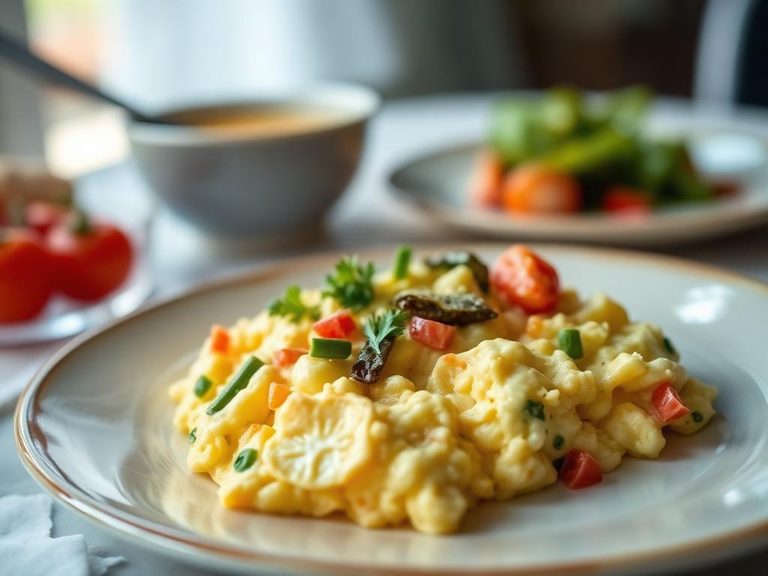
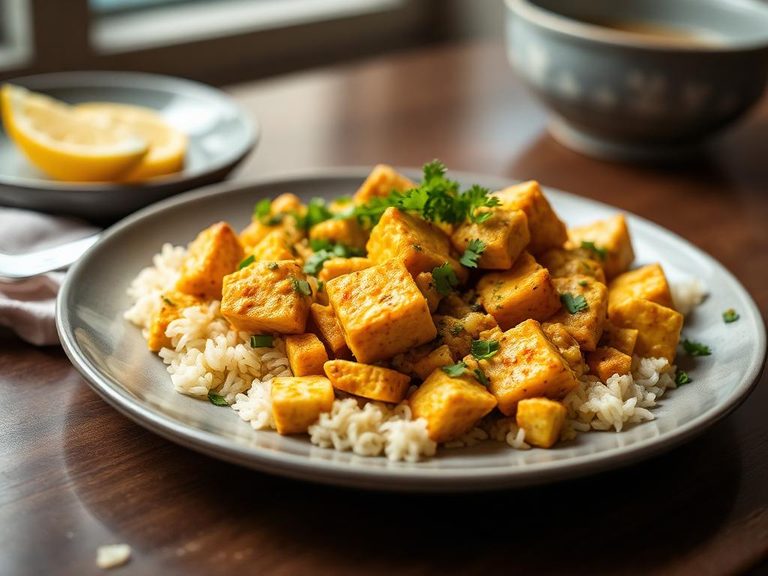
This is a versatile, plant-based or hybrid egg alternative designed to mimic the fluffy, tender texture of scrambled or fried eggs. It has a mild, savory, and slightly eggy flavor, often with a clean finish, and is prized for its ability to absorb seasonings. Nutritionally, it's a lean protein source with minimal carbs and fats, making it a light yet satisfying base.
Calorie split: 39% protein · 8% carbs · 53% fat
↓ Full nutrition💚 Why it's loved
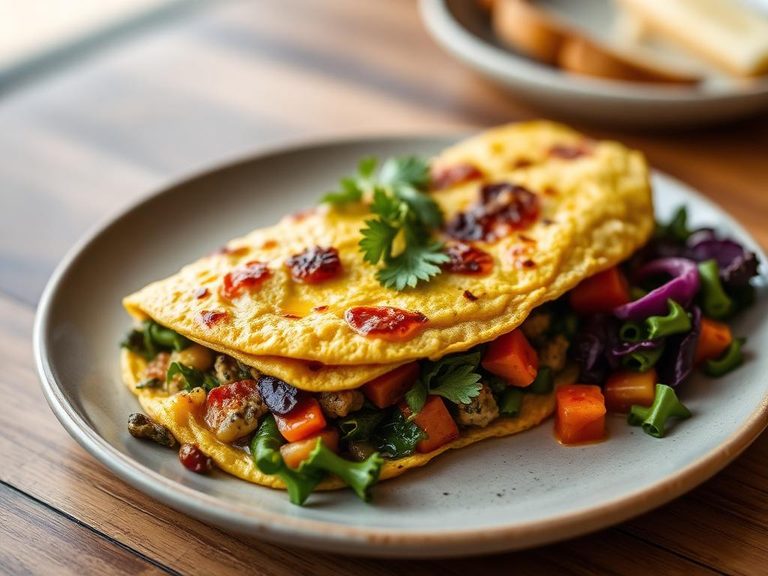
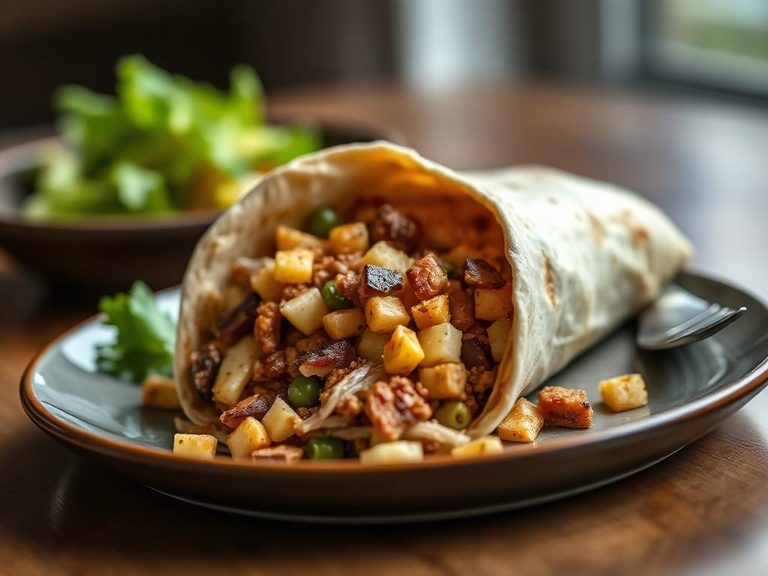
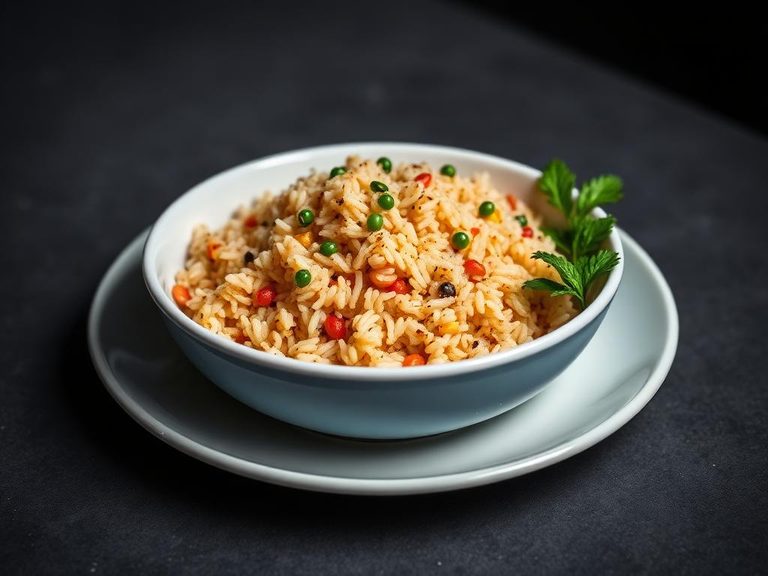
People love it for its incredible versatility—it can be seasoned simply for a classic breakfast or loaded with vegetables and spices for a hearty meal. It's a staple in health-conscious and plant-based diets for its ability to replicate a comfort food without the animal products.
⚠️ Watch-outs & how to enjoy it better
Some versions can have a slightly processed or beany aftertaste, and the texture may not perfectly match real eggs for purists. Those watching sodium should check labels, as some brands are high in salt. To counteract this, rinse the product if it's in brine, pair it with fresh herbs and spices instead of salt, and choose low-sodium varieties.
Key benefits
- High in protein relative to calories
- Low in carbohydrates and sugar
- Cholesterol-free option
- Quick-cooking and convenient
- Adaptable to many dietary needs
🍽️ Popular dishes
🌍 Where it's eaten
💡 Did you know?
Many commercial egg substitutes get their yellow color from turmeric or annatto, not egg yolks, and their binding power often comes from starches like potato or tapioca.
Full nutrition (USDA data · scales with serving)
| Water | 81.8 g |
| Energy | 96.0 kcal |
| Protein | 9.3 g |
| Total lipid (fat) | 5.7 g |
| Carbohydrate, by difference | 1.9 g |
| Fiber, total dietary | 0.00 g |
| Total Sugars | 1.9 g |
| Calcium, Ca | 69.0 mg |
| Iron, Fe | 1.9 mg |
| Magnesium, Mg | 14.0 mg |
| Phosphorus, P | 68.0 mg |
| Potassium, K | 199 mg |
| Sodium, Na | 313 mg |
| Zinc, Zn | 0.92 mg |
| Copper, Cu | 0.02 mg |
| Selenium, Se | 38.5 ug |
| Vitamin C, total ascorbic acid | 0.40 mg |
| Thiamin | 0.09 mg |
| Riboflavin | 0.34 mg |
| Niacin | 0.12 mg |
| Vitamin B-6 | 0.15 mg |
| Folate, total | 11.0 ug |
| Folic acid | 0.00 ug |
| Folate, food | 11.0 ug |
| Folate, DFE | 11.0 ug |
| Choline, total | 2.4 mg |
| Vitamin B-12 | 0.25 ug |
| Vitamin B-12, added | 0.00 ug |
| Vitamin A, RAE | 36.0 ug |
| Retinol | 25.0 ug |
| Carotene, beta | 137 ug |
| Carotene, alpha | 0.00 ug |
| Cryptoxanthin, beta | 0.00 ug |
| Lycopene | 0.00 ug |
| Lutein + zeaxanthin | 0.00 ug |
| Vitamin E (alpha-tocopherol) | 2.3 mg |
| Vitamin E, added | 0.00 mg |
| Vitamin D (D2 + D3) | 1.5 ug |
| Vitamin K (phylloquinone) | 4.9 ug |
| Alcohol, ethyl | 0.00 g |
| Caffeine | 0.00 mg |
| Theobromine | 0.00 mg |
Fat & fatty acid profile (per 100g)
| Fatty acids, total saturated | 1.5 g |
| SFA 4:0 | 0.04 g |
| SFA 6:0 | 0.03 g |
| SFA 8:0 | 0.02 g |
| SFA 10:0 | 0.04 g |
| SFA 12:0 | 0.04 g |
| SFA 14:0 | 0.14 g |
| SFA 16:0 | 0.82 g |
| SFA 18:0 | 0.31 g |
| Fatty acids, total monounsaturated | 2.0 g |
| MUFA 16:1 | 0.03 g |
| MUFA 18:1 | 2.0 g |
| MUFA 20:1 | 0.03 g |
| MUFA 22:1 | 0.00 g |
| Fatty acids, total polyunsaturated | 1.6 g |
| PUFA 18:2 | 1.5 g |
| PUFA 18:3 | 0.18 g |
| PUFA 18:4 | 0.00 g |
| PUFA 20:4 | 0.00 g |
| PUFA 20:5 n-3 (EPA) | 0.00 g |
| PUFA 22:5 n-3 (DPA) | 0.00 g |
| PUFA 22:6 n-3 (DHA) | 0.00 g |
| Cholesterol | 5.0 mg |
Amino acid profile (per 100g)
Estimated from Egg substitute, liquid or frozen, fat free — USDA does not publish this profile for Egg substitute.
| Tryptophan | 0.16 g |
| Threonine | 0.48 g |
| Isoleucine | 0.66 g |
| Leucine | 0.97 g |
| Lysine | 0.71 g |
| Methionine | 0.39 g |
| Cystine | 0.23 g |
| Phenylalanine | 0.65 g |
| Tyrosine | 0.46 g |
| Valine | 0.79 g |
| Arginine | 0.58 g |
| Histidine | 0.26 g |
| Alanine | 0.62 g |
| Aspartic acid | 0.93 g |
| Glutamic acid | 1.7 g |
| Glycine | 0.36 g |
| Proline | 0.56 g |
| Serine | 0.75 g |
FAQ
How does the nutrition compare to a real chicken egg?
Per 100g, this substitute has slightly fewer calories (96 vs. 155) and fat (5.7g vs. 11g), similar protein (9.3g vs. 13g), and is cholesterol-free. Real eggs have more vitamins like B12 and choline.
Can I use it in baking as a 1:1 replacement for eggs?
It depends on the recipe. It works well in quiches, frittatas, or scrambles where egg is the main ingredient, but for baking (like cakes), you may need to adjust liquids and use a specific egg replacer, as it lacks the full binding and leavening properties of a raw egg.
What are the most common ingredients in these substitutes?
Popular bases include soy protein isolate, pea protein, mung bean protein, or potato starch. They are often fortified with vitamins and minerals to match egg nutrition.
Nutrient density (calculated · NRF9.3)
Nutrient Rich Foods index: beneficial nutrients (protein, fiber, vitamins, minerals) minus saturated fat, added sugar & sodium, per 100 kcal.
NRF9.3 index — Fulgoni, Keast & Drewnowski, 2009. Computed from USDA nutrients.
Weight-loss friendliness (composite index)
Energy density 0.96 kcal/g · 39% calories from protein · 0.0 g fiber · 1.9 g sugar per 100 g.
Composite of energy density (Rolls et al., 1999), protein & fiber satiety, minus sugar. A calculated heuristic — ranks satiety-per-calorie, not a clinical measure.
Dietary load (calculated from USDA values)
Potential renal acid load. Positive = acid-forming, negative = alkaline-forming.
Sodium-to-potassium ratio: 1.57 (lower is better — aim for ≤ 1)
Sodium:potassium per WHO potassium guidance. Computed from USDA nutrients.