

Egg omelet or scrambled egg, with vegetables other than dark green and/or tomatoes, no added fat
Common food

Photo: Wikipedia
This is a light, fluffy egg omelet or scrambled egg dish, studded with colorful, tender-crisp vegetables like bell peppers, onions, or mushrooms, cooked without any added fat. The texture is soft and custardy, with the vegetables providing a fresh, sweet contrast to the rich egg. It's a high-protein, low-carb meal that delivers substantial nutrition in a simple package.
Calorie split: 35% protein · 5% carbs · 61% fat
↓ Full nutrition💚 Why it's loved
People love this dish for its incredible versatility—it's a blank canvas for whatever vegetables are on hand, making it a perfect quick breakfast, lunch, or light dinner. The comforting, familiar flavor of eggs paired with fresh veggies feels both nourishing and satisfying.
⚠️ Watch-outs & how to enjoy it better
The primary caution is for those with egg allergies, as eggs are a common allergen. To counteract, ensure a safe alternative protein source is used. For individuals monitoring cholesterol, while dietary guidelines have relaxed, moderation is still wise; pairing with extra vegetables and whole grains can create a more balanced meal.
Key benefits
- Excellent source of high-quality protein for muscle maintenance
- Very low in carbohydrates, suitable for low-carb diets
- Provides essential vitamins like B12 and riboflavin from eggs
- Vegetables add fiber and micronutrients without significant calories
- Naturally gluten-free and grain-free
🍽️ Popular dishes

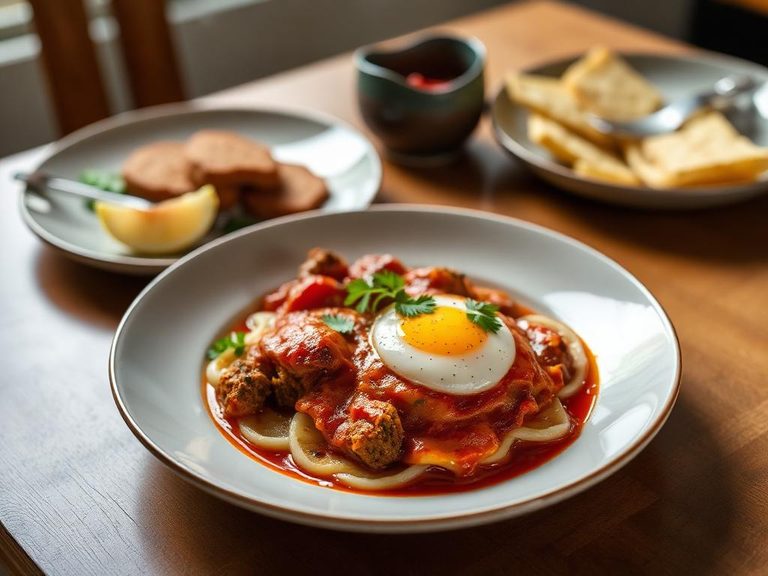
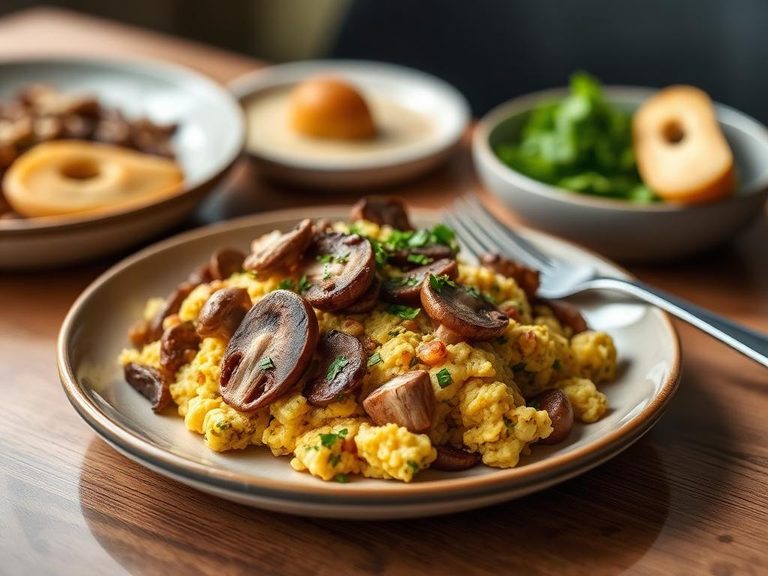

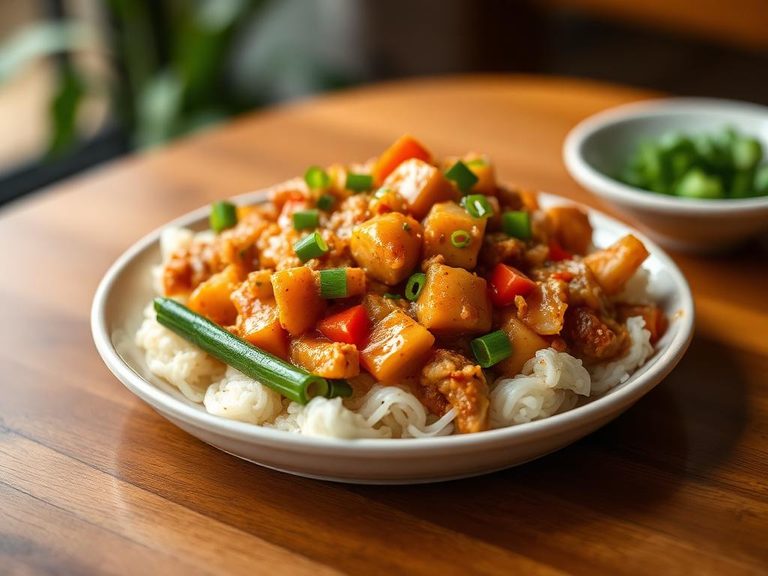
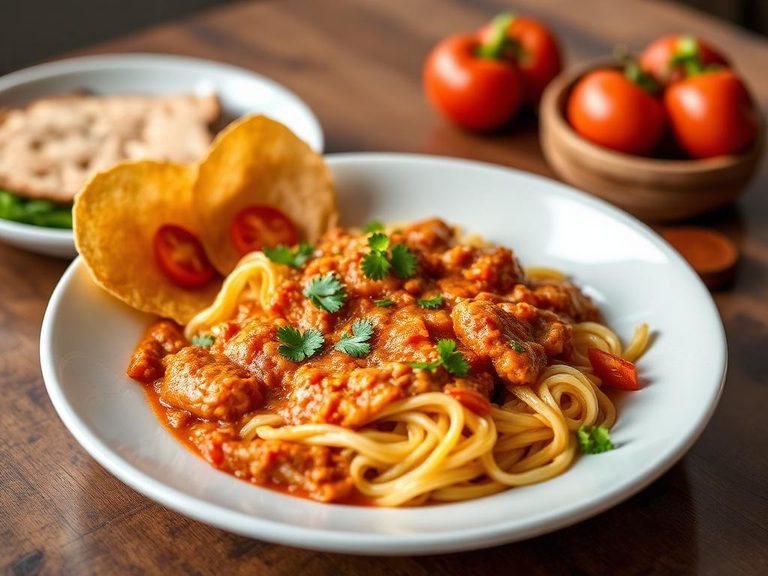
🌍 Where it's eaten
💡 Did you know?
The protein in eggs is considered the 'gold standard' for bioavailability, meaning your body can absorb and utilize it more efficiently than protein from almost any other food source.
Full nutrition (USDA data · scales with serving)
| Water | 77.4 g |
| Energy | 129 kcal |
| Protein | 11.2 g |
| Total lipid (fat) | 8.7 g |
| Carbohydrate, by difference | 1.6 g |
| Fiber, total dietary | 0.30 g |
| Total Sugars | 0.53 g |
| Calcium, Ca | 43.0 mg |
| Iron, Fe | 1.5 mg |
| Magnesium, Mg | 11.0 mg |
| Phosphorus, P | 173 mg |
| Potassium, K | 169 mg |
| Sodium, Na | 213 mg |
| Zinc, Zn | 1.1 mg |
| Copper, Cu | 0.05 mg |
| Selenium, Se | 29.6 ug |
| Vitamin C, total ascorbic acid | 0.90 mg |
| Thiamin | 0.06 mg |
| Riboflavin | 0.41 mg |
| Niacin | 0.52 mg |
| Vitamin B-6 | 0.07 mg |
| Folate, total | 51.0 ug |
| Folic acid | 0.00 ug |
| Folate, food | 51.0 ug |
| Folate, DFE | 51.0 ug |
| Choline, total | 235 mg |
| Vitamin B-12 | 0.71 ug |
| Vitamin B-12, added | 0.00 ug |
| Vitamin A, RAE | 156 ug |
| Retinol | 155 ug |
| Carotene, beta | 1.0 ug |
| Carotene, alpha | 0.00 ug |
| Cryptoxanthin, beta | 11.0 ug |
| Lycopene | 0.00 ug |
| Lutein + zeaxanthin | 439 ug |
| Vitamin E (alpha-tocopherol) | 0.92 mg |
| Vitamin E, added | 0.00 mg |
| Vitamin D (D2 + D3) | 2.2 ug |
| Vitamin K (phylloquinone) | 0.30 ug |
| Alcohol, ethyl | 0.00 g |
| Caffeine | 0.00 mg |
| Theobromine | 0.00 mg |
Fat & fatty acid profile (per 100g)
| Fatty acids, total saturated | 2.8 g |
| SFA 4:0 | 0.00 g |
| SFA 6:0 | 0.00 g |
| SFA 8:0 | 0.00 g |
| SFA 10:0 | 0.00 g |
| SFA 12:0 | 0.00 g |
| SFA 14:0 | 0.03 g |
| SFA 16:0 | 2.0 g |
| SFA 18:0 | 0.71 g |
| Fatty acids, total monounsaturated | 3.1 g |
| MUFA 16:1 | 0.21 g |
| MUFA 18:1 | 2.9 g |
| MUFA 20:1 | 0.00 g |
| MUFA 22:1 | 0.00 g |
| Fatty acids, total polyunsaturated | 1.6 g |
| PUFA 18:2 | 1.3 g |
| PUFA 18:3 | 0.01 g |
| PUFA 18:4 | 0.00 g |
| PUFA 20:4 | 0.00 g |
| PUFA 20:5 n-3 (EPA) | 0.00 g |
| PUFA 22:5 n-3 (DPA) | 0.00 g |
| PUFA 22:6 n-3 (DHA) | 0.00 g |
| Cholesterol | 356 mg |
Amino acid profile (per 100g)
Estimated from Egg, whole, cooked, omelet — USDA does not publish this profile for Egg omelet or scrambled egg.
| Tryptophan | 0.14 g |
| Threonine | 0.47 g |
| Isoleucine | 0.56 g |
| Leucine | 0.91 g |
| Lysine | 0.77 g |
| Methionine | 0.32 g |
| Cystine | 0.23 g |
| Phenylalanine | 0.57 g |
| Tyrosine | 0.42 g |
| Valine | 0.72 g |
| Arginine | 0.69 g |
| Histidine | 0.26 g |
| Alanine | 0.62 g |
| Aspartic acid | 1.1 g |
| Glutamic acid | 1.4 g |
| Glycine | 0.36 g |
| Proline | 0.43 g |
| Serine | 0.82 g |
FAQ
How do I make this without added fat?
Use a high-quality non-stick pan or well-seasoned cast iron. Preheat the pan, then add the beaten eggs and vegetables. A splash of water or broth in the eggs can create steam and prevent sticking.
What are the best vegetables for this?
Quick-cooking, high-moisture vegetables work best: diced bell peppers, onions, mushrooms, zucchini, or tomatoes. Sauté them first in a dry pan until tender before adding the eggs.
Can I add cheese?
Adding cheese will increase the fat and calorie content, moving it away from the 'no added fat' specification. If you choose to add it, use a small amount of a strongly flavored cheese like feta or Parmesan for maximum impact.
Nutrient density (calculated · NRF9.3)
Nutrient Rich Foods index: beneficial nutrients (protein, fiber, vitamins, minerals) minus saturated fat, added sugar & sodium, per 100 kcal.
NRF9.3 index — Fulgoni, Keast & Drewnowski, 2009. Computed from USDA nutrients.
Weight-loss friendliness (composite index)
Energy density 1.29 kcal/g · 35% calories from protein · 0.3 g fiber · 0.5 g sugar per 100 g.
Composite of energy density (Rolls et al., 1999), protein & fiber satiety, minus sugar. A calculated heuristic — ranks satiety-per-calorie, not a clinical measure.
Dietary load (calculated from USDA values)
Potential renal acid load. Positive = acid-forming, negative = alkaline-forming.
Sodium-to-potassium ratio: 1.26 (lower is better — aim for ≤ 1)
Sodium:potassium per WHO potassium guidance. Computed from USDA nutrients.