

Crunchmaster, Multi-Grain Crisps, Snack Crackers, Gluten-Free
Whole food · Baked Products

Photo: Wikipedia
Crunchmaster Multi-Grain Crisps are a gluten-free, savory snack cracker with a satisfyingly robust crunch and a toasty, nutty flavor. Made from a blend of whole grains like brown rice, millet, and quinoa, they offer a substantial texture that holds up well to dips. Their nutritional profile is notable for being high in protein and fiber while containing minimal sugar.
Calorie split: 10% protein · 59% carbs · 31% fat
↓ Full nutrition💚 Why it's loved
People love these crisps for their satisfying, audible crunch and savory, toasty flavor that isn't overly salty. They are a versatile staple, perfect for pairing with hummus, cheese, or salsa, and are a trusted go-to for gluten-free entertaining.
⚠️ Watch-outs & how to enjoy it better
The dense, high-fiber composition can be heavy for some digestive systems if consumed in large quantities. To mitigate this, start with a single serving (about 1 oz/28g) and drink plenty of water. Their calorie density (456 kcal per 100g) also calls for mindful portion control, especially when pairing with high-fat dips.
Key benefits
- Certified gluten-free, suitable for celiac or gluten-sensitive diets
- Good source of plant-based protein (10.91g per 100g)
- High in dietary fiber (7.5g per 100g) for digestive health
- Contains whole grains like brown rice and millet
- Low in sugar (0.8g per 100g)
🍽️ Popular dishes
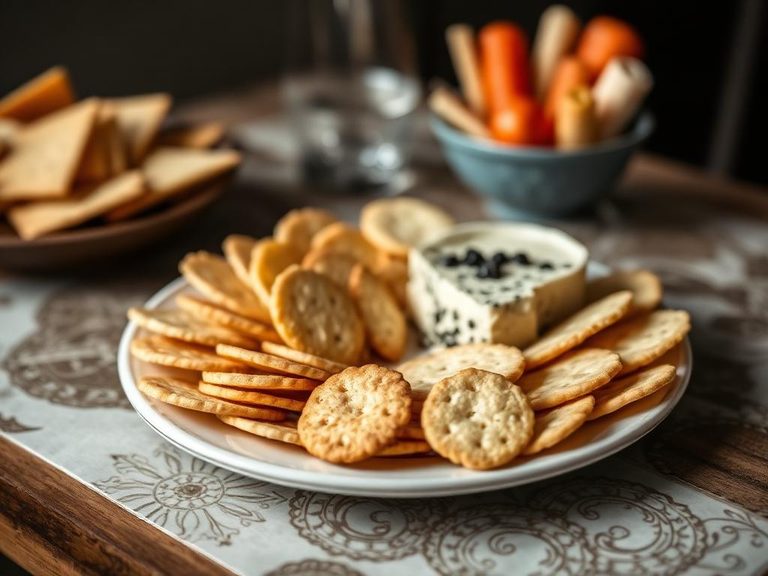
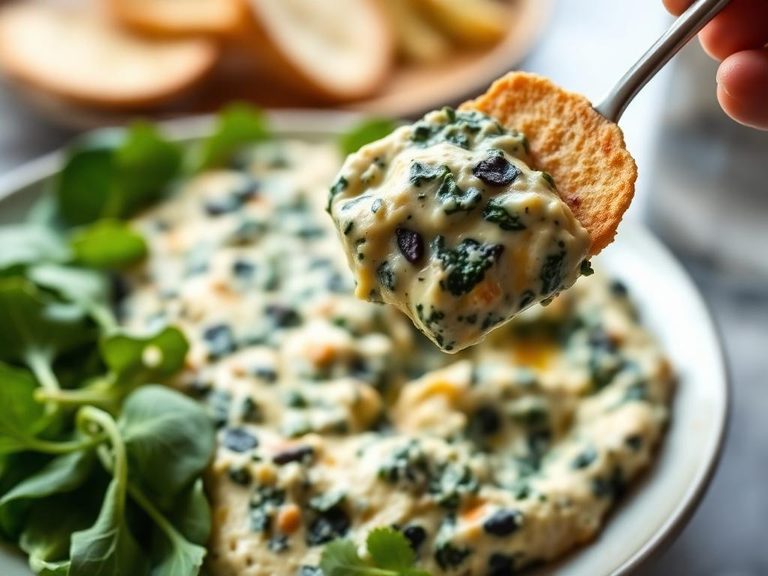

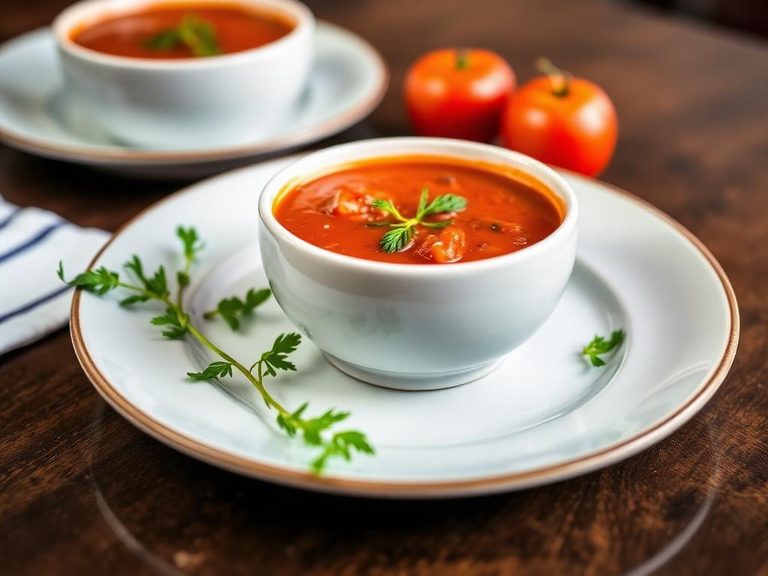
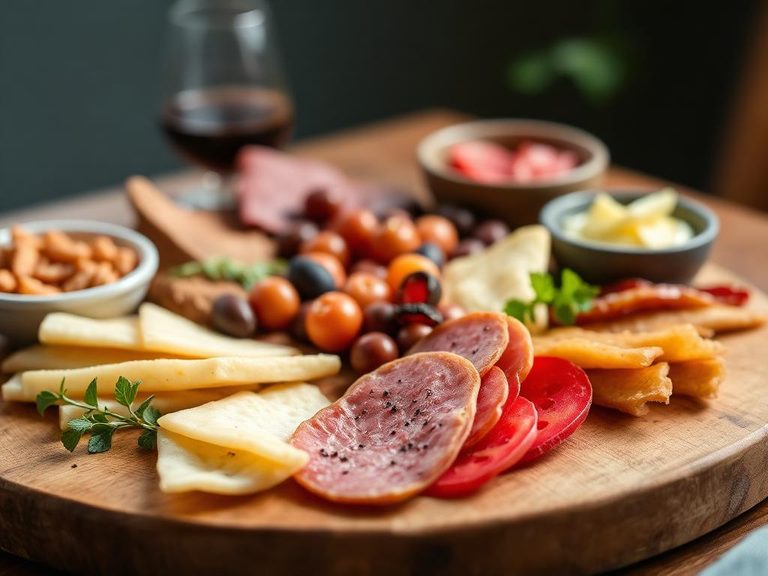
🌍 Where it's eaten
💡 Did you know?
The primary grain in many multi-grain crisps, brown rice, is technically not a 'true' grain but a 'pseudocereal' seed, though it's nutritionally and culinarily treated as a whole grain.
Full nutrition (USDA data · scales with serving)
| Water | 3.3 g |
| Energy | 456 kcal |
| Energy | 1906 kj |
| Protein | 10.9 g |
| Total lipid (fat) | 15.9 g |
| Ash | 2.7 g |
| Carbohydrate, by difference | 67.2 g |
| Fiber, total dietary | 7.5 g |
| Total Sugars | 0.80 g |
| Sucrose | 0.80 g |
| Glucose | 0.00 g |
| Fructose | 0.00 g |
| Lactose | 0.00 g |
| Maltose | 0.00 g |
| Galactose | 0.00 g |
| Starch | 57.8 g |
| Calcium, Ca | 246 mg |
| Iron, Fe | 2.7 mg |
| Magnesium, Mg | 149 mg |
| Phosphorus, P | 354 mg |
| Potassium, K | 339 mg |
| Sodium, Na | 370 mg |
| Zinc, Zn | 2.5 mg |
| Copper, Cu | 0.51 mg |
| Manganese, Mn | 2.4 mg |
| Selenium, Se | 16.3 ug |
| Riboflavin | 0.15 mg |
| Niacin | 4.6 mg |
| Pantothenic acid | 0.84 mg |
| Vitamin B-6 | 0.37 mg |
| Folate, total | 35.0 ug |
| Folate, food | 35.0 ug |
Fat & fatty acid profile (per 100g)
| Fatty acids, total saturated | 2.1 g |
| SFA 4:0 | 0.00 g |
| SFA 6:0 | 0.00 g |
| SFA 8:0 | 0.00 g |
| SFA 10:0 | 0.00 g |
| SFA 12:0 | 0.00 g |
| SFA 14:0 | 0.01 g |
| SFA 15:0 | 0.00 g |
| SFA 16:0 | 1.3 g |
| SFA 17:0 | 0.01 g |
| SFA 18:0 | 0.67 g |
| SFA 20:0 | 0.08 g |
| SFA 22:0 | 0.03 g |
| SFA 24:0 | 0.02 g |
| Fatty acids, total monounsaturated | 7.0 g |
| MUFA 14:1 | 0.00 g |
| MUFA 15:1 | 0.00 g |
| MUFA 16:1 | 0.02 g |
| MUFA 16:1 c | 0.02 g |
| MUFA 17:1 | 0.01 g |
| MUFA 18:1 | 6.9 g |
| MUFA 18:1 c | 6.9 g |
| MUFA 20:1 | 0.04 g |
| MUFA 22:1 | 0.01 g |
| MUFA 22:1 c | 0.01 g |
| MUFA 24:1 c | 0.01 g |
| Fatty acids, total polyunsaturated | 6.0 g |
| PUFA 18:2 | 5.0 g |
| PUFA 18:2 n-6 c,c | 5.0 g |
| PUFA 18:2 CLAs | 0.00 g |
| PUFA 18:3 | 0.93 g |
| PUFA 18:3 n-3 c,c,c (ALA) | 0.92 g |
| PUFA 18:3 n-6 c,c,c | 0.00 g |
| PUFA 18:3i | 0.00 g |
| PUFA 18:4 | 0.00 g |
| PUFA 20:2 n-6 c,c | 0.00 g |
| PUFA 20:3 | 0.00 g |
| PUFA 20:3 n-3 | 0.00 g |
| PUFA 20:3 n-6 | 0.00 g |
| PUFA 20:4 | 0.00 g |
| PUFA 20:5 n-3 (EPA) | 0.01 g |
| PUFA 22:4 | 0.00 g |
| PUFA 22:5 n-3 (DPA) | 0.00 g |
| PUFA 22:6 n-3 (DHA) | 0.00 g |
| Fatty acids, total trans | 0.02 g |
| Fatty acids, total trans-monoenoic | 0.01 g |
| TFA 16:1 t | 0.00 g |
| TFA 18:1 t | 0.01 g |
| TFA 22:1 t | 0.00 g |
| TFA 18:2 t not further defined | 0.01 g |
| Fatty acids, total trans-polyenoic | 0.01 g |
FAQ
Are these crackers suitable for a vegan diet?
Yes, the core ingredients are plant-based. However, always check the specific product label for any added ingredients like honey or dairy-derived flavorings.
How does the protein content compare to regular wheat crackers?
Crunchmaster Multi-Grain Crisps typically have a higher protein content than standard refined-flour crackers, thanks to the inclusion of whole grains and seeds like quinoa and millet.
What is the best way to store them to maintain freshness?
Store them in their original sealed bag or an airtight container at room temperature. Once opened, consuming them within a week or two is ideal to prevent staleness.
Nutrient density (calculated · NRF9.3)
Nutrient Rich Foods index: beneficial nutrients (protein, fiber, vitamins, minerals) minus saturated fat, added sugar & sodium, per 100 kcal.
NRF9.3 index — Fulgoni, Keast & Drewnowski, 2009. Computed from USDA nutrients.
Weight-loss friendliness (composite index)
Energy density 4.56 kcal/g · 10% calories from protein · 7.5 g fiber · 0.8 g sugar per 100 g.
Composite of energy density (Rolls et al., 1999), protein & fiber satiety, minus sugar. A calculated heuristic — ranks satiety-per-calorie, not a clinical measure.
Dietary load (calculated from USDA values)
Potential renal acid load. Positive = acid-forming, negative = alkaline-forming.
Sodium-to-potassium ratio: 1.09 (lower is better — aim for ≤ 1)
Sodium:potassium per WHO potassium guidance. Computed from USDA nutrients.