

Crayfish, cooked
Common food

Photo: Wikipedia
Crayfish, or crawfish, are small freshwater crustaceans with a sweet, delicate flavor and a firm, succulent texture reminiscent of lobster. Cooked crayfish are a nutritional powerhouse, offering a high-protein, virtually zero-carb meal that is exceptionally low in calories. Their lean profile makes them a standout choice for anyone seeking a clean, satisfying source of protein without added fats or sugars.
Calorie split: 88% protein · 0% carbs · 12% fat
↓ Full nutrition💚 Why it's loved
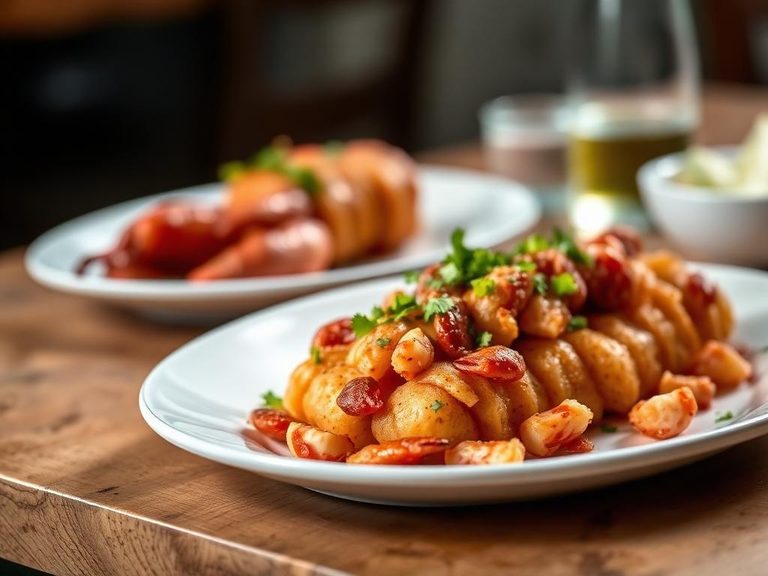
People adore crayfish for their sweet, briny flavor and the communal, hands-on experience of a traditional crawfish boil, which is a cultural staple in the American South. Their versatility allows them to shine in everything from spicy étouffée to delicate pasta dishes, making them a beloved ingredient across many cuisines.
⚠️ Watch-outs & how to enjoy it better
Crayfish can be high in sodium, especially when boiled in heavily seasoned water or served in sauces, which may be a concern for those monitoring blood pressure. As a crustacean, it is a common allergen, and individuals with shellfish allergies must avoid it entirely. To mitigate sodium, you can boil crayfish in unsalted water and season lightly, or pair them with potassium-rich vegetables like steamed broccoli to help balance electrolytes.
Key benefits
- Extremely high in protein (20.22g per 100g) for muscle maintenance and satiety.
- Very low in calories (97 kcal per 100g), ideal for weight management.
- Virtually fat-free (1.2g per 100g) and contains zero carbohydrates or sugars.
- A good source of essential minerals like selenium, zinc, and B vitamins.
🍽️ Popular dishes
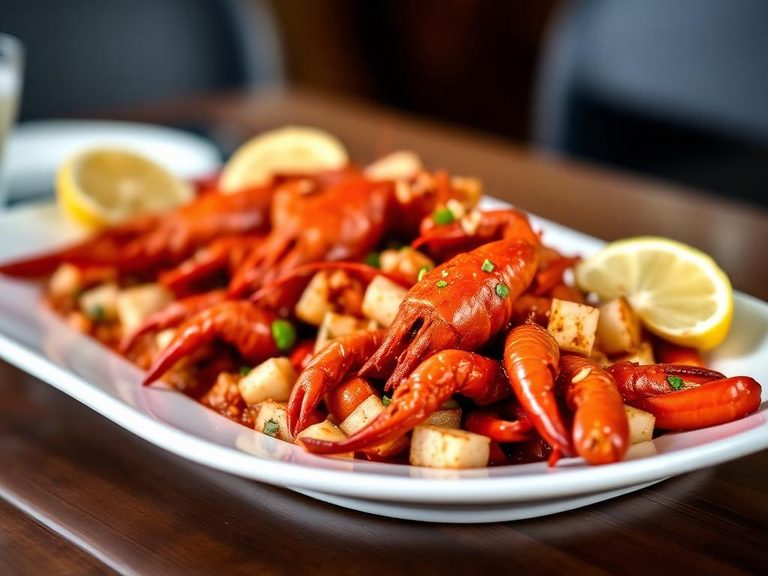
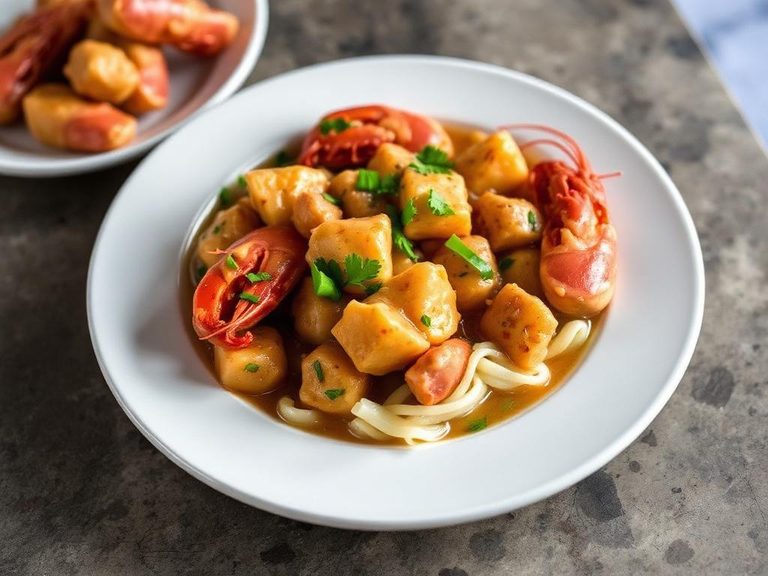
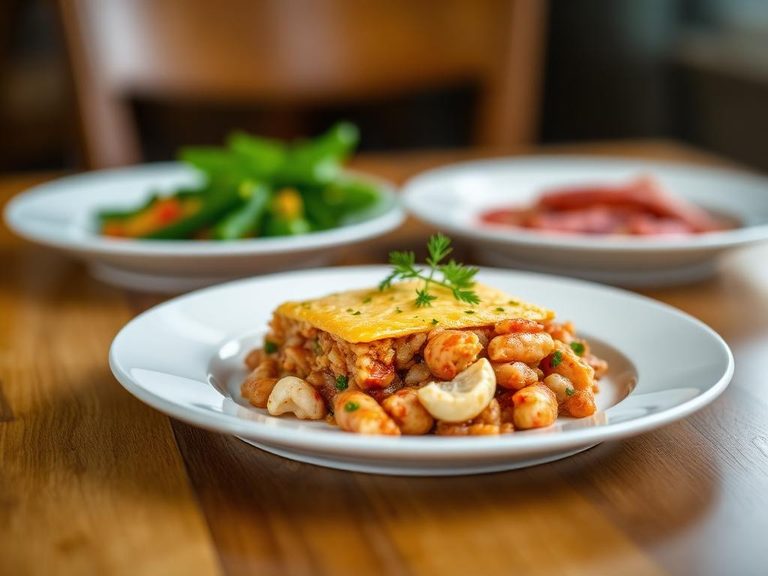
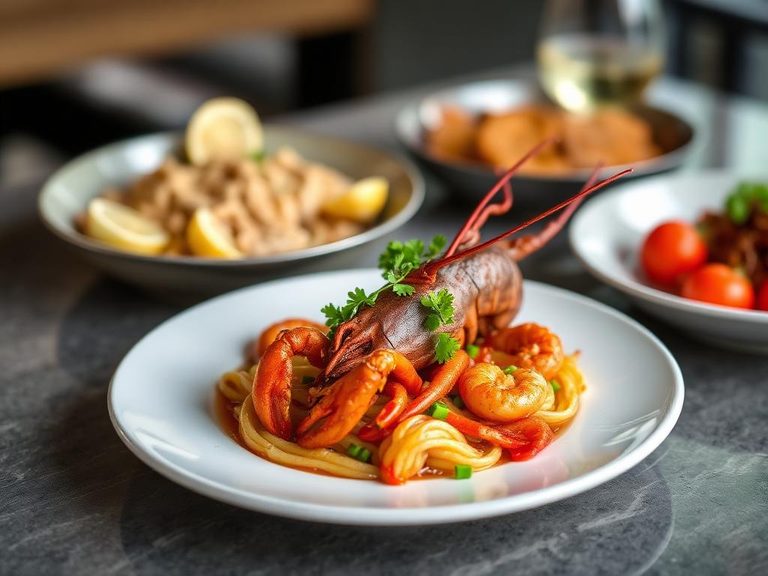
🌍 Where it's eaten
💡 Did you know?
The term 'crawfish' is often used interchangeably with 'crayfish,' but in the United States, 'crawfish' is the dominant term in the South, while 'crayfish' is more common in the North and in scientific contexts.
Full nutrition (USDA data · scales with serving)
| Water | 77.5 g |
| Energy | 97.0 kcal |
| Protein | 20.2 g |
| Total lipid (fat) | 1.2 g |
| Carbohydrate, by difference | 0.00 g |
| Fiber, total dietary | 0.00 g |
| Total Sugars | 0.00 g |
| Calcium, Ca | 34.0 mg |
| Iron, Fe | 1.1 mg |
| Magnesium, Mg | 34.0 mg |
| Phosphorus, P | 324 mg |
| Potassium, K | 382 mg |
| Sodium, Na | 73.0 mg |
| Zinc, Zn | 1.6 mg |
| Copper, Cu | 0.53 mg |
| Selenium, Se | 40.0 ug |
| Vitamin C, total ascorbic acid | 1.2 mg |
| Thiamin | 0.07 mg |
| Riboflavin | 0.04 mg |
| Niacin | 2.7 mg |
| Vitamin B-6 | 0.12 mg |
| Folate, total | 35.0 ug |
| Folic acid | 0.00 ug |
| Folate, food | 35.0 ug |
| Folate, DFE | 35.0 ug |
| Choline, total | 102 mg |
| Vitamin B-12 | 2.1 ug |
| Vitamin B-12, added | 0.00 ug |
| Vitamin A, RAE | 19.0 ug |
| Retinol | 19.0 ug |
| Carotene, beta | 0.00 ug |
| Carotene, alpha | 0.00 ug |
| Cryptoxanthin, beta | 0.00 ug |
| Lycopene | 0.00 ug |
| Lutein + zeaxanthin | 0.00 ug |
| Vitamin E (alpha-tocopherol) | 3.6 mg |
| Vitamin E, added | 0.00 mg |
| Vitamin D (D2 + D3) | 0.00 ug |
| Vitamin K (phylloquinone) | 0.10 ug |
| Alcohol, ethyl | 0.00 g |
| Caffeine | 0.00 mg |
| Theobromine | 0.00 mg |
Fat & fatty acid profile (per 100g)
| Fatty acids, total saturated | 0.20 g |
| SFA 4:0 | 0.00 g |
| SFA 6:0 | 0.00 g |
| SFA 8:0 | 0.00 g |
| SFA 10:0 | 0.00 g |
| SFA 12:0 | 0.00 g |
| SFA 14:0 | 0.00 g |
| SFA 16:0 | 0.13 g |
| SFA 18:0 | 0.05 g |
| Fatty acids, total monounsaturated | 0.22 g |
| MUFA 16:1 | 0.04 g |
| MUFA 18:1 | 0.14 g |
| MUFA 20:1 | 0.01 g |
| MUFA 22:1 | 0.02 g |
| Fatty acids, total polyunsaturated | 0.37 g |
| PUFA 18:2 | 0.07 g |
| PUFA 18:3 | 0.04 g |
| PUFA 18:4 | 0.01 g |
| PUFA 20:4 | 0.06 g |
| PUFA 20:5 n-3 (EPA) | 0.13 g |
| PUFA 22:5 n-3 (DPA) | 0.01 g |
| PUFA 22:6 n-3 (DHA) | 0.05 g |
| Cholesterol | 144 mg |
Amino acid profile (per 100g)
Estimated from Crustaceans, crayfish, mixed species, wild, raw — USDA does not publish this profile for Crayfish.
| Tryptophan | 0.22 g |
| Threonine | 0.64 g |
| Isoleucine | 0.77 g |
| Leucine | 1.3 g |
| Lysine | 1.4 g |
| Methionine | 0.45 g |
| Cystine | 0.18 g |
| Phenylalanine | 0.67 g |
| Tyrosine | 0.53 g |
| Valine | 0.75 g |
| Arginine | 1.4 g |
| Histidine | 0.33 g |
| Alanine | 0.90 g |
| Aspartic acid | 1.6 g |
| Glutamic acid | 2.7 g |
| Glycine | 0.96 g |
| Proline | 0.53 g |
| Serine | 0.63 g |
FAQ
How do you eat crayfish?
To eat crayfish, twist off the head, peel the shell from the tail, and remove the meat. The fat in the head is often considered a delicacy and can be sucked out for flavor.
Are crayfish and crawfish the same thing?
Yes, crayfish and crawfish refer to the same freshwater crustacean. The term 'crawfish' is more common in the Southern United States, while 'crayfish' is used elsewhere.
What is the best way to cook crayfish?
The most popular method is boiling in a seasoned broth with spices like cayenne, garlic, and lemon. They can also be sautéed, grilled, or used in stews and étouffées.
Nutrient density (calculated · NRF9.3)
Nutrient Rich Foods index: beneficial nutrients (protein, fiber, vitamins, minerals) minus saturated fat, added sugar & sodium, per 100 kcal.
NRF9.3 index — Fulgoni, Keast & Drewnowski, 2009. Computed from USDA nutrients.
Weight-loss friendliness (composite index)
Energy density 0.97 kcal/g · 83% calories from protein · 0.0 g fiber · 0.0 g sugar per 100 g.
Composite of energy density (Rolls et al., 1999), protein & fiber satiety, minus sugar. A calculated heuristic — ranks satiety-per-calorie, not a clinical measure.
Dietary load (calculated from USDA values)
Potential renal acid load. Positive = acid-forming, negative = alkaline-forming.
Sodium-to-potassium ratio: 0.19 (lower is better — aim for ≤ 1)
Sodium:potassium per WHO potassium guidance. Computed from USDA nutrients.