

Cranberry juice blend, 100% juice
Common food

Photo: Wikipedia
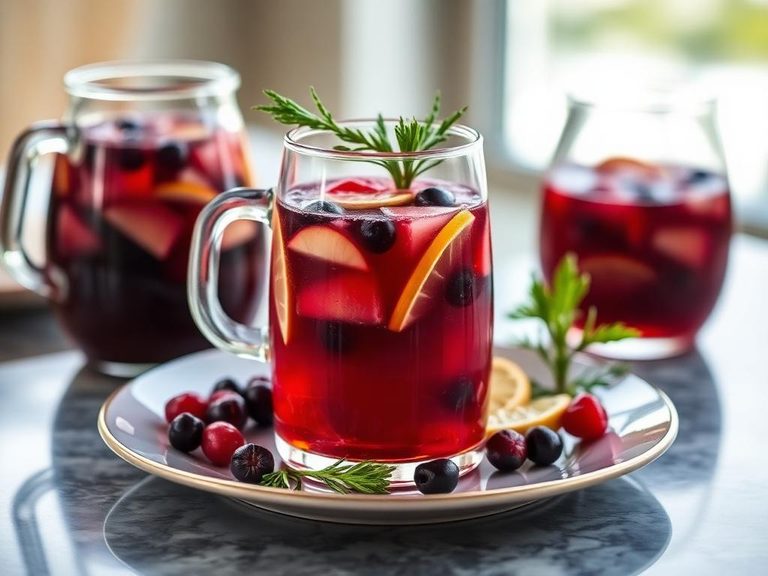
This is a vibrant, ruby-red juice blend made from 100% cranberry juice, often mixed with other fruit juices like apple or grape to balance its intense tartness. It has a smooth, thin texture and a bold, sweet-tart flavor profile. Nutritionally, it's a concentrated source of natural sugars, providing about 9 grams per 100g serving.
Calorie split: 1% protein · 96% carbs · 3% fat
↓ Full nutrition💚 Why it's loved
People love it for its distinctive, pucker-worthy tartness that cuts through sweetness and adds a bright, complex note to both drinks and dishes. It's a staple in holiday cuisine and a versatile base for cocktails, mocktails, and marinades.
⚠️ Watch-outs & how to enjoy it better
The high natural sugar content (9g per 100g) can cause blood-sugar spikes if consumed in large quantities, and its acidity may bother those with acid reflux. To counteract this, pair it with a source of protein or fat (like nuts or yogurt) to slow sugar absorption, and practice portion control by diluting it with water or sparkling water.
Key benefits
- Contains antioxidants like proanthocyanidins from cranberries.
- May support urinary tract health.
- Provides a quick source of natural carbohydrates for energy.
- Offers a tart flavor without added artificial sweeteners.
🍽️ Popular dishes
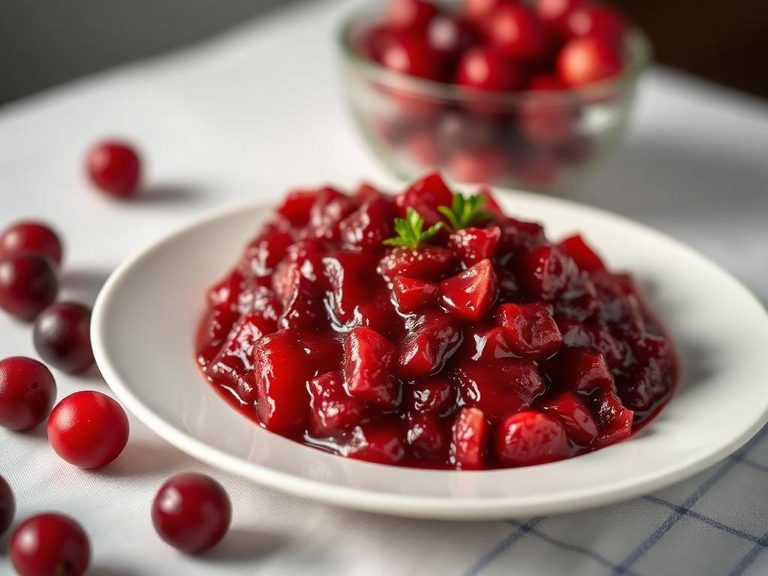
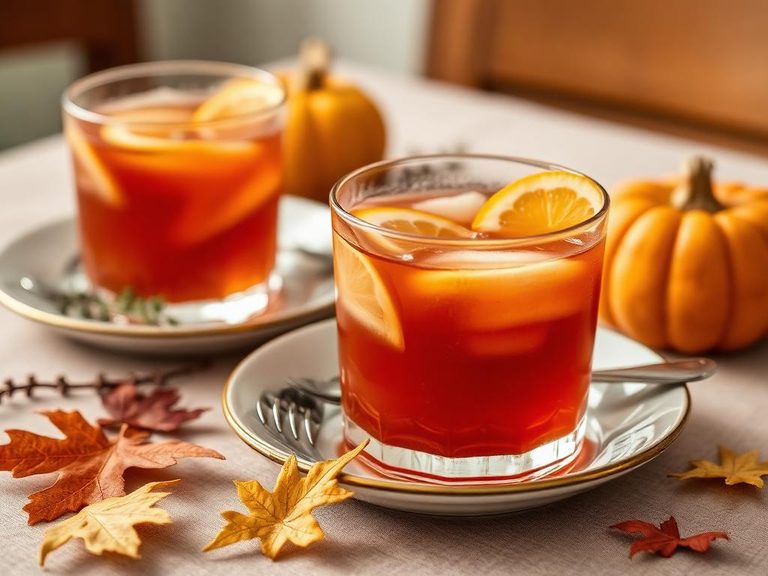
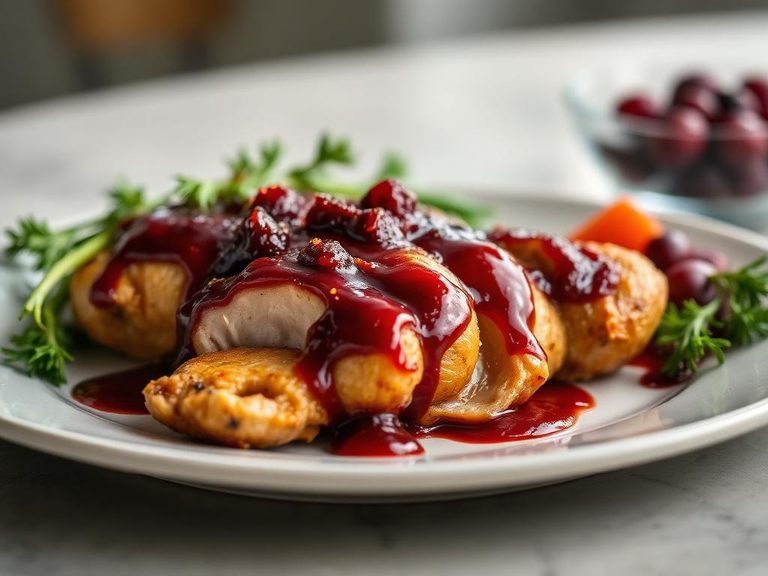
🌍 Where it's eaten
💡 Did you know?
Commercial '100% juice' cranberry blends are typically a mix of cranberry juice concentrate with sweeter juices like apple or grape, as pure, undiluted cranberry juice is too tart for most palates.
Full nutrition (USDA data · scales with serving)
| Water | 88.4 g |
| Energy | 46.0 kcal |
| Protein | 0.12 g |
| Total lipid (fat) | 0.18 g |
| Carbohydrate, by difference | 11.2 g |
| Fiber, total dietary | 0.20 g |
| Total Sugars | 9.0 g |
| Calcium, Ca | 10.0 mg |
| Iron, Fe | 0.12 mg |
| Magnesium, Mg | 6.0 mg |
| Phosphorus, P | 8.0 mg |
| Potassium, K | 90.0 mg |
| Sodium, Na | 7.0 mg |
| Zinc, Zn | 0.05 mg |
| Copper, Cu | 0.01 mg |
| Selenium, Se | 0.10 ug |
| Vitamin C, total ascorbic acid | 21.2 mg |
| Thiamin | 0.01 mg |
| Riboflavin | 0.02 mg |
| Niacin | 0.07 mg |
| Vitamin B-6 | 0.02 mg |
| Folate, total | 2.0 ug |
| Folic acid | 0.00 ug |
| Folate, food | 2.0 ug |
| Folate, DFE | 2.0 ug |
| Choline, total | 2.6 mg |
| Vitamin B-12 | 0.00 ug |
| Vitamin B-12, added | 0.00 ug |
| Vitamin A, RAE | 0.00 ug |
| Retinol | 0.00 ug |
| Carotene, beta | 8.0 ug |
| Carotene, alpha | 0.00 ug |
| Cryptoxanthin, beta | 0.00 ug |
| Lycopene | 0.00 ug |
| Lutein + zeaxanthin | 42.0 ug |
| Vitamin E (alpha-tocopherol) | 0.31 mg |
| Vitamin E, added | 0.00 mg |
| Vitamin D (D2 + D3) | 0.00 ug |
| Vitamin K (phylloquinone) | 1.4 ug |
| Alcohol, ethyl | 0.00 g |
| Caffeine | 0.00 mg |
| Theobromine | 0.00 mg |
Fat & fatty acid profile (per 100g)
| Fatty acids, total saturated | 0.02 g |
| SFA 4:0 | 0.00 g |
| SFA 6:0 | 0.00 g |
| SFA 8:0 | 0.00 g |
| SFA 10:0 | 0.00 g |
| SFA 12:0 | 0.00 g |
| SFA 14:0 | 0.00 g |
| SFA 16:0 | 0.02 g |
| SFA 18:0 | 0.00 g |
| Fatty acids, total monounsaturated | 0.01 g |
| MUFA 16:1 | 0.00 g |
| MUFA 18:1 | 0.01 g |
| MUFA 20:1 | 0.00 g |
| MUFA 22:1 | 0.00 g |
| Fatty acids, total polyunsaturated | 0.04 g |
| PUFA 18:2 | 0.03 g |
| PUFA 18:3 | 0.01 g |
| PUFA 18:4 | 0.00 g |
| PUFA 20:4 | 0.00 g |
| PUFA 20:5 n-3 (EPA) | 0.00 g |
| PUFA 22:5 n-3 (DPA) | 0.00 g |
| PUFA 22:6 n-3 (DHA) | 0.00 g |
| Cholesterol | 0.00 mg |
Amino acid profile (per 100g)
Estimated from Cranberry juice cocktail, bottled, low calorie, with calcium, saccharin and corn sweetener — USDA does not publish this profile for Cranberry juice blend.
| Tryptophan | 0.00 g |
| Threonine | 0.00 g |
| Isoleucine | 0.00 g |
| Leucine | 0.00 g |
| Lysine | 0.00 g |
| Methionine | 0.00 g |
| Cystine | 0.00 g |
| Phenylalanine | 0.00 g |
| Tyrosine | 0.00 g |
| Valine | 0.00 g |
| Arginine | 0.00 g |
| Histidine | 0.00 g |
| Alanine | 0.00 g |
| Aspartic acid | 0.00 g |
| Glutamic acid | 0.00 g |
| Glycine | 0.00 g |
| Proline | 0.00 g |
| Serine | 0.00 g |
FAQ
Is this the same as cranberry cocktail?
No. '100% juice' blends contain only juice from fruits, while 'cranberry cocktail' or 'cranberry juice drink' typically contains added sugars and water.
Can I use this to make homemade cranberry sauce?
Yes, but you may need to adjust the sugar added during cooking, as the blend is already sweetened with other fruit juices.
Why is it mixed with other juices?
Pure cranberry juice is extremely tart and astringent. Blending it with sweeter juices like apple creates a more palatable, balanced flavor for direct consumption.
Nutrient density (calculated · NRF9.3)
Nutrient Rich Foods index: beneficial nutrients (protein, fiber, vitamins, minerals) minus saturated fat, added sugar & sodium, per 100 kcal.
NRF9.3 index — Fulgoni, Keast & Drewnowski, 2009. Computed from USDA nutrients.
Weight-loss friendliness (composite index)
Energy density 0.46 kcal/g · 1% calories from protein · 0.2 g fiber · 9.0 g sugar per 100 g.
Composite of energy density (Rolls et al., 1999), protein & fiber satiety, minus sugar. A calculated heuristic — ranks satiety-per-calorie, not a clinical measure.
Dietary load (calculated from USDA values)
Potential renal acid load. Positive = acid-forming, negative = alkaline-forming.
Sodium-to-potassium ratio: 0.08 (lower is better — aim for ≤ 1)
Sodium:potassium per WHO potassium guidance. Computed from USDA nutrients.