

Crackers, gluten free, plain
Common food

Photo: Wikipedia
Gluten-free plain crackers are crisp, light wafers made from a blend of rice, potato, or tapioca starches, offering a clean, neutral flavor and a satisfying snap. They are a nutritional powerhouse for a snack, providing a notable 11.25g of protein and a substantial 10.2g of fiber per 100g, making them far more satiating than typical starch-based crackers.
Calorie split: 10% protein · 59% carbs · 31% fat
↓ Full nutrition💚 Why it's loved
People love these crackers for their incredible versatility and clean taste—they act as a perfect, sturdy canvas for everything from sharp cheddar and hummus to smoked salmon and avocado. Their satisfying crunch and ability to support bold flavors without competing make them a staple in gluten-free pantries and a go-to for elegant appetizers.
⚠️ Watch-outs & how to enjoy it better
The primary downside is that gluten-free starch blends can cause a quicker blood-sugar spike compared to whole-grain wheat crackers, despite the high fiber. To counteract this, always pair them with a protein or healthy fat (like cheese, nut butter, or guacamole) to slow digestion. They can also be higher in sodium, so checking labels and rinsing salty toppings like olives or capers is wise.
Key benefits
- Excellent source of dietary fiber (10.2g per 100g)
- High in plant-based protein (11.25g per 100g)
- Naturally gluten-free, suitable for celiac or gluten-sensitive diets
- Very low in sugar (0.86g per 100g)
- Provides a solid energy base with complex carbohydrates
🍽️ Popular dishes
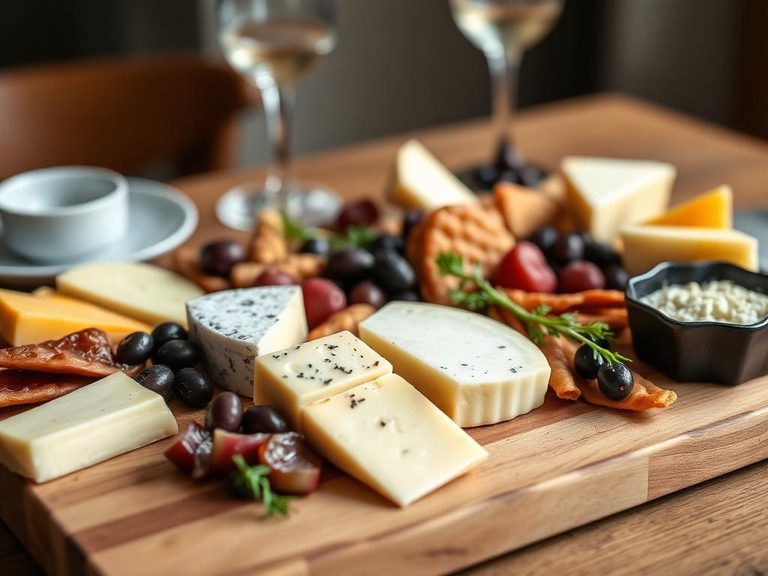

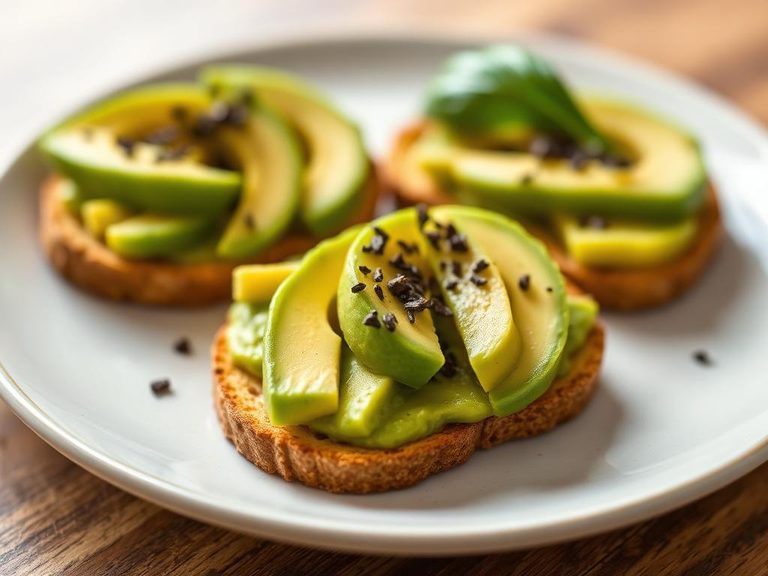
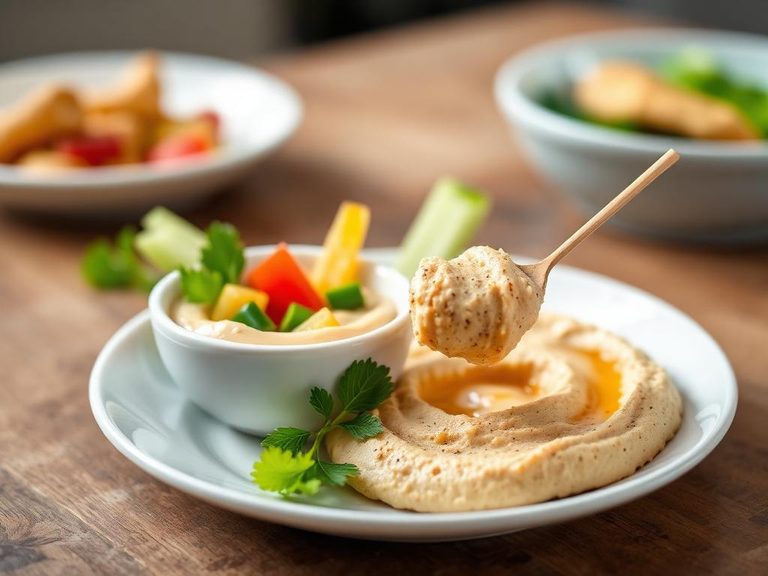
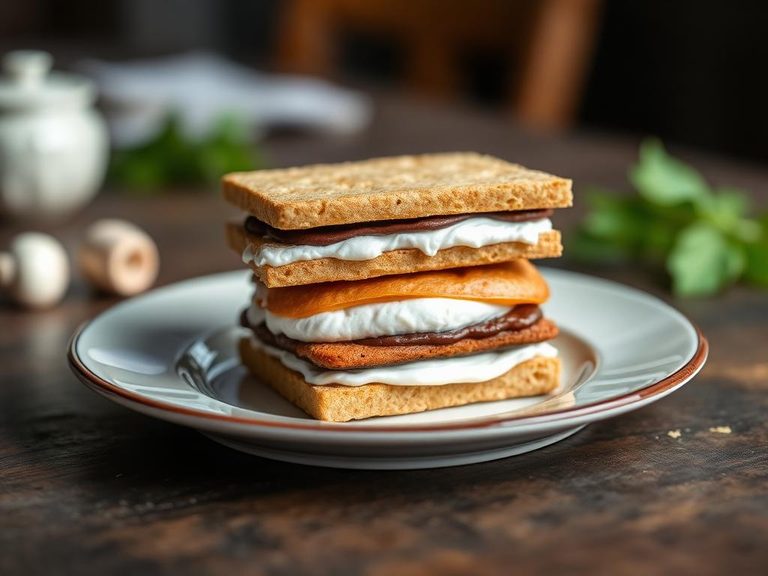
🌍 Where it's eaten
💡 Did you know?
The structural integrity of a good gluten-free cracker is a modern food science feat; without gluten's elastic protein network, manufacturers often use a precise ratio of starches and binders like xanthan gum to achieve a crisp snap that doesn't crumble into dust.
Full nutrition (USDA data · scales with serving)
| Water | 3.6 g |
| Energy | 453 kcal |
| Protein | 11.3 g |
| Total lipid (fat) | 15.8 g |
| Carbohydrate, by difference | 66.3 g |
| Fiber, total dietary | 10.2 g |
| Total Sugars | 0.86 g |
| Calcium, Ca | 238 mg |
| Iron, Fe | 2.8 mg |
| Magnesium, Mg | 164 mg |
| Phosphorus, P | 374 mg |
| Potassium, K | 381 mg |
| Sodium, Na | 438 mg |
| Zinc, Zn | 2.6 mg |
| Copper, Cu | 0.55 mg |
| Selenium, Se | 17.4 ug |
| Vitamin C, total ascorbic acid | 0.00 mg |
| Thiamin | 0.21 mg |
| Riboflavin | 0.17 mg |
| Niacin | 4.8 mg |
| Vitamin B-6 | 0.37 mg |
| Folate, total | 35.0 ug |
| Folic acid | 0.00 ug |
| Folate, food | 35.0 ug |
| Folate, DFE | 35.0 ug |
| Choline, total | 27.1 mg |
| Vitamin B-12 | 0.00 ug |
| Vitamin B-12, added | 0.00 ug |
| Vitamin A, RAE | 0.00 ug |
| Retinol | 0.00 ug |
| Carotene, beta | 4.0 ug |
| Carotene, alpha | 0.00 ug |
| Cryptoxanthin, beta | 0.00 ug |
| Lycopene | 0.00 ug |
| Lutein + zeaxanthin | 174 ug |
| Vitamin E (alpha-tocopherol) | 1.5 mg |
| Vitamin E, added | 0.00 mg |
| Vitamin D (D2 + D3) | 0.00 ug |
| Vitamin K (phylloquinone) | 13.7 ug |
| Alcohol, ethyl | 0.00 g |
| Caffeine | 0.00 mg |
| Theobromine | 0.00 mg |
Fat & fatty acid profile (per 100g)
| Fatty acids, total saturated | 2.1 g |
| SFA 4:0 | 0.00 g |
| SFA 6:0 | 0.00 g |
| SFA 8:0 | 0.00 g |
| SFA 10:0 | 0.00 g |
| SFA 12:0 | 0.00 g |
| SFA 14:0 | 0.01 g |
| SFA 16:0 | 1.3 g |
| SFA 18:0 | 0.67 g |
| Fatty acids, total monounsaturated | 7.0 g |
| MUFA 16:1 | 0.02 g |
| MUFA 18:1 | 6.9 g |
| MUFA 20:1 | 0.04 g |
| MUFA 22:1 | 0.01 g |
| Fatty acids, total polyunsaturated | 6.0 g |
| PUFA 18:2 | 5.0 g |
| PUFA 18:3 | 0.93 g |
| PUFA 18:4 | 0.00 g |
| PUFA 20:4 | 0.00 g |
| PUFA 20:5 n-3 (EPA) | 0.01 g |
| PUFA 22:5 n-3 (DPA) | 0.00 g |
| PUFA 22:6 n-3 (DHA) | 0.00 g |
| Cholesterol | 0.00 mg |
Amino acid profile (per 100g)
Estimated from Crackers, cheese, sandwich-type with cheese filling — USDA does not publish this profile for Crackers.
| Tryptophan | 0.11 g |
| Threonine | 0.33 g |
| Isoleucine | 0.36 g |
| Leucine | 0.64 g |
| Lysine | 0.39 g |
| Methionine | 0.15 g |
| Cystine | 0.15 g |
| Phenylalanine | 0.35 g |
| Tyrosine | 0.25 g |
| Valine | 0.38 g |
| Arginine | 0.29 g |
| Histidine | 0.17 g |
| Alanine | 0.30 g |
| Aspartic acid | 0.52 g |
| Glutamic acid | 2.2 g |
| Glycine | 0.24 g |
| Proline | 0.77 g |
| Serine | 0.40 g |
FAQ
Why do gluten-free crackers often have more protein than regular ones?
Many gluten-free recipes use protein-rich flours like chickpea, lentil, or almond flour to improve texture and nutrition, whereas traditional crackers rely heavily on refined wheat flour.
Can I use these as a 1:1 substitute for regular crackers in recipes?
For most applications like dipping or topping, yes. For baking (like a cracker crust), you may need to adjust binders or fats as gluten-free crackers can absorb moisture differently.
Are they suitable for a low-carb diet?
Not typically. With 66.3g of carbs per 100g, they are a carbohydrate-focused food, though the high fiber content means the net carbs are lower than the total.
Nutrient density (calculated · NRF9.3)
Nutrient Rich Foods index: beneficial nutrients (protein, fiber, vitamins, minerals) minus saturated fat, added sugar & sodium, per 100 kcal.
NRF9.3 index — Fulgoni, Keast & Drewnowski, 2009. Computed from USDA nutrients.
Weight-loss friendliness (composite index)
Energy density 4.53 kcal/g · 10% calories from protein · 10.2 g fiber · 0.9 g sugar per 100 g.
Composite of energy density (Rolls et al., 1999), protein & fiber satiety, minus sugar. A calculated heuristic — ranks satiety-per-calorie, not a clinical measure.
Dietary load (calculated from USDA values)
Potential renal acid load. Positive = acid-forming, negative = alkaline-forming.
Sodium-to-potassium ratio: 1.15 (lower is better — aim for ≤ 1)
Sodium:potassium per WHO potassium guidance. Computed from USDA nutrients.