

Corn, frozen, cooked with butter or margarine
Common food

Photo: Wikipedia
Sweet, golden kernels of corn, flash-frozen at peak ripeness and then gently cooked with a pat of butter or margarine for a rich, savory finish. The texture is plump and slightly crisp, offering a satisfying pop with each bite. Nutritionally, it's a solid source of fiber and provides a quick energy boost from its natural carbohydrates.
Calorie split: 9% protein · 68% carbs · 23% fat
↓ Full nutrition💚 Why it's loved
People love it for its sweet, buttery flavor and satisfying texture that complements almost any main dish. It's a nostalgic, comforting side that's incredibly versatile, from simple steaks to complex casseroles.
⚠️ Watch-outs & how to enjoy it better
The added butter or margarine increases saturated fat and calorie content. For those monitoring blood sugar, the high carbohydrate count can cause a spike. Counteract this by pairing it with a lean protein like grilled chicken or fish and a non-starchy vegetable to balance the meal and slow sugar absorption.
Key benefits
- Good source of dietary fiber for digestive health
- Provides essential minerals like magnesium and phosphorus
- Contains antioxidants like lutein and zeaxanthin for eye health
- Quick, convenient source of energy from complex carbs
🍽️ Popular dishes
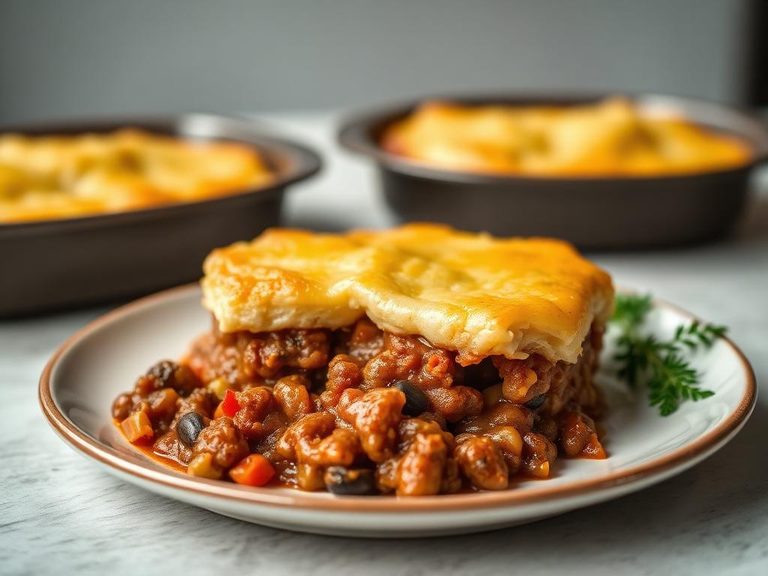
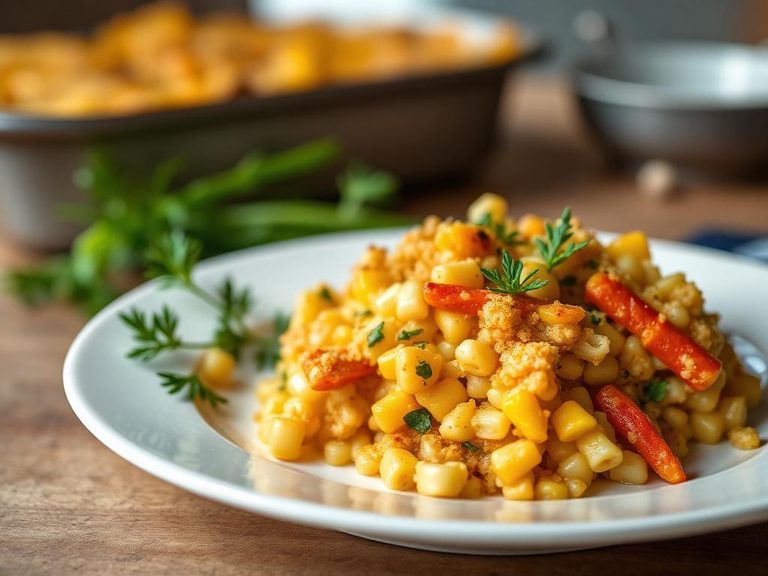

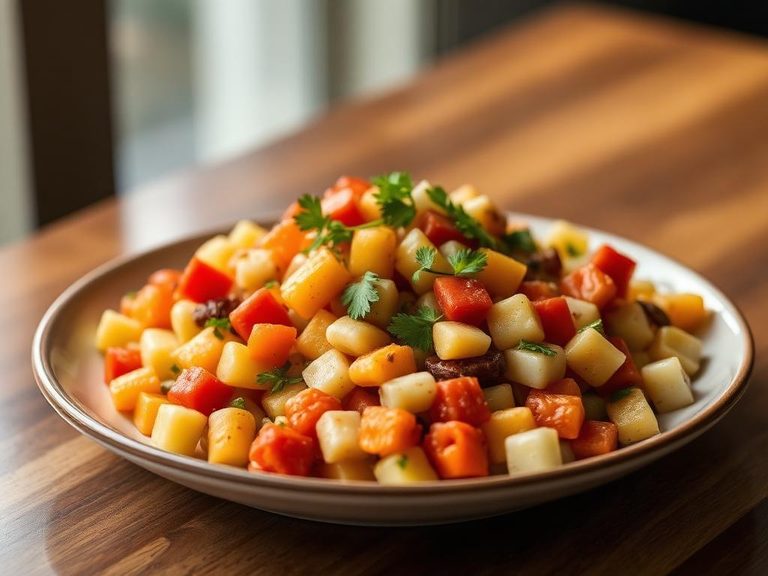
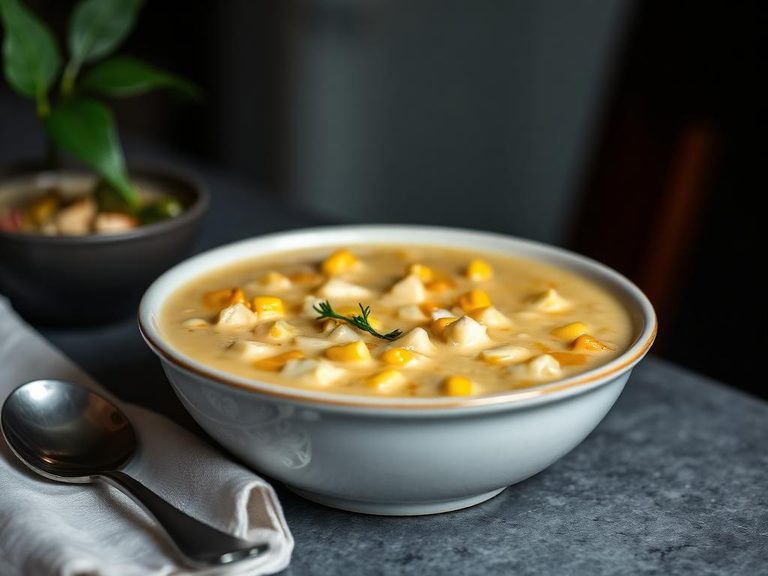
🌍 Where it's eaten
💡 Did you know?
The United States is the world's largest producer of frozen corn, with the majority of commercial sweet corn varieties being hybrids developed specifically for the freezing process to maintain sweetness and texture.
Full nutrition (USDA data · scales with serving)
| Water | 75.2 g |
| Energy | 98.0 kcal |
| Protein | 2.5 g |
| Total lipid (fat) | 2.8 g |
| Carbohydrate, by difference | 18.7 g |
| Fiber, total dietary | 2.3 g |
| Total Sugars | 3.0 g |
| Calcium, Ca | 4.0 mg |
| Iron, Fe | 0.46 mg |
| Magnesium, Mg | 27.0 mg |
| Phosphorus, P | 77.0 mg |
| Potassium, K | 226 mg |
| Sodium, Na | 131 mg |
| Zinc, Zn | 0.61 mg |
| Copper, Cu | 0.05 mg |
| Selenium, Se | 0.70 ug |
| Vitamin C, total ascorbic acid | 3.4 mg |
| Thiamin | 0.03 mg |
| Riboflavin | 0.06 mg |
| Niacin | 1.3 mg |
| Vitamin B-6 | 0.13 mg |
| Folate, total | 34.0 ug |
| Folic acid | 0.00 ug |
| Folate, food | 34.0 ug |
| Folate, DFE | 34.0 ug |
| Choline, total | 21.8 mg |
| Vitamin B-12 | 0.00 ug |
| Vitamin B-12, added | 0.00 ug |
| Vitamin A, RAE | 32.0 ug |
| Retinol | 22.0 ug |
| Carotene, beta | 58.0 ug |
| Carotene, alpha | 16.0 ug |
| Cryptoxanthin, beta | 118 ug |
| Lycopene | 0.00 ug |
| Lutein + zeaxanthin | 662 ug |
| Vitamin E (alpha-tocopherol) | 0.28 mg |
| Vitamin E, added | 0.00 mg |
| Vitamin D (D2 + D3) | 0.00 ug |
| Vitamin K (phylloquinone) | 1.6 ug |
| Alcohol, ethyl | 0.00 g |
| Caffeine | 0.00 mg |
| Theobromine | 0.00 mg |
Fat & fatty acid profile (per 100g)
| Fatty acids, total saturated | 1.0 g |
| SFA 4:0 | 0.04 g |
| SFA 6:0 | 0.03 g |
| SFA 8:0 | 0.01 g |
| SFA 10:0 | 0.03 g |
| SFA 12:0 | 0.04 g |
| SFA 14:0 | 0.13 g |
| SFA 16:0 | 0.54 g |
| SFA 18:0 | 0.19 g |
| Fatty acids, total monounsaturated | 0.77 g |
| MUFA 16:1 | 0.02 g |
| MUFA 18:1 | 0.73 g |
| MUFA 20:1 | 0.00 g |
| MUFA 22:1 | 0.00 g |
| Fatty acids, total polyunsaturated | 0.65 g |
| PUFA 18:2 | 0.61 g |
| PUFA 18:3 | 0.04 g |
| PUFA 18:4 | 0.00 g |
| PUFA 20:4 | 0.00 g |
| PUFA 20:5 n-3 (EPA) | 0.00 g |
| PUFA 22:5 n-3 (DPA) | 0.00 g |
| PUFA 22:6 n-3 (DHA) | 0.00 g |
| Cholesterol | 4.0 mg |
Amino acid profile (per 100g)
Estimated from Succotash, (corn and limas), canned, with cream style corn — USDA does not publish this profile for Corn.
| Tryptophan | 0.03 g |
| Threonine | 0.11 g |
| Isoleucine | 0.15 g |
| Leucine | 0.23 g |
| Lysine | 0.15 g |
| Methionine | 0.04 g |
| Cystine | 0.03 g |
| Phenylalanine | 0.13 g |
| Tyrosine | 0.09 g |
| Valine | 0.16 g |
| Arginine | 0.15 g |
| Histidine | 0.08 g |
| Alanine | 0.14 g |
| Aspartic acid | 0.26 g |
| Glutamic acid | 0.40 g |
| Glycine | 0.10 g |
| Proline | 0.10 g |
| Serine | 0.15 g |
FAQ
Is frozen corn as nutritious as fresh?
Yes, often more so. Frozen corn is typically blanched and flash-frozen at peak ripeness, which locks in nutrients. Fresh corn can lose nutrients during transport and storage.
Why does my frozen corn taste watery after cooking?
This can happen if it's overcooked or thawed too slowly. For best texture, cook directly from frozen in a hot pan or steamer for just 3-5 minutes until heated through.
Can I use this in raw preparations like salads?
It's not ideal. The corn is pre-cooked (blanched) for safety and texture. While safe to eat cold, it will have a softer texture than fresh raw corn. It's best used in cooked dishes.
Nutrient density (calculated · NRF9.3)
Nutrient Rich Foods index: beneficial nutrients (protein, fiber, vitamins, minerals) minus saturated fat, added sugar & sodium, per 100 kcal.
NRF9.3 index — Fulgoni, Keast & Drewnowski, 2009. Computed from USDA nutrients.
Weight-loss friendliness (composite index)
Energy density 0.98 kcal/g · 10% calories from protein · 2.3 g fiber · 3.0 g sugar per 100 g.
Composite of energy density (Rolls et al., 1999), protein & fiber satiety, minus sugar. A calculated heuristic — ranks satiety-per-calorie, not a clinical measure.
Dietary load (calculated from USDA values)
Potential renal acid load. Positive = acid-forming, negative = alkaline-forming.
Sodium-to-potassium ratio: 0.58 (lower is better — aim for ≤ 1)
Sodium:potassium per WHO potassium guidance. Computed from USDA nutrients.