

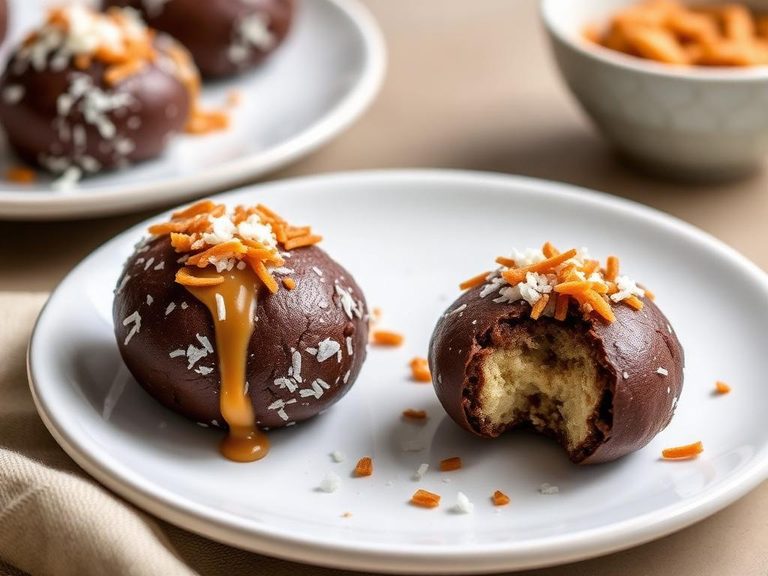
Cookie, vanilla with caramel, coconut, and chocolate coating
Common food

Photo: Wikipedia
This is a decadent, multi-layered cookie that delivers a symphony of flavors and textures in every bite. It features a soft, chewy vanilla cookie base, a gooey caramel center, and a satisfying crunch from toasted coconut, all enrobed in a smooth chocolate coating. Nutritionally, it's a high-energy treat, packing significant carbohydrates and fats, primarily from sugar.
Calorie split: 3% protein · 51% carbs · 46% fat
↓ Full nutrition💚 Why it's loved
People adore this cookie for its perfect balance of sweet, salty, and buttery notes, with the interplay of soft, chewy, and crunchy textures creating an addictive experience. It's a beloved treat for its indulgent, celebratory feel, often enjoyed with coffee or as a special dessert.
⚠️ Watch-outs & how to enjoy it better
Due to its high sugar and fat content, it can cause rapid blood-sugar spikes and is not suitable for low-sugar or low-fat diets. Those with gluten, dairy, or tree nut allergies should be cautious. To mitigate blood-sugar impact, pair a small portion with a source of protein or healthy fat (like a handful of nuts) and consume it slowly.
Key benefits
- Quick source of energy from carbohydrates
- Provides dietary fiber from coconut
- Contains small amounts of protein
- Offers a satisfying, multi-texture eating experience
- Convenient and portable sweet snack
🍽️ Popular dishes
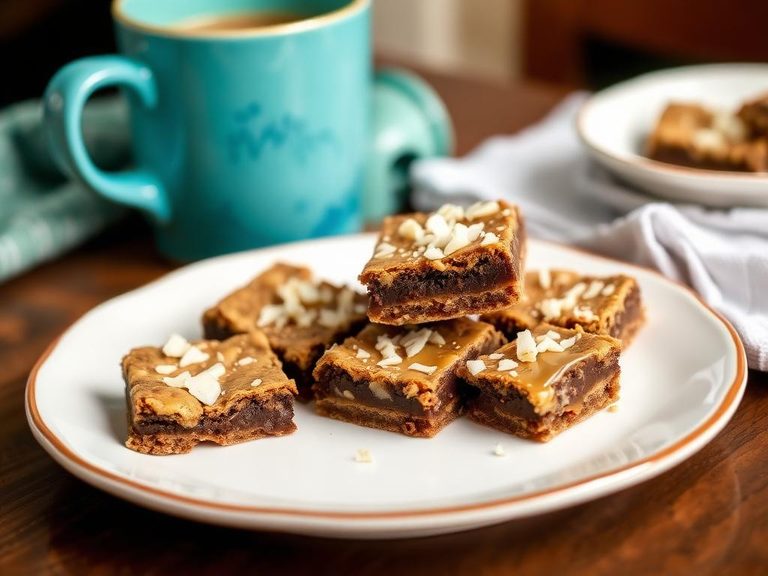
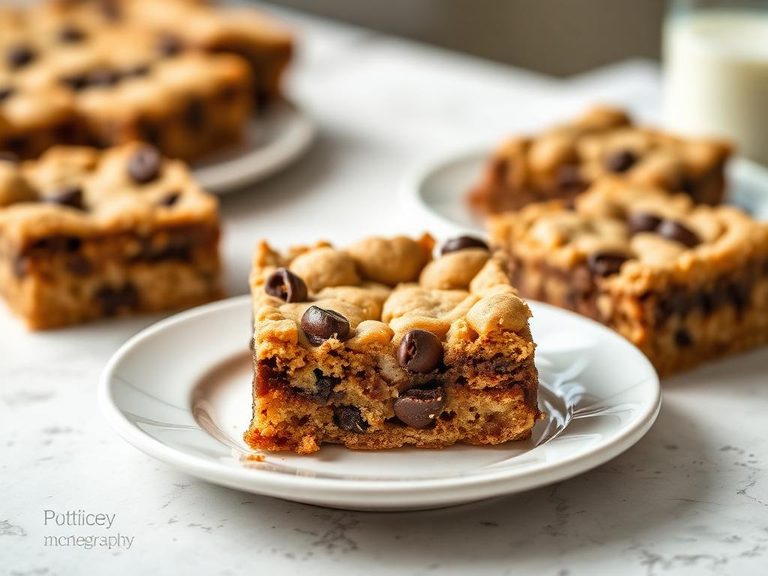
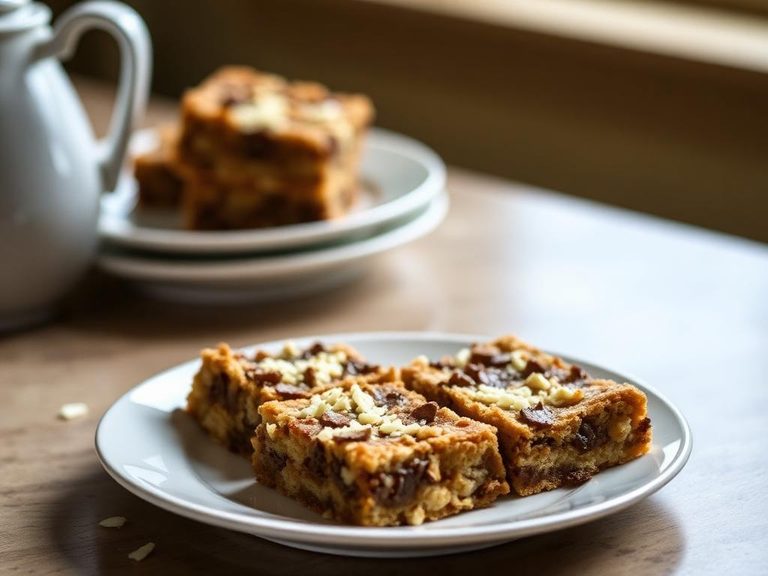
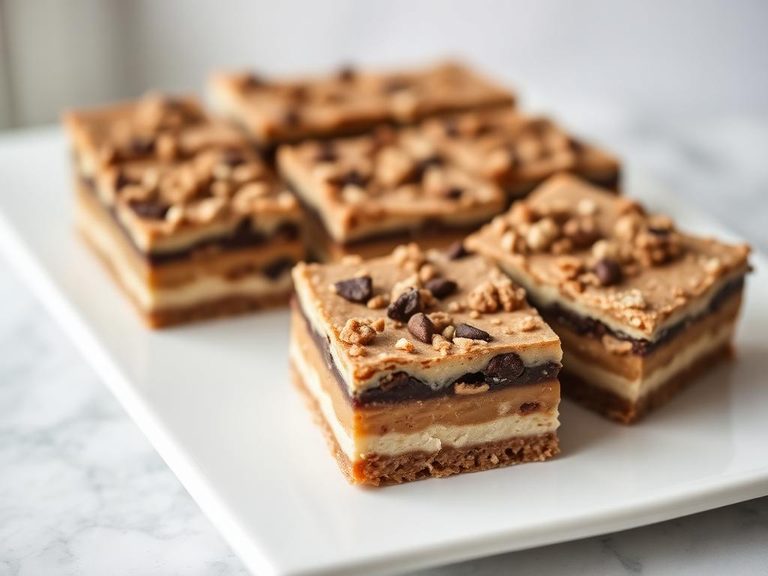
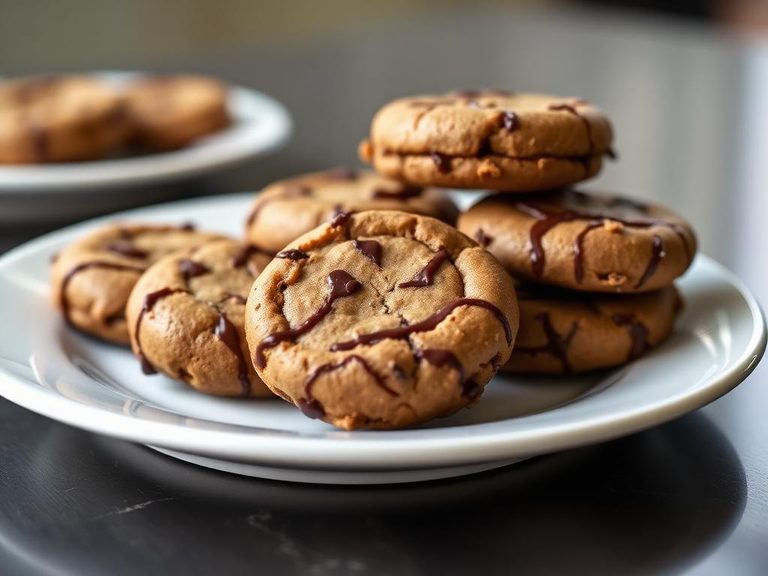
🌍 Where it's eaten
💡 Did you know?
The iconic Girl Scout cookie flavor 'Samoas' (or 'Caramel deLites') is a direct commercial cousin of this cookie profile, and its recipe has been a top seller for decades.
Full nutrition (USDA data · scales with serving)
| Water | 5.7 g |
| Energy | 489 kcal |
| Protein | 3.5 g |
| Total lipid (fat) | 25.8 g |
| Carbohydrate, by difference | 64.1 g |
| Fiber, total dietary | 4.4 g |
| Total Sugars | 35.8 g |
| Calcium, Ca | 40.0 mg |
| Iron, Fe | 3.2 mg |
| Magnesium, Mg | 30.0 mg |
| Phosphorus, P | 76.0 mg |
| Potassium, K | 195 mg |
| Sodium, Na | 182 mg |
| Zinc, Zn | 0.50 mg |
| Copper, Cu | 0.38 mg |
| Selenium, Se | 9.4 ug |
| Vitamin C, total ascorbic acid | 0.20 mg |
| Thiamin | 0.14 mg |
| Riboflavin | 0.12 mg |
| Niacin | 1.2 mg |
| Vitamin B-6 | 0.05 mg |
| Folate, total | 28.0 ug |
| Folic acid | 20.0 ug |
| Folate, food | 8.0 ug |
| Folate, DFE | 42.0 ug |
| Choline, total | 11.4 mg |
| Vitamin B-12 | 0.04 ug |
| Vitamin B-12, added | 0.00 ug |
| Vitamin A, RAE | 6.0 ug |
| Retinol | 6.0 ug |
| Carotene, beta | 1.0 ug |
| Carotene, alpha | 0.00 ug |
| Cryptoxanthin, beta | 0.00 ug |
| Lycopene | 0.00 ug |
| Lutein + zeaxanthin | 10.0 ug |
| Vitamin E (alpha-tocopherol) | 2.4 mg |
| Vitamin E, added | 0.00 mg |
| Vitamin D (D2 + D3) | 0.00 ug |
| Vitamin K (phylloquinone) | 5.0 ug |
| Alcohol, ethyl | 0.00 g |
| Caffeine | 18.0 mg |
| Theobromine | 157 mg |
Fat & fatty acid profile (per 100g)
| Fatty acids, total saturated | 17.7 g |
| SFA 4:0 | 0.04 g |
| SFA 6:0 | 0.07 g |
| SFA 8:0 | 0.56 g |
| SFA 10:0 | 0.44 g |
| SFA 12:0 | 3.2 g |
| SFA 14:0 | 1.4 g |
| SFA 16:0 | 6.2 g |
| SFA 18:0 | 5.4 g |
| Fatty acids, total monounsaturated | 2.8 g |
| MUFA 16:1 | 0.01 g |
| MUFA 18:1 | 2.8 g |
| MUFA 20:1 | 0.00 g |
| MUFA 22:1 | 0.00 g |
| Fatty acids, total polyunsaturated | 3.7 g |
| PUFA 18:2 | 3.4 g |
| PUFA 18:3 | 0.08 g |
| PUFA 18:4 | 0.00 g |
| PUFA 20:4 | 0.00 g |
| PUFA 20:5 n-3 (EPA) | 0.00 g |
| PUFA 22:5 n-3 (DPA) | 0.00 g |
| PUFA 22:6 n-3 (DHA) | 0.00 g |
| Cholesterol | 2.0 mg |
Amino acid profile (per 100g)
Estimated from Pie Crust, Cookie-type, Chocolate, Ready Crust — USDA does not publish this profile for Cookie.
| Tryptophan | 0.08 g |
| Threonine | 0.20 g |
| Isoleucine | 0.23 g |
| Leucine | 0.38 g |
| Lysine | 0.24 g |
| Methionine | 0.07 g |
| Cystine | 0.11 g |
| Phenylalanine | 0.28 g |
| Tyrosine | 0.16 g |
| Valine | 0.32 g |
| Arginine | 0.29 g |
| Histidine | 0.11 g |
| Alanine | 0.24 g |
| Aspartic acid | 0.45 g |
| Glutamic acid | 1.3 g |
| Glycine | 0.24 g |
| Proline | 0.42 g |
| Serine | 0.26 g |
FAQ
Is this cookie considered a health food?
No, it's an indulgent treat. While it provides energy and some fiber from coconut, its high sugar and fat content mean it should be enjoyed in moderation as part of a balanced diet.
Why is the calorie count so high per 100g?
The combination of calorie-dense ingredients—butter in the cookie, sugar in the caramel and coating, and fat in the chocolate and coconut—creates a very energy-dense food, with nearly 490 calories in just 100 grams.
Can I make a version with less sugar?
You could experiment with reducing sugar in the cookie dough and using a less-sweet dark chocolate for the coating, but the caramel component is inherently sugar-based. The texture and flavor profile would change significantly.
Nutrient density (calculated · NRF9.3)
Nutrient Rich Foods index: beneficial nutrients (protein, fiber, vitamins, minerals) minus saturated fat, added sugar & sodium, per 100 kcal.
NRF9.3 index — Fulgoni, Keast & Drewnowski, 2009. Computed from USDA nutrients.
Weight-loss friendliness (composite index)
Energy density 4.89 kcal/g · 3% calories from protein · 4.4 g fiber · 35.8 g sugar per 100 g.
Composite of energy density (Rolls et al., 1999), protein & fiber satiety, minus sugar. A calculated heuristic — ranks satiety-per-calorie, not a clinical measure.
Dietary load (calculated from USDA values)
Potential renal acid load. Positive = acid-forming, negative = alkaline-forming.
Sodium-to-potassium ratio: 0.93 (lower is better — aim for ≤ 1)
Sodium:potassium per WHO potassium guidance. Computed from USDA nutrients.