

Cookie, sugar wafer, sugar free
Common food
A sugar-free sugar wafer is a light, crispy, and airy cookie made from thin layers of baked batter pressed together, often with a sweet cream filling. It delivers a satisfying crunch and a mild, buttery flavor without added sugar, relying on alternative sweeteners for its taste. Despite being sugar-free, it remains energy-dense, providing a significant calorie boost from fats and carbohydrates.
Calorie split: 3% protein · 49% carbs · 48% fat
↓ Full nutrition💚 Why it's loved
People love sugar-free wafers for their delicate, melt-in-the-mouth texture and the nostalgic comfort of a classic cookie format. They are a versatile snack that can be enjoyed plain, dipped in coffee, or used as a base for quick desserts.
⚠️ Watch-outs & how to enjoy it better
The primary downside is its high calorie and fat content, which can contribute to weight gain if overconsumed. It may also contain sugar alcohols or artificial sweeteners, which some individuals find cause digestive discomfort. Those watching their carbohydrate intake or managing blood sugar should be cautious, as the net carbs are still substantial. To mitigate this, practice strict portion control and pair a wafer with a source of protein or healthy fat (like a handful of nuts) to slow digestion and promote satiety.
Key benefits
- Provides a quick source of energy from carbohydrates
- Contains a notable amount of dietary fiber per serving
- Offers a sweet treat option for those monitoring sugar intake
- Convenient, shelf-stable snack for on-the-go consumption
🍽️ Popular dishes

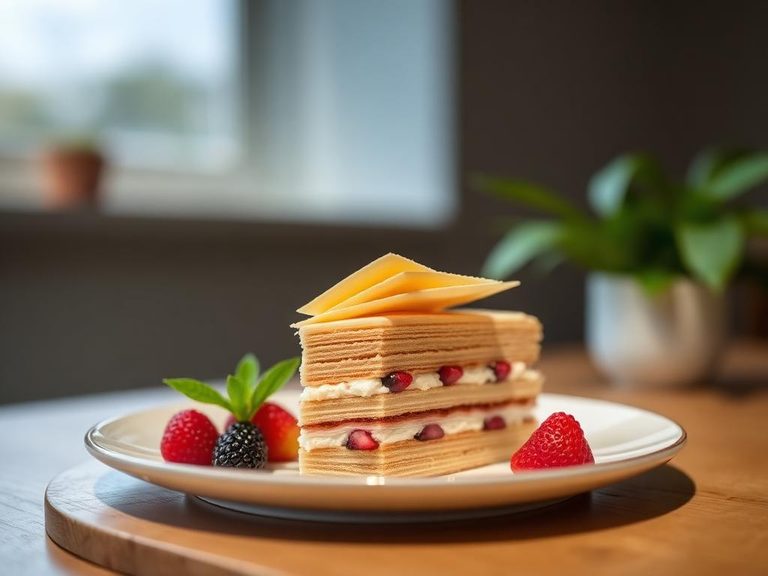
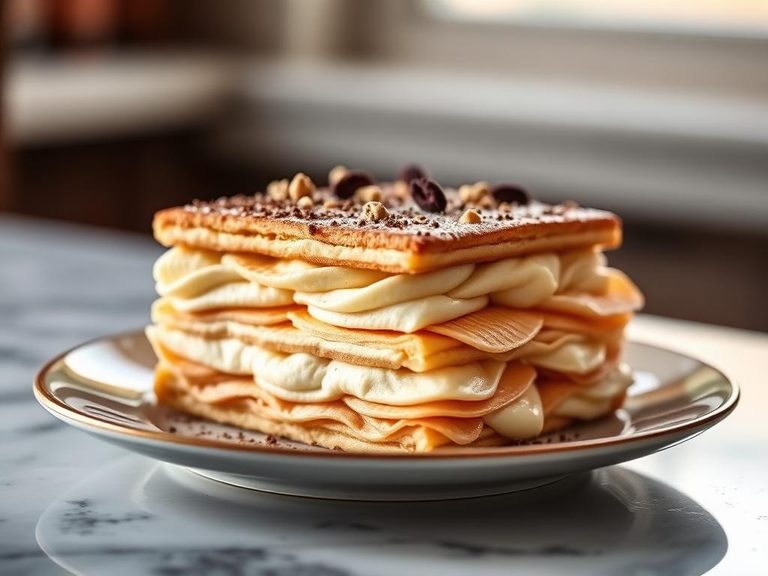
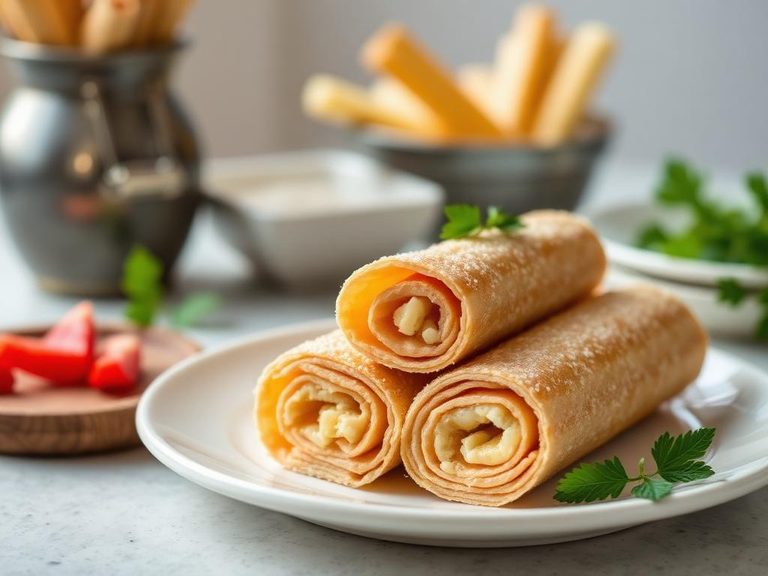
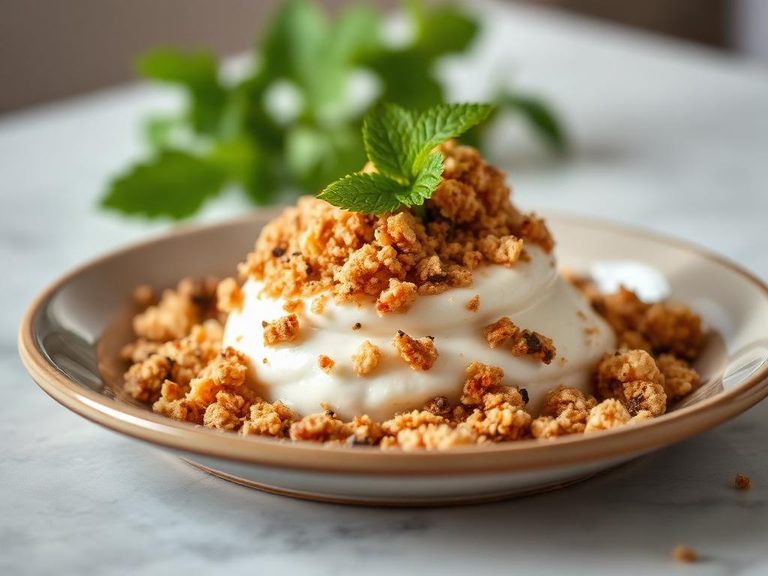
🌍 Where it's eaten
💡 Did you know?
The iconic grid pattern on a wafer cookie isn't just for looks; it was originally designed to help the thin batter cook evenly and to create pockets that hold creamy fillings better.
Full nutrition (USDA data · scales with serving)
| Water | 0.70 g |
| Energy | 531 kcal |
| Protein | 3.6 g |
| Total lipid (fat) | 28.6 g |
| Carbohydrate, by difference | 66.3 g |
| Fiber, total dietary | 14.3 g |
| Total Sugars | 0.00 g |
| Calcium, Ca | 0.00 mg |
| Iron, Fe | 1.3 mg |
| Magnesium, Mg | 7.0 mg |
| Phosphorus, P | 40.0 mg |
| Potassium, K | 57.0 mg |
| Sodium, Na | 71.0 mg |
| Zinc, Zn | 0.20 mg |
| Copper, Cu | 0.04 mg |
| Selenium, Se | 6.3 ug |
| Vitamin C, total ascorbic acid | 0.00 mg |
| Thiamin | 0.24 mg |
| Riboflavin | 0.15 mg |
| Niacin | 1.8 mg |
| Vitamin B-6 | 0.01 mg |
| Folate, total | 42.0 ug |
| Folic acid | 38.0 ug |
| Folate, food | 4.0 ug |
| Folate, DFE | 69.0 ug |
| Choline, total | 1.2 mg |
| Vitamin B-12 | 0.00 ug |
| Vitamin B-12, added | 0.00 ug |
| Vitamin A, RAE | 0.00 ug |
| Retinol | 0.00 ug |
| Carotene, beta | 0.00 ug |
| Carotene, alpha | 0.00 ug |
| Cryptoxanthin, beta | 0.00 ug |
| Lycopene | 0.00 ug |
| Lutein + zeaxanthin | 31.0 ug |
| Vitamin E (alpha-tocopherol) | 3.1 mg |
| Vitamin E, added | 0.00 mg |
| Vitamin D (D2 + D3) | 0.00 ug |
| Vitamin K (phylloquinone) | 2.6 ug |
| Alcohol, ethyl | 0.00 g |
| Caffeine | 0.00 mg |
| Theobromine | 0.00 mg |
Fat & fatty acid profile (per 100g)
| Fatty acids, total saturated | 4.3 g |
| SFA 4:0 | 0.00 g |
| SFA 6:0 | 0.00 g |
| SFA 8:0 | 0.00 g |
| SFA 10:0 | 0.00 g |
| SFA 12:0 | 0.00 g |
| SFA 14:0 | 0.03 g |
| SFA 16:0 | 2.8 g |
| SFA 18:0 | 1.4 g |
| Fatty acids, total monounsaturated | 12.1 g |
| MUFA 16:1 | 0.12 g |
| MUFA 18:1 | 12.0 g |
| MUFA 20:1 | 0.00 g |
| MUFA 22:1 | 0.00 g |
| Fatty acids, total polyunsaturated | 10.7 g |
| PUFA 18:2 | 10.0 g |
| PUFA 18:3 | 0.74 g |
| PUFA 18:4 | 0.00 g |
| PUFA 20:4 | 0.00 g |
| PUFA 20:5 n-3 (EPA) | 0.00 g |
| PUFA 22:5 n-3 (DPA) | 0.00 g |
| PUFA 22:6 n-3 (DHA) | 0.00 g |
| Cholesterol | 0.00 mg |
Amino acid profile (per 100g)
Estimated from Pie Crust, Cookie-type, Chocolate, Ready Crust — USDA does not publish this profile for Cookie.
| Tryptophan | 0.08 g |
| Threonine | 0.20 g |
| Isoleucine | 0.23 g |
| Leucine | 0.38 g |
| Lysine | 0.24 g |
| Methionine | 0.07 g |
| Cystine | 0.11 g |
| Phenylalanine | 0.28 g |
| Tyrosine | 0.16 g |
| Valine | 0.32 g |
| Arginine | 0.29 g |
| Histidine | 0.11 g |
| Alanine | 0.24 g |
| Aspartic acid | 0.45 g |
| Glutamic acid | 1.3 g |
| Glycine | 0.24 g |
| Proline | 0.42 g |
| Serine | 0.26 g |
FAQ
Is a sugar-free wafer a healthy snack?
While it contains no added sugar, it is still a processed food high in calories, refined carbohydrates, and fats. It's best enjoyed as an occasional treat rather than a health food.
Why does it have so many calories if it's sugar-free?
The calories come primarily from its high fat content (from oils or butter in the batter and cream filling) and its carbohydrate base, which is typically refined flour.
Can I eat this on a keto or low-carb diet?
Generally, no. With over 66g of carbohydrates per 100g, it is far too high in carbs for a standard ketogenic diet, even without sugar.
Nutrient density (calculated · NRF9.3)
Nutrient Rich Foods index: beneficial nutrients (protein, fiber, vitamins, minerals) minus saturated fat, added sugar & sodium, per 100 kcal.
NRF9.3 index — Fulgoni, Keast & Drewnowski, 2009. Computed from USDA nutrients.
Weight-loss friendliness (composite index)
Energy density 5.31 kcal/g · 3% calories from protein · 14.3 g fiber · 0.0 g sugar per 100 g.
Composite of energy density (Rolls et al., 1999), protein & fiber satiety, minus sugar. A calculated heuristic — ranks satiety-per-calorie, not a clinical measure.
Dietary load (calculated from USDA values)
Potential renal acid load. Positive = acid-forming, negative = alkaline-forming.
Sodium-to-potassium ratio: 1.25 (lower is better — aim for ≤ 1)
Sodium:potassium per WHO potassium guidance. Computed from USDA nutrients.