

Cookie, NFS
Common food
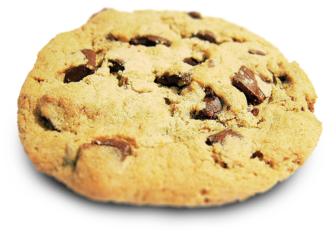
Photo: Wikipedia
A classic, sweet baked treat, the cookie is a dense, crumbly confection typically made from flour, sugar, and fat, with a texture ranging from chewy to crisp depending on the recipe. Its primary nutritional profile is a significant source of energy, with carbohydrates and fats providing the bulk of its 492 calories per 100g. The high sugar content, at nearly 33g per 100g, makes it a potent source of quick energy and a defining characteristic of its sweet taste.
Calorie split: 4% protein · 52% carbs · 44% fat
↓ Full nutrition💚 Why it's loved
People love cookies for their comforting, sweet flavor and satisfying texture, which can range from a soft, chewy center to a crisp, buttery edge. They are a ubiquitous treat in many cultures, often associated with nostalgia, holidays, and simple daily pleasures.
⚠️ Watch-outs & how to enjoy it better
The high sugar and fat content can lead to rapid blood-sugar spikes and contribute to weight gain if consumed in excess. Those with gluten or dairy sensitivities should be cautious, as these are common ingredients. To counteract, pair a cookie with a source of protein or healthy fat (like nuts or yogurt) to slow sugar absorption, practice strict portion control, or seek out recipes using alternative flours and sweeteners.
Key benefits
- Provides a quick source of energy from carbohydrates and sugars
- Offers a small amount of dietary fiber (2g per 100g)
- Contains some protein (5.1g per 100g) from flour and other ingredients
- Can be a source of enjoyment and psychological comfort
- Versatile for pairing with beverages like coffee, milk, or tea
🍽️ Popular dishes
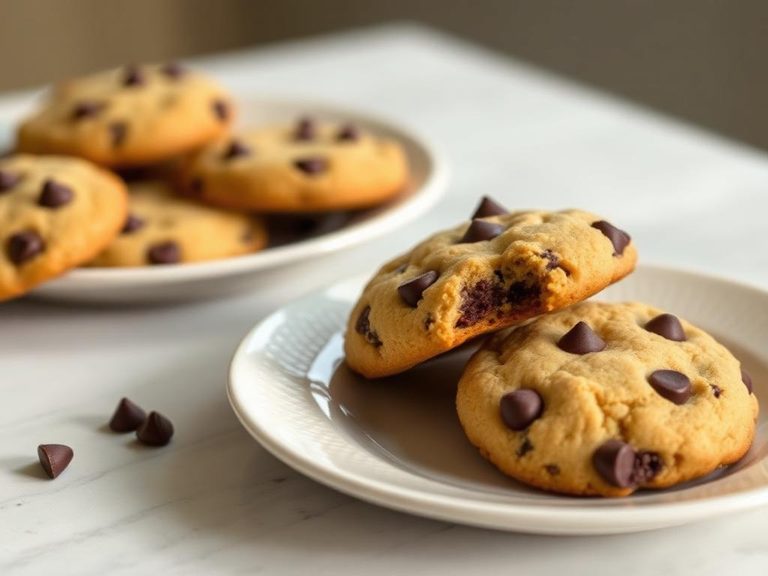
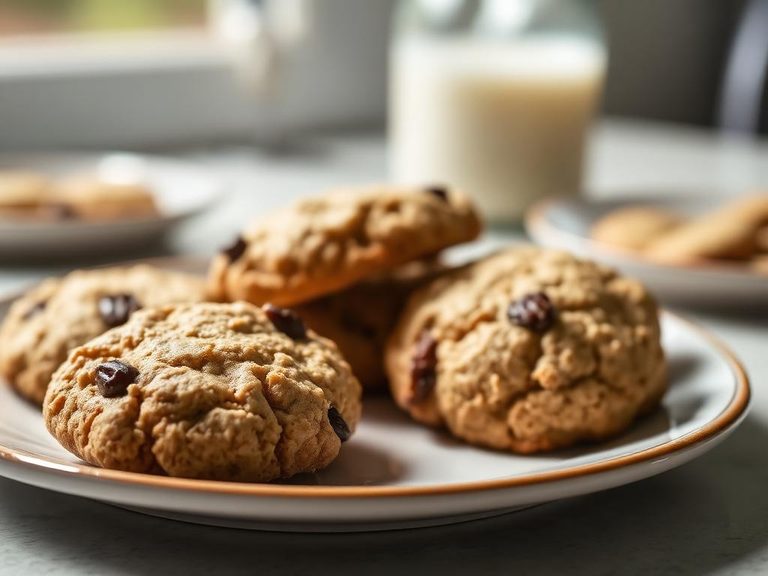
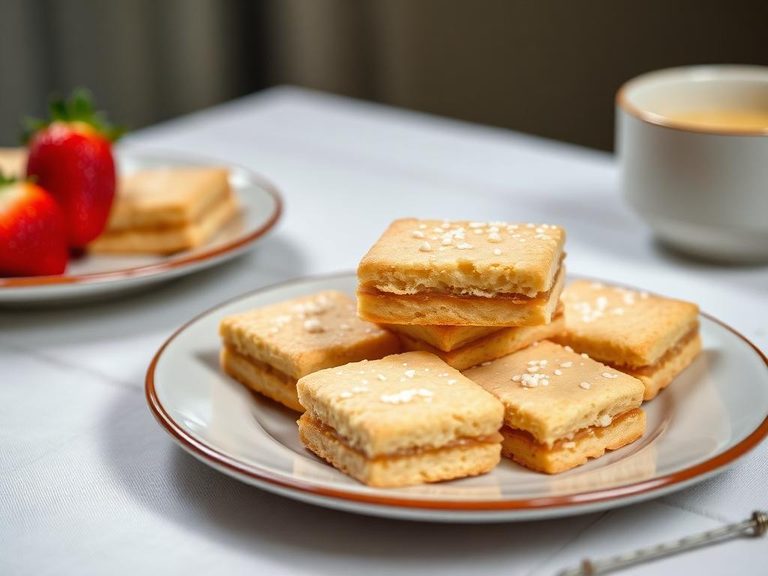

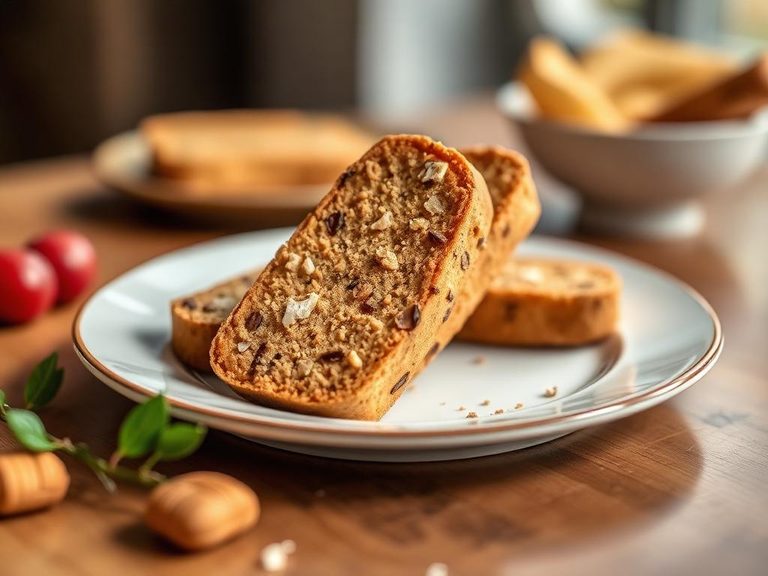
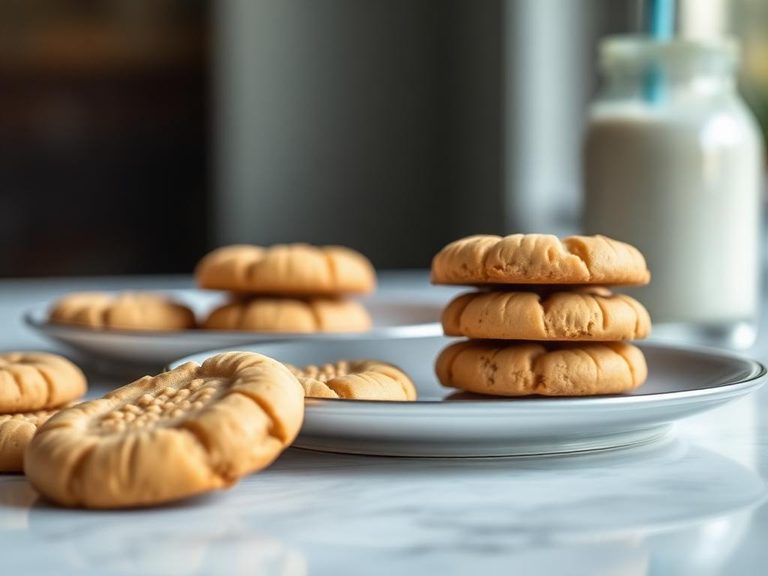
🌍 Where it's eaten
💡 Did you know?
The word 'cookie' derives from the Dutch word 'koekje', meaning 'little cake', and the first known recipe for a cookie-like treat appeared in a 7th-century Persian cookbook.
Full nutrition (USDA data · scales with serving)
| Water | 3.6 g |
| Energy | 492 kcal |
| Protein | 5.1 g |
| Total lipid (fat) | 24.7 g |
| Carbohydrate, by difference | 65.4 g |
| Fiber, total dietary | 2.0 g |
| Total Sugars | 32.9 g |
| Calcium, Ca | 21.0 mg |
| Iron, Fe | 5.6 mg |
| Magnesium, Mg | 41.0 mg |
| Phosphorus, P | 109 mg |
| Potassium, K | 171 mg |
| Sodium, Na | 311 mg |
| Zinc, Zn | 0.72 mg |
| Copper, Cu | 0.32 mg |
| Selenium, Se | 3.9 ug |
| Vitamin C, total ascorbic acid | 0.00 mg |
| Thiamin | 0.29 mg |
| Riboflavin | 0.30 mg |
| Niacin | 2.7 mg |
| Vitamin B-6 | 0.06 mg |
| Folate, total | 72.0 ug |
| Folic acid | 29.0 ug |
| Folate, food | 43.0 ug |
| Folate, DFE | 92.0 ug |
| Choline, total | 10.5 mg |
| Vitamin B-12 | 0.03 ug |
| Vitamin B-12, added | 0.00 ug |
| Vitamin A, RAE | 0.00 ug |
| Retinol | 0.00 ug |
| Carotene, beta | 0.00 ug |
| Carotene, alpha | 0.00 ug |
| Cryptoxanthin, beta | 0.00 ug |
| Lycopene | 0.00 ug |
| Lutein + zeaxanthin | 1.0 ug |
| Vitamin E (alpha-tocopherol) | 2.0 mg |
| Vitamin E, added | 0.00 mg |
| Vitamin D (D2 + D3) | 0.00 ug |
| Vitamin K (phylloquinone) | 33.7 ug |
| Alcohol, ethyl | 0.00 g |
| Caffeine | 11.0 mg |
| Theobromine | 83.0 mg |
Fat & fatty acid profile (per 100g)
| Fatty acids, total saturated | 8.1 g |
| SFA 4:0 | 0.00 g |
| SFA 6:0 | 0.00 g |
| SFA 8:0 | 0.00 g |
| SFA 10:0 | 0.01 g |
| SFA 12:0 | 0.01 g |
| SFA 14:0 | 0.06 g |
| SFA 16:0 | 4.5 g |
| SFA 18:0 | 3.3 g |
| Fatty acids, total monounsaturated | 6.3 g |
| MUFA 16:1 | 0.03 g |
| MUFA 18:1 | 6.2 g |
| MUFA 20:1 | 0.03 g |
| MUFA 22:1 | 0.01 g |
| Fatty acids, total polyunsaturated | 8.4 g |
| PUFA 18:2 | 7.5 g |
| PUFA 18:3 | 0.88 g |
| PUFA 18:4 | 0.00 g |
| PUFA 20:4 | 0.01 g |
| PUFA 20:5 n-3 (EPA) | 0.00 g |
| PUFA 22:5 n-3 (DPA) | 0.00 g |
| PUFA 22:6 n-3 (DHA) | 0.00 g |
| Cholesterol | 0.00 mg |
Amino acid profile (per 100g)
Estimated from Pie Crust, Cookie-type, Chocolate, Ready Crust — USDA does not publish this profile for Cookie.
| Tryptophan | 0.08 g |
| Threonine | 0.20 g |
| Isoleucine | 0.23 g |
| Leucine | 0.38 g |
| Lysine | 0.24 g |
| Methionine | 0.07 g |
| Cystine | 0.11 g |
| Phenylalanine | 0.28 g |
| Tyrosine | 0.16 g |
| Valine | 0.32 g |
| Arginine | 0.29 g |
| Histidine | 0.11 g |
| Alanine | 0.24 g |
| Aspartic acid | 0.45 g |
| Glutamic acid | 1.3 g |
| Glycine | 0.24 g |
| Proline | 0.42 g |
| Serine | 0.26 g |
FAQ
What does NFS stand for in 'Cookie, NFS'?
NFS typically stands for 'Not Further Specified' in food databases, indicating a generic or unspecified type of cookie without a particular recipe or brand.
Are cookies a good source of nutrients?
Cookies are primarily a source of energy from carbohydrates and fats, with minimal essential nutrients. They are best enjoyed in moderation as a treat rather than a nutritional staple.
How can I make cookies healthier?
You can reduce sugar, use whole-grain flours, add oats or nuts for fiber and protein, and incorporate healthier fats like olive oil or avocado. Using natural sweeteners like honey or maple syrup in moderation can also help.
Nutrient density (calculated · NRF9.3)
Nutrient Rich Foods index: beneficial nutrients (protein, fiber, vitamins, minerals) minus saturated fat, added sugar & sodium, per 100 kcal.
NRF9.3 index — Fulgoni, Keast & Drewnowski, 2009. Computed from USDA nutrients.
Weight-loss friendliness (composite index)
Energy density 4.92 kcal/g · 4% calories from protein · 2.0 g fiber · 32.9 g sugar per 100 g.
Composite of energy density (Rolls et al., 1999), protein & fiber satiety, minus sugar. A calculated heuristic — ranks satiety-per-calorie, not a clinical measure.
Dietary load (calculated from USDA values)
Potential renal acid load. Positive = acid-forming, negative = alkaline-forming.
Sodium-to-potassium ratio: 1.82 (lower is better — aim for ≤ 1)
Sodium:potassium per WHO potassium guidance. Computed from USDA nutrients.