

Collards, frozen, cooked with oil
Common food

Photo: Wikipedia
Frozen collard greens, cooked with oil, are a hearty, soulful staple with a deep, earthy flavor and a tender, slightly chewy texture. They pack a surprising nutritional punch for just 61 calories per 100g, offering a solid dose of protein and fiber alongside their signature savory richness.
Calorie split: 17% protein · 40% carbs · 43% fat
↓ Full nutrition💚 Why it's loved
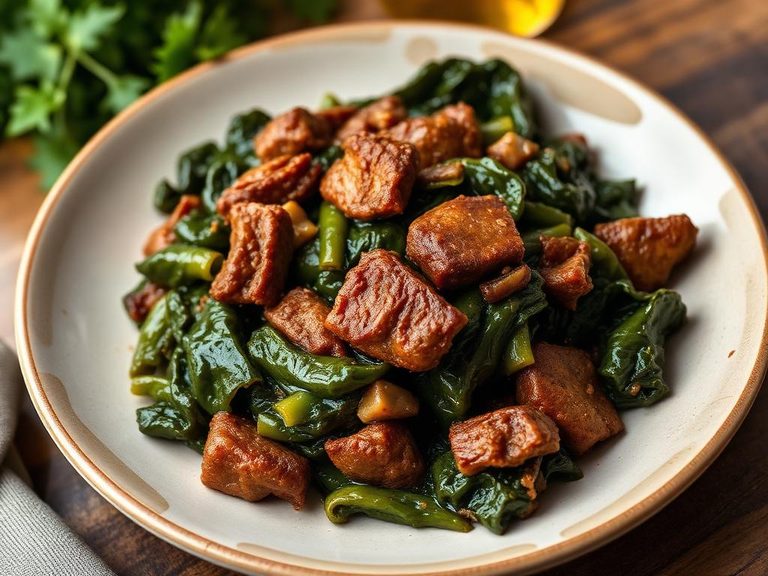
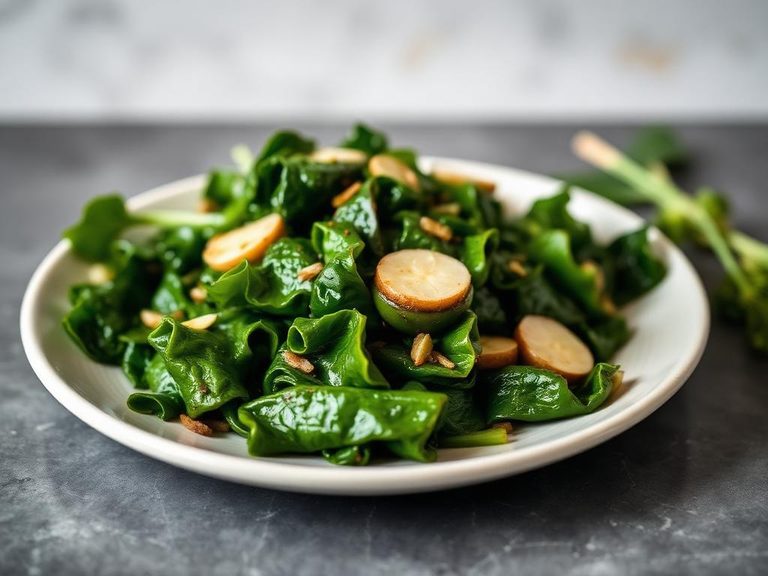
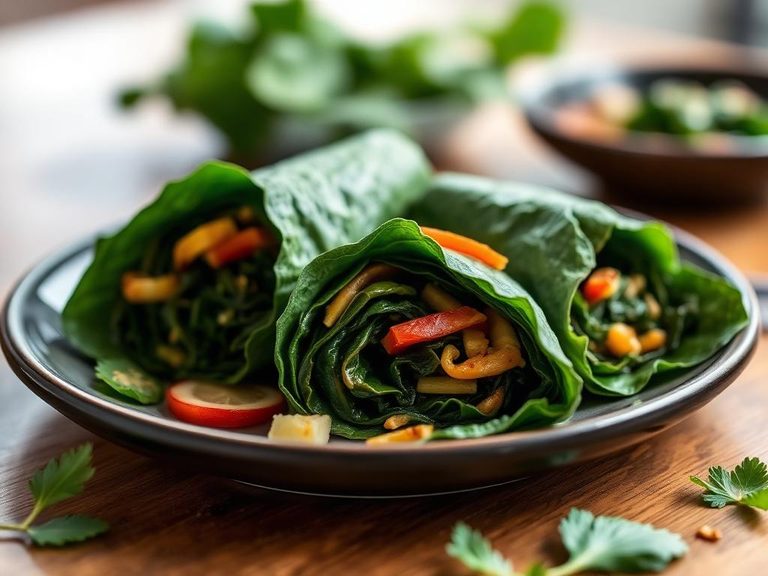
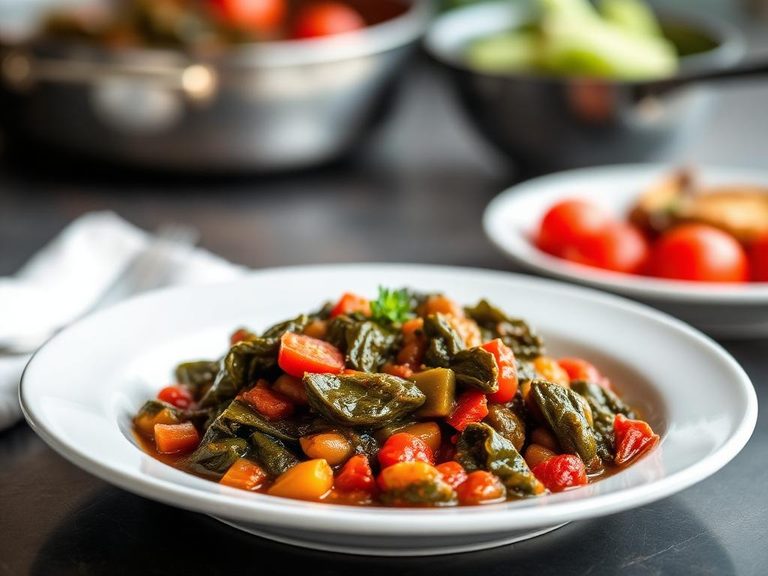
People love them for their deep, comforting flavor that absorbs seasonings like smoked turkey or bacon fat, and for their role as a cornerstone of Southern and soul food traditions. They are incredibly versatile, serving as a simple side dish or a hearty base for soups and stews.
⚠️ Watch-outs & how to enjoy it better
The natural bitterness of collards can be off-putting to some, and they are high in oxalates, which can contribute to kidney stone formation in susceptible individuals. To counteract bitterness, cook them with a splash of vinegar or lemon juice; to manage oxalates, ensure you drink plenty of water and don't rely on them as your sole vegetable source.
Key benefits
- Excellent source of fiber (2.7g per 100g) for digestive health.
- Provides a notable amount of plant-based protein (2.88g per 100g).
- Very low in sugar (0.55g per 100g).
- A nutrient-dense, low-calorie vegetable option.
🍽️ Popular dishes
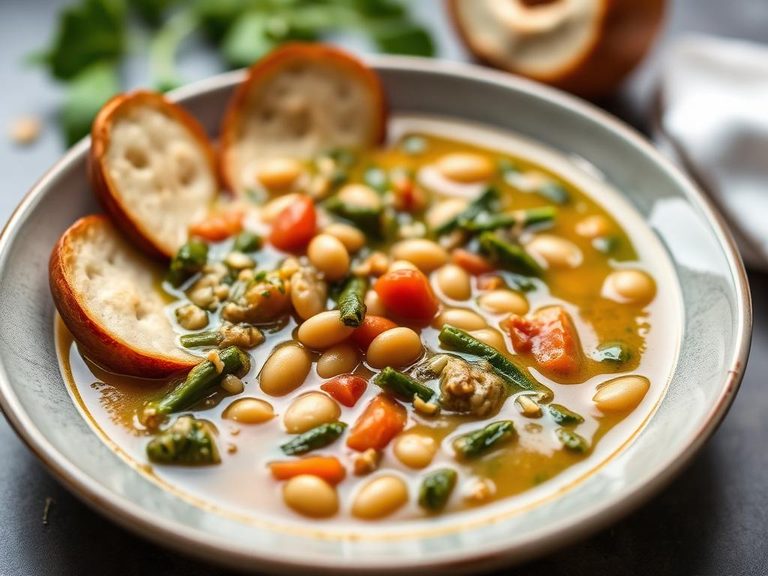
🌍 Where it's eaten
💡 Did you know?
Collard greens are one of the oldest members of the cabbage family, with a history of cultivation dating back to ancient Greece and Rome, long before they became a staple of the American South.
Full nutrition (USDA data · scales with serving)
| Water | 85.6 g |
| Energy | 61.0 kcal |
| Protein | 2.9 g |
| Total lipid (fat) | 3.3 g |
| Carbohydrate, by difference | 6.9 g |
| Fiber, total dietary | 2.7 g |
| Total Sugars | 0.55 g |
| Calcium, Ca | 203 mg |
| Iron, Fe | 1.1 mg |
| Magnesium, Mg | 29.0 mg |
| Phosphorus, P | 26.0 mg |
| Potassium, K | 243 mg |
| Sodium, Na | 161 mg |
| Zinc, Zn | 0.26 mg |
| Copper, Cu | 0.05 mg |
| Selenium, Se | 1.5 ug |
| Vitamin C, total ascorbic acid | 25.6 mg |
| Thiamin | 0.04 mg |
| Riboflavin | 0.11 mg |
| Niacin | 0.61 mg |
| Vitamin B-6 | 0.11 mg |
| Folate, total | 74.0 ug |
| Folic acid | 0.00 ug |
| Folate, food | 74.0 ug |
| Folate, DFE | 74.0 ug |
| Choline, total | 43.7 mg |
| Vitamin B-12 | 0.00 ug |
| Vitamin B-12, added | 0.00 ug |
| Vitamin A, RAE | 557 ug |
| Retinol | 0.00 ug |
| Carotene, beta | 6600 ug |
| Carotene, alpha | 123 ug |
| Cryptoxanthin, beta | 27.0 ug |
| Lycopene | 0.00 ug |
| Lutein + zeaxanthin | 10550 ug |
| Vitamin E (alpha-tocopherol) | 1.8 mg |
| Vitamin E, added | 0.00 mg |
| Vitamin D (D2 + D3) | 0.00 ug |
| Vitamin K (phylloquinone) | 606 ug |
| Alcohol, ethyl | 0.00 g |
| Caffeine | 0.00 mg |
| Theobromine | 0.00 mg |
Fat & fatty acid profile (per 100g)
| Fatty acids, total saturated | 0.45 g |
| SFA 4:0 | 0.00 g |
| SFA 6:0 | 0.00 g |
| SFA 8:0 | 0.00 g |
| SFA 10:0 | 0.00 g |
| SFA 12:0 | 0.00 g |
| SFA 14:0 | 0.00 g |
| SFA 16:0 | 0.33 g |
| SFA 18:0 | 0.09 g |
| Fatty acids, total monounsaturated | 1.3 g |
| MUFA 16:1 | 0.02 g |
| MUFA 18:1 | 1.2 g |
| MUFA 20:1 | 0.02 g |
| MUFA 22:1 | 0.00 g |
| Fatty acids, total polyunsaturated | 1.3 g |
| PUFA 18:2 | 1.0 g |
| PUFA 18:3 | 0.25 g |
| PUFA 18:4 | 0.00 g |
| PUFA 20:4 | 0.00 g |
| PUFA 20:5 n-3 (EPA) | 0.00 g |
| PUFA 22:5 n-3 (DPA) | 0.00 g |
| PUFA 22:6 n-3 (DHA) | 0.00 g |
| Cholesterol | 0.00 mg |
Amino acid profile (per 100g)
Estimated from Collards, cooked, boiled, drained, with salt — USDA does not publish this profile for Collards.
| Tryptophan | 0.03 g |
| Threonine | 0.07 g |
| Isoleucine | 0.09 g |
| Leucine | 0.13 g |
| Lysine | 0.10 g |
| Methionine | 0.03 g |
| Cystine | 0.02 g |
| Phenylalanine | 0.07 g |
| Tyrosine | 0.06 g |
| Valine | 0.10 g |
| Arginine | 0.11 g |
| Histidine | 0.04 g |
| Alanine | 0.09 g |
| Aspartic acid | 0.16 g |
| Glutamic acid | 0.18 g |
| Glycine | 0.08 g |
| Proline | 0.09 g |
| Serine | 0.07 g |
FAQ
Are frozen collard greens as nutritious as fresh?
Yes, frozen collard greens are often just as nutritious as fresh, as they are typically flash-frozen shortly after harvest, which preserves their vitamins and minerals. The cooking process, however, can reduce some heat-sensitive nutrients like vitamin C.
How can I reduce the bitterness of cooked collard greens?
You can reduce bitterness by adding a small amount of acid like apple cider vinegar, lemon juice, or even a pinch of sugar during cooking. Also, using a flavorful cooking fat like bacon grease or smoked turkey can balance the earthy taste.
Are collard greens high in oxalates?
Yes, collard greens contain oxalates, which can contribute to kidney stones in some people. If you are prone to kidney stones, it's advisable to consume them in moderation and drink plenty of water.
Nutrient density (calculated · NRF9.3)
Nutrient Rich Foods index: beneficial nutrients (protein, fiber, vitamins, minerals) minus saturated fat, added sugar & sodium, per 100 kcal.
NRF9.3 index — Fulgoni, Keast & Drewnowski, 2009. Computed from USDA nutrients.
Weight-loss friendliness (composite index)
Energy density 0.61 kcal/g · 19% calories from protein · 2.7 g fiber · 0.6 g sugar per 100 g.
Composite of energy density (Rolls et al., 1999), protein & fiber satiety, minus sugar. A calculated heuristic — ranks satiety-per-calorie, not a clinical measure.
Dietary load (calculated from USDA values)
Potential renal acid load. Positive = acid-forming, negative = alkaline-forming.
Sodium-to-potassium ratio: 0.66 (lower is better — aim for ≤ 1)
Sodium:potassium per WHO potassium guidance. Computed from USDA nutrients.