

Coffee, instant, 50% less caffeine, reconstituted
Common food

Photo: Wikipedia
Instant coffee with 50% less caffeine is a finely processed, soluble powder that dissolves instantly in hot water, yielding a light to medium-bodied brew with a milder, less bitter profile than regular coffee. Nutritionally, it is extremely low in calories, carbohydrates, and protein, making it a near-zero-calorie beverage base. Its defining feature is the reduced stimulant effect, offering the ritual and flavor of coffee with a gentler impact on the nervous system.
Calorie split: 16% protein · 84% carbs · 0% fat
↓ Full nutrition💚 Why it's loved
People love it for its unmatched convenience and consistency, delivering a familiar coffee flavor in seconds without brewing equipment. It's a staple in offices, travel kits, and homes for a quick, comforting cup that can be easily customized with milk, sweeteners, or spices.
⚠️ Watch-outs & how to enjoy it better
Some find its flavor profile less complex and aromatic than freshly brewed coffee, often describing it as flatter or more bitter. Those with acid reflux or sensitive stomachs may still find it acidic; pairing it with a small amount of plant-based milk or a banana can help buffer acidity. The reduced caffeine, while a benefit for some, may not provide the desired alertness for habitual coffee drinkers.
Key benefits
- Very low calorie (3 kcal per 100g reconstituted)
- Contains antioxidants like chlorogenic acid
- Provides a milder caffeine boost for sensitive individuals
- Extremely convenient and fast to prepare
- Shelf-stable for long periods
🍽️ Popular dishes
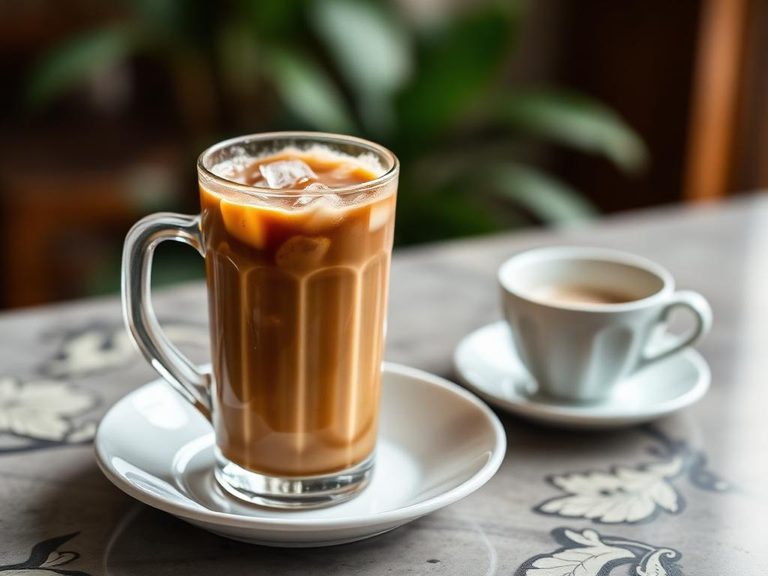
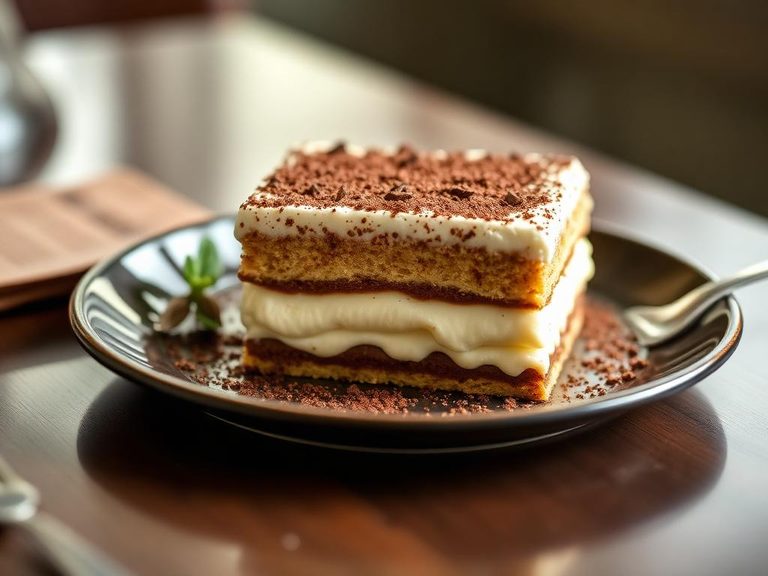
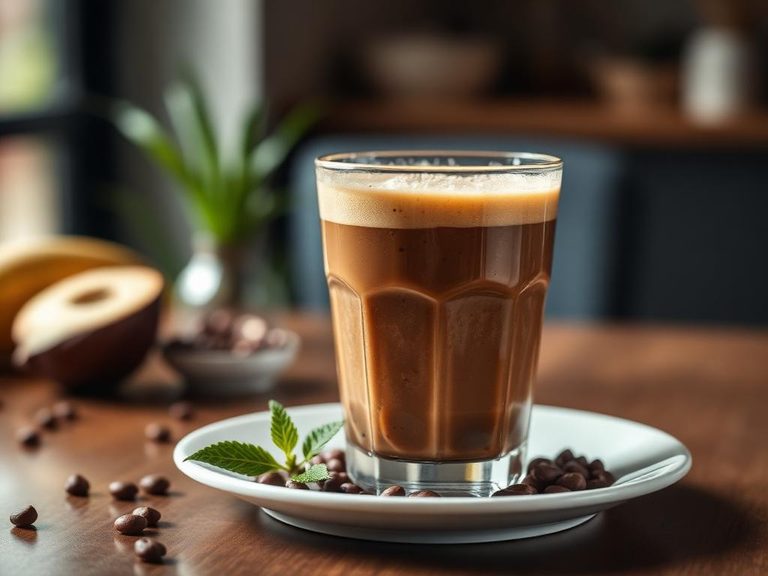
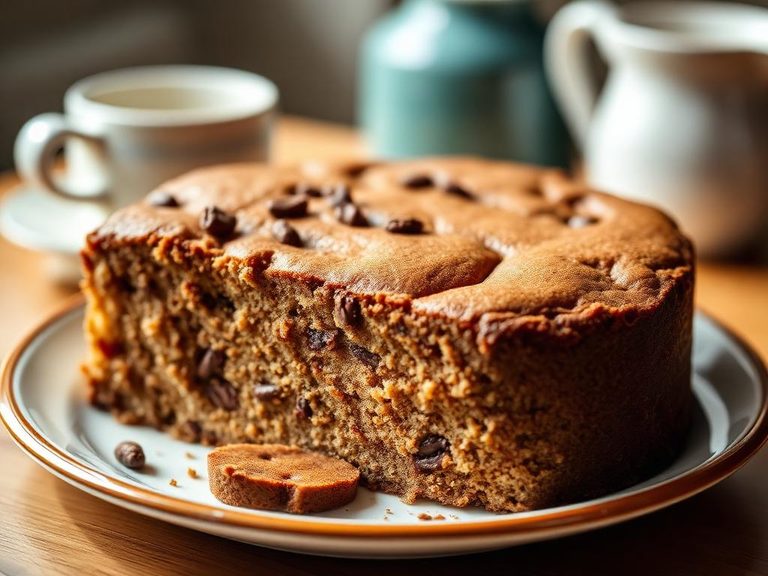

🌍 Where it's eaten
💡 Did you know?
The process of making instant coffee was first patented in 1901 by Japanese-American chemist Satori Kato, but it was American businessman George Constant Louis Washington who commercialized it on a large scale in 1910, marketing it as 'Red E Coffee'.
Full nutrition (USDA data · scales with serving)
| Water | 99.1 g |
| Energy | 3.0 kcal |
| Protein | 0.12 g |
| Total lipid (fat) | 0.00 g |
| Carbohydrate, by difference | 0.61 g |
| Fiber, total dietary | 0.00 g |
| Total Sugars | 0.00 g |
| Calcium, Ca | 4.0 mg |
| Iron, Fe | 0.04 mg |
| Magnesium, Mg | 4.0 mg |
| Phosphorus, P | 3.0 mg |
| Potassium, K | 30.0 mg |
| Sodium, Na | 4.0 mg |
| Zinc, Zn | 0.01 mg |
| Copper, Cu | 0.01 mg |
| Selenium, Se | 0.10 ug |
| Vitamin C, total ascorbic acid | 0.00 mg |
| Thiamin | 0.00 mg |
| Riboflavin | 0.00 mg |
| Niacin | 0.24 mg |
| Vitamin B-6 | 0.00 mg |
| Folate, total | 0.00 ug |
| Folic acid | 0.00 ug |
| Folate, food | 0.00 ug |
| Folate, DFE | 0.00 ug |
| Choline, total | 0.90 mg |
| Vitamin B-12 | 0.00 ug |
| Vitamin B-12, added | 0.00 ug |
| Vitamin A, RAE | 0.00 ug |
| Retinol | 0.00 ug |
| Carotene, beta | 0.00 ug |
| Carotene, alpha | 0.00 ug |
| Cryptoxanthin, beta | 0.00 ug |
| Lycopene | 0.00 ug |
| Lutein + zeaxanthin | 0.00 ug |
| Vitamin E (alpha-tocopherol) | 0.00 mg |
| Vitamin E, added | 0.00 mg |
| Vitamin D (D2 + D3) | 0.00 ug |
| Vitamin K (phylloquinone) | 0.00 ug |
| Alcohol, ethyl | 0.00 g |
| Caffeine | 13.0 mg |
| Theobromine | 0.00 mg |
Fat & fatty acid profile (per 100g)
| Fatty acids, total saturated | 0.00 g |
| SFA 4:0 | 0.00 g |
| SFA 6:0 | 0.00 g |
| SFA 8:0 | 0.00 g |
| SFA 10:0 | 0.00 g |
| SFA 12:0 | 0.00 g |
| SFA 14:0 | 0.00 g |
| SFA 16:0 | 0.00 g |
| SFA 18:0 | 0.00 g |
| Fatty acids, total monounsaturated | 0.00 g |
| MUFA 16:1 | 0.00 g |
| MUFA 18:1 | 0.00 g |
| MUFA 20:1 | 0.00 g |
| MUFA 22:1 | 0.00 g |
| Fatty acids, total polyunsaturated | 0.00 g |
| PUFA 18:2 | 0.00 g |
| PUFA 18:3 | 0.00 g |
| PUFA 18:4 | 0.00 g |
| PUFA 20:4 | 0.00 g |
| PUFA 20:5 n-3 (EPA) | 0.00 g |
| PUFA 22:5 n-3 (DPA) | 0.00 g |
| PUFA 22:6 n-3 (DHA) | 0.00 g |
| Cholesterol | 0.00 mg |
Amino acid profile (per 100g)
Estimated from Cream, fluid, light (coffee cream or table cream) — USDA does not publish this profile for Coffee.
| Tryptophan | 0.07 g |
| Threonine | 0.13 g |
| Isoleucine | 0.15 g |
| Leucine | 0.24 g |
| Lysine | 0.13 g |
| Methionine | 0.07 g |
| Cystine | 0.01 g |
| Phenylalanine | 0.14 g |
| Tyrosine | 0.14 g |
| Valine | 0.18 g |
| Arginine | 0.07 g |
| Histidine | 0.07 g |
| Alanine | 0.09 g |
| Aspartic acid | 0.22 g |
| Glutamic acid | 0.59 g |
| Glycine | 0.07 g |
| Proline | 0.31 g |
| Serine | 0.10 g |
FAQ
How is the caffeine reduced in this type of instant coffee?
The caffeine content is primarily reduced during the green coffee bean processing stage, often through a water or solvent-based extraction method, before the beans are roasted and turned into instant coffee granules.
Can I use this in baking recipes that call for brewed coffee?
Yes, you can. Simply dissolve the recommended amount of instant coffee powder in the hot liquid (like water or milk) specified in the recipe to create a coffee concentrate of equivalent strength.
Does reconstituted instant coffee have the same health benefits as brewed coffee?
It retains many of the same antioxidants, such as chlorogenic acids, but the levels can vary. The overall nutritional profile is very similar, as it is essentially brewed coffee that has been dehydrated.
Nutrient density (calculated · NRF9.3)
Nutrient Rich Foods index: beneficial nutrients (protein, fiber, vitamins, minerals) minus saturated fat, added sugar & sodium, per 100 kcal.
NRF9.3 index — Fulgoni, Keast & Drewnowski, 2009. Computed from USDA nutrients.
Weight-loss friendliness (composite index)
Energy density 0.03 kcal/g · 16% calories from protein · 0.0 g fiber · 0.0 g sugar per 100 g.
Composite of energy density (Rolls et al., 1999), protein & fiber satiety, minus sugar. A calculated heuristic — ranks satiety-per-calorie, not a clinical measure.
Dietary load (calculated from USDA values)
Potential renal acid load. Positive = acid-forming, negative = alkaline-forming.
Sodium-to-potassium ratio: 0.13 (lower is better — aim for ≤ 1)
Sodium:potassium per WHO potassium guidance. Computed from USDA nutrients.