

Coffee, instant, not reconstituted
Common food

Photo: Wikipedia
Instant coffee powder is a dehydrated, granulated form of brewed coffee, designed for rapid dissolution in hot water. Its taste is typically robust and slightly bitter, with a texture ranging from fine powder to coarse granules. Nutritionally, it's a concentrated source of carbohydrates and protein, but contains virtually no fat or fiber.
Calorie split: 14% protein · 85% carbs · 1% fat
↓ Full nutrition💚 Why it's loved
People love it for its unparalleled convenience and consistent, familiar flavor that delivers a reliable caffeine boost in seconds. It's a global staple for its versatility, easily mixed into hot or cold liquids, baking recipes, or even energy bars.
⚠️ Watch-outs & how to enjoy it better
The primary downside is its highly processed nature, which can lead to a less nuanced, sometimes bitter or burnt flavor compared to fresh brew. It's also a highly concentrated powder; consuming it dry or in excess can cause a rapid spike in blood sugar due to its high carbohydrate content. To counteract this, always dissolve it fully in water and consider pairing it with a source of protein or fat (like milk or nuts) to slow sugar absorption.
Key benefits
- Extremely quick and convenient preparation
- Long shelf life without refrigeration
- Provides a quick source of energy from carbohydrates
- Contains antioxidants like chlorogenic acid
- Low in calories per serving when reconstituted
🍽️ Popular dishes

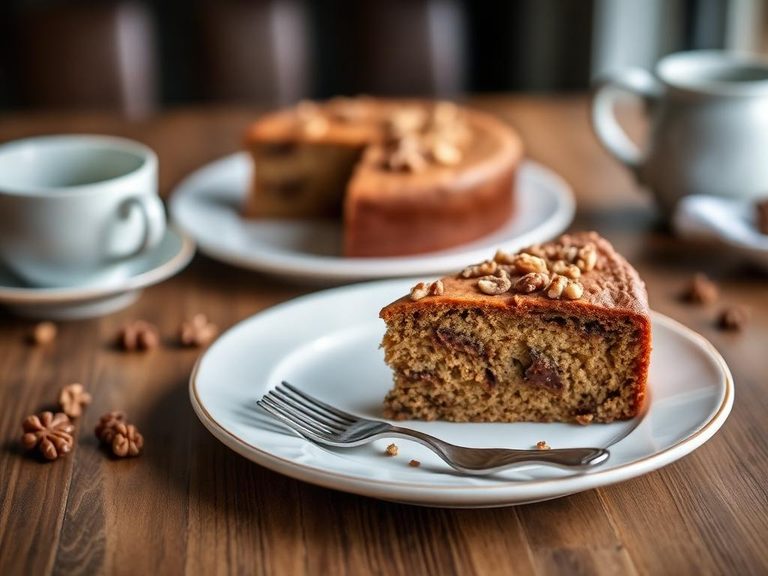


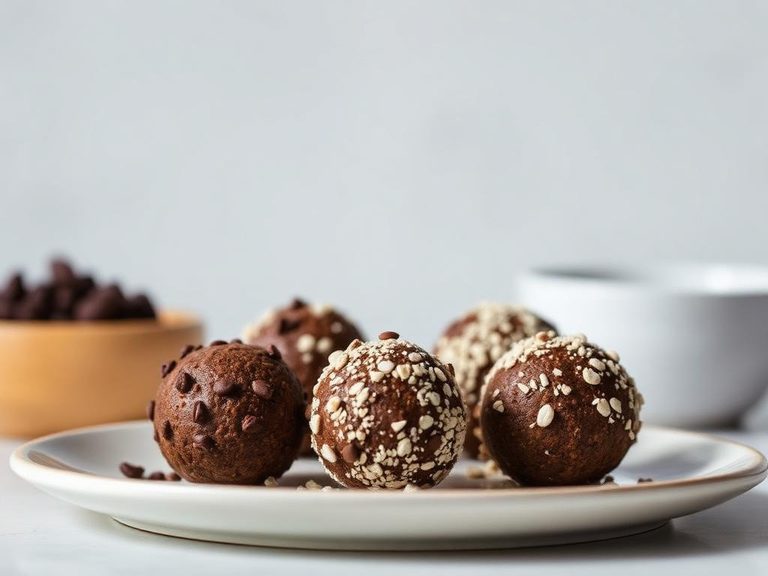
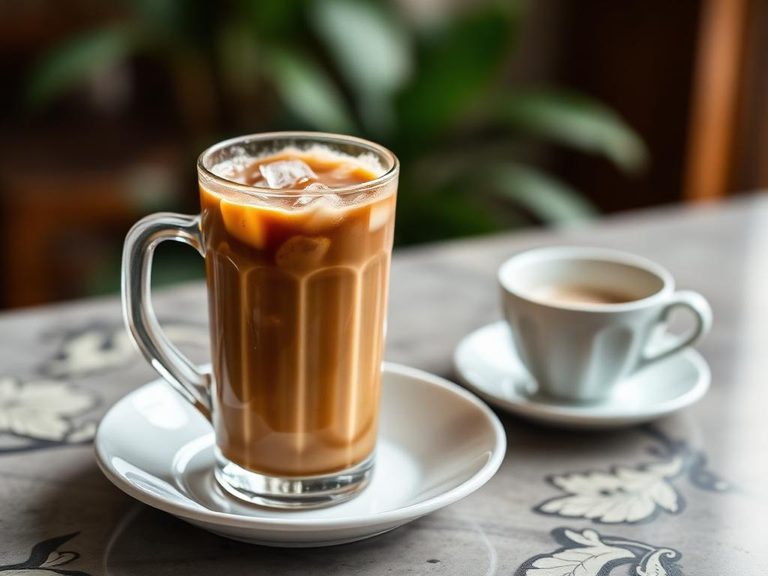
🌍 Where it's eaten
💡 Did you know?
The technology for mass-producing instant coffee was significantly advanced during World War II, as the U.S. military needed a lightweight, portable coffee source for soldiers in the field.
Full nutrition (USDA data · scales with serving)
| Water | 3.1 g |
| Energy | 353 kcal |
| Protein | 12.2 g |
| Total lipid (fat) | 0.50 g |
| Carbohydrate, by difference | 75.4 g |
| Fiber, total dietary | 0.00 g |
| Total Sugars | 0.00 g |
| Calcium, Ca | 141 mg |
| Iron, Fe | 4.4 mg |
| Magnesium, Mg | 327 mg |
| Phosphorus, P | 303 mg |
| Potassium, K | 3535 mg |
| Sodium, Na | 37.0 mg |
| Zinc, Zn | 0.35 mg |
| Copper, Cu | 0.14 mg |
| Selenium, Se | 12.6 ug |
| Vitamin C, total ascorbic acid | 0.00 mg |
| Thiamin | 0.01 mg |
| Riboflavin | 0.07 mg |
| Niacin | 28.2 mg |
| Vitamin B-6 | 0.03 mg |
| Folate, total | 0.00 ug |
| Folic acid | 0.00 ug |
| Folate, food | 0.00 ug |
| Folate, DFE | 0.00 ug |
| Choline, total | 102 mg |
| Vitamin B-12 | 0.00 ug |
| Vitamin B-12, added | 0.00 ug |
| Vitamin A, RAE | 0.00 ug |
| Retinol | 0.00 ug |
| Carotene, beta | 0.00 ug |
| Carotene, alpha | 0.00 ug |
| Cryptoxanthin, beta | 0.00 ug |
| Lycopene | 0.00 ug |
| Lutein + zeaxanthin | 0.00 ug |
| Vitamin E (alpha-tocopherol) | 0.00 mg |
| Vitamin E, added | 0.00 mg |
| Vitamin D (D2 + D3) | 0.00 ug |
| Vitamin K (phylloquinone) | 1.9 ug |
| Alcohol, ethyl | 0.00 g |
| Caffeine | 3142 mg |
| Theobromine | 0.00 mg |
Fat & fatty acid profile (per 100g)
| Fatty acids, total saturated | 0.20 g |
| SFA 4:0 | 0.00 g |
| SFA 6:0 | 0.00 g |
| SFA 8:0 | 0.00 g |
| SFA 10:0 | 0.00 g |
| SFA 12:0 | 0.00 g |
| SFA 14:0 | 0.00 g |
| SFA 16:0 | 0.15 g |
| SFA 18:0 | 0.04 g |
| Fatty acids, total monounsaturated | 0.04 g |
| MUFA 16:1 | 0.00 g |
| MUFA 18:1 | 0.04 g |
| MUFA 20:1 | 0.00 g |
| MUFA 22:1 | 0.00 g |
| Fatty acids, total polyunsaturated | 0.20 g |
| PUFA 18:2 | 0.18 g |
| PUFA 18:3 | 0.01 g |
| PUFA 18:4 | 0.00 g |
| PUFA 20:4 | 0.00 g |
| PUFA 20:5 n-3 (EPA) | 0.00 g |
| PUFA 22:5 n-3 (DPA) | 0.00 g |
| PUFA 22:6 n-3 (DHA) | 0.00 g |
| Cholesterol | 0.00 mg |
Amino acid profile (per 100g)
Estimated from Cream, fluid, light (coffee cream or table cream) — USDA does not publish this profile for Coffee.
| Tryptophan | 0.07 g |
| Threonine | 0.13 g |
| Isoleucine | 0.15 g |
| Leucine | 0.24 g |
| Lysine | 0.13 g |
| Methionine | 0.07 g |
| Cystine | 0.01 g |
| Phenylalanine | 0.14 g |
| Tyrosine | 0.14 g |
| Valine | 0.18 g |
| Arginine | 0.07 g |
| Histidine | 0.07 g |
| Alanine | 0.09 g |
| Aspartic acid | 0.22 g |
| Glutamic acid | 0.59 g |
| Glycine | 0.07 g |
| Proline | 0.31 g |
| Serine | 0.10 g |
FAQ
Is instant coffee less healthy than brewed coffee?
It generally contains similar antioxidants and slightly less caffeine. The main difference is the processing, which can create small amounts of acrylamide, though levels are still considered safe. Its nutritional profile is comparable when reconstituted.
Why does my instant coffee taste different from day to day?
Variations can come from water temperature, the amount of powder used, or even the brand's batch consistency. Using water that is just off the boil (around 90-96°C) and measuring the powder accurately will help achieve a more consistent taste.
Can I use instant coffee powder in baking?
Absolutely. It's a fantastic ingredient for adding deep coffee flavor to cakes, brownies, frostings, and ice cream without adding extra liquid. Dissolve it in a tiny amount of hot water or add it directly to dry ingredients.
Nutrient density (calculated · NRF9.3)
Nutrient Rich Foods index: beneficial nutrients (protein, fiber, vitamins, minerals) minus saturated fat, added sugar & sodium, per 100 kcal.
NRF9.3 index — Fulgoni, Keast & Drewnowski, 2009. Computed from USDA nutrients.
Weight-loss friendliness (composite index)
Energy density 3.53 kcal/g · 14% calories from protein · 0.0 g fiber · 0.0 g sugar per 100 g.
Composite of energy density (Rolls et al., 1999), protein & fiber satiety, minus sugar. A calculated heuristic — ranks satiety-per-calorie, not a clinical measure.
Dietary load (calculated from USDA values)
Potential renal acid load. Positive = acid-forming, negative = alkaline-forming.
Sodium-to-potassium ratio: 0.01 (lower is better — aim for ≤ 1)
Sodium:potassium per WHO potassium guidance. Computed from USDA nutrients.