

Coffee, bottled/canned, light
Common food

Photo: Wikipedia
A chilled, ready-to-drink coffee beverage, often sweetened and slightly creamy, offering a smooth, mild flavor with a subtle caffeine kick. Its light profile comes from a lower coffee concentration and added sugar, creating a refreshing, non-bitter taste. Nutritionally, it's a low-calorie option at 35 kcal per 100g, primarily providing quick energy from its 5.91g of carbohydrates.
Calorie split: 15% protein · 68% carbs · 18% fat
↓ Full nutrition💚 Why it's loved
People love it for its grab-and-go convenience and the sweet, smooth taste that makes coffee approachable. It's a popular cultural staple in many Asian and Latin American countries, enjoyed as a refreshing pick-me-up.
⚠️ Watch-outs & how to enjoy it better
The primary downside is the 5.91g of sugar per 100g, which can lead to blood-sugar spikes, especially for those with insulin sensitivity. To counteract this, pair it with a source of protein or healthy fat (like a handful of nuts) to slow sugar absorption, and practice portion control by choosing smaller cans. Some brands may also contain added sodium or preservatives, so checking the label is wise.
Key benefits
- Provides a quick, convenient energy boost from caffeine and sugars.
- Low in fat (0.7g per 100g), making it a lighter alternative to creamy lattes.
- Offers a mild, non-bitter coffee flavor accessible to those who dislike strong brews.
- Hydrating due to its high water content, especially when chilled.
🍽️ Popular dishes
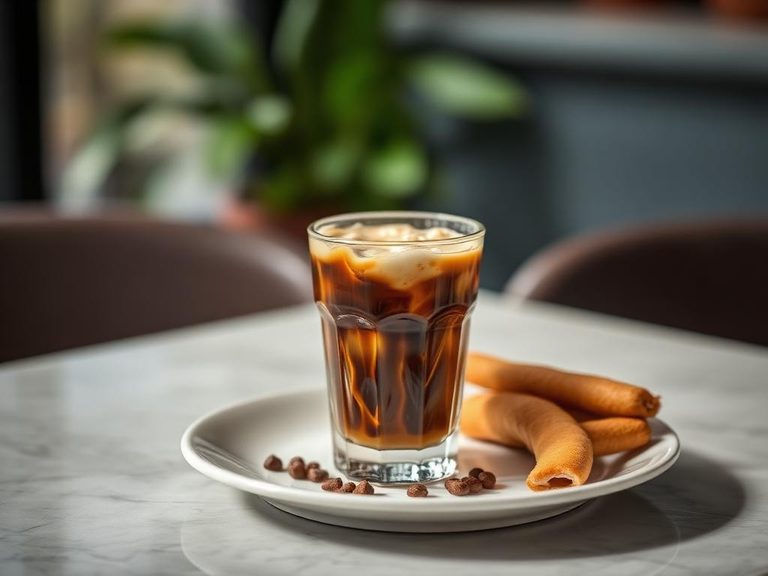
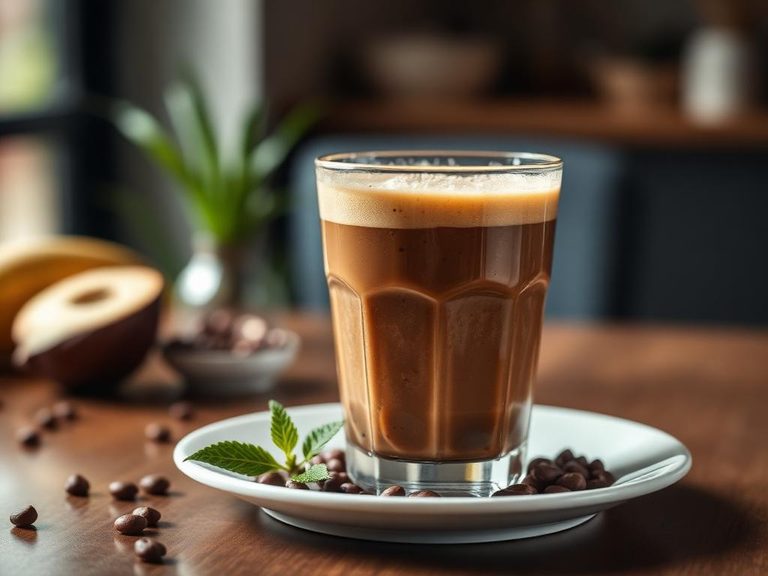
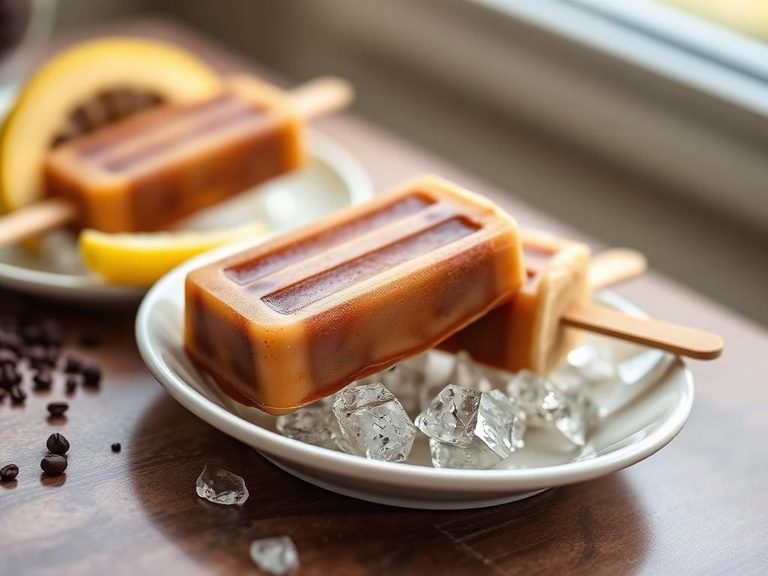

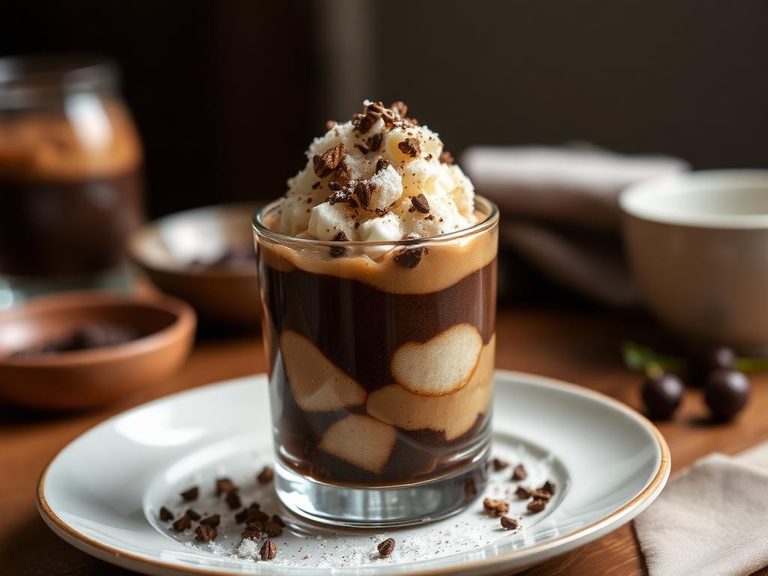
🌍 Where it's eaten
💡 Did you know?
In Japan, canned coffee has been a cultural phenomenon since the 1970s, with vending machines selling over 2.5 billion cans annually, and it's often enjoyed warm even in summer.
Full nutrition (USDA data · scales with serving)
| Water | 91.6 g |
| Energy | 35.0 kcal |
| Protein | 1.3 g |
| Total lipid (fat) | 0.70 g |
| Carbohydrate, by difference | 5.9 g |
| Fiber, total dietary | 0.00 g |
| Total Sugars | 5.9 g |
| Calcium, Ca | 46.0 mg |
| Iron, Fe | 0.01 mg |
| Magnesium, Mg | 6.0 mg |
| Phosphorus, P | 39.0 mg |
| Potassium, K | 86.0 mg |
| Sodium, Na | 15.0 mg |
| Zinc, Zn | 0.17 mg |
| Copper, Cu | 0.00 mg |
| Selenium, Se | 0.70 ug |
| Vitamin C, total ascorbic acid | 0.10 mg |
| Thiamin | 0.03 mg |
| Riboflavin | 0.10 mg |
| Niacin | 0.15 mg |
| Vitamin B-6 | 0.02 mg |
| Folate, total | 2.0 ug |
| Folic acid | 0.00 ug |
| Folate, food | 2.0 ug |
| Folate, DFE | 2.0 ug |
| Choline, total | 8.1 mg |
| Vitamin B-12 | 0.20 ug |
| Vitamin B-12, added | 0.00 ug |
| Vitamin A, RAE | 30.0 ug |
| Retinol | 30.0 ug |
| Carotene, beta | 1.0 ug |
| Carotene, alpha | 0.00 ug |
| Cryptoxanthin, beta | 0.00 ug |
| Lycopene | 0.00 ug |
| Lutein + zeaxanthin | 0.00 ug |
| Vitamin E (alpha-tocopherol) | 0.02 mg |
| Vitamin E, added | 0.00 mg |
| Vitamin D (D2 + D3) | 0.40 ug |
| Vitamin K (phylloquinone) | 0.10 ug |
| Alcohol, ethyl | 0.00 g |
| Caffeine | 24.0 mg |
| Theobromine | 0.00 mg |
Fat & fatty acid profile (per 100g)
| Fatty acids, total saturated | 0.40 g |
| SFA 4:0 | 0.01 g |
| SFA 6:0 | 0.01 g |
| SFA 8:0 | 0.01 g |
| SFA 10:0 | 0.02 g |
| SFA 12:0 | 0.02 g |
| SFA 14:0 | 0.07 g |
| SFA 16:0 | 0.18 g |
| SFA 18:0 | 0.07 g |
| Fatty acids, total monounsaturated | 0.15 g |
| MUFA 16:1 | 0.01 g |
| MUFA 18:1 | 0.15 g |
| MUFA 20:1 | 0.00 g |
| MUFA 22:1 | 0.00 g |
| Fatty acids, total polyunsaturated | 0.02 g |
| PUFA 18:2 | 0.02 g |
| PUFA 18:3 | 0.00 g |
| PUFA 18:4 | 0.00 g |
| PUFA 20:4 | 0.00 g |
| PUFA 20:5 n-3 (EPA) | 0.00 g |
| PUFA 22:5 n-3 (DPA) | 0.00 g |
| PUFA 22:6 n-3 (DHA) | 0.00 g |
| Cholesterol | 3.0 mg |
Amino acid profile (per 100g)
Estimated from Cream, fluid, light (coffee cream or table cream) — USDA does not publish this profile for Coffee.
| Tryptophan | 0.07 g |
| Threonine | 0.13 g |
| Isoleucine | 0.15 g |
| Leucine | 0.24 g |
| Lysine | 0.13 g |
| Methionine | 0.07 g |
| Cystine | 0.01 g |
| Phenylalanine | 0.14 g |
| Tyrosine | 0.14 g |
| Valine | 0.18 g |
| Arginine | 0.07 g |
| Histidine | 0.07 g |
| Alanine | 0.09 g |
| Aspartic acid | 0.22 g |
| Glutamic acid | 0.59 g |
| Glycine | 0.07 g |
| Proline | 0.31 g |
| Serine | 0.10 g |
FAQ
Is bottled coffee a good source of caffeine?
It typically contains moderate caffeine (around 50-100mg per serving), less than a brewed cup, providing a mild boost without excessive jitters.
How does it differ from black coffee?
It's pre-sweetened and often has a lighter, less intense flavor, with added sugars and sometimes milk or creamers, unlike unsweetened black coffee.
Can I use it in cooking or baking?
Yes, it can be used in recipes like coffee cakes, marinades, or desserts to add a mild coffee flavor without bitterness.
Nutrient density (calculated · NRF9.3)
Nutrient Rich Foods index: beneficial nutrients (protein, fiber, vitamins, minerals) minus saturated fat, added sugar & sodium, per 100 kcal.
NRF9.3 index — Fulgoni, Keast & Drewnowski, 2009. Computed from USDA nutrients.
Weight-loss friendliness (composite index)
Energy density 0.35 kcal/g · 15% calories from protein · 0.0 g fiber · 5.9 g sugar per 100 g.
Composite of energy density (Rolls et al., 1999), protein & fiber satiety, minus sugar. A calculated heuristic — ranks satiety-per-calorie, not a clinical measure.
Dietary load (calculated from USDA values)
Potential renal acid load. Positive = acid-forming, negative = alkaline-forming.
Sodium-to-potassium ratio: 0.17 (lower is better — aim for ≤ 1)
Sodium:potassium per WHO potassium guidance. Computed from USDA nutrients.