

Chicken thigh, fried, coated, skin / coating not eaten, from restaurant
Common food

Photo: Wikipedia
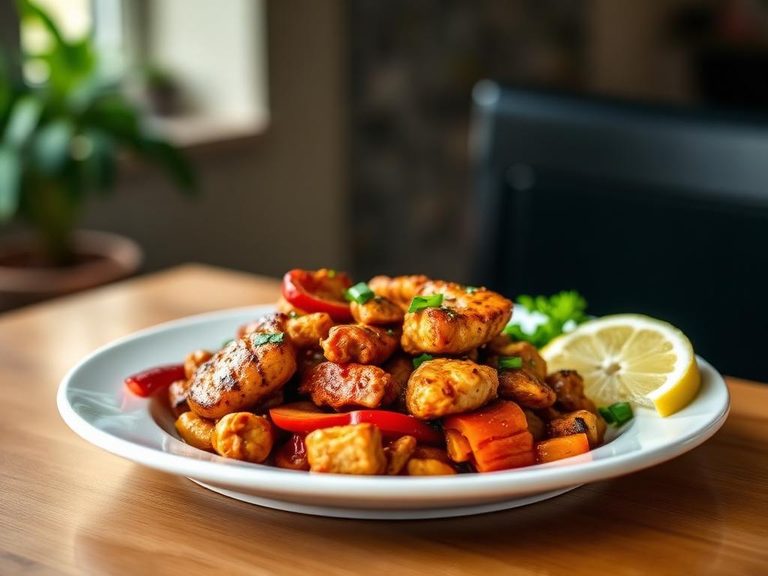
This is a classic fried chicken thigh, where the crispy skin and coating have been removed, leaving the juicy, dark meat. It offers a rich, savory flavor with a tender, succulent texture, and is a solid source of protein with a moderate fat content. The removal of the skin and coating significantly reduces the overall calories and fat compared to the whole piece.
Calorie split: 36% protein · 12% carbs · 53% fat
↓ Full nutrition💚 Why it's loved
People adore it for the deep, savory umami flavor and the satisfying, juicy texture that dark meat provides. It's a versatile comfort food staple, easily incorporated into a wide variety of cuisines and meals.
⚠️ Watch-outs & how to enjoy it better
While healthier than the skin-on version, it can still be high in sodium and fat depending on the restaurant's preparation and seasoning. To counteract this, pair it with fiber-rich vegetables or a fresh salad to balance the meal, and practice portion control by sticking to a single thigh. If you're watching your sodium intake, ask for it to be prepared with less salt or choose a different cooking method at home.
Key benefits
- Excellent source of complete protein for muscle maintenance
- Rich in iron and zinc, essential minerals for immune function
- Provides B vitamins, particularly niacin and B6, for energy metabolism
- Skinless preparation reduces saturated fat intake
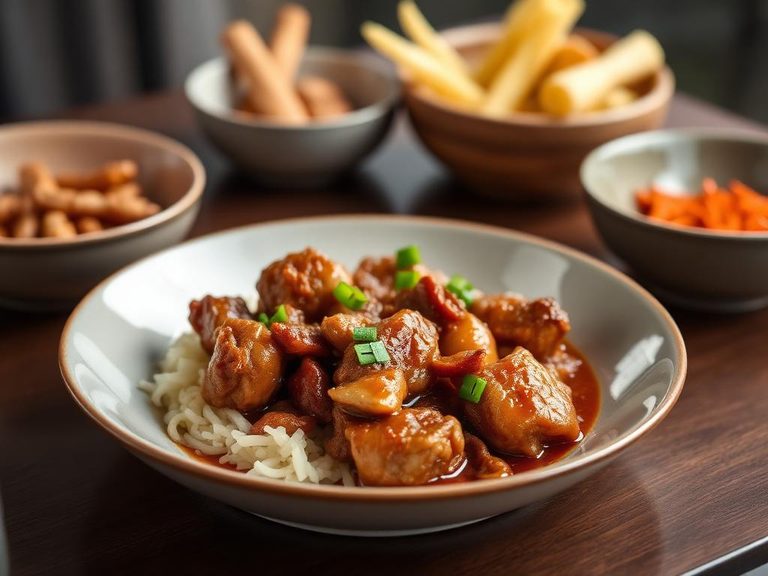
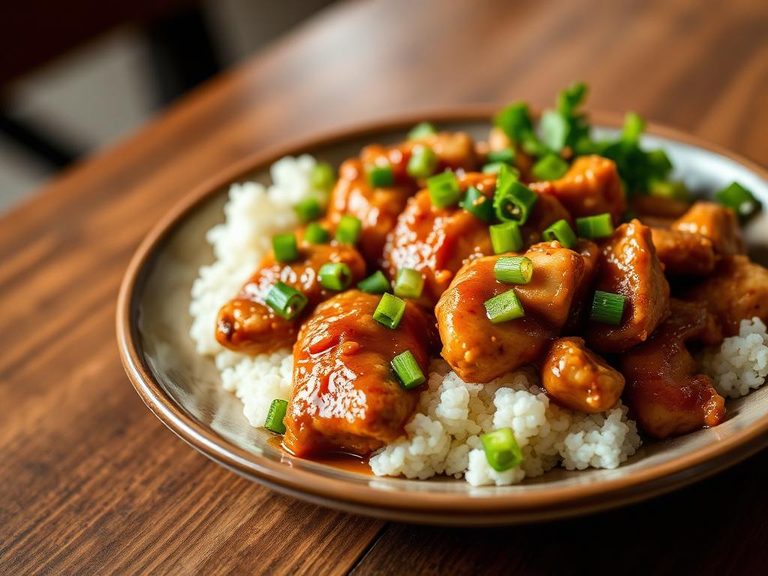
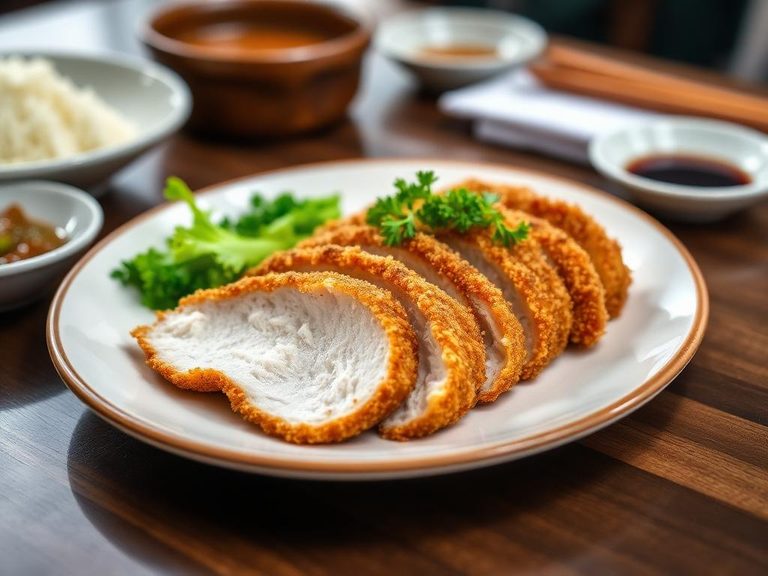
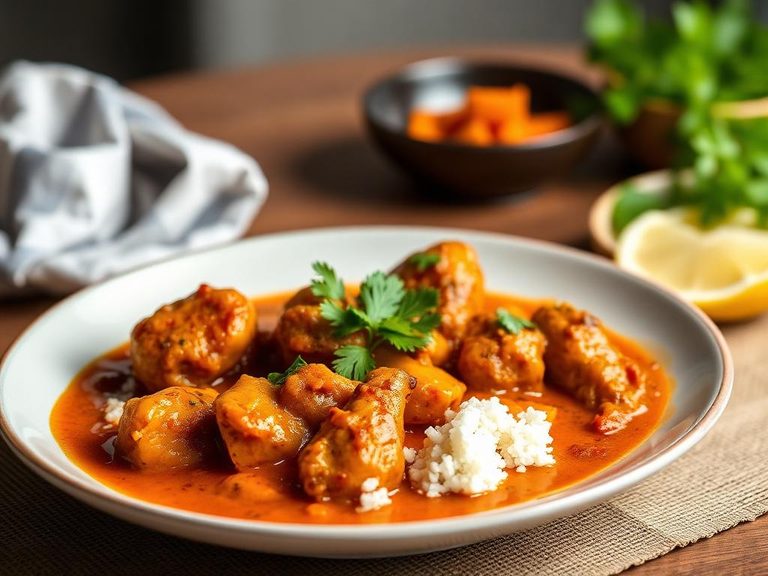
🍽️ Popular dishes

🌍 Where it's eaten
💡 Did you know?
Chicken thighs contain more myoglobin (an oxygen-carrying protein) than breast meat, which is why they are darker and can withstand higher cooking temperatures without drying out.
Full nutrition (USDA data · scales with serving)
| Water | 59.3 g |
| Energy | 218 kcal |
| Protein | 19.4 g |
| Total lipid (fat) | 12.8 g |
| Carbohydrate, by difference | 6.3 g |
| Fiber, total dietary | 0.20 g |
| Total Sugars | 0.10 g |
| Calcium, Ca | 27.0 mg |
| Iron, Fe | 1.2 mg |
| Magnesium, Mg | 19.0 mg |
| Phosphorus, P | 175 mg |
| Potassium, K | 210 mg |
| Sodium, Na | 613 mg |
| Zinc, Zn | 1.6 mg |
| Copper, Cu | 0.08 mg |
| Selenium, Se | 25.6 ug |
| Vitamin C, total ascorbic acid | 0.00 mg |
| Thiamin | 0.15 mg |
| Riboflavin | 0.31 mg |
| Niacin | 5.1 mg |
| Vitamin B-6 | 0.17 mg |
| Folate, total | 22.0 ug |
| Folic acid | 10.0 ug |
| Folate, food | 12.0 ug |
| Folate, DFE | 29.0 ug |
| Choline, total | 96.6 mg |
| Vitamin B-12 | 0.41 ug |
| Vitamin B-12, added | 0.00 ug |
| Vitamin A, RAE | 11.0 ug |
| Retinol | 11.0 ug |
| Carotene, beta | 0.00 ug |
| Carotene, alpha | 0.00 ug |
| Cryptoxanthin, beta | 0.00 ug |
| Lycopene | 0.00 ug |
| Lutein + zeaxanthin | 5.0 ug |
| Vitamin E (alpha-tocopherol) | 1.3 mg |
| Vitamin E, added | 0.00 mg |
| Vitamin D (D2 + D3) | 0.20 ug |
| Vitamin K (phylloquinone) | 5.2 ug |
| Alcohol, ethyl | 0.00 g |
| Caffeine | 0.00 mg |
| Theobromine | 0.00 mg |
Fat & fatty acid profile (per 100g)
| Fatty acids, total saturated | 2.7 g |
| SFA 4:0 | 0.00 g |
| SFA 6:0 | 0.00 g |
| SFA 8:0 | 0.00 g |
| SFA 10:0 | 0.00 g |
| SFA 12:0 | 0.00 g |
| SFA 14:0 | 0.05 g |
| SFA 16:0 | 2.0 g |
| SFA 18:0 | 0.60 g |
| Fatty acids, total monounsaturated | 5.3 g |
| MUFA 16:1 | 0.41 g |
| MUFA 18:1 | 4.8 g |
| MUFA 20:1 | 0.08 g |
| MUFA 22:1 | 0.00 g |
| Fatty acids, total polyunsaturated | 3.2 g |
| PUFA 18:2 | 2.8 g |
| PUFA 18:3 | 0.30 g |
| PUFA 18:4 | 0.00 g |
| PUFA 20:4 | 0.06 g |
| PUFA 20:5 n-3 (EPA) | 0.00 g |
| PUFA 22:5 n-3 (DPA) | 0.01 g |
| PUFA 22:6 n-3 (DHA) | 0.00 g |
| Cholesterol | 102 mg |
Amino acid profile (per 100g)
Estimated from Chicken, broilers or fryers, dark meat, thigh, meat only, raw — USDA does not publish this profile for Chicken thigh.
| Tryptophan | 0.22 g |
| Threonine | 0.93 g |
| Isoleucine | 0.94 g |
| Leucine | 1.7 g |
| Lysine | 1.9 g |
| Methionine | 0.56 g |
| Cystine | 0.23 g |
| Phenylalanine | 0.79 g |
| Tyrosine | 0.74 g |
| Valine | 0.96 g |
| Arginine | 1.4 g |
| Histidine | 0.59 g |
| Alanine | 1.2 g |
| Aspartic acid | 1.9 g |
| Glutamic acid | 3.2 g |
| Glycine | 0.90 g |
| Proline | 0.79 g |
| Serine | 0.82 g |
FAQ
Is fried chicken thigh healthy if the skin is removed?
Removing the skin and coating significantly reduces the fat and calorie content, making it a much healthier option. It remains a good source of protein, iron, and B vitamins, but the frying process can still add fat and sodium.
How does the nutrition compare to chicken breast?
Chicken thigh has more fat and calories than breast meat but is also richer in iron, zinc, and B vitamins. It's often more flavorful and moist due to the higher fat content.
What's the best way to cook it at home for a healthier version?
Baking, grilling, or air-frying are excellent methods. You can season it with herbs and spices instead of heavy breading, and cook it with the skin on but remove it before eating to retain moisture while reducing fat.
Can I eat this if I'm watching my carbs?
Yes, the carbohydrate content is very low (6.31g per 100g), making it suitable for low-carb or keto diets, especially when the coating is removed.
Nutrient density (calculated · NRF9.3)
Nutrient Rich Foods index: beneficial nutrients (protein, fiber, vitamins, minerals) minus saturated fat, added sugar & sodium, per 100 kcal.
NRF9.3 index — Fulgoni, Keast & Drewnowski, 2009. Computed from USDA nutrients.
Weight-loss friendliness (composite index)
Energy density 2.18 kcal/g · 36% calories from protein · 0.2 g fiber · 0.1 g sugar per 100 g.
Composite of energy density (Rolls et al., 1999), protein & fiber satiety, minus sugar. A calculated heuristic — ranks satiety-per-calorie, not a clinical measure.
Dietary load (calculated from USDA values)
Potential renal acid load. Positive = acid-forming, negative = alkaline-forming.
Sodium-to-potassium ratio: 2.92 (lower is better — aim for ≤ 1)
Sodium:potassium per WHO potassium guidance. Computed from USDA nutrients.