

Chicken thigh, baked, broiled, or roasted, skin not eaten, from raw
Common food

Photo: Wikipedia
A lean, protein-dense cut of dark meat, baking or broiling renders the thigh juicy with a satisfying, slightly chewy texture and savory depth. Without its skin, it becomes a remarkably lean protein source, delivering over 24 grams of high-quality protein per 100 grams with minimal fat.
Calorie split: 57% protein · 0% carbs · 43% fat
↓ Full nutrition💚 Why it's loved
People adore it for its forgiving nature—it stays moist and flavorful even with simple seasoning and dry-heat cooking. Its robust taste makes it a canvas for global spices and marinades, from smoky paprika to bright lemon-herb blends.
⚠️ Watch-outs & how to enjoy it better
As a red meat alternative, it contains more cholesterol than white meat, which some individuals monitor. To balance a meal, pair it with fiber-rich vegetables like roasted broccoli or a leafy salad to aid digestion and create a more complete nutritional profile.
Key benefits
- Excellent source of complete protein for muscle maintenance and satiety
- Rich in essential minerals like iron, zinc, and selenium
- Provides B vitamins, especially niacin (B3) and B6, for energy metabolism
- Naturally low in carbohydrates, suitable for low-carb and ketogenic diets
- A versatile, budget-friendly protein staple
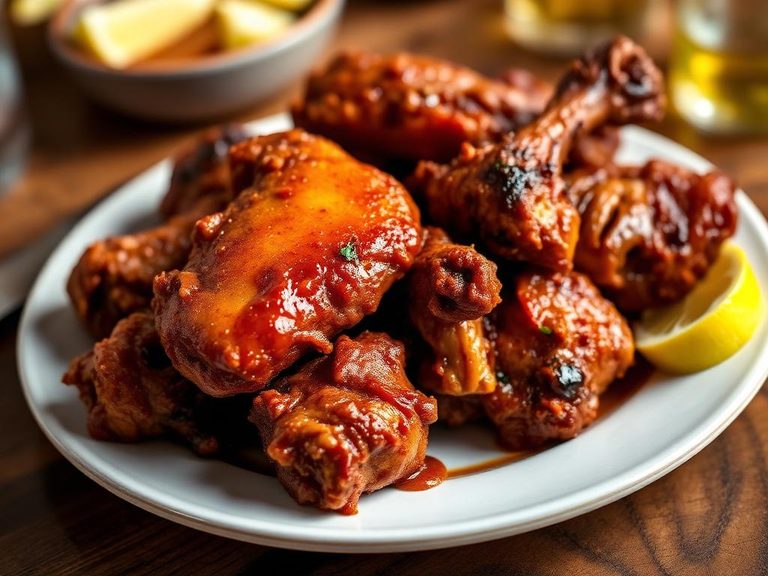
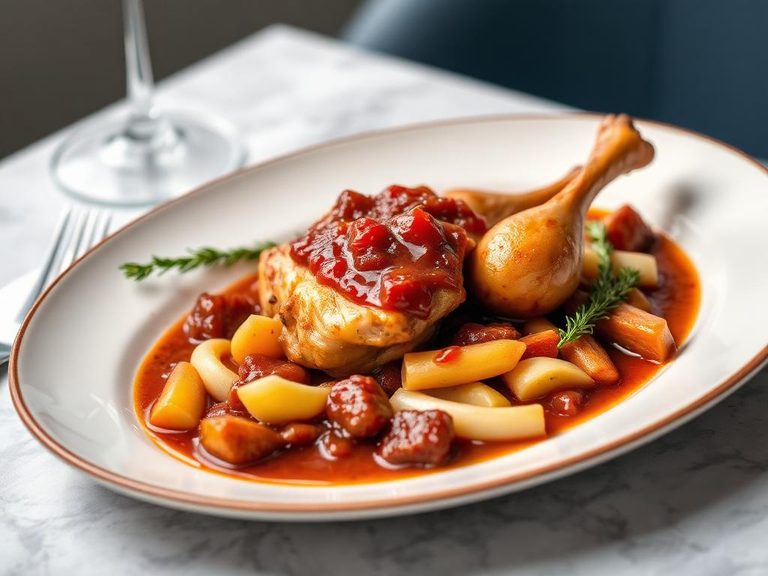
🍽️ Popular dishes
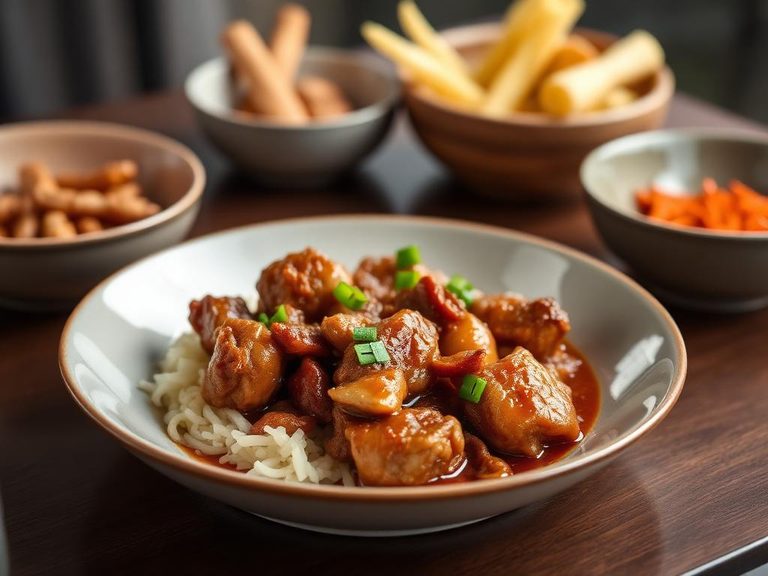
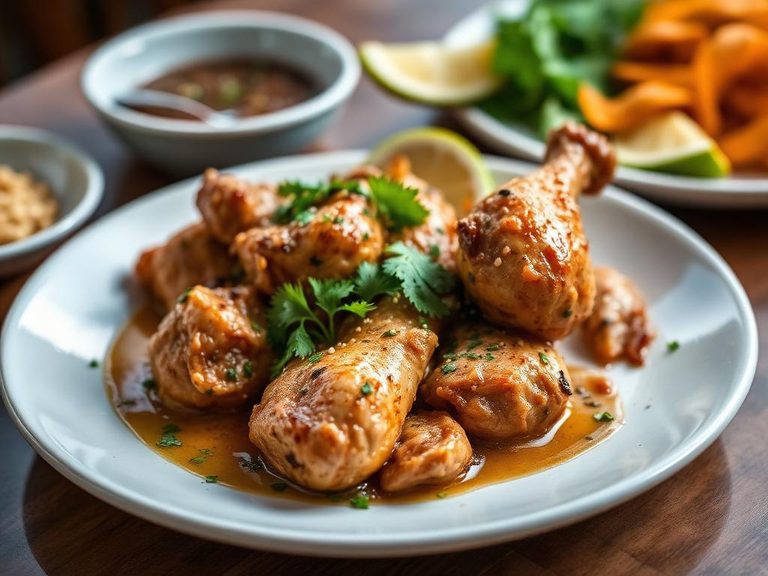
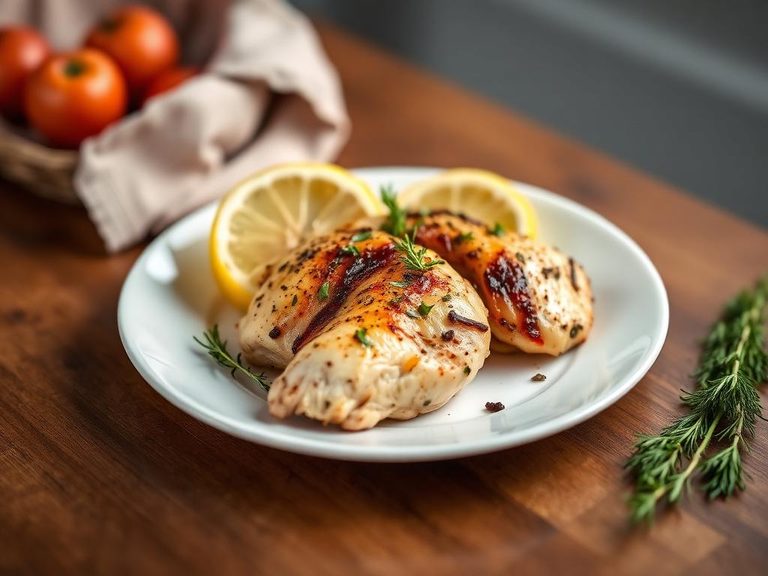
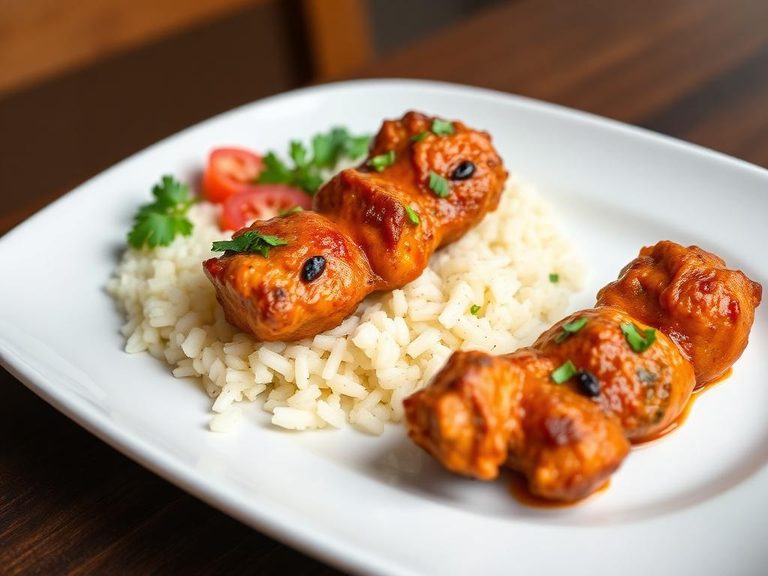
🌍 Where it's eaten
💡 Did you know?
The thigh is considered 'dark meat' because it contains more myoglobin, an oxygen-storing protein, than the breast—a sign of the muscle's frequent use for walking and standing.
Full nutrition (USDA data · scales with serving)
| Water | 66.6 g |
| Energy | 178 kcal |
| Protein | 24.6 g |
| Total lipid (fat) | 8.1 g |
| Carbohydrate, by difference | 0.00 g |
| Fiber, total dietary | 0.00 g |
| Total Sugars | 0.00 g |
| Calcium, Ca | 9.0 mg |
| Iron, Fe | 1.1 mg |
| Magnesium, Mg | 24.0 mg |
| Phosphorus, P | 229 mg |
| Potassium, K | 267 mg |
| Sodium, Na | 336 mg |
| Zinc, Zn | 1.9 mg |
| Copper, Cu | 0.07 mg |
| Selenium, Se | 26.9 ug |
| Vitamin C, total ascorbic acid | 0.00 mg |
| Thiamin | 0.10 mg |
| Riboflavin | 0.22 mg |
| Niacin | 6.2 mg |
| Vitamin B-6 | 0.46 mg |
| Folate, total | 5.0 ug |
| Folic acid | 0.00 ug |
| Folate, food | 5.0 ug |
| Folate, DFE | 5.0 ug |
| Choline, total | 71.4 mg |
| Vitamin B-12 | 0.42 ug |
| Vitamin B-12, added | 0.00 ug |
| Vitamin A, RAE | 8.0 ug |
| Retinol | 8.0 ug |
| Carotene, beta | 0.00 ug |
| Carotene, alpha | 0.00 ug |
| Cryptoxanthin, beta | 0.00 ug |
| Lycopene | 0.00 ug |
| Lutein + zeaxanthin | 0.00 ug |
| Vitamin E (alpha-tocopherol) | 0.18 mg |
| Vitamin E, added | 0.00 mg |
| Vitamin D (D2 + D3) | 0.20 ug |
| Vitamin K (phylloquinone) | 3.9 ug |
| Alcohol, ethyl | 0.00 g |
| Caffeine | 0.00 mg |
| Theobromine | 0.00 mg |
Fat & fatty acid profile (per 100g)
| Fatty acids, total saturated | 2.3 g |
| SFA 4:0 | 0.00 g |
| SFA 6:0 | 0.00 g |
| SFA 8:0 | 0.00 g |
| SFA 10:0 | 0.00 g |
| SFA 12:0 | 0.00 g |
| SFA 14:0 | 0.04 g |
| SFA 16:0 | 1.7 g |
| SFA 18:0 | 0.47 g |
| Fatty acids, total monounsaturated | 3.3 g |
| MUFA 16:1 | 0.48 g |
| MUFA 18:1 | 2.8 g |
| MUFA 20:1 | 0.03 g |
| MUFA 22:1 | 0.00 g |
| Fatty acids, total polyunsaturated | 1.7 g |
| PUFA 18:2 | 1.5 g |
| PUFA 18:3 | 0.07 g |
| PUFA 18:4 | 0.00 g |
| PUFA 20:4 | 0.09 g |
| PUFA 20:5 n-3 (EPA) | 0.01 g |
| PUFA 22:5 n-3 (DPA) | 0.01 g |
| PUFA 22:6 n-3 (DHA) | 0.01 g |
| Cholesterol | 132 mg |
Amino acid profile (per 100g)
Estimated from Chicken, broilers or fryers, dark meat, thigh, meat only, raw — USDA does not publish this profile for Chicken thigh.
| Tryptophan | 0.22 g |
| Threonine | 0.93 g |
| Isoleucine | 0.94 g |
| Leucine | 1.7 g |
| Lysine | 1.9 g |
| Methionine | 0.56 g |
| Cystine | 0.23 g |
| Phenylalanine | 0.79 g |
| Tyrosine | 0.74 g |
| Valine | 0.96 g |
| Arginine | 1.4 g |
| Histidine | 0.59 g |
| Alanine | 1.2 g |
| Aspartic acid | 1.9 g |
| Glutamic acid | 3.2 g |
| Glycine | 0.90 g |
| Proline | 0.79 g |
| Serine | 0.82 g |
FAQ
Is baked chicken thigh healthy without the skin?
Yes, removing the skin significantly reduces the total fat and calorie content, making it a very lean, high-protein choice comparable to some cuts of beef or pork loin.
How do I keep it from drying out?
Avoid overcooking; use a meat thermometer to pull it at 165°F (74°C). Marinating beforehand or basting with pan juices during cooking helps retain moisture.
What's the difference between baked, broiled, and roasted?
Baking uses indirect, ambient heat. Roasting is similar but often at a higher temperature for browning. Broiling uses direct, intense overhead heat for quick searing and crisping.
Nutrient density (calculated · NRF9.3)
Nutrient Rich Foods index: beneficial nutrients (protein, fiber, vitamins, minerals) minus saturated fat, added sugar & sodium, per 100 kcal.
NRF9.3 index — Fulgoni, Keast & Drewnowski, 2009. Computed from USDA nutrients.
Weight-loss friendliness (composite index)
Energy density 1.78 kcal/g · 55% calories from protein · 0.0 g fiber · 0.0 g sugar per 100 g.
Composite of energy density (Rolls et al., 1999), protein & fiber satiety, minus sugar. A calculated heuristic — ranks satiety-per-calorie, not a clinical measure.
Dietary load (calculated from USDA values)
Potential renal acid load. Positive = acid-forming, negative = alkaline-forming.
Sodium-to-potassium ratio: 1.26 (lower is better — aim for ≤ 1)
Sodium:potassium per WHO potassium guidance. Computed from USDA nutrients.