

Chicken leg, drumstick and thigh, sauteed, skin eaten
Common food

Photo: Wikipedia
This is a savory, succulent cut of chicken, typically cooked with its skin on, which renders into a golden, crispy layer while keeping the meat beneath juicy and tender. The sautéing process concentrates its rich, umami flavor, making it a deeply satisfying protein source. Nutritionally, it's a powerhouse of protein with zero carbohydrates, ideal for low-carb and high-protein diets.
Calorie split: 41% protein · 0% carbs · 59% fat
↓ Full nutrition💚 Why it's loved
People adore the irresistible contrast between the crispy, seasoned skin and the tender, flavorful meat. Its rich taste and satisfying texture make it a universal comfort food, featured in countless home-cooked and restaurant dishes across cultures.
⚠️ Watch-outs & how to enjoy it better
The skin significantly increases the saturated fat and calorie content, which may be a concern for those managing heart health or weight. To counteract this, you can remove the skin before or after cooking to reduce fat intake, or pair it with fiber-rich vegetables like steamed broccoli or a large salad to balance the meal and promote satiety.
Key benefits
- Excellent source of complete protein for muscle maintenance
- Provides essential minerals like selenium and phosphorus
- Contains B vitamins, especially niacin and B6, for energy metabolism
- The skin adds flavor and helps retain moisture during cooking
- Zero carbs, making it suitable for ketogenic and diabetic-friendly meals
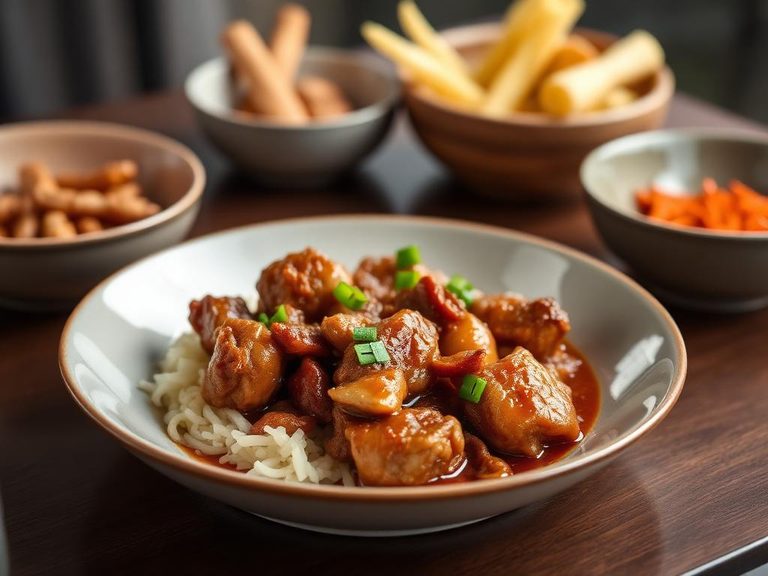
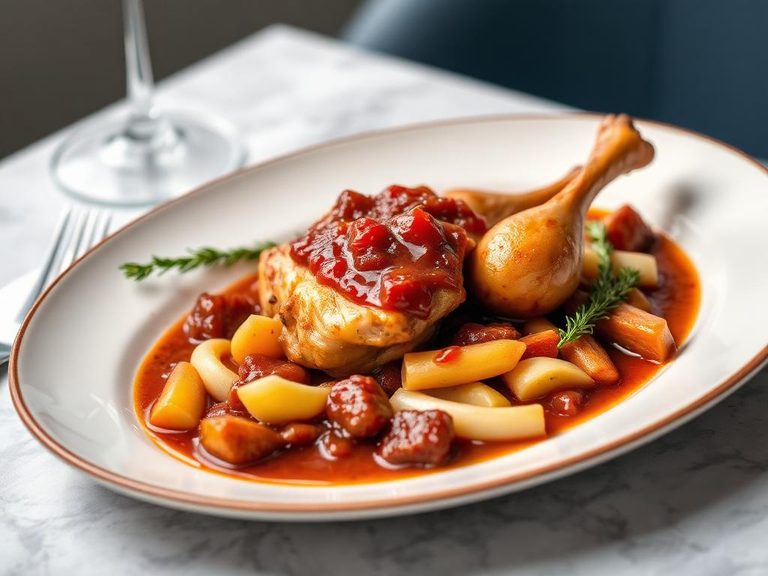
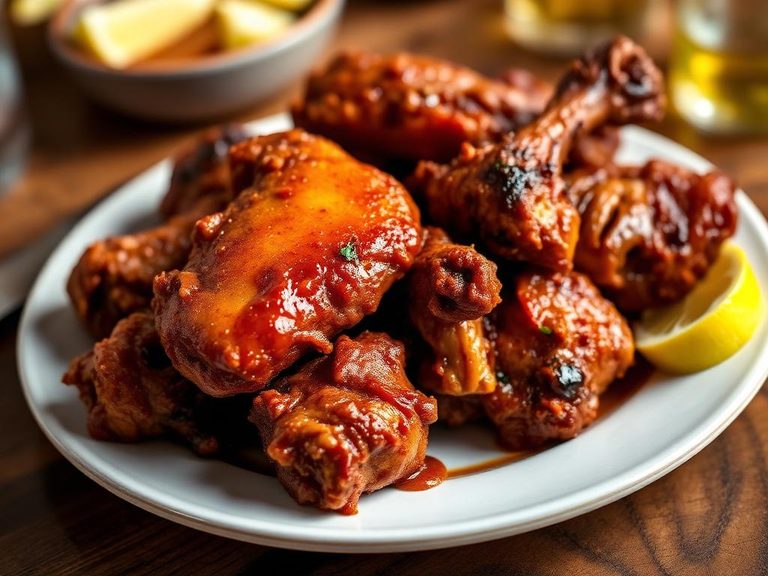
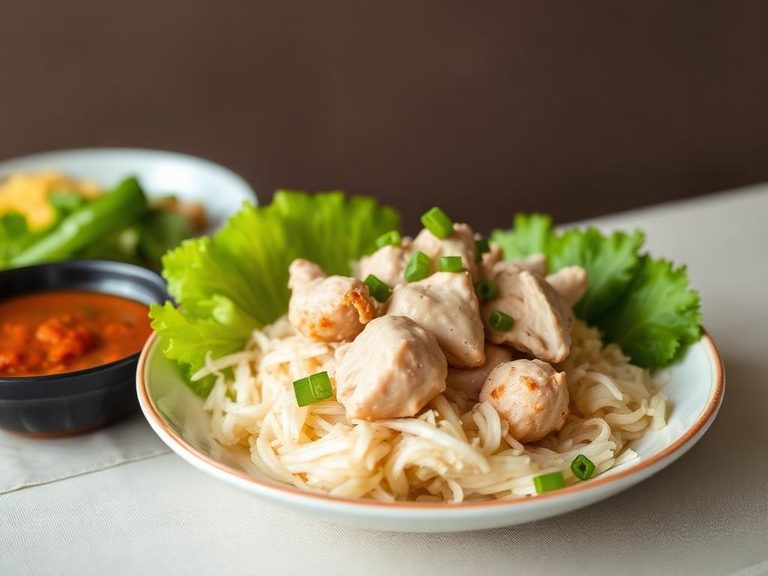
🍽️ Popular dishes
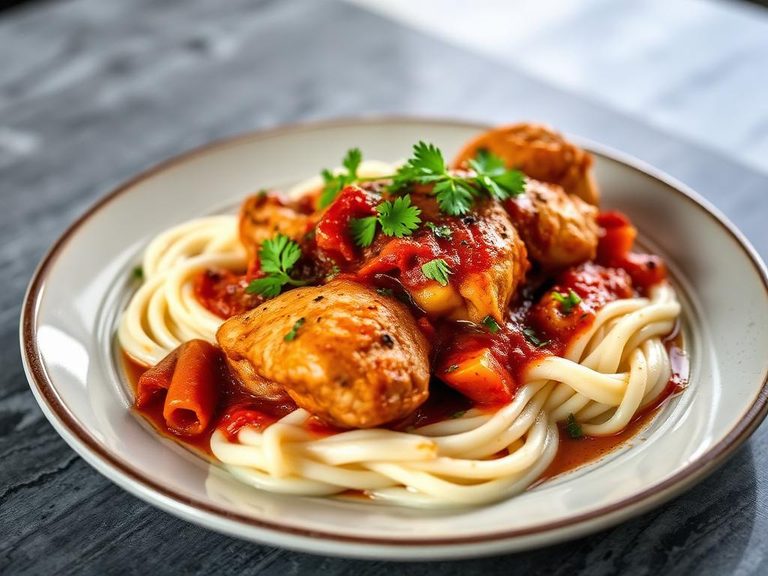
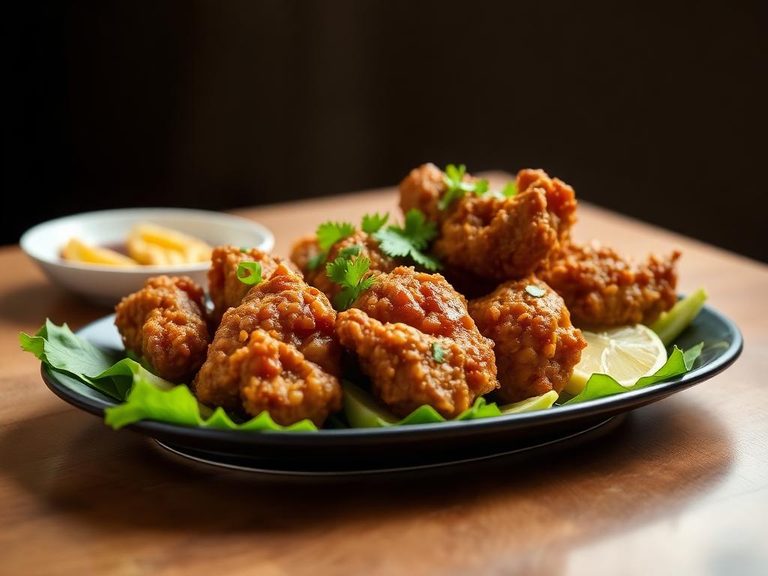
🌍 Where it's eaten
💡 Did you know?
The drumstick and thigh are dark meat because they contain more myoglobin, a protein that stores oxygen in muscle cells, which is why they stay moist and flavorful even when slightly overcooked compared to breast meat.
Full nutrition (USDA data · scales with serving)
| Water | 62.0 g |
| Energy | 228 kcal |
| Protein | 22.6 g |
| Total lipid (fat) | 14.5 g |
| Carbohydrate, by difference | 0.00 g |
| Fiber, total dietary | 0.00 g |
| Total Sugars | 0.00 g |
| Calcium, Ca | 10.0 mg |
| Iron, Fe | 1.1 mg |
| Magnesium, Mg | 21.0 mg |
| Phosphorus, P | 202 mg |
| Potassium, K | 244 mg |
| Sodium, Na | 414 mg |
| Zinc, Zn | 1.9 mg |
| Copper, Cu | 0.06 mg |
| Selenium, Se | 25.2 ug |
| Vitamin C, total ascorbic acid | 0.00 mg |
| Thiamin | 0.09 mg |
| Riboflavin | 0.19 mg |
| Niacin | 5.5 mg |
| Vitamin B-6 | 0.39 mg |
| Folate, total | 4.0 ug |
| Folic acid | 0.00 ug |
| Folate, food | 4.0 ug |
| Folate, DFE | 4.0 ug |
| Choline, total | 65.8 mg |
| Vitamin B-12 | 0.41 ug |
| Vitamin B-12, added | 0.00 ug |
| Vitamin A, RAE | 14.0 ug |
| Retinol | 14.0 ug |
| Carotene, beta | 0.00 ug |
| Carotene, alpha | 0.00 ug |
| Cryptoxanthin, beta | 0.00 ug |
| Lycopene | 0.00 ug |
| Lutein + zeaxanthin | 14.0 ug |
| Vitamin E (alpha-tocopherol) | 0.56 mg |
| Vitamin E, added | 0.00 mg |
| Vitamin D (D2 + D3) | 0.20 ug |
| Vitamin K (phylloquinone) | 5.2 ug |
| Alcohol, ethyl | 0.00 g |
| Caffeine | 0.00 mg |
| Theobromine | 0.00 mg |
Fat & fatty acid profile (per 100g)
| Fatty acids, total saturated | 3.7 g |
| SFA 4:0 | 0.00 g |
| SFA 6:0 | 0.00 g |
| SFA 8:0 | 0.00 g |
| SFA 10:0 | 0.00 g |
| SFA 12:0 | 0.01 g |
| SFA 14:0 | 0.07 g |
| SFA 16:0 | 2.9 g |
| SFA 18:0 | 0.73 g |
| Fatty acids, total monounsaturated | 6.1 g |
| MUFA 16:1 | 0.78 g |
| MUFA 18:1 | 5.2 g |
| MUFA 20:1 | 0.08 g |
| MUFA 22:1 | 0.00 g |
| Fatty acids, total polyunsaturated | 3.3 g |
| PUFA 18:2 | 2.9 g |
| PUFA 18:3 | 0.20 g |
| PUFA 18:4 | 0.00 g |
| PUFA 20:4 | 0.10 g |
| PUFA 20:5 n-3 (EPA) | 0.01 g |
| PUFA 22:5 n-3 (DPA) | 0.01 g |
| PUFA 22:6 n-3 (DHA) | 0.01 g |
| Cholesterol | 128 mg |
Amino acid profile (per 100g)
Estimated from Chicken, broilers or fryers, leg, meat only, cooked, fried — USDA does not publish this profile for Chicken leg.
| Tryptophan | 0.33 g |
| Threonine | 1.2 g |
| Isoleucine | 1.5 g |
| Leucine | 2.1 g |
| Lysine | 2.4 g |
| Methionine | 0.78 g |
| Cystine | 0.36 g |
| Phenylalanine | 1.1 g |
| Tyrosine | 0.96 g |
| Valine | 1.4 g |
| Arginine | 1.7 g |
| Histidine | 0.88 g |
| Alanine | 1.5 g |
| Aspartic acid | 2.5 g |
| Glutamic acid | 4.3 g |
| Glycine | 1.4 g |
| Proline | 1.2 g |
| Serine | 0.98 g |
FAQ
Is the skin the main source of fat in this dish?
Yes, the skin contains a significant portion of the total fat, especially saturated fat. Removing it before eating can reduce the fat content by nearly half while still enjoying the flavorful meat.
How does sautéing affect the nutrition compared to boiling?
Sautéing in a small amount of oil or its own rendered fat adds some calories but creates a more flavorful, crispy skin. Boiling would result in lower fat but a less appealing texture and taste.
Can this be part of a weight-loss diet?
Absolutely, due to its high protein and zero carbs, it promotes fullness. The key is portion control and mindful preparation—like removing the skin or using minimal added oil—to manage the overall calorie density.
Nutrient density (calculated · NRF9.3)
Nutrient Rich Foods index: beneficial nutrients (protein, fiber, vitamins, minerals) minus saturated fat, added sugar & sodium, per 100 kcal.
NRF9.3 index — Fulgoni, Keast & Drewnowski, 2009. Computed from USDA nutrients.
Weight-loss friendliness (composite index)
Energy density 2.28 kcal/g · 40% calories from protein · 0.0 g fiber · 0.0 g sugar per 100 g.
Composite of energy density (Rolls et al., 1999), protein & fiber satiety, minus sugar. A calculated heuristic — ranks satiety-per-calorie, not a clinical measure.
Dietary load (calculated from USDA values)
Potential renal acid load. Positive = acid-forming, negative = alkaline-forming.
Sodium-to-potassium ratio: 1.70 (lower is better — aim for ≤ 1)
Sodium:potassium per WHO potassium guidance. Computed from USDA nutrients.