

Chicken drumstick, baked, broiled, or roasted, skin not eaten, from raw
Common food

Photo: Wikipedia
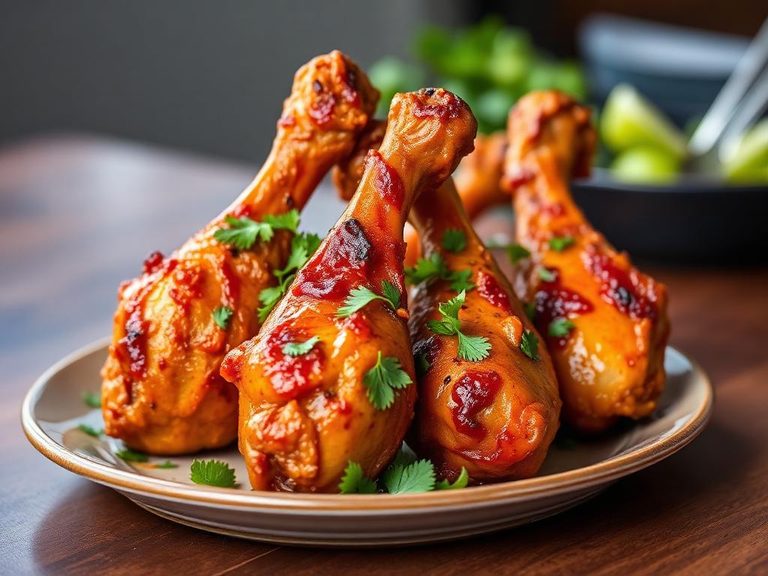
A lean, skinless chicken drumstick is a powerhouse of pure protein, offering a firm, satisfying texture and a mild, savory flavor that readily absorbs marinades and spices. Its simplicity makes it a staple for healthy eating, delivering a substantial protein punch with minimal fat and zero carbohydrates.
Calorie split: 65% protein · 0% carbs · 35% fat
↓ Full nutrition💚 Why it's loved
People love it for its perfect balance of convenience and satisfaction—the meat is easy to cook and eat off the bone, and its mild flavor is a blank canvas for global seasonings, from simple salt and pepper to complex spice rubs.
⚠️ Watch-outs & how to enjoy it better
While lean, it can be prone to drying out if overcooked, leading to a tough texture. To counteract this, marinate before cooking or use moist-heat methods like braising after an initial sear. Those monitoring sodium should be cautious with pre-seasoned or processed versions.
Key benefits
- Excellent source of high-quality, complete protein
- Very low in fat, especially when skin is removed
- Zero carbohydrates, making it ideal for low-carb diets
- Rich in essential nutrients like selenium and B vitamins
- Provides a versatile base for countless flavor profiles
🍽️ Popular dishes
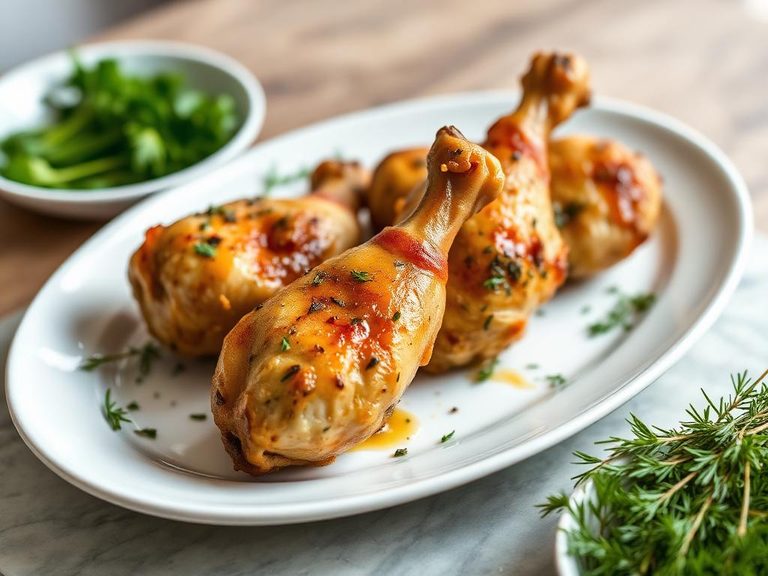
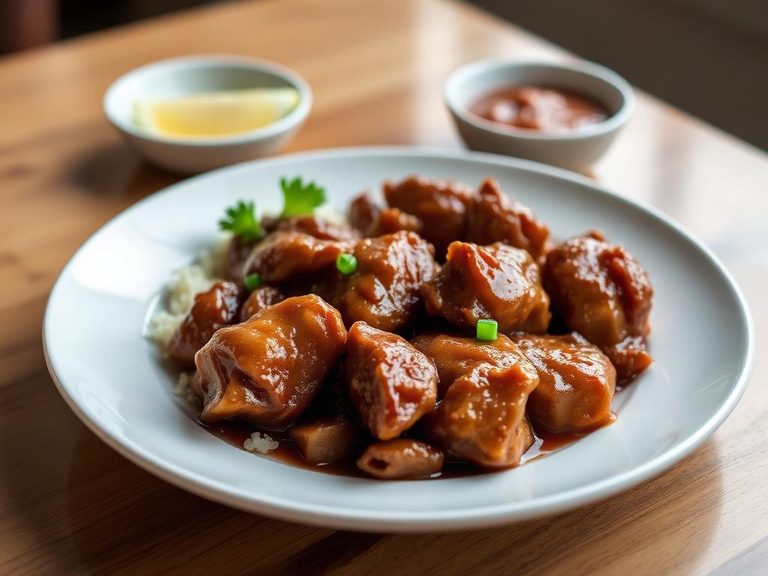
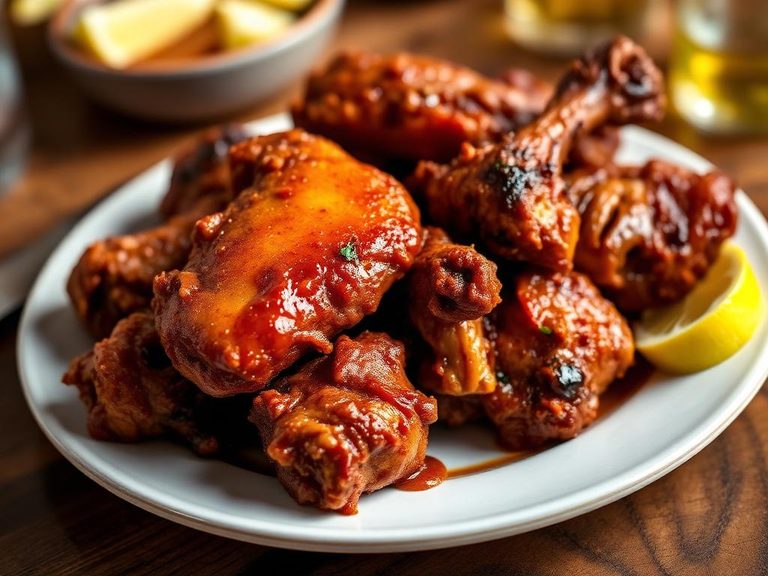
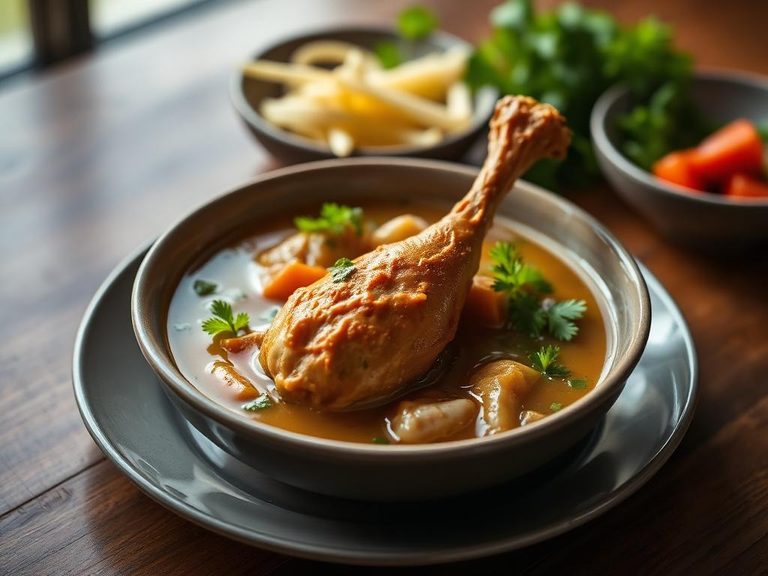
🌍 Where it's eaten
💡 Did you know?
The drumstick is named for its resemblance to a percussion mallet, and in classical music, it's not just food—the term 'drumstick' was also used for the wooden sticks used to play the violin.
Full nutrition (USDA data · scales with serving)
| Water | 69.5 g |
| Energy | 154 kcal |
| Protein | 24.1 g |
| Total lipid (fat) | 5.7 g |
| Carbohydrate, by difference | 0.00 g |
| Fiber, total dietary | 0.00 g |
| Total Sugars | 0.00 g |
| Calcium, Ca | 11.0 mg |
| Iron, Fe | 1.1 mg |
| Magnesium, Mg | 22.0 mg |
| Phosphorus, P | 199 mg |
| Potassium, K | 254 mg |
| Sodium, Na | 358 mg |
| Zinc, Zn | 2.5 mg |
| Copper, Cu | 0.07 mg |
| Selenium, Se | 27.9 ug |
| Vitamin C, total ascorbic acid | 0.00 mg |
| Thiamin | 0.10 mg |
| Riboflavin | 0.22 mg |
| Niacin | 5.6 mg |
| Vitamin B-6 | 0.41 mg |
| Folate, total | 4.0 ug |
| Folic acid | 0.00 ug |
| Folate, food | 4.0 ug |
| Folate, DFE | 4.0 ug |
| Choline, total | 69.9 mg |
| Vitamin B-12 | 0.38 ug |
| Vitamin B-12, added | 0.00 ug |
| Vitamin A, RAE | 6.0 ug |
| Retinol | 6.0 ug |
| Carotene, beta | 0.00 ug |
| Carotene, alpha | 0.00 ug |
| Cryptoxanthin, beta | 0.00 ug |
| Lycopene | 0.00 ug |
| Lutein + zeaxanthin | 0.00 ug |
| Vitamin E (alpha-tocopherol) | 0.18 mg |
| Vitamin E, added | 0.00 mg |
| Vitamin D (D2 + D3) | 0.00 ug |
| Vitamin K (phylloquinone) | 3.5 ug |
| Alcohol, ethyl | 0.00 g |
| Caffeine | 0.00 mg |
| Theobromine | 0.00 mg |
Fat & fatty acid profile (per 100g)
| Fatty acids, total saturated | 1.5 g |
| SFA 4:0 | 0.00 g |
| SFA 6:0 | 0.00 g |
| SFA 8:0 | 0.00 g |
| SFA 10:0 | 0.00 g |
| SFA 12:0 | 0.00 g |
| SFA 14:0 | 0.03 g |
| SFA 16:0 | 1.1 g |
| SFA 18:0 | 0.33 g |
| Fatty acids, total monounsaturated | 2.2 g |
| MUFA 16:1 | 0.33 g |
| MUFA 18:1 | 1.8 g |
| MUFA 20:1 | 0.02 g |
| MUFA 22:1 | 0.00 g |
| Fatty acids, total polyunsaturated | 1.2 g |
| PUFA 18:2 | 0.97 g |
| PUFA 18:3 | 0.05 g |
| PUFA 18:4 | 0.00 g |
| PUFA 20:4 | 0.10 g |
| PUFA 20:5 n-3 (EPA) | 0.00 g |
| PUFA 22:5 n-3 (DPA) | 0.01 g |
| PUFA 22:6 n-3 (DHA) | 0.01 g |
| Cholesterol | 129 mg |
Amino acid profile (per 100g)
Estimated from Chicken, broilers or fryers, dark meat, drumstick, meat only, raw — USDA does not publish this profile for Chicken drumstick.
| Tryptophan | 0.22 g |
| Threonine | 0.92 g |
| Isoleucine | 0.93 g |
| Leucine | 1.7 g |
| Lysine | 1.8 g |
| Methionine | 0.56 g |
| Cystine | 0.23 g |
| Phenylalanine | 0.78 g |
| Tyrosine | 0.73 g |
| Valine | 0.94 g |
| Arginine | 1.4 g |
| Histidine | 0.58 g |
| Alanine | 1.2 g |
| Aspartic acid | 1.9 g |
| Glutamic acid | 3.2 g |
| Glycine | 0.89 g |
| Proline | 0.78 g |
| Serine | 0.81 g |
FAQ
How do I know when a baked drumstick is done?
The safest method is to use a meat thermometer; the internal temperature at the thickest part should reach 165°F (74°C). The juices should run clear, and the meat should pull easily from the bone.
Is it healthier to eat the skin or not?
Removing the skin significantly reduces the total fat and calorie content, as shown in the nutritional data. The skin contains most of the fat, so skipping it is a simple way to keep the meal lean.
What's the best way to keep it from getting dry?
Avoid overcooking. Marinating adds moisture and flavor, and cooking methods that retain moisture, like baking with a little broth or braising, help keep the meat juicy.
Nutrient density (calculated · NRF9.3)
Nutrient Rich Foods index: beneficial nutrients (protein, fiber, vitamins, minerals) minus saturated fat, added sugar & sodium, per 100 kcal.
NRF9.3 index — Fulgoni, Keast & Drewnowski, 2009. Computed from USDA nutrients.
Weight-loss friendliness (composite index)
Energy density 1.54 kcal/g · 63% calories from protein · 0.0 g fiber · 0.0 g sugar per 100 g.
Composite of energy density (Rolls et al., 1999), protein & fiber satiety, minus sugar. A calculated heuristic — ranks satiety-per-calorie, not a clinical measure.
Dietary load (calculated from USDA values)
Potential renal acid load. Positive = acid-forming, negative = alkaline-forming.
Sodium-to-potassium ratio: 1.41 (lower is better — aim for ≤ 1)
Sodium:potassium per WHO potassium guidance. Computed from USDA nutrients.