

Chicken, canned, meat only
Common food
This is pre-cooked, shredded or chunked chicken breast preserved in its own juices or a light broth, offering a lean, high-protein punch with a mild, savory flavor and a tender, fibrous texture. It's a pantry powerhouse, delivering 25.3 grams of complete protein per 100g with virtually no carbs or sugar, making it a top-tier choice for quick, muscle-building meals.
Calorie split: 57% protein · 2% carbs · 41% fat
↓ Full nutrition💚 Why it's loved
People love it for its unparalleled convenience and ability to instantly upgrade salads, wraps, and casseroles with high-quality protein. Its mild flavor acts as a blank canvas, absorbing dressings, sauces, and seasonings beautifully.
⚠️ Watch-outs & how to enjoy it better
The texture can sometimes be dry or mushy compared to freshly cooked chicken, and some brands are high in sodium to enhance preservation and flavor. To counteract dryness, toss it with a bit of olive oil, avocado, or a creamy dressing; to manage sodium, rinse it briefly under water or choose 'low-sodium' varieties and balance with potassium-rich foods like leafy greens.
Key benefits
- Excellent source of complete, lean protein
- Extremely low in carbohydrates and sugar
- Shelf-stable and requires no cooking
- Convenient for meal prep and emergency food storage
- Versatile base for both hot and cold dishes
🍽️ Popular dishes
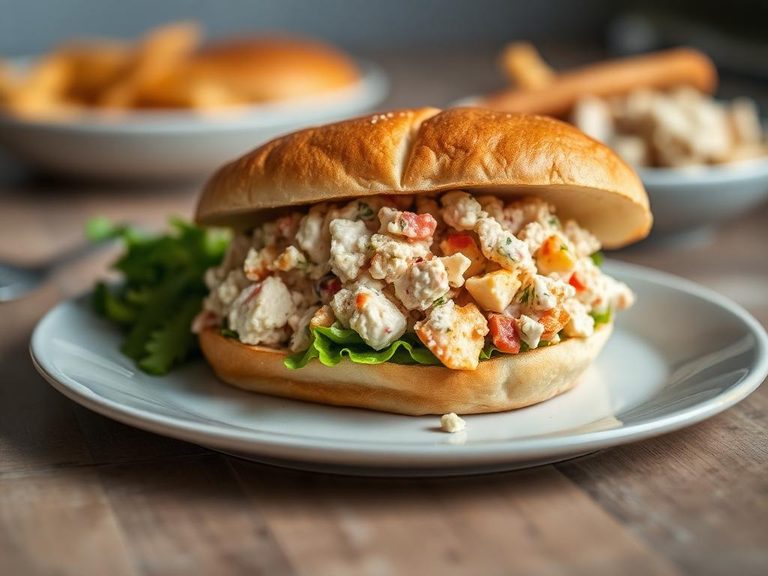
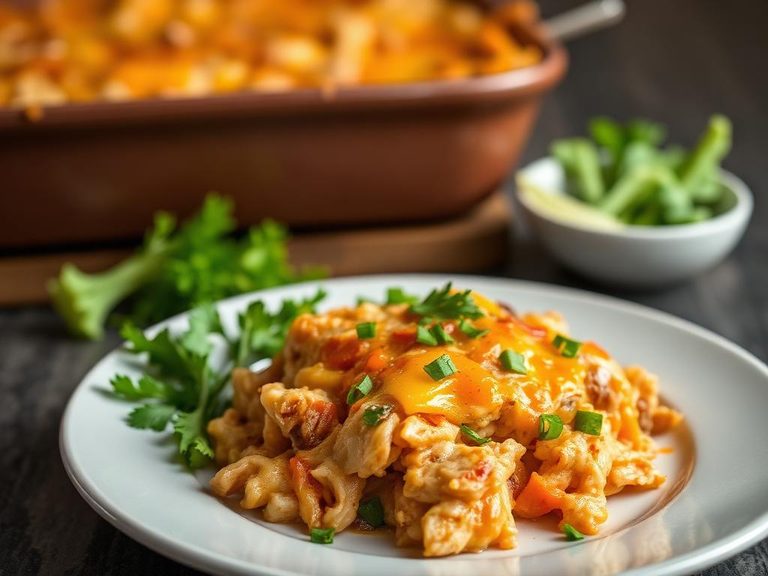
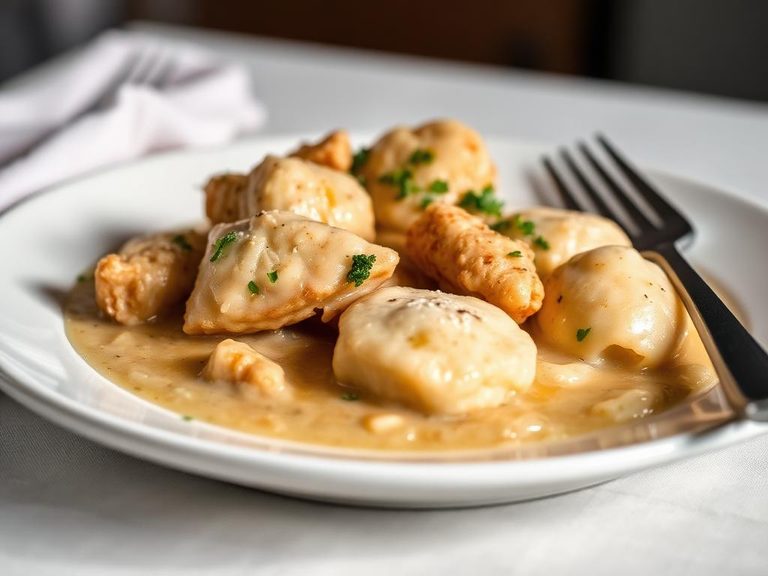
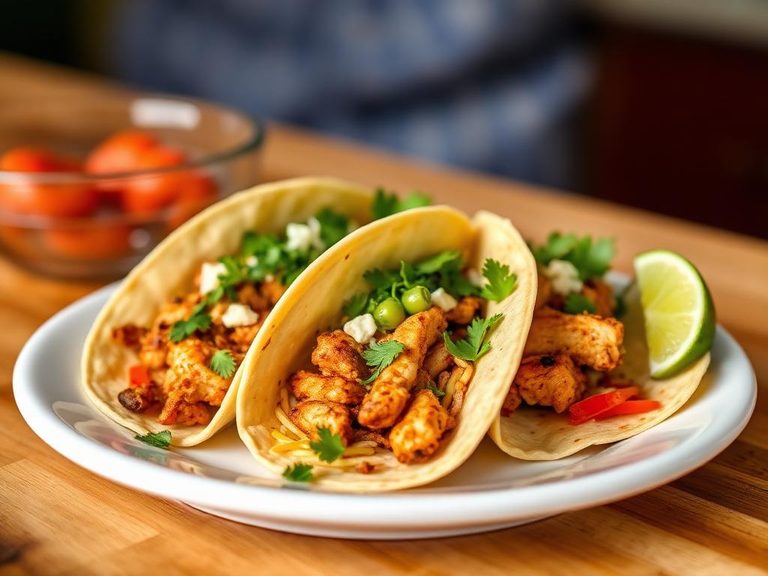
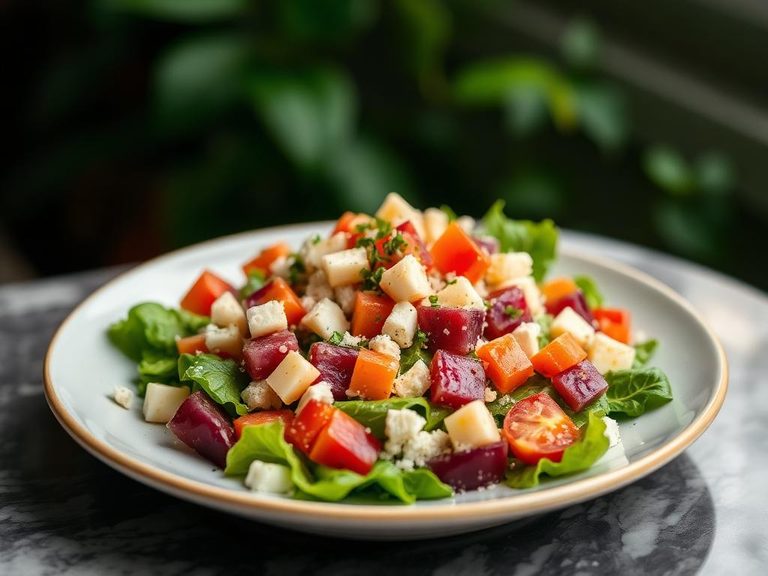
🌍 Where it's eaten
💡 Did you know?
Canned chicken was a staple for U.S. soldiers during World War II, providing a non-perishable, high-protein ration that helped fuel troops in the field.
Full nutrition (USDA data · scales with serving)
| Water | 64.9 g |
| Energy | 185 kcal |
| Protein | 25.3 g |
| Total lipid (fat) | 8.1 g |
| Carbohydrate, by difference | 0.90 g |
| Fiber, total dietary | 0.00 g |
| Total Sugars | 0.00 g |
| Calcium, Ca | 14.0 mg |
| Iron, Fe | 1.3 mg |
| Magnesium, Mg | 19.0 mg |
| Phosphorus, P | 153 mg |
| Potassium, K | 153 mg |
| Sodium, Na | 482 mg |
| Zinc, Zn | 2.5 mg |
| Copper, Cu | 0.05 mg |
| Selenium, Se | 18.4 ug |
| Vitamin C, total ascorbic acid | 0.00 mg |
| Thiamin | 0.00 mg |
| Riboflavin | 0.10 mg |
| Niacin | 2.4 mg |
| Vitamin B-6 | 0.19 mg |
| Folate, total | 2.0 ug |
| Folic acid | 0.00 ug |
| Folate, food | 2.0 ug |
| Folate, DFE | 2.0 ug |
| Choline, total | 73.8 mg |
| Vitamin B-12 | 1.0 ug |
| Vitamin B-12, added | 0.00 ug |
| Vitamin A, RAE | 53.0 ug |
| Retinol | 53.0 ug |
| Carotene, beta | 0.00 ug |
| Carotene, alpha | 0.00 ug |
| Cryptoxanthin, beta | 0.00 ug |
| Lycopene | 0.00 ug |
| Lutein + zeaxanthin | 0.00 ug |
| Vitamin E (alpha-tocopherol) | 0.32 mg |
| Vitamin E, added | 0.00 mg |
| Vitamin D (D2 + D3) | 0.10 ug |
| Vitamin K (phylloquinone) | 2.3 ug |
| Alcohol, ethyl | 0.00 g |
| Caffeine | 0.00 mg |
| Theobromine | 0.00 mg |
Fat & fatty acid profile (per 100g)
| Fatty acids, total saturated | 2.3 g |
| SFA 4:0 | 0.00 g |
| SFA 6:0 | 0.00 g |
| SFA 8:0 | 0.00 g |
| SFA 10:0 | 0.00 g |
| SFA 12:0 | 0.01 g |
| SFA 14:0 | 0.06 g |
| SFA 16:0 | 1.7 g |
| SFA 18:0 | 0.47 g |
| Fatty acids, total monounsaturated | 3.3 g |
| MUFA 16:1 | 0.47 g |
| MUFA 18:1 | 2.7 g |
| MUFA 20:1 | 0.08 g |
| MUFA 22:1 | 0.00 g |
| Fatty acids, total polyunsaturated | 2.0 g |
| PUFA 18:2 | 1.6 g |
| PUFA 18:3 | 0.07 g |
| PUFA 18:4 | 0.00 g |
| PUFA 20:4 | 0.07 g |
| PUFA 20:5 n-3 (EPA) | 0.01 g |
| PUFA 22:5 n-3 (DPA) | 0.01 g |
| PUFA 22:6 n-3 (DHA) | 0.21 g |
| Cholesterol | 50.0 mg |
Amino acid profile (per 100g)
Estimated from Restaurant, Latino, chicken and rice, entree, prepared — USDA does not publish this profile for Chicken.
| Tryptophan | 0.16 g |
| Threonine | 0.50 g |
| Isoleucine | 0.55 g |
| Leucine | 0.93 g |
| Lysine | 0.93 g |
| Methionine | 0.31 g |
| Cystine | 0.15 g |
| Phenylalanine | 0.51 g |
| Tyrosine | 0.35 g |
| Valine | 0.62 g |
| Arginine | 0.80 g |
| Histidine | 0.40 g |
| Alanine | 0.68 g |
| Aspartic acid | 1.1 g |
| Glutamic acid | 1.9 g |
| Glycine | 0.58 g |
| Proline | 0.51 g |
| Serine | 0.47 g |
FAQ
Is the nutrition the same as raw chicken?
The protein content is very similar, but the canning process can slightly reduce some heat-sensitive B vitamins. The key difference is convenience and preservation, not a major nutritional trade-off.
Why does it have a different texture than rotisserie chicken?
The high heat and pressure of the canning process fully cooks the meat, breaking down muscle fibers more thoroughly, which results in a softer, more uniform texture.
Can I use the liquid in the can?
Yes, the liquid is typically a light broth or the chicken's own juices. It's flavorful and can be used to moisten the chicken, add to soups, or enrich gravies, though it may contain added sodium.
Nutrient density (calculated · NRF9.3)
Nutrient Rich Foods index: beneficial nutrients (protein, fiber, vitamins, minerals) minus saturated fat, added sugar & sodium, per 100 kcal.
NRF9.3 index — Fulgoni, Keast & Drewnowski, 2009. Computed from USDA nutrients.
Weight-loss friendliness (composite index)
Energy density 1.85 kcal/g · 55% calories from protein · 0.0 g fiber · 0.0 g sugar per 100 g.
Composite of energy density (Rolls et al., 1999), protein & fiber satiety, minus sugar. A calculated heuristic — ranks satiety-per-calorie, not a clinical measure.
Dietary load (calculated from USDA values)
Potential renal acid load. Positive = acid-forming, negative = alkaline-forming.
Sodium-to-potassium ratio: 3.15 (lower is better — aim for ≤ 1)
Sodium:potassium per WHO potassium guidance. Computed from USDA nutrients.