

Chicken breast, NS as to cooking method, skin eaten
Common food

Photo: Wikipedia
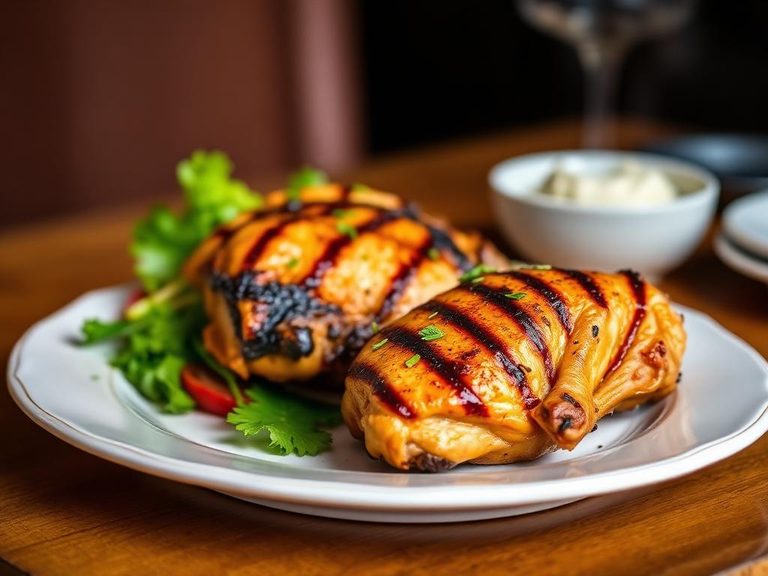
Chicken breast with the skin on is a lean yet flavorful cut, offering a tender, juicy bite with a satisfying crisp or rendered fat layer when cooked properly. Its nutritional profile is dominated by high-quality protein, making it a powerhouse for muscle maintenance and satiety. The skin adds a rich, savory dimension and healthy fats, transforming a simple protein source into a more complete and satisfying meal.
Calorie split: 60% protein · 0% carbs · 39% fat
↓ Full nutrition💚 Why it's loved
People love it for its incredible versatility—it's a blank canvas that absorbs marinades, spices, and sauces beautifully, making it a staple in everything from quick weeknight stir-fries to elaborate roasts. The skin, when crisped, adds a beloved textural contrast and a deep, savory flavor that elevates the entire dish.
⚠️ Watch-outs & how to enjoy it better
The skin significantly increases the fat and calorie content, which may be a concern for those strictly monitoring intake. To enjoy it mindfully, practice portion control or opt to eat the skin occasionally rather than with every meal. Additionally, ensure it's cooked thoroughly to an internal temperature of 165°F (74°C) to eliminate any risk of foodborne illness.
Key benefits
- Excellent source of complete, high-quality protein
- Supports muscle repair and growth
- Very low in carbohydrates and sugars
- Skin provides dietary fats for energy and nutrient absorption
- Highly versatile across global cuisines
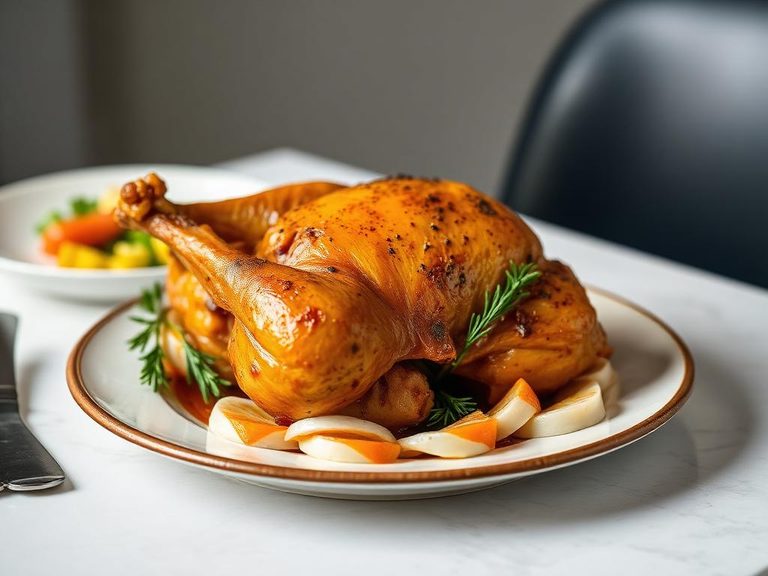
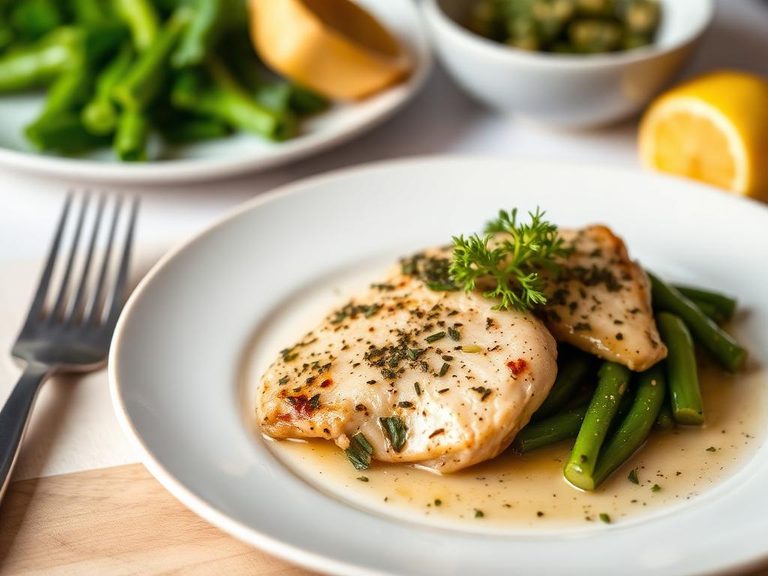
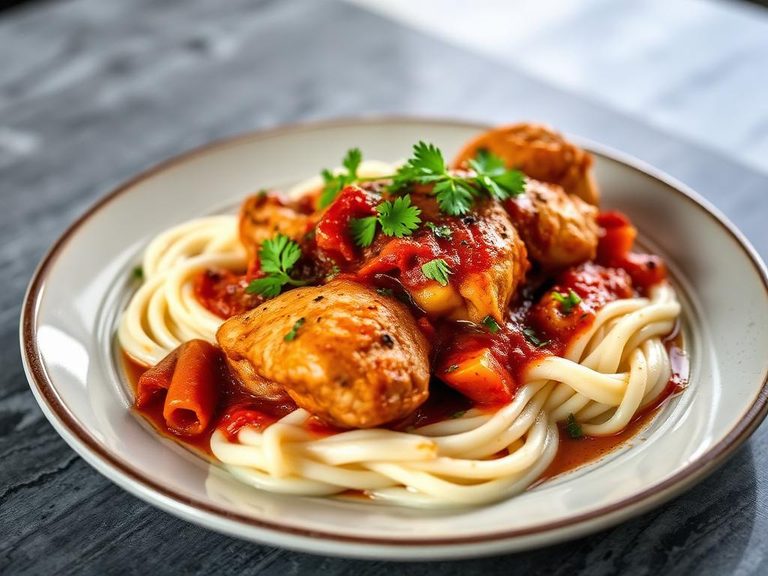
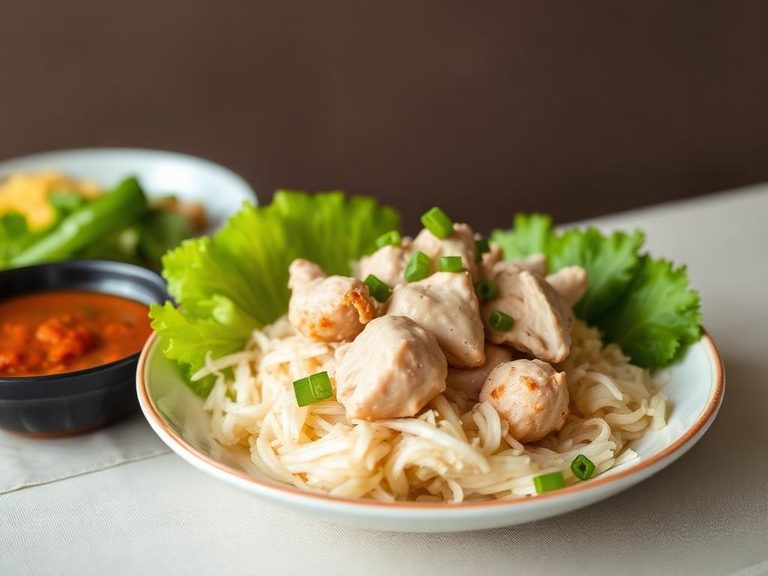
🍽️ Popular dishes
🌍 Where it's eaten
💡 Did you know?
The skin of a chicken is not just fat; it's a significant source of collagen, which is the same protein found in human skin and connective tissues.
Full nutrition (USDA data · scales with serving)
| Water | 65.2 g |
| Energy | 175 kcal |
| Protein | 26.4 g |
| Total lipid (fat) | 7.7 g |
| Carbohydrate, by difference | 0.09 g |
| Fiber, total dietary | 0.00 g |
| Total Sugars | 0.09 g |
| Calcium, Ca | 16.0 mg |
| Iron, Fe | 0.51 mg |
| Magnesium, Mg | 25.0 mg |
| Phosphorus, P | 244 mg |
| Potassium, K | 276 mg |
| Sodium, Na | 329 mg |
| Zinc, Zn | 0.86 mg |
| Copper, Cu | 0.04 mg |
| Selenium, Se | 22.3 ug |
| Vitamin C, total ascorbic acid | 0.00 mg |
| Thiamin | 0.08 mg |
| Riboflavin | 0.14 mg |
| Niacin | 9.3 mg |
| Vitamin B-6 | 0.31 mg |
| Folate, total | 11.0 ug |
| Folic acid | 0.00 ug |
| Folate, food | 8.0 ug |
| Folate, DFE | 8.0 ug |
| Choline, total | 57.1 mg |
| Vitamin B-12 | 0.30 ug |
| Vitamin B-12, added | 0.00 ug |
| Vitamin A, RAE | 11.0 ug |
| Retinol | 11.0 ug |
| Carotene, beta | 0.00 ug |
| Carotene, alpha | 0.00 ug |
| Cryptoxanthin, beta | 0.00 ug |
| Lycopene | 0.00 ug |
| Lutein + zeaxanthin | 0.00 ug |
| Vitamin E (alpha-tocopherol) | 0.33 mg |
| Vitamin E, added | 0.00 mg |
| Vitamin D (D2 + D3) | 0.00 ug |
| Vitamin K (phylloquinone) | 0.00 ug |
| Alcohol, ethyl | 0.00 g |
| Caffeine | 0.00 mg |
| Theobromine | 0.00 mg |
Fat & fatty acid profile (per 100g)
| Fatty acids, total saturated | 2.0 g |
| SFA 4:0 | 0.00 g |
| SFA 6:0 | 0.00 g |
| SFA 8:0 | 0.00 g |
| SFA 10:0 | 0.00 g |
| SFA 12:0 | 0.00 g |
| SFA 14:0 | 0.04 g |
| SFA 16:0 | 1.6 g |
| SFA 18:0 | 0.34 g |
| Fatty acids, total monounsaturated | 3.1 g |
| MUFA 16:1 | 0.50 g |
| MUFA 18:1 | 2.6 g |
| MUFA 20:1 | 0.02 g |
| MUFA 22:1 | 0.00 g |
| Fatty acids, total polyunsaturated | 0.94 g |
| PUFA 18:2 | 0.88 g |
| PUFA 18:3 | 0.05 g |
| PUFA 18:4 | 0.00 g |
| PUFA 20:4 | 0.01 g |
| PUFA 20:5 n-3 (EPA) | 0.00 g |
| PUFA 22:5 n-3 (DPA) | 0.00 g |
| PUFA 22:6 n-3 (DHA) | 0.00 g |
| Cholesterol | 90.0 mg |
Amino acid profile (per 100g)
Estimated from Chicken, broiler or fryers, breast, skinless, boneless, meat only, cooked, grilled — USDA does not publish this profile for Chicken breast.
| Tryptophan | 0.39 g |
| Threonine | 1.4 g |
| Isoleucine | 1.5 g |
| Leucine | 2.5 g |
| Lysine | 2.9 g |
| Methionine | 0.79 g |
| Cystine | 0.32 g |
| Phenylalanine | 1.2 g |
| Tyrosine | 1.1 g |
| Valine | 1.6 g |
| Arginine | 2.1 g |
| Histidine | 1.1 g |
| Alanine | 1.8 g |
| Aspartic acid | 2.9 g |
| Glutamic acid | 4.5 g |
| Glycine | 1.4 g |
| Proline | 0.97 g |
| Serine | 1.2 g |
FAQ
Is chicken breast with skin healthier than without?
It depends on your goals. The skin adds calories and fat but also flavor and some nutrients like collagen. Skinless is leaner; with skin is more satisfying and flavorful.
How do I get the skin crispy?
Pat the skin completely dry with paper towels, season generously, and cook at a high heat (roast, bake, or pan-sear) starting skin-side down to render the fat and crisp it up.
Can I eat the skin if I'm on a low-fat diet?
You can include it in moderation. Consider removing the skin after cooking to enjoy the flavor it imparted while avoiding most of the added fat.
Nutrient density (calculated · NRF9.3)
Nutrient Rich Foods index: beneficial nutrients (protein, fiber, vitamins, minerals) minus saturated fat, added sugar & sodium, per 100 kcal.
NRF9.3 index — Fulgoni, Keast & Drewnowski, 2009. Computed from USDA nutrients.
Weight-loss friendliness (composite index)
Energy density 1.75 kcal/g · 60% calories from protein · 0.0 g fiber · 0.1 g sugar per 100 g.
Composite of energy density (Rolls et al., 1999), protein & fiber satiety, minus sugar. A calculated heuristic — ranks satiety-per-calorie, not a clinical measure.
Dietary load (calculated from USDA values)
Potential renal acid load. Positive = acid-forming, negative = alkaline-forming.
Sodium-to-potassium ratio: 1.19 (lower is better — aim for ≤ 1)
Sodium:potassium per WHO potassium guidance. Computed from USDA nutrients.