

Chicken breast, fried, coated, skin / coating not eaten, from fast food / restaurant
Common food

Photo: Wikipedia
This is the golden, crispy-coated chicken breast you bite into at a fast-food drive-thru or casual restaurant, where the juicy, lean white meat is encased in a seasoned, crunchy shell. The coating is typically removed before eating, leaving behind a tender, protein-rich piece of meat with a satisfying, savory flavor. Nutritionally, it's a high-protein, moderate-fat option, but the frying process adds calories compared to grilled or baked versions.
Calorie split: 43% protein · 11% carbs · 46% fat
↓ Full nutrition💚 Why it's loved
People adore it for the irresistible contrast between the crunchy, seasoned coating and the juicy, tender chicken inside, making it a universally comforting and flavorful meal. Its versatility allows it to be a standalone main, sliced over salads, or tucked into sandwiches and wraps.
⚠️ Watch-outs & how to enjoy it better
The frying process significantly increases the fat and calorie content compared to uncoated chicken, and the coating can be high in sodium and refined carbs. Those monitoring blood sugar or sodium intake should be cautious. A concrete tip is to remove the skin/coating as specified, which cuts fat and calories, and to pair it with fiber-rich vegetables or a side salad to balance the meal.
Key benefits
- Excellent source of high-quality, complete protein for muscle repair and satiety.
- Provides essential B vitamins like niacin and B6 for energy metabolism.
- Contains minerals like selenium and phosphorus.
- A convenient, ready-to-eat protein source for busy lifestyles.
- The coating, when eaten, adds quick energy from carbohydrates.
🍽️ Popular dishes
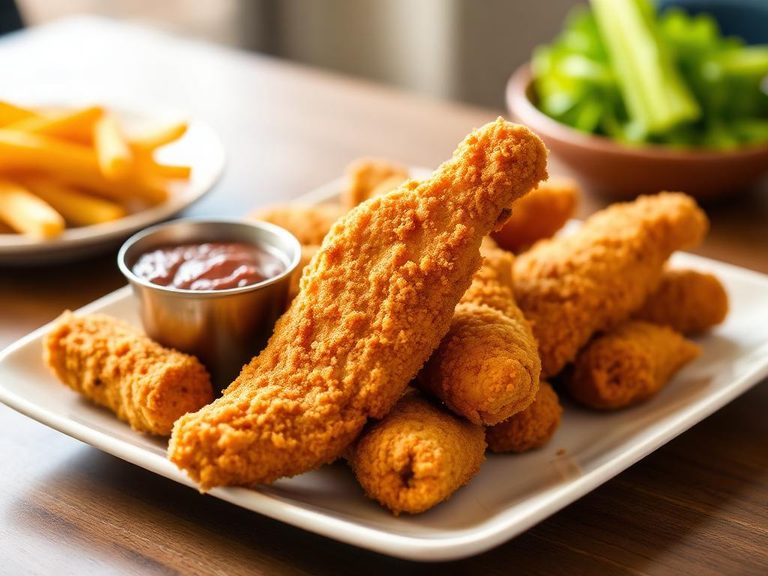
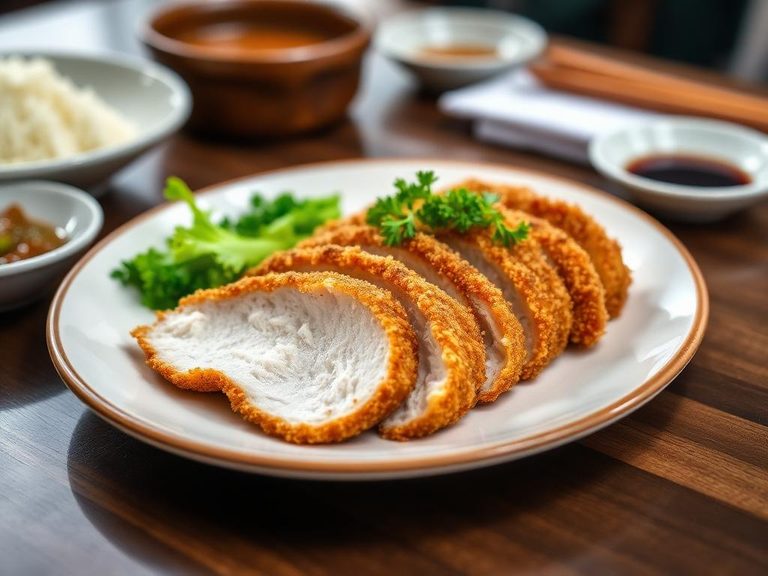
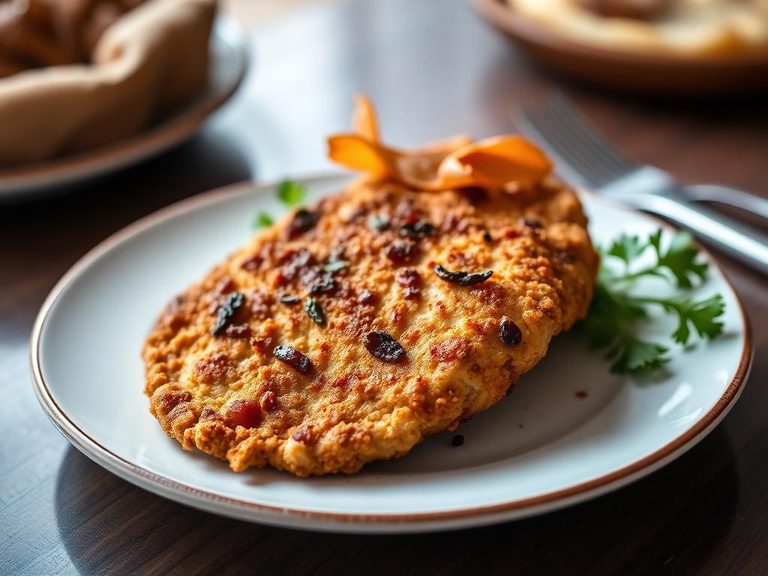
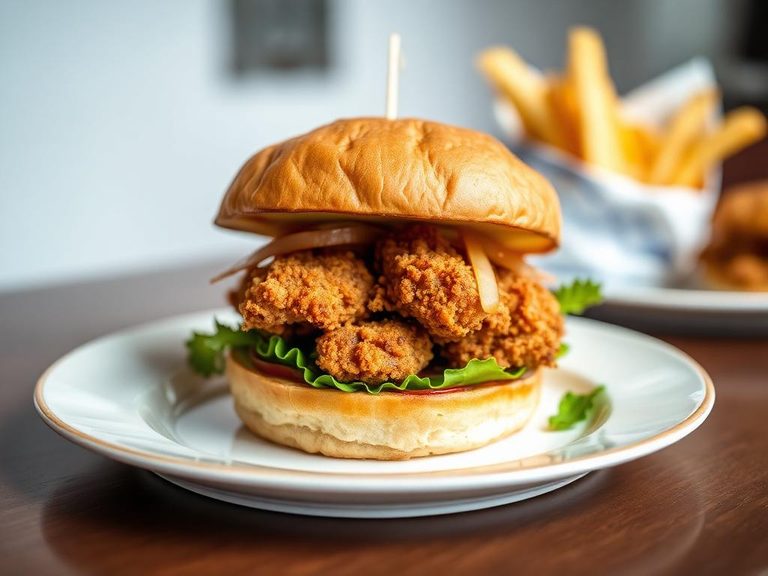
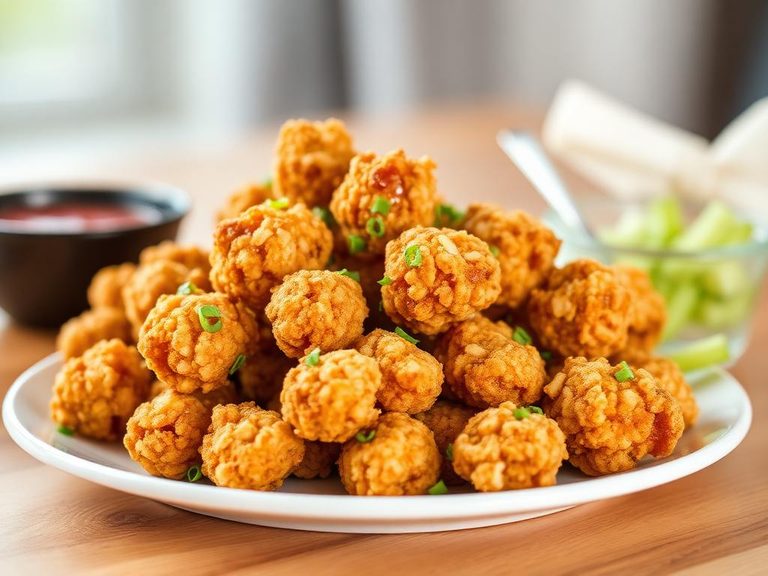
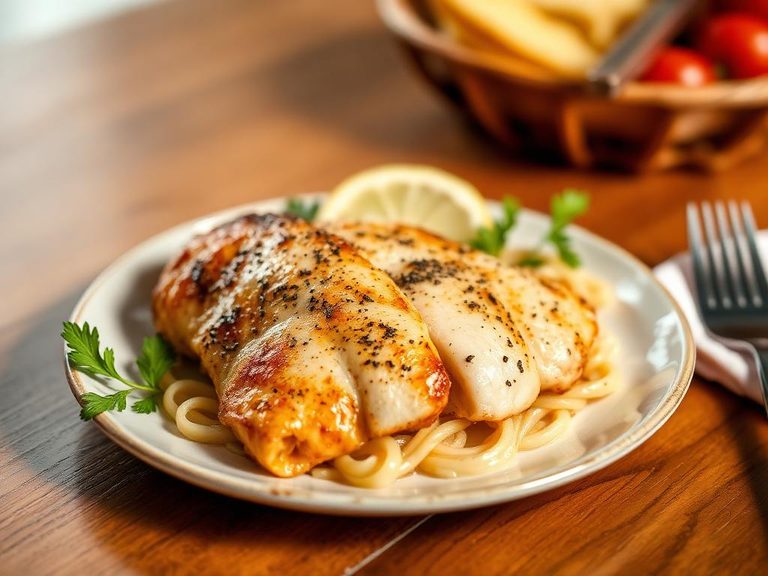
🌍 Where it's eaten
💡 Did you know?
The practice of breading and frying chicken is often traced back to Japanese 'katsu' techniques, which were adapted by American soldiers stationed in Japan after WWII, leading to a fusion that influenced modern fast-food fried chicken.
Full nutrition (USDA data · scales with serving)
| Water | 58.8 g |
| Energy | 213 kcal |
| Protein | 22.8 g |
| Total lipid (fat) | 10.8 g |
| Carbohydrate, by difference | 6.0 g |
| Fiber, total dietary | 0.20 g |
| Total Sugars | 0.10 g |
| Calcium, Ca | 25.0 mg |
| Iron, Fe | 0.88 mg |
| Magnesium, Mg | 24.0 mg |
| Phosphorus, P | 197 mg |
| Potassium, K | 251 mg |
| Sodium, Na | 436 mg |
| Zinc, Zn | 0.83 mg |
| Copper, Cu | 0.06 mg |
| Selenium, Se | 28.2 ug |
| Vitamin C, total ascorbic acid | 0.00 mg |
| Thiamin | 0.16 mg |
| Riboflavin | 0.22 mg |
| Niacin | 7.6 mg |
| Vitamin B-6 | 0.26 mg |
| Folate, total | 22.0 ug |
| Folic acid | 10.0 ug |
| Folate, food | 12.0 ug |
| Folate, DFE | 29.0 ug |
| Choline, total | 78.9 mg |
| Vitamin B-12 | 0.25 ug |
| Vitamin B-12, added | 0.00 ug |
| Vitamin A, RAE | 5.0 ug |
| Retinol | 5.0 ug |
| Carotene, beta | 0.00 ug |
| Carotene, alpha | 0.00 ug |
| Cryptoxanthin, beta | 0.00 ug |
| Lycopene | 0.00 ug |
| Lutein + zeaxanthin | 5.0 ug |
| Vitamin E (alpha-tocopherol) | 1.6 mg |
| Vitamin E, added | 0.00 mg |
| Vitamin D (D2 + D3) | 0.10 ug |
| Vitamin K (phylloquinone) | 7.1 ug |
| Alcohol, ethyl | 0.00 g |
| Caffeine | 0.00 mg |
| Theobromine | 0.00 mg |
Fat & fatty acid profile (per 100g)
| Fatty acids, total saturated | 1.9 g |
| SFA 4:0 | 0.01 g |
| SFA 6:0 | 0.00 g |
| SFA 8:0 | 0.00 g |
| SFA 10:0 | 0.01 g |
| SFA 12:0 | 0.00 g |
| SFA 14:0 | 0.03 g |
| SFA 16:0 | 1.3 g |
| SFA 18:0 | 0.46 g |
| Fatty acids, total monounsaturated | 4.6 g |
| MUFA 16:1 | 0.16 g |
| MUFA 18:1 | 4.2 g |
| MUFA 20:1 | 0.07 g |
| MUFA 22:1 | 0.00 g |
| Fatty acids, total polyunsaturated | 3.4 g |
| PUFA 18:2 | 2.9 g |
| PUFA 18:3 | 0.36 g |
| PUFA 18:4 | 0.00 g |
| PUFA 20:4 | 0.04 g |
| PUFA 20:5 n-3 (EPA) | 0.00 g |
| PUFA 22:5 n-3 (DPA) | 0.00 g |
| PUFA 22:6 n-3 (DHA) | 0.00 g |
| Cholesterol | 79.0 mg |
Amino acid profile (per 100g)
Estimated from Chicken, broiler or fryers, breast, skinless, boneless, meat only, cooked, grilled — USDA does not publish this profile for Chicken breast.
| Tryptophan | 0.39 g |
| Threonine | 1.4 g |
| Isoleucine | 1.5 g |
| Leucine | 2.5 g |
| Lysine | 2.9 g |
| Methionine | 0.79 g |
| Cystine | 0.32 g |
| Phenylalanine | 1.2 g |
| Tyrosine | 1.1 g |
| Valine | 1.6 g |
| Arginine | 2.1 g |
| Histidine | 1.1 g |
| Alanine | 1.8 g |
| Aspartic acid | 2.9 g |
| Glutamic acid | 4.5 g |
| Glycine | 1.4 g |
| Proline | 0.97 g |
| Serine | 1.2 g |
FAQ
Is the nutritional info for the chicken with or without the coating?
The data provided (213 kcal, 22.77g protein) is specifically for the chicken breast meat after the skin/coating has been removed, as noted in the description.
How does this compare to grilled chicken breast?
Fried, coated chicken (even without the coating) typically has more fat and calories than plain grilled chicken due to oil absorption during cooking. Grilled chicken breast (skinless) averages around 165 kcal and 3.6g fat per 100g.
Can I make a healthier version at home?
Yes. Use an air fryer or oven-bake with a light, whole-grain coating and minimal oil to achieve crispiness with significantly less fat. Choose lean cuts and control the seasoning to reduce sodium.
Nutrient density (calculated · NRF9.3)
Nutrient Rich Foods index: beneficial nutrients (protein, fiber, vitamins, minerals) minus saturated fat, added sugar & sodium, per 100 kcal.
NRF9.3 index — Fulgoni, Keast & Drewnowski, 2009. Computed from USDA nutrients.
Weight-loss friendliness (composite index)
Energy density 2.13 kcal/g · 43% calories from protein · 0.2 g fiber · 0.1 g sugar per 100 g.
Composite of energy density (Rolls et al., 1999), protein & fiber satiety, minus sugar. A calculated heuristic — ranks satiety-per-calorie, not a clinical measure.
Dietary load (calculated from USDA values)
Potential renal acid load. Positive = acid-forming, negative = alkaline-forming.
Sodium-to-potassium ratio: 1.74 (lower is better — aim for ≤ 1)
Sodium:potassium per WHO potassium guidance. Computed from USDA nutrients.