

Cheese, Parmesan, dry grated, fat free
Common food

Photo: Wikipedia
This is the concentrated, shelf-stable essence of Italy's most iconic cheese, milled into a fine, pale-yellow powder. Its taste is intensely savory, salty, and nutty, with a granular texture that dissolves into a rich umami wave. Nutritionally, it's a remarkable protein powerhouse, packing 40 grams into every 100 grams, with minimal fat.
Calorie split: 44% protein · 44% carbs · 12% fat
↓ Full nutrition💚 Why it's loved
People adore it for its unparalleled ability to instantly add a complex, salty, cheesy depth to any dish, from pasta to popcorn. It's a pantry staple that embodies the convenience and concentrated flavor of Italian culinary tradition.
⚠️ Watch-outs & how to enjoy it better
Its very high sodium content can be a concern for blood pressure, and the concentrated protein can be heavy for some digestion. To counteract, use it as a potent seasoning rather than a main ingredient, and pair it with potassium-rich vegetables like broccoli or spinach to help balance sodium.
Key benefits
- Exceptionally high in complete protein for muscle repair
- Very low in fat, especially saturated fat
- Source of calcium for bone health
- Rich in glutamate for deep umami flavor
- Long shelf life with no refrigeration needed
🍽️ Popular dishes
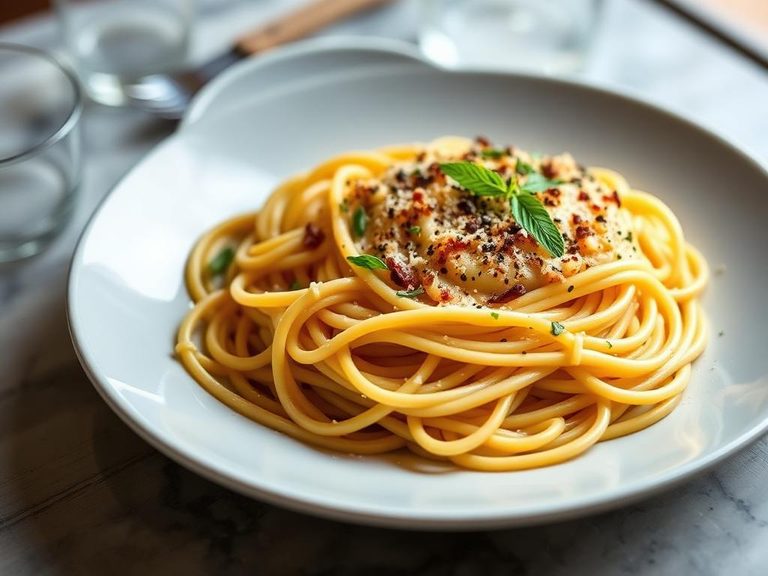
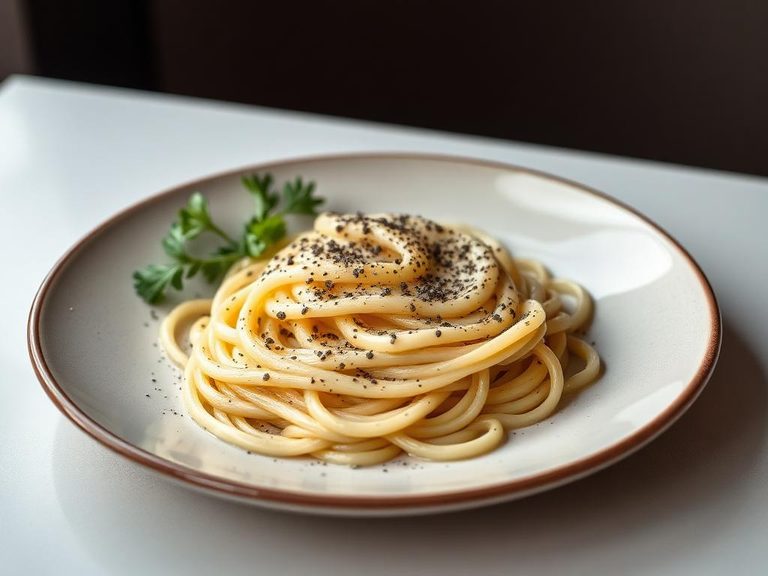
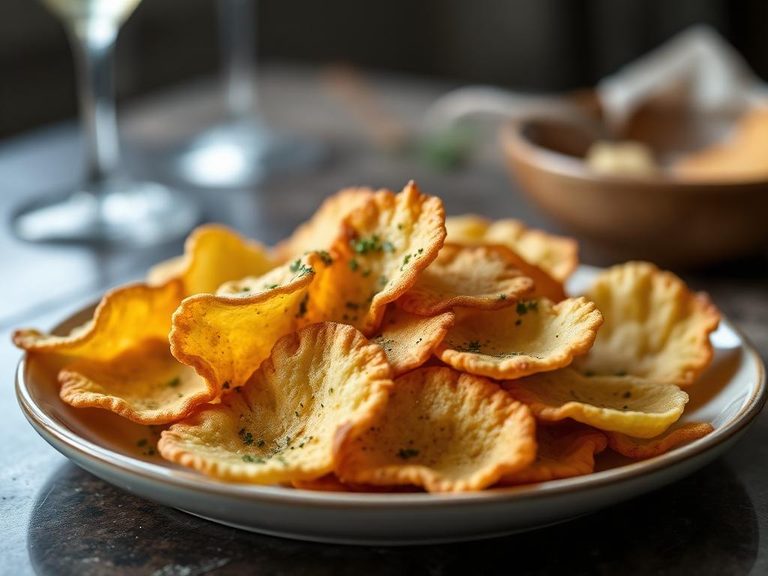
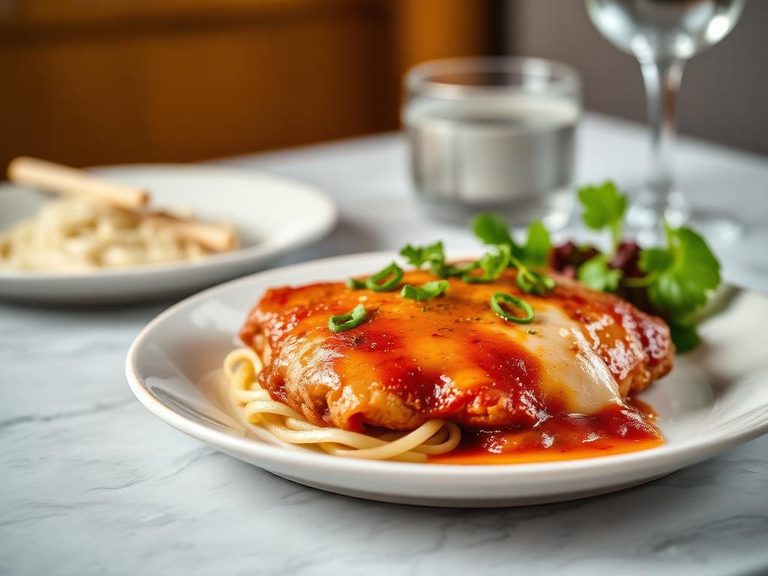
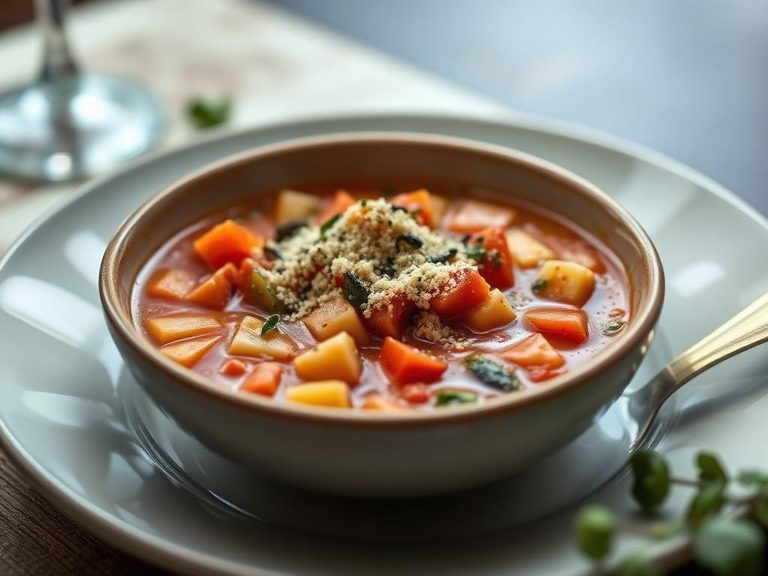
🌍 Where it's eaten
💡 Did you know?
Authentic Parmigiano-Reggiano is aged for a minimum of 12 months, and its crystalline structure is so hard that it must be chiseled, not sliced, from the wheel.
Full nutrition (USDA data · scales with serving)
| Water | 8.6 g |
| Energy | 370 kcal |
| Protein | 40.0 g |
| Total lipid (fat) | 5.0 g |
| Carbohydrate, by difference | 40.0 g |
| Fiber, total dietary | 0.00 g |
| Total Sugars | 1.5 g |
| Calcium, Ca | 800 mg |
| Iron, Fe | 5.0 mg |
| Magnesium, Mg | 40.0 mg |
| Phosphorus, P | 700 mg |
| Potassium, K | 600 mg |
| Sodium, Na | 1150 mg |
| Zinc, Zn | 3.0 mg |
| Copper, Cu | 0.02 mg |
| Selenium, Se | 43.3 ug |
| Vitamin C, total ascorbic acid | 0.00 mg |
| Thiamin | 0.05 mg |
| Riboflavin | 0.05 mg |
| Niacin | 0.20 mg |
| Vitamin B-6 | 0.10 mg |
| Folate, total | 25.0 ug |
| Folic acid | 0.00 ug |
| Folate, food | 25.0 ug |
| Folate, DFE | 25.0 ug |
| Choline, total | 15.4 mg |
| Vitamin B-12 | 1.1 ug |
| Vitamin B-12, added | 0.00 ug |
| Vitamin A, RAE | 40.0 ug |
| Retinol | 39.0 ug |
| Carotene, beta | 13.0 ug |
| Carotene, alpha | 0.00 ug |
| Cryptoxanthin, beta | 0.00 ug |
| Lycopene | 0.00 ug |
| Lutein + zeaxanthin | 0.00 ug |
| Vitamin E (alpha-tocopherol) | 0.04 mg |
| Vitamin E, added | 0.00 mg |
| Vitamin D (D2 + D3) | 0.00 ug |
| Vitamin K (phylloquinone) | 0.40 ug |
| Alcohol, ethyl | 0.00 g |
| Caffeine | 0.00 mg |
| Theobromine | 0.00 mg |
Fat & fatty acid profile (per 100g)
| Fatty acids, total saturated | 3.1 g |
| SFA 4:0 | 0.16 g |
| SFA 6:0 | 0.10 g |
| SFA 8:0 | 0.06 g |
| SFA 10:0 | 0.13 g |
| SFA 12:0 | 0.14 g |
| SFA 14:0 | 0.50 g |
| SFA 16:0 | 1.3 g |
| SFA 18:0 | 0.61 g |
| Fatty acids, total monounsaturated | 1.4 g |
| MUFA 16:1 | 0.11 g |
| MUFA 18:1 | 1.3 g |
| MUFA 20:1 | 0.08 g |
| MUFA 22:1 | 0.00 g |
| Fatty acids, total polyunsaturated | 0.19 g |
| PUFA 18:2 | 0.11 g |
| PUFA 18:3 | 0.07 g |
| PUFA 18:4 | 0.00 g |
| PUFA 20:4 | 0.00 g |
| PUFA 20:5 n-3 (EPA) | 0.00 g |
| PUFA 22:5 n-3 (DPA) | 0.00 g |
| PUFA 22:6 n-3 (DHA) | 0.00 g |
| Cholesterol | 20.0 mg |
Amino acid profile (per 100g)
Estimated from Crackers, cheese, sandwich-type with cheese filling — USDA does not publish this profile for Cheese.
| Tryptophan | 0.11 g |
| Threonine | 0.33 g |
| Isoleucine | 0.36 g |
| Leucine | 0.64 g |
| Lysine | 0.39 g |
| Methionine | 0.15 g |
| Cystine | 0.15 g |
| Phenylalanine | 0.35 g |
| Tyrosine | 0.25 g |
| Valine | 0.38 g |
| Arginine | 0.29 g |
| Histidine | 0.17 g |
| Alanine | 0.30 g |
| Aspartic acid | 0.52 g |
| Glutamic acid | 2.2 g |
| Glycine | 0.24 g |
| Proline | 0.77 g |
| Serine | 0.40 g |
FAQ
Is this the same as fresh Parmesan cheese?
No. This is a dry, grated, fat-free product made from cheese. Fresh Parmesan (like Parmigiano-Reggiano) is a semi-hard wheel with a different texture, moisture, and fat content.
Why does it have 40g of carbs if it's cheese?
The carbs come from lactose. In fresh cheese, lactose is mostly removed during production, but the drying and grating process can concentrate the remaining milk solids, including residual lactose.
Can I use this to make a creamy sauce?
Not effectively. It lacks the fat and moisture to melt smoothly and may become grainy. For sauces, use freshly grated Parmigiano-Reggiano or a blend with a melting cheese.
Nutrient density (calculated · NRF9.3)
Nutrient Rich Foods index: beneficial nutrients (protein, fiber, vitamins, minerals) minus saturated fat, added sugar & sodium, per 100 kcal.
NRF9.3 index — Fulgoni, Keast & Drewnowski, 2009. Computed from USDA nutrients.
Weight-loss friendliness (composite index)
Energy density 3.70 kcal/g · 43% calories from protein · 0.0 g fiber · 1.5 g sugar per 100 g.
Composite of energy density (Rolls et al., 1999), protein & fiber satiety, minus sugar. A calculated heuristic — ranks satiety-per-calorie, not a clinical measure.
Dietary load (calculated from USDA values)
Potential renal acid load. Positive = acid-forming, negative = alkaline-forming.
Sodium-to-potassium ratio: 1.92 (lower is better — aim for ≤ 1)
Sodium:potassium per WHO potassium guidance. Computed from USDA nutrients.