

Cheese, parmesan, grated, refrigerated
Whole food · Dairy and Egg Products
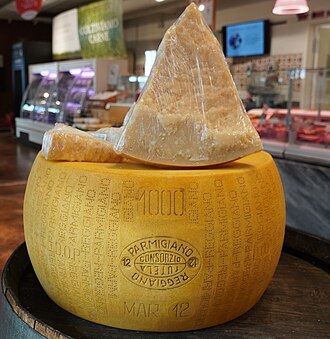
Photo: Wikipedia
Grated Parmesan is a hard, granular Italian cheese with a deeply savory, nutty, and slightly salty flavor that intensifies with aging. Its dry, crumbly texture makes it a potent flavor enhancer, and nutritionally, it is a powerhouse of protein and fat with minimal carbohydrates.
Calorie split: 30% protein · 4% carbs · 66% fat
↓ Full nutrition💚 Why it's loved
People adore Parmesan for its unparalleled umami punch that transforms simple dishes like pasta or risotto. Its versatility as both a finishing garnish and a cooking ingredient, coupled with its deep cultural roots in Italian cuisine, makes it a beloved pantry staple.
⚠️ Watch-outs & how to enjoy it better
Its high sodium and saturated fat content means those with hypertension or heart concerns should use it sparingly. As a dairy product, it is a common allergen, and its high protein can be a concern for individuals with certain kidney conditions. Counteract these by using it as a flavorful accent rather than a main ingredient, and pair it with fiber-rich vegetables or whole grains to balance the meal.
Key benefits
- Excellent source of complete protein (30g per 100g)
- Rich in calcium for bone health
- Contains conjugated linoleic acid (CLA), a beneficial fatty acid
- Low in lactose due to long aging process
- Provides umami depth, reducing need for added salt
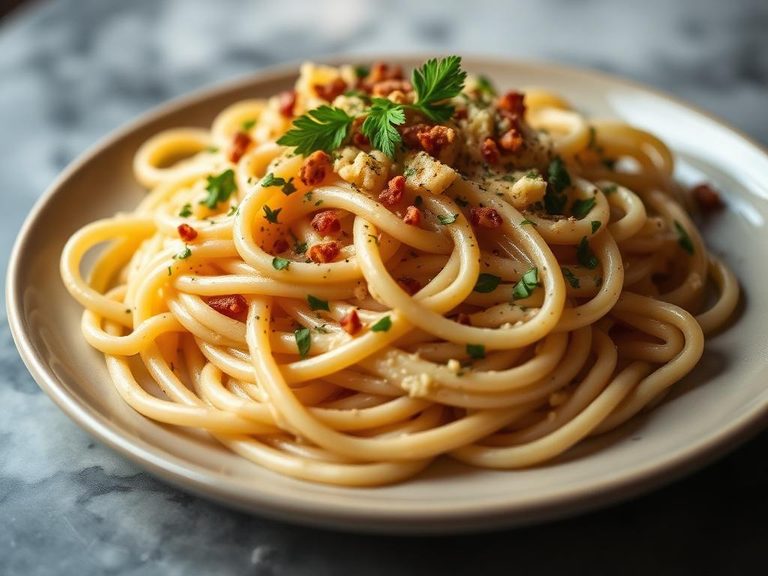
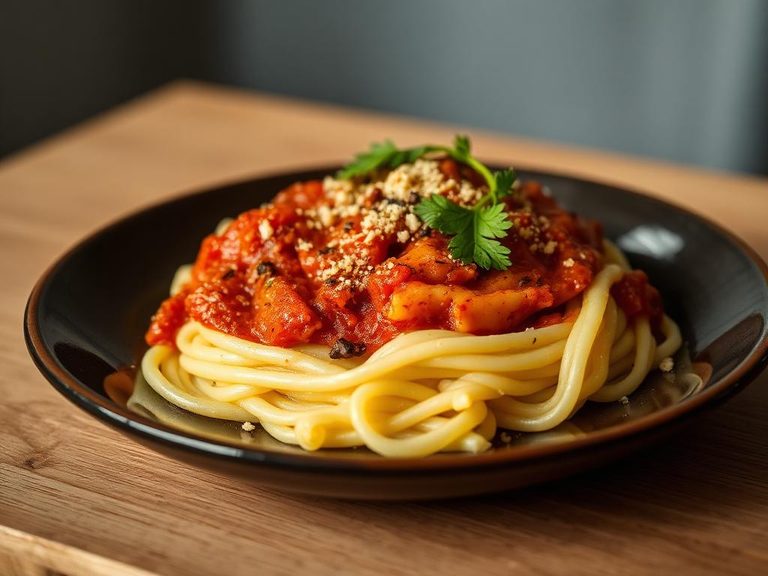
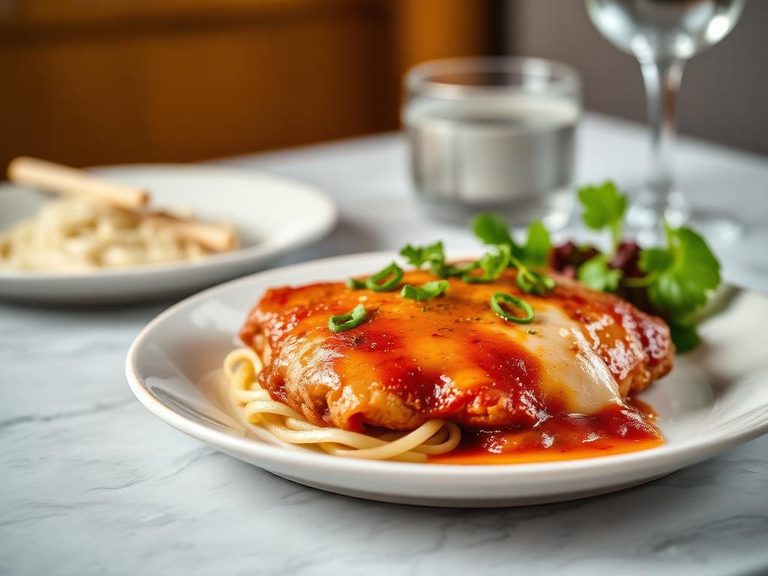
🍽️ Popular dishes
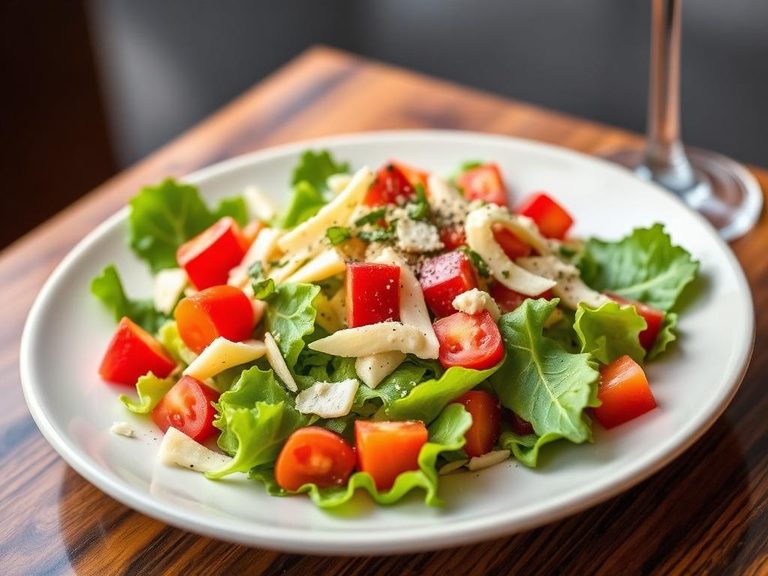
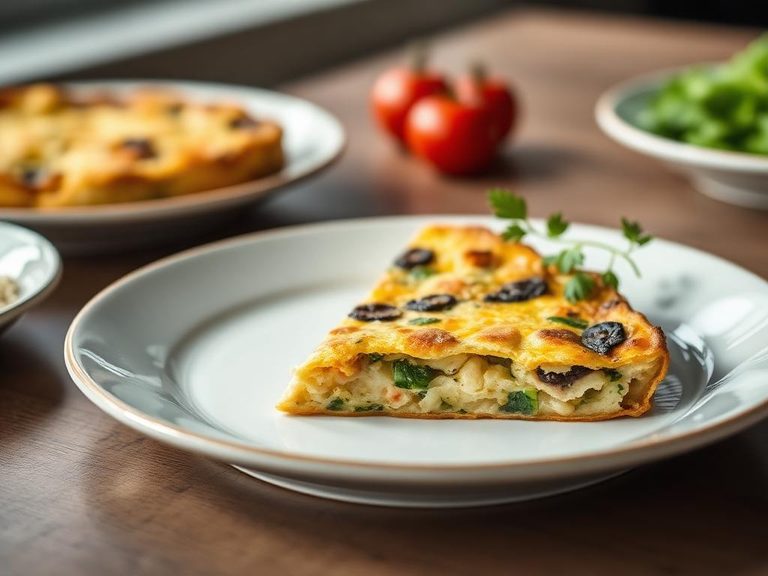
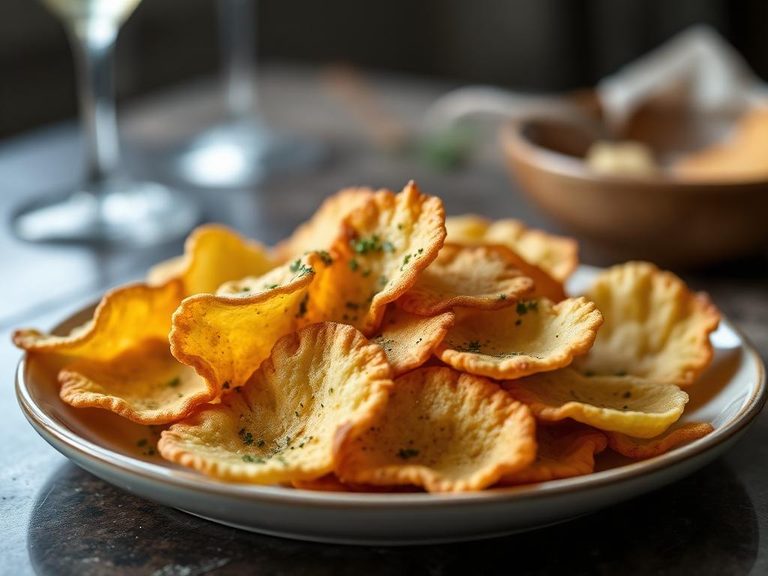
🌍 Where it's eaten
💡 Did you know?
Authentic Parmigiano-Reggiano has a protected designation of origin (DOP) and can only be produced in specific Italian provinces using traditional methods, with wheels often aged for 24 months or more.
Full nutrition (USDA data · scales with serving)
| Water | 30.8 g |
| Energy (Atwater General Factors) | 403 kcal |
| Energy (Atwater Specific Factors) | 405 kcal |
| Nitrogen | 4.7 g |
| Protein | 30.1 g |
| Total lipid (fat) | 29.5 g |
| Ash | 5.2 g |
| Carbohydrate, by difference | 4.3 g |
| Sugars, Total | 0.64 g |
| Sucrose | 0.00 g |
| Glucose | 0.61 g |
| Fructose | 0.00 g |
| Lactose | 0.00 g |
| Maltose | 0.00 g |
| Galactose | 0.03 g |
| Calcium, Ca | 950 mg |
| Iron, Fe | 0.14 mg |
| Magnesium, Mg | 35.4 mg |
| Phosphorus, P | 625 mg |
| Potassium, K | 74.0 mg |
| Sodium, Na | 1046 mg |
| Zinc, Zn | 4.6 mg |
| Copper, Cu | 0.04 mg |
| Manganese, Mn | 0.04 mg |
| Iodine, I | 82.9 ug |
| Thiamin | 0.03 mg |
| Riboflavin | 0.41 mg |
| Niacin | 0.14 mg |
| Vitamin B-6 | 0.02 mg |
| Biotin | 0.00 ug |
| Retinol | 233 ug |
| Vitamin D (D2 + D3), International Units | 0.00 iu |
| Vitamin D (D2 + D3) | 0.00 ug |
| Vitamin D2 (ergocalciferol) | 0.00 ug |
| Vitamin D3 (cholecalciferol) | 0.00 ug |
| Vitamin K (phylloquinone) | 1.7 ug |
| Vitamin K (Dihydrophylloquinone) | 0.00 ug |
| Vitamin K (Menaquinone-4) | 7.0 ug |
Fat & fatty acid profile (per 100g)
| Fatty acids, total saturated | 17.2 g |
| SFA 4:0 | 0.61 g |
| SFA 6:0 | 0.51 g |
| SFA 8:0 | 0.32 g |
| SFA 10:0 | 0.76 g |
| SFA 12:0 | 0.87 g |
| SFA 14:0 | 2.8 g |
| SFA 16:0 | 8.2 g |
| SFA 18:0 | 2.6 g |
| Fatty acids, total monounsaturated | 6.0 g |
| MUFA 16:1 c | 0.43 g |
| MUFA 18:1 c | 5.3 g |
| PUFA 18:2 n-6 c,c | 0.67 g |
| Cholesterol | 86.0 mg |
Amino acid profile (per 100g)
Estimated from Cheese, cottage, with vegetables — USDA does not publish this profile for Cheese.
| Tryptophan | 0.13 g |
| Threonine | 0.53 g |
| Isoleucine | 0.70 g |
| Leucine | 1.2 g |
| Lysine | 0.97 g |
| Methionine | 0.36 g |
| Cystine | 0.11 g |
| Phenylalanine | 0.65 g |
| Tyrosine | 0.64 g |
| Valine | 0.74 g |
| Arginine | 0.55 g |
| Histidine | 0.40 g |
| Alanine | 0.62 g |
| Aspartic acid | 0.82 g |
| Glutamic acid | 2.6 g |
| Glycine | 0.27 g |
| Proline | 1.4 g |
| Serine | 0.67 g |
FAQ
Is grated Parmesan the same as Parmigiano-Reggiano?
Not always. 'Parmesan' is a generic term, while 'Parmigiano-Reggiano' is the protected Italian original. Pre-grated Parmesan in shakers often contains anti-caking agents and may be a blend of cheeses.
Why does Parmesan have crystals?
The crunchy white specks are tyrosine crystals, a natural result of the long aging process as proteins break down. They are a sign of a well-aged, flavorful cheese.
Can lactose-intolerant people eat Parmesan?
Often, yes. The aging process (typically 12+ months) breaks down most of the lactose, making aged Parmesan very low in lactose and usually tolerable for many with lactose sensitivity.
Nutrient density (calculated · NRF9.3)
Nutrient Rich Foods index: beneficial nutrients (protein, fiber, vitamins, minerals) minus saturated fat, added sugar & sodium, per 100 kcal.
NRF9.3 index — Fulgoni, Keast & Drewnowski, 2009. Computed from USDA nutrients.
Weight-loss friendliness (composite index)
Energy density 4.03 kcal/g · 30% calories from protein · 0.0 g fiber · 0.0 g sugar per 100 g.
Composite of energy density (Rolls et al., 1999), protein & fiber satiety, minus sugar. A calculated heuristic — ranks satiety-per-calorie, not a clinical measure.
Dietary load (calculated from USDA values)
Potential renal acid load. Positive = acid-forming, negative = alkaline-forming.
Sodium-to-potassium ratio: 14.14 (lower is better — aim for ≤ 1)
Sodium:potassium per WHO potassium guidance. Computed from USDA nutrients.