

Cheese, Cheddar, reduced fat
Common food

Photo: Wikipedia
Reduced-fat cheddar is a firmer, slightly less creamy version of the classic cheese, offering a familiar sharp, tangy flavor with a satisfying bite. It's a nutritional powerhouse, packing a significant protein punch (over 27g per 100g) while cutting the fat content by about half compared to regular cheddar, making it a favorite for health-conscious cooks.
Calorie split: 36% protein · 4% carbs · 60% fat
↓ Full nutrition💚 Why it's loved
People love it for delivering the iconic, robust flavor of cheddar in a lighter form, making it a versatile staple for sandwiches, salads, and melted dishes without the full guilt. Its cultural status as a comfort food staple in Western cuisines ensures it's always a crowd-pleaser.
⚠️ Watch-outs & how to enjoy it better
The reduced fat can result in a less smooth melt and a slightly drier, more crumbly texture compared to full-fat versions. Those monitoring sodium intake should be mindful, as cheese is a significant source; pairing it with potassium-rich foods like tomatoes or spinach can help balance electrolytes.
Key benefits
- Excellent source of high-quality protein for muscle maintenance.
- Significantly lower in fat and calories than full-fat cheddar.
- Rich in calcium for bone health.
- Provides a good dose of phosphorus and vitamin B12.
🍽️ Popular dishes
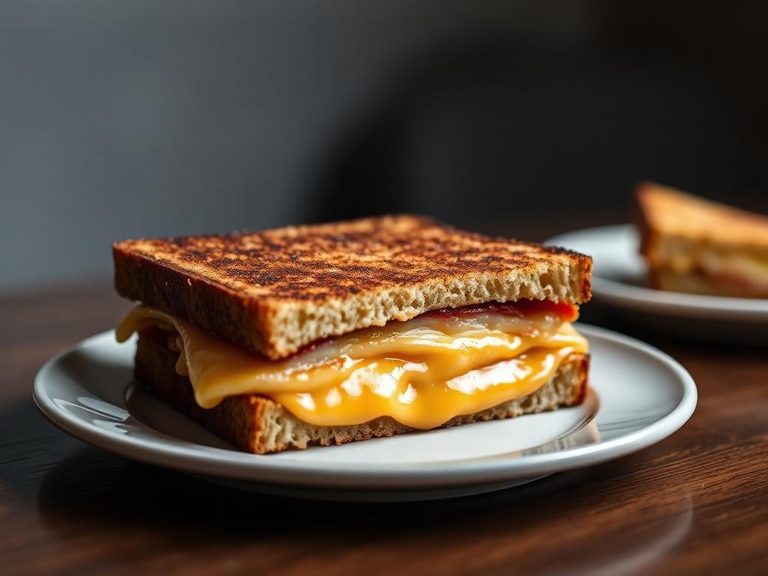
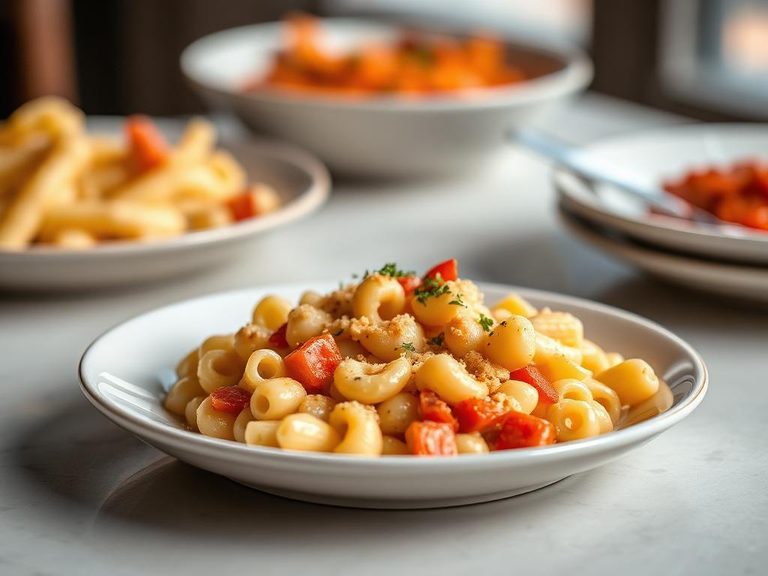
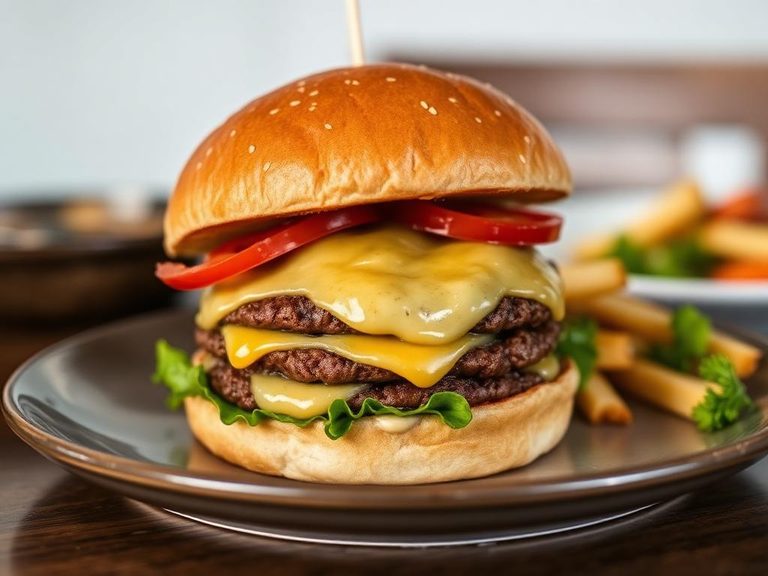
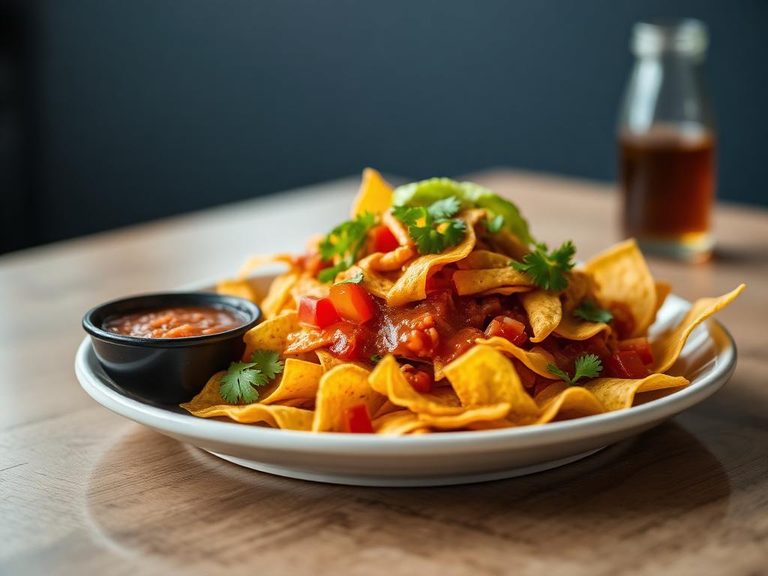
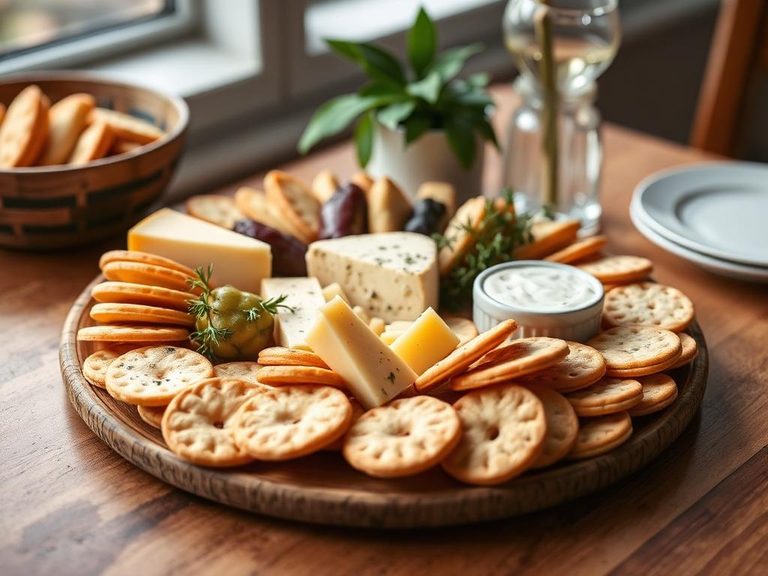
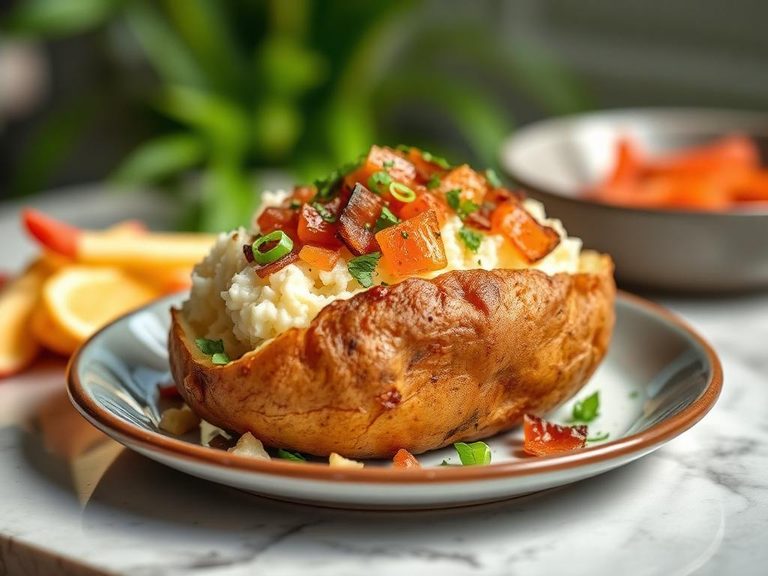
🌍 Where it's eaten
💡 Did you know?
Cheddar gets its name from the village of Cheddar in Somerset, England, where caves provided the perfect cool, humid environment for the cheese to mature.
Full nutrition (USDA data · scales with serving)
| Water | 44.3 g |
| Energy | 316 kcal |
| Protein | 27.4 g |
| Total lipid (fat) | 20.4 g |
| Carbohydrate, by difference | 2.7 g |
| Fiber, total dietary | 0.00 g |
| Total Sugars | 0.26 g |
| Calcium, Ca | 761 mg |
| Iron, Fe | 0.12 mg |
| Magnesium, Mg | 27.0 mg |
| Phosphorus, P | 520 mg |
| Potassium, K | 63.0 mg |
| Sodium, Na | 628 mg |
| Zinc, Zn | 4.4 mg |
| Copper, Cu | 0.04 mg |
| Selenium, Se | 35.8 ug |
| Vitamin C, total ascorbic acid | 0.00 mg |
| Thiamin | 0.02 mg |
| Riboflavin | 0.40 mg |
| Niacin | 0.14 mg |
| Vitamin B-6 | 0.08 mg |
| Folate, total | 20.0 ug |
| Folic acid | 0.00 ug |
| Folate, food | 20.0 ug |
| Folate, DFE | 20.0 ug |
| Choline, total | 15.4 mg |
| Vitamin B-12 | 1.4 ug |
| Vitamin B-12, added | 0.00 ug |
| Vitamin A, RAE | 145 ug |
| Retinol | 142 ug |
| Carotene, beta | 28.0 ug |
| Carotene, alpha | 0.00 ug |
| Cryptoxanthin, beta | 1.0 ug |
| Lycopene | 0.00 ug |
| Lutein + zeaxanthin | 4.0 ug |
| Vitamin E (alpha-tocopherol) | 0.48 mg |
| Vitamin E, added | 0.00 mg |
| Vitamin D (D2 + D3) | 0.30 ug |
| Vitamin K (phylloquinone) | 1.5 ug |
| Alcohol, ethyl | 0.00 g |
| Caffeine | 0.00 mg |
| Theobromine | 0.00 mg |
Fat & fatty acid profile (per 100g)
| Fatty acids, total saturated | 12.6 g |
| SFA 4:0 | 0.44 g |
| SFA 6:0 | 0.36 g |
| SFA 8:0 | 0.23 g |
| SFA 10:0 | 0.56 g |
| SFA 12:0 | 0.64 g |
| SFA 14:0 | 2.0 g |
| SFA 16:0 | 5.8 g |
| SFA 18:0 | 2.2 g |
| Fatty acids, total monounsaturated | 5.3 g |
| MUFA 16:1 | 0.33 g |
| MUFA 18:1 | 4.7 g |
| MUFA 20:1 | 0.04 g |
| MUFA 22:1 | 0.00 g |
| Fatty acids, total polyunsaturated | 0.89 g |
| PUFA 18:2 | 0.74 g |
| PUFA 18:3 | 0.06 g |
| PUFA 18:4 | 0.00 g |
| PUFA 20:4 | 0.04 g |
| PUFA 20:5 n-3 (EPA) | 0.01 g |
| PUFA 22:5 n-3 (DPA) | 0.01 g |
| PUFA 22:6 n-3 (DHA) | 0.00 g |
| Cholesterol | 76.0 mg |
Amino acid profile (per 100g)
Estimated from Crackers, cheese, sandwich-type with cheese filling — USDA does not publish this profile for Cheese.
| Tryptophan | 0.11 g |
| Threonine | 0.33 g |
| Isoleucine | 0.36 g |
| Leucine | 0.64 g |
| Lysine | 0.39 g |
| Methionine | 0.15 g |
| Cystine | 0.15 g |
| Phenylalanine | 0.35 g |
| Tyrosine | 0.25 g |
| Valine | 0.38 g |
| Arginine | 0.29 g |
| Histidine | 0.17 g |
| Alanine | 0.30 g |
| Aspartic acid | 0.52 g |
| Glutamic acid | 2.2 g |
| Glycine | 0.24 g |
| Proline | 0.77 g |
| Serine | 0.40 g |
FAQ
Why is reduced-fat cheddar often drier and less melty?
Fat plays a crucial role in cheese's texture and meltability. The milk fat globules lubricate the protein matrix, allowing it to flow smoothly when heated. With less fat, the protein network is more dominant, leading to a firmer texture that can become oily or grainy when melted.
Can I substitute it 1:1 for regular cheddar in recipes?
It works well in many applications like sandwiches, salads, and casseroles. However, for dishes where a perfect, smooth melt is critical (like a classic queso dip or a perfectly gooey grilled cheese), you might notice a difference. It's best to use it where its firmer texture is an asset, like in a topping or a filling.
Is it still a good source of calcium?
Yes, absolutely. The calcium content in cheese is largely independent of its fat content. Reduced-fat cheddar remains an excellent source of this essential mineral, crucial for bone and dental health.
Nutrient density (calculated · NRF9.3)
Nutrient Rich Foods index: beneficial nutrients (protein, fiber, vitamins, minerals) minus saturated fat, added sugar & sodium, per 100 kcal.
NRF9.3 index — Fulgoni, Keast & Drewnowski, 2009. Computed from USDA nutrients.
Weight-loss friendliness (composite index)
Energy density 3.16 kcal/g · 35% calories from protein · 0.0 g fiber · 0.3 g sugar per 100 g.
Composite of energy density (Rolls et al., 1999), protein & fiber satiety, minus sugar. A calculated heuristic — ranks satiety-per-calorie, not a clinical measure.
Dietary load (calculated from USDA values)
Potential renal acid load. Positive = acid-forming, negative = alkaline-forming.
Sodium-to-potassium ratio: 9.97 (lower is better — aim for ≤ 1)
Sodium:potassium per WHO potassium guidance. Computed from USDA nutrients.