

Chard, swiss, cooked, boiled, drained, without salt
Whole food · Vegetables and Vegetable Products

Photo: Wikipedia
Swiss chard, once boiled and drained, transforms into a tender, silky green with a mild, earthy sweetness and a subtle mineral backbone. Its vibrant leaves and stems—ranging from ruby red to golden yellow—soften into a delicate texture that readily absorbs seasonings. At just 20 calories per 100g, it delivers a notable 2.1g of fiber and a spectrum of vitamins, making it a nutrient-dense, low-calorie staple.
Calorie split: 30% protein · 67% carbs · 3% fat
↓ Full nutrition💚 Why it's loved
People love its versatility and mild, slightly sweet flavor that pairs well with garlic, lemon, and olive oil. Its colorful stems and leaves add visual appeal to dishes, and it's a traditional comfort food in many Mediterranean and European cuisines.
⚠️ Watch-outs & how to enjoy it better
Swiss chard contains oxalates, which can contribute to kidney stone formation in susceptible individuals; boiling and draining helps reduce oxalate content. It also has a moderate amount of natural sugars (1.1g per 100g), which could affect blood sugar in large portions for those with diabetes; pairing with protein or fat can help mitigate this. Some may find its texture too soft if overcooked.
Key benefits
- Exceptionally low in calories and fat, supporting weight management.
- Rich in dietary fiber (2.1g per 100g) for digestive health.
- Provides a good source of vitamin K, vitamin A, and vitamin C.
- Contains essential minerals like magnesium, potassium, and iron.
- High in antioxidants, including beta-carotene and flavonoids.
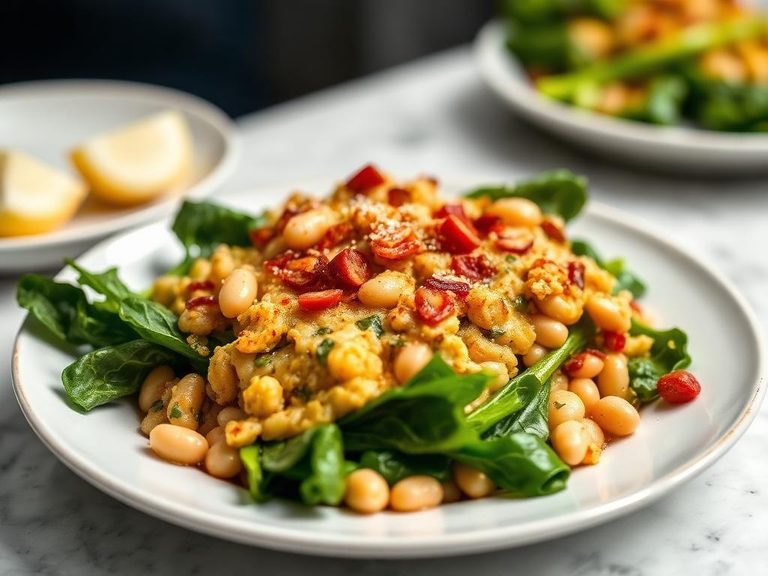
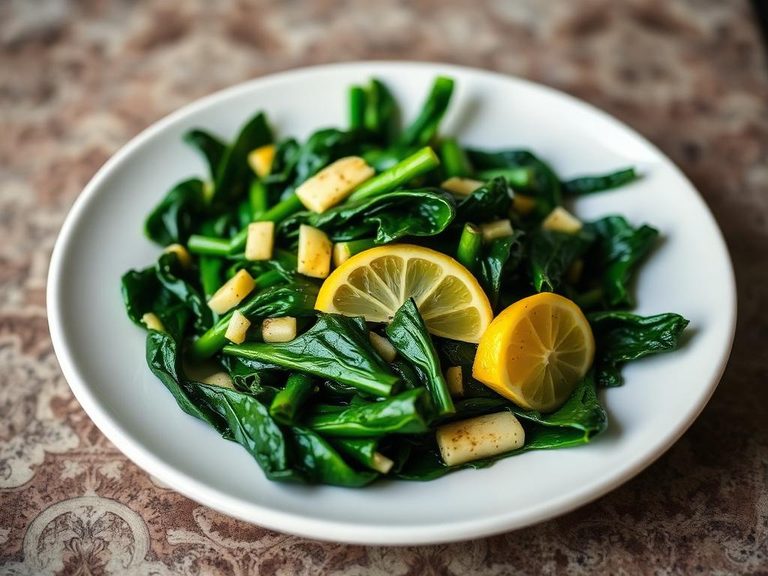
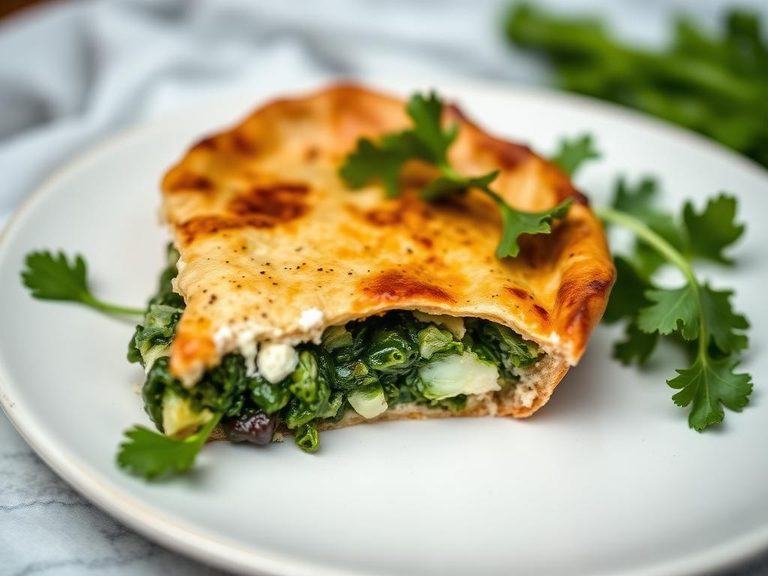
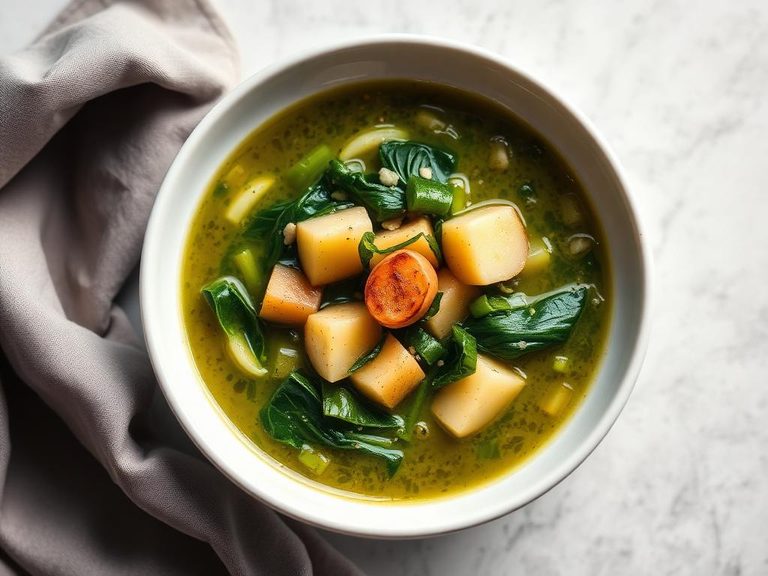
🍽️ Popular dishes
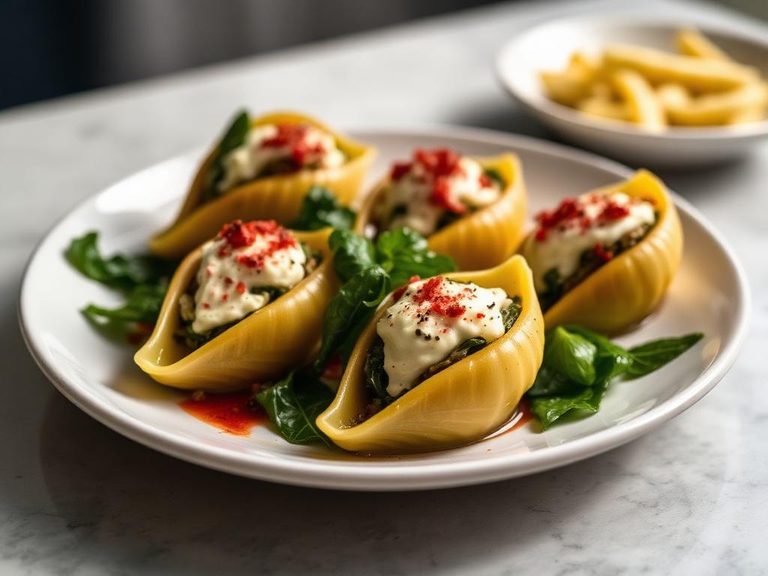
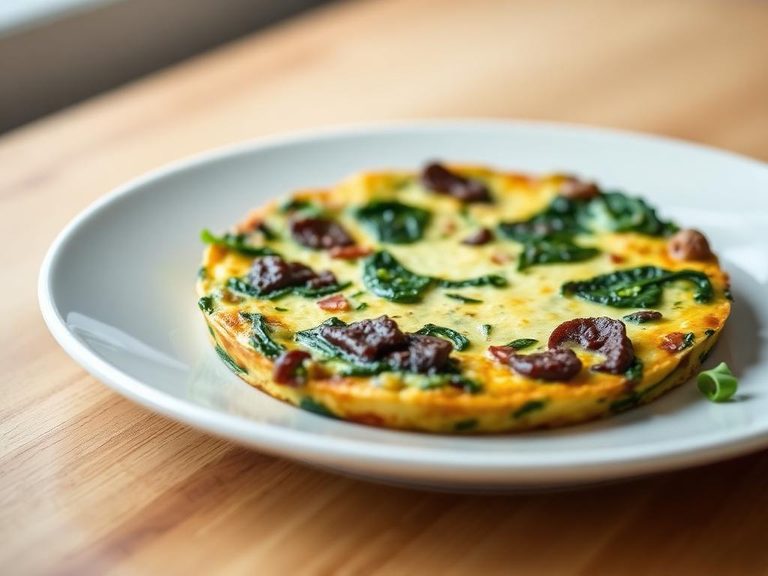
🌍 Where it's eaten
💡 Did you know?
Swiss chard is not actually from Switzerland; it's native to the Mediterranean region, and its name 'Swiss' likely refers to a 19th-century Swiss botanist who promoted it.
Full nutrition (USDA data · scales with serving)
| Water | 92.7 g |
| Energy | 20.0 kcal |
| Energy | 84.0 kj |
| Protein | 1.9 g |
| Total lipid (fat) | 0.08 g |
| Ash | 1.3 g |
| Carbohydrate, by difference | 4.1 g |
| Fiber, total dietary | 2.1 g |
| Total Sugars | 1.1 g |
| Calcium, Ca | 58.0 mg |
| Iron, Fe | 2.3 mg |
| Magnesium, Mg | 86.0 mg |
| Phosphorus, P | 33.0 mg |
| Potassium, K | 549 mg |
| Sodium, Na | 179 mg |
| Zinc, Zn | 0.33 mg |
| Copper, Cu | 0.16 mg |
| Manganese, Mn | 0.33 mg |
| Selenium, Se | 0.90 ug |
| Vitamin C, total ascorbic acid | 18.0 mg |
| Thiamin | 0.03 mg |
| Riboflavin | 0.09 mg |
| Niacin | 0.36 mg |
| Pantothenic acid | 0.16 mg |
| Vitamin B-6 | 0.09 mg |
| Folate, total | 9.0 ug |
| Folic acid | 0.00 ug |
| Folate, food | 9.0 ug |
| Folate, DFE | 9.0 ug |
| Choline, total | 28.7 mg |
| Betaine | 0.10 mg |
| Vitamin B-12 | 0.00 ug |
| Vitamin B-12, added | 0.00 ug |
| Vitamin A, RAE | 306 ug |
| Retinol | 0.00 ug |
| Carotene, beta | 3652 ug |
| Carotene, alpha | 45.0 ug |
| Cryptoxanthin, beta | 0.00 ug |
| Vitamin A, IU | 6124 iu |
| Lycopene | 0.00 ug |
| Lutein + zeaxanthin | 11015 ug |
| Vitamin E (alpha-tocopherol) | 1.9 mg |
| Vitamin E, added | 0.00 mg |
| Vitamin D (D2 + D3), International Units | 0.00 iu |
| Vitamin D (D2 + D3) | 0.00 ug |
| Vitamin K (phylloquinone) | 327 ug |
| Alcohol, ethyl | 0.00 g |
| Caffeine | 0.00 mg |
| Theobromine | 0.00 mg |
Fat & fatty acid profile (per 100g)
| Fatty acids, total saturated | 0.01 g |
| SFA 4:0 | 0.00 g |
| SFA 6:0 | 0.00 g |
| SFA 8:0 | 0.00 g |
| SFA 10:0 | 0.00 g |
| SFA 12:0 | 0.00 g |
| SFA 14:0 | 0.00 g |
| SFA 16:0 | 0.01 g |
| SFA 18:0 | 0.00 g |
| Fatty acids, total monounsaturated | 0.02 g |
| MUFA 16:1 | 0.00 g |
| MUFA 18:1 | 0.02 g |
| MUFA 20:1 | 0.00 g |
| MUFA 22:1 | 0.00 g |
| Fatty acids, total polyunsaturated | 0.03 g |
| PUFA 18:2 | 0.03 g |
| PUFA 18:3 | 0.00 g |
| PUFA 18:4 | 0.00 g |
| PUFA 20:4 | 0.00 g |
| PUFA 20:5 n-3 (EPA) | 0.00 g |
| PUFA 22:5 n-3 (DPA) | 0.00 g |
| PUFA 22:6 n-3 (DHA) | 0.00 g |
| Fatty acids, total trans | 0.00 g |
| Cholesterol | 0.00 mg |
Amino acid profile (per 100g)
| Tryptophan | 0.02 g |
| Threonine | 0.09 g |
| Isoleucine | 0.15 g |
| Leucine | 0.14 g |
| Lysine | 0.10 g |
| Methionine | 0.02 g |
| Phenylalanine | 0.11 g |
| Valine | 0.11 g |
| Arginine | 0.12 g |
| Histidine | 0.04 g |
FAQ
Is boiled Swiss chard healthier than raw?
Boiling and draining reduces oxalates, which can improve mineral absorption and lower kidney stone risk, but it may also leach some water-soluble vitamins like vitamin C. Steaming or sautéing can preserve more nutrients.
How should I store cooked Swiss chard?
Store it in an airtight container in the refrigerator for up to 3-4 days. Reheat gently to avoid overcooking, and consider adding a splash of lemon juice to preserve color and flavor.
Can I eat the stems of Swiss chard?
Yes, the stems are edible and have a crisp, slightly sweet texture when cooked. They can be sautéed separately or added to soups and stews for extra crunch and nutrition.
Nutrient density (calculated · NRF9.3)
Nutrient Rich Foods index: beneficial nutrients (protein, fiber, vitamins, minerals) minus saturated fat, added sugar & sodium, per 100 kcal.
NRF9.3 index — Fulgoni, Keast & Drewnowski, 2009. Computed from USDA nutrients.
Weight-loss friendliness (composite index)
Energy density 0.20 kcal/g · 38% calories from protein · 2.1 g fiber · 1.1 g sugar per 100 g.
Composite of energy density (Rolls et al., 1999), protein & fiber satiety, minus sugar. A calculated heuristic — ranks satiety-per-calorie, not a clinical measure.
Dietary load (calculated from USDA values)
Potential renal acid load. Positive = acid-forming, negative = alkaline-forming.
Sodium-to-potassium ratio: 0.33 (lower is better — aim for ≤ 1)
Sodium:potassium per WHO potassium guidance. Computed from USDA nutrients.