

Cereals, WHEATENA, cooked with water, with salt
Whole food · Breakfast Cereals

Photo: Wikipedia
Wheatena is a classic, toasty American hot cereal made from toasted whole wheat groats, cooked into a creamy, nutty porridge. Its flavor is distinctly earthy and malty, with a texture that can range from smooth and comforting to pleasantly chewy depending on preparation. Nutritionally, it's a solid source of fiber and plant-based protein for a low-calorie breakfast.
Calorie split: 14% protein · 79% carbs · 7% fat
↓ Full nutrition💚 Why it's loved
People love Wheatena for its deep, toasty, almost coffee-like flavor that feels substantial and wholesome. It's a nostalgic comfort food for many, evoking a sense of simple, hearty home cooking.
⚠️ Watch-outs & how to enjoy it better
Its dense fiber and whole grain content can cause digestive discomfort for some if introduced too quickly. It's also a common allergen (wheat/gluten) and contains phytates that can reduce mineral absorption. To counteract, start with smaller portions, pair it with a source of vitamin C (like fruit) to boost iron uptake, and ensure it's part of a varied diet.
Key benefits
- High in dietary fiber for digestive health
- Good source of plant-based protein for a cereal
- Low in fat and contains no added sugar
- Provides iron and B vitamins from whole wheat
- A warming, comforting, and filling breakfast option
🍽️ Popular dishes
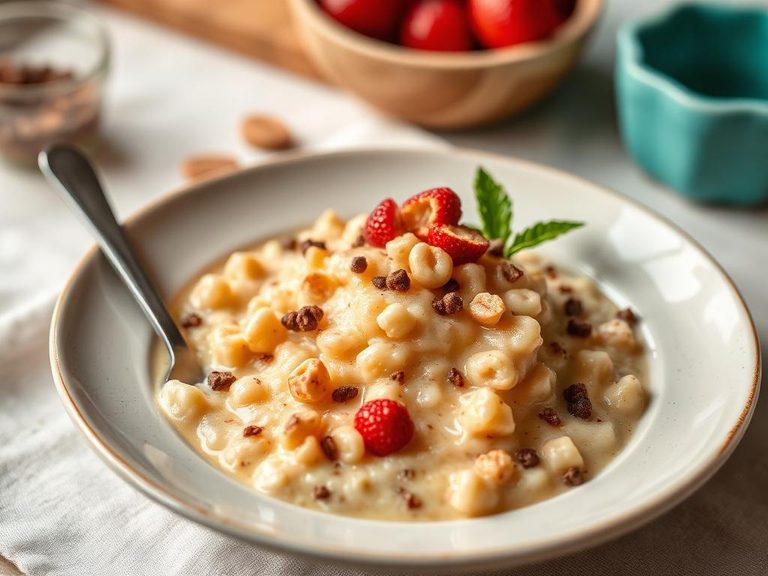
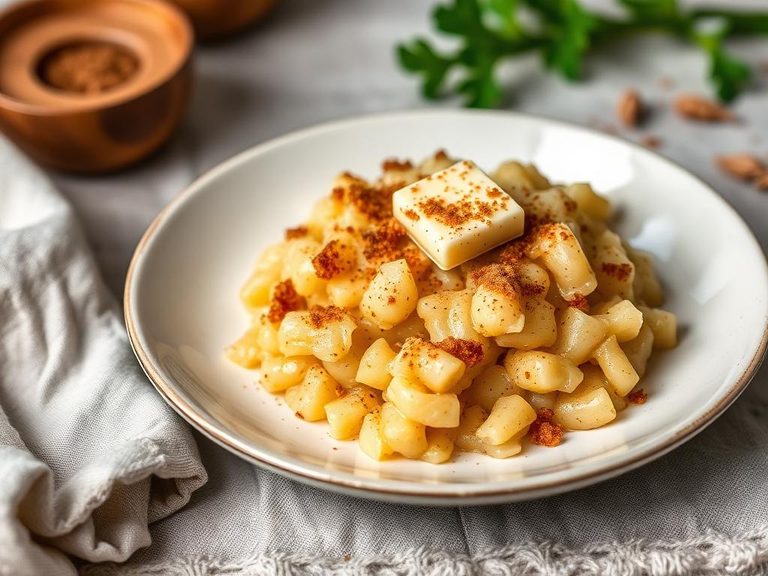

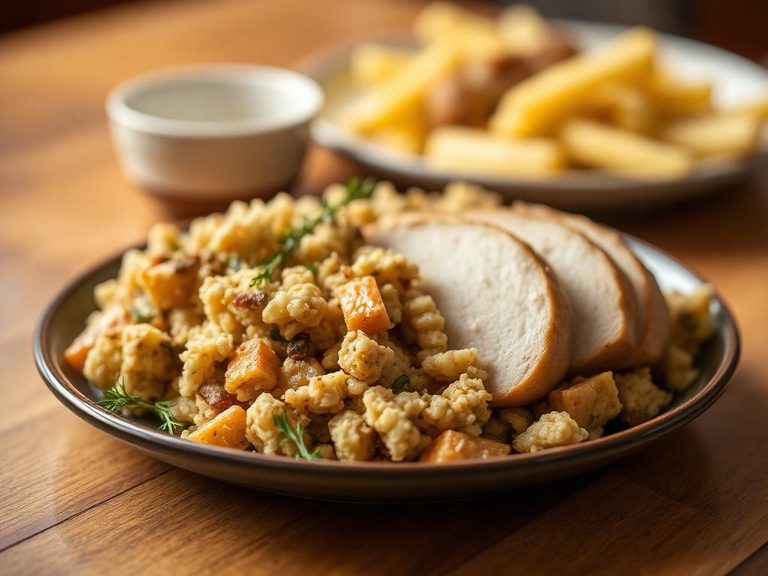

🌍 Where it's eaten
💡 Did you know?
Wheatena was invented in 1879 by a Greek immigrant named George H. Hoyt in Rahway, New Jersey, after a fire at a nearby mill spilled cracked wheat, which he began toasting and selling.
Full nutrition (USDA data · scales with serving)
| Water | 85.4 g |
| Energy | 59.0 kcal |
| Energy | 247 kj |
| Protein | 2.0 g |
| Total lipid (fat) | 0.45 g |
| Ash | 0.38 g |
| Carbohydrate, by difference | 11.7 g |
| Fiber, total dietary | 2.0 g |
| Total Sugars | 0.25 g |
| Calcium, Ca | 80.0 mg |
| Iron, Fe | 0.56 mg |
| Magnesium, Mg | 21.0 mg |
| Phosphorus, P | 60.0 mg |
| Potassium, K | 77.0 mg |
| Sodium, Na | 238 mg |
| Zinc, Zn | 0.69 mg |
| Copper, Cu | 0.06 mg |
| Manganese, Mn | 0.82 mg |
| Selenium, Se | 11.0 ug |
| Vitamin C, total ascorbic acid | 0.00 mg |
| Thiamin | 0.01 mg |
| Riboflavin | 0.02 mg |
| Niacin | 0.55 mg |
| Pantothenic acid | 0.04 mg |
| Vitamin B-6 | 0.02 mg |
| Folate, total | 9.0 ug |
| Folic acid | 0.00 ug |
| Folate, food | 9.0 ug |
| Folate, DFE | 9.0 ug |
| Vitamin B-12 | 0.00 ug |
| Vitamin A, RAE | 0.00 ug |
| Retinol | 0.00 ug |
| Carotene, beta | 2.0 ug |
| Carotene, alpha | 0.00 ug |
| Cryptoxanthin, beta | 0.00 ug |
| Vitamin A, IU | 3.0 iu |
| Lycopene | 0.00 ug |
| Lutein + zeaxanthin | 45.0 ug |
| Vitamin E (alpha-tocopherol) | 0.53 mg |
| Vitamin K (phylloquinone) | 0.40 ug |
| Alcohol, ethyl | 0.00 g |
| Caffeine | 0.00 mg |
| Theobromine | 0.00 mg |
Fat & fatty acid profile (per 100g)
| Fatty acids, total saturated | 0.09 g |
| SFA 4:0 | 0.00 g |
| SFA 6:0 | 0.00 g |
| SFA 8:0 | 0.00 g |
| SFA 10:0 | 0.00 g |
| SFA 12:0 | 0.00 g |
| SFA 14:0 | 0.00 g |
| SFA 16:0 | 0.09 g |
| SFA 18:0 | 0.00 g |
| Fatty acids, total monounsaturated | 0.07 g |
| MUFA 16:1 | 0.00 g |
| MUFA 18:1 | 0.07 g |
| MUFA 20:1 | 0.00 g |
| MUFA 22:1 | 0.00 g |
| Fatty acids, total polyunsaturated | 0.24 g |
| PUFA 18:2 | 0.22 g |
| PUFA 18:3 | 0.02 g |
| PUFA 18:4 | 0.00 g |
| PUFA 20:4 | 0.00 g |
| PUFA 20:5 n-3 (EPA) | 0.00 g |
| PUFA 22:5 n-3 (DPA) | 0.00 g |
| PUFA 22:6 n-3 (DHA) | 0.00 g |
| Cholesterol | 0.00 mg |
Amino acid profile (per 100g)
Estimated from Cereals ready-to-eat, POST, HONEY BUNCHES OF OATS, honey roasted — USDA does not publish this profile for Cereals.
| Tryptophan | 0.09 g |
| Threonine | 0.24 g |
| Isoleucine | 0.26 g |
| Leucine | 0.80 g |
| Lysine | 0.12 g |
| Methionine | 0.10 g |
| Cystine | 0.11 g |
| Phenylalanine | 0.39 g |
| Tyrosine | 0.21 g |
| Valine | 0.34 g |
| Arginine | 0.24 g |
| Histidine | 0.18 g |
| Alanine | 0.46 g |
| Aspartic acid | 0.48 g |
| Glutamic acid | 1.9 g |
| Glycine | 0.27 g |
| Proline | 0.49 g |
| Serine | 0.38 g |
FAQ
Is Wheatena the same as cream of wheat?
No. Wheatena is made from toasted whole wheat groats, giving it a darker color, nuttier flavor, and more fiber. Cream of Wheat is made from far more finely ground de-germinated wheat (farina), resulting in a much smoother, milder, and less nutritious product.
How do I get the best texture?
For a creamier porridge, use a 1:3 ratio of cereal to water or milk, simmer gently, and stir frequently. For a chewier, more distinct grain texture, use slightly less liquid and cook for a shorter time. Always let it rest for a minute after cooking.
Can I eat it on a gluten-free diet?
No. Wheatena is made from wheat and contains gluten, making it unsafe for individuals with celiac disease or gluten sensitivity.
Nutrient density (calculated · NRF9.3)
Nutrient Rich Foods index: beneficial nutrients (protein, fiber, vitamins, minerals) minus saturated fat, added sugar & sodium, per 100 kcal.
NRF9.3 index — Fulgoni, Keast & Drewnowski, 2009. Computed from USDA nutrients.
Weight-loss friendliness (composite index)
Energy density 0.59 kcal/g · 14% calories from protein · 2.0 g fiber · 0.3 g sugar per 100 g.
Composite of energy density (Rolls et al., 1999), protein & fiber satiety, minus sugar. A calculated heuristic — ranks satiety-per-calorie, not a clinical measure.
Dietary load (calculated from USDA values)
Potential renal acid load. Positive = acid-forming, negative = alkaline-forming.
Sodium-to-potassium ratio: 3.09 (lower is better — aim for ≤ 1)
Sodium:potassium per WHO potassium guidance. Computed from USDA nutrients.