

Cereal, shredded wheat, plain
Common food

Photo: Wikipedia
Shredded wheat is a simple, whole-grain cereal made from 100% wheat, pressed into large, pillow-like biscuits. Its texture is distinctively dense and fibrous, offering a satisfying, chewy bite that softens gradually in milk. Nutritionally, it's a powerhouse of complex carbohydrates and dietary fiber, with minimal fat and sugar.
Calorie split: 13% protein · 83% carbs · 4% fat
↓ Full nutrition💚 Why it's loved
People love its pure, nutty wheat flavor and the satisfying, substantial texture it provides. It's valued as a blank canvas that can be customized with fruits, nuts, or a drizzle of honey, and is a nostalgic staple in many Western breakfast routines.
⚠️ Watch-outs & how to enjoy it better
Its dense, fibrous texture can be dry or overly chewy for some, and its high fiber content may cause digestive discomfort if introduced too quickly. To counteract this, start with a smaller portion, ensure adequate hydration, and pair it with a source of protein or fat like Greek yogurt or nuts to improve satiety and texture.
Key benefits
- Excellent source of dietary fiber (13g per 100g)
- High in complex carbohydrates for sustained energy
- Very low in fat and naturally sugar-free
- Provides plant-based protein (nearly 12g per 100g)
- Whole-grain content supports digestive health
🍽️ Popular dishes
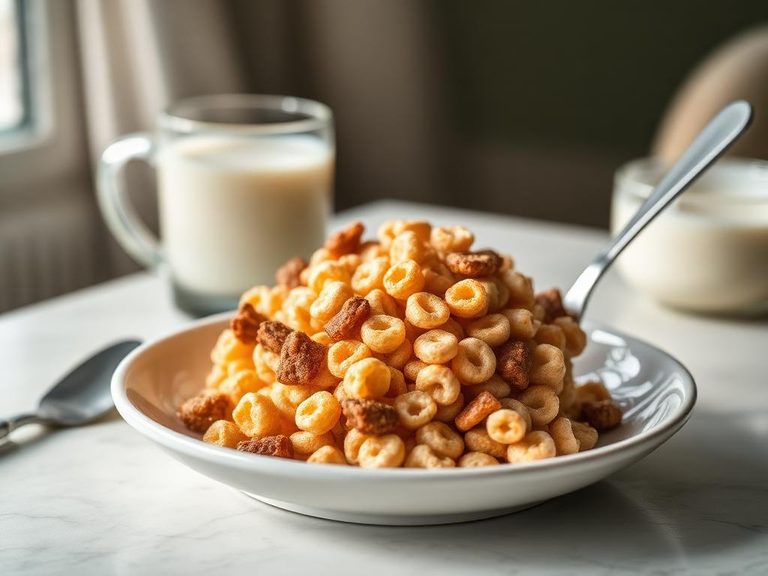
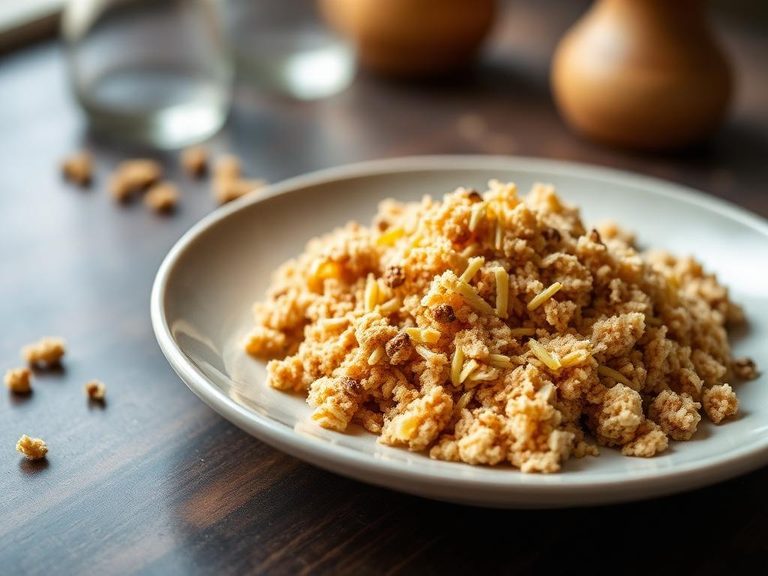
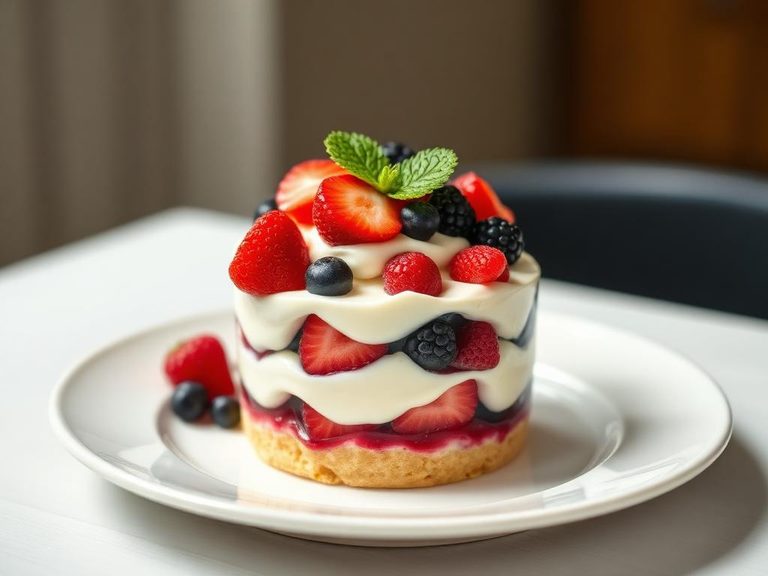
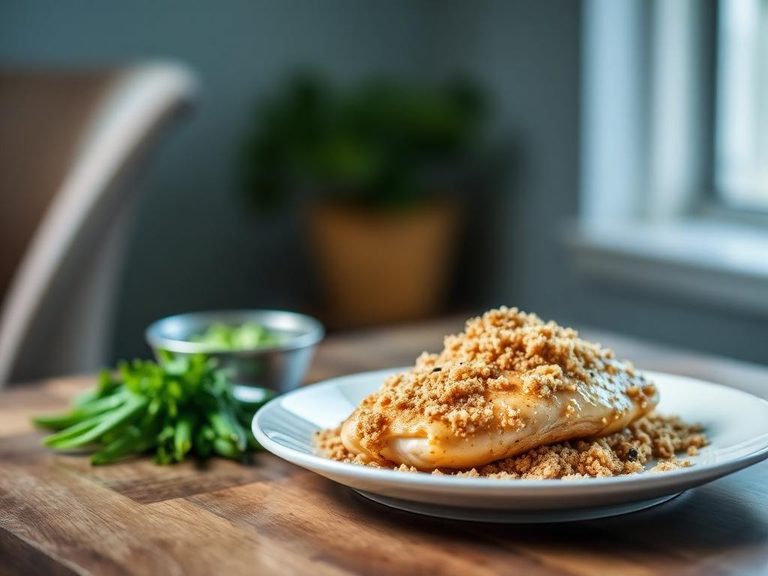
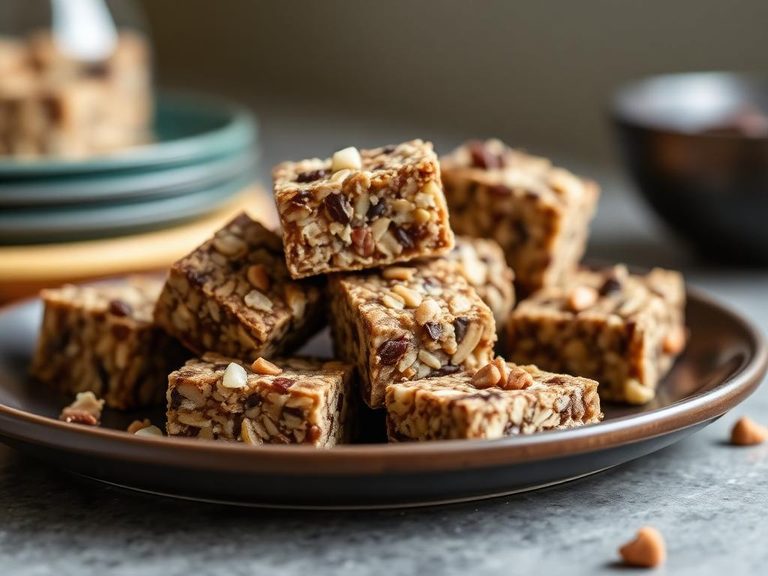
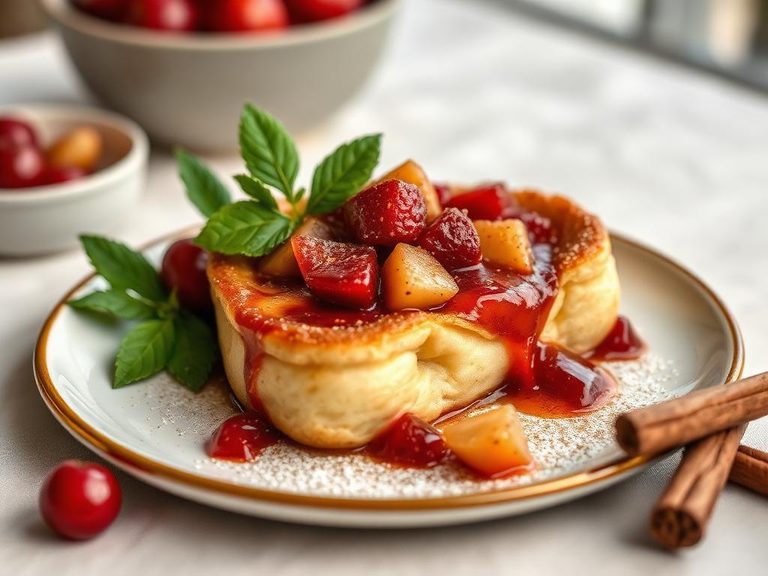
🌍 Where it's eaten
💡 Did you know?
The modern shredded wheat cereal was invented in 1892 by Henry Perky, a lawyer who, according to legend, was inspired by a dish of shredded wheat he ate while suffering from indigestion.
Full nutrition (USDA data · scales with serving)
| Water | 11.0 g |
| Energy | 358 kcal |
| Protein | 11.9 g |
| Total lipid (fat) | 1.7 g |
| Carbohydrate, by difference | 73.8 g |
| Fiber, total dietary | 13.0 g |
| Total Sugars | 0.27 g |
| Calcium, Ca | 22.0 mg |
| Iron, Fe | 1.2 mg |
| Magnesium, Mg | 36.0 mg |
| Phosphorus, P | 133 mg |
| Potassium, K | 148 mg |
| Sodium, Na | 2.0 mg |
| Zinc, Zn | 1.1 mg |
| Copper, Cu | 0.21 mg |
| Selenium, Se | 19.9 ug |
| Vitamin C, total ascorbic acid | 0.00 mg |
| Thiamin | 0.29 mg |
| Riboflavin | 0.00 mg |
| Niacin | 1.6 mg |
| Vitamin B-6 | 0.08 mg |
| Folate, total | 23.0 ug |
| Folic acid | 0.00 ug |
| Folate, food | 23.0 ug |
| Folate, DFE | 23.0 ug |
| Choline, total | 10.3 mg |
| Vitamin B-12 | 0.00 ug |
| Vitamin B-12, added | 0.00 ug |
| Vitamin A, RAE | 0.00 ug |
| Retinol | 0.00 ug |
| Carotene, beta | 0.00 ug |
| Carotene, alpha | 0.00 ug |
| Cryptoxanthin, beta | 0.00 ug |
| Lycopene | 0.00 ug |
| Lutein + zeaxanthin | 18.0 ug |
| Vitamin E (alpha-tocopherol) | 0.06 mg |
| Vitamin E, added | 0.00 mg |
| Vitamin D (D2 + D3) | 0.00 ug |
| Vitamin K (phylloquinone) | 0.30 ug |
| Alcohol, ethyl | 0.00 g |
| Caffeine | 0.00 mg |
| Theobromine | 0.00 mg |
Fat & fatty acid profile (per 100g)
| Fatty acids, total saturated | 0.15 g |
| SFA 4:0 | 0.00 g |
| SFA 6:0 | 0.00 g |
| SFA 8:0 | 0.00 g |
| SFA 10:0 | 0.00 g |
| SFA 12:0 | 0.00 g |
| SFA 14:0 | 0.00 g |
| SFA 16:0 | 0.15 g |
| SFA 18:0 | 0.01 g |
| Fatty acids, total monounsaturated | 0.09 g |
| MUFA 16:1 | 0.00 g |
| MUFA 18:1 | 0.09 g |
| MUFA 20:1 | 0.00 g |
| MUFA 22:1 | 0.00 g |
| Fatty acids, total polyunsaturated | 0.41 g |
| PUFA 18:2 | 0.39 g |
| PUFA 18:3 | 0.02 g |
| PUFA 18:4 | 0.00 g |
| PUFA 20:4 | 0.00 g |
| PUFA 20:5 n-3 (EPA) | 0.00 g |
| PUFA 22:5 n-3 (DPA) | 0.00 g |
| PUFA 22:6 n-3 (DHA) | 0.00 g |
| Cholesterol | 0.00 mg |
Amino acid profile (per 100g)
Estimated from Cereals ready-to-eat, POST, HONEY BUNCHES OF OATS, honey roasted — USDA does not publish this profile for Cereal.
| Tryptophan | 0.09 g |
| Threonine | 0.24 g |
| Isoleucine | 0.26 g |
| Leucine | 0.80 g |
| Lysine | 0.12 g |
| Methionine | 0.10 g |
| Cystine | 0.11 g |
| Phenylalanine | 0.39 g |
| Tyrosine | 0.21 g |
| Valine | 0.34 g |
| Arginine | 0.24 g |
| Histidine | 0.18 g |
| Alanine | 0.46 g |
| Aspartic acid | 0.48 g |
| Glutamic acid | 1.9 g |
| Glycine | 0.27 g |
| Proline | 0.49 g |
| Serine | 0.38 g |
FAQ
Is shredded wheat the same as Weetabix?
No. While both are whole-grain wheat cereals, shredded wheat typically consists of larger, pillow-like biscuits made from a single ingredient (wheat), whereas Weetabix is a different brand with a denser, more compact biscuit that often contains added ingredients like malt flavoring.
Why is it sometimes called 'triscuit'?
That's a common mix-up. Triscuit is a separate, savory cracker product also made from shredded whole wheat, but it's baked with oil and salt. Shredded wheat cereal is a breakfast food without added fat or salt.
How can I make it less dry?
Soak the biscuits in milk or a milk alternative for a few minutes before eating. You can also warm it with the milk, or top it with moist ingredients like fresh fruit, yogurt, or a spoonful of nut butter.
Nutrient density (calculated · NRF9.3)
Nutrient Rich Foods index: beneficial nutrients (protein, fiber, vitamins, minerals) minus saturated fat, added sugar & sodium, per 100 kcal.
NRF9.3 index — Fulgoni, Keast & Drewnowski, 2009. Computed from USDA nutrients.
Weight-loss friendliness (composite index)
Energy density 3.58 kcal/g · 13% calories from protein · 13.0 g fiber · 0.3 g sugar per 100 g.
Composite of energy density (Rolls et al., 1999), protein & fiber satiety, minus sugar. A calculated heuristic — ranks satiety-per-calorie, not a clinical measure.
Dietary load (calculated from USDA values)
Potential renal acid load. Positive = acid-forming, negative = alkaline-forming.
Sodium-to-potassium ratio: 0.01 (lower is better — aim for ≤ 1)
Sodium:potassium per WHO potassium guidance. Computed from USDA nutrients.