

Cereals ready-to-eat, QUAKER, Shredded Wheat, bagged cereal
Whole food · Breakfast Cereals

Photo: Wikipedia
Quaker Shredded Wheat is a classic breakfast cereal made from 100% whole wheat, woven into delicate, pillow-like biscuits. Its texture is a study in contrasts: a satisfyingly crisp exterior that quickly softens into a tender, fibrous chew when milk is added. Nutritionally, it's a powerhouse of complex carbohydrates and dietary fiber, with minimal sugar and fat.
Calorie split: 12% protein · 84% carbs · 5% fat
↓ Full nutrition💚 Why it's loved
People love it for its pure, wholesome wheat flavor and the comforting ritual of watching the biscuits soften in milk. It's a versatile canvas, equally at home with a simple splash of milk, sliced bananas, or a dollop of yogurt.
⚠️ Watch-outs & how to enjoy it better
Its bland, unsweetened taste can be unappealing to those accustomed to sugary cereals. The high fiber content may cause digestive discomfort for some if introduced suddenly, so starting with a smaller portion and drinking plenty of water is wise.
Key benefits
- Excellent source of dietary fiber (11.8g per 100g)
- Very low in sugar (0.81g per 100g)
- Good plant-based protein source (11.24g per 100g)
- Contains no added salt or fat
- Made from 100% whole grain wheat
🍽️ Popular dishes
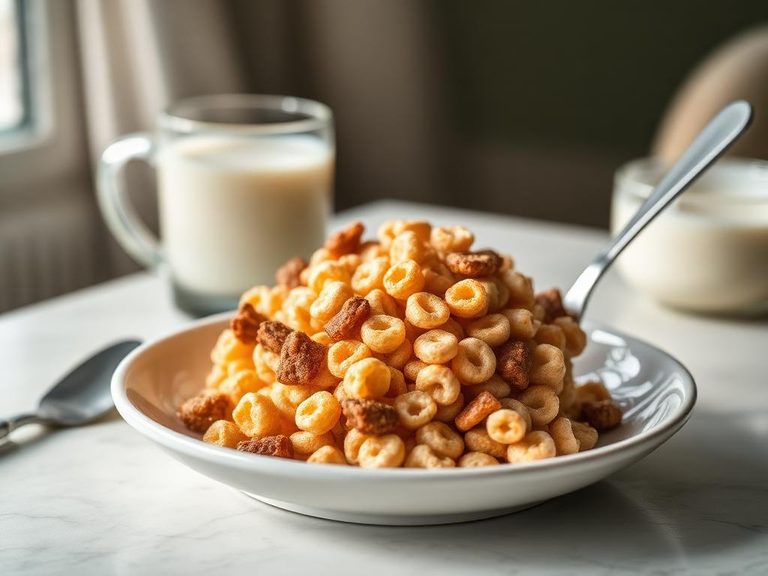
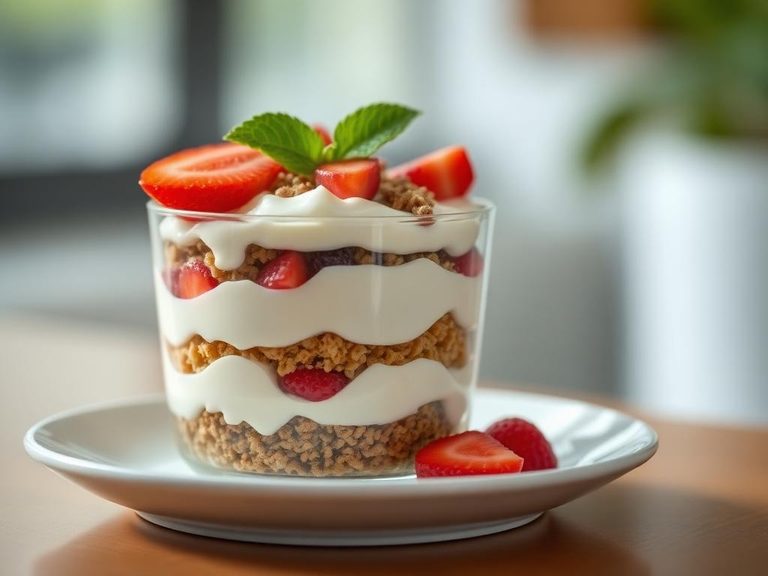
🌍 Where it's eaten
💡 Did you know?
The original Shredded Wheat was invented in 1892 by Henry Perky, who was inspired by the texture of shredded wheat bread and wanted to create a more digestible breakfast food.
Full nutrition (USDA data · scales with serving)
| Water | 4.2 g |
| Energy | 348 kcal |
| Energy | 1456 kj |
| Protein | 11.2 g |
| Total lipid (fat) | 2.0 g |
| Ash | 1.5 g |
| Carbohydrate, by difference | 81.0 g |
| Fiber, total dietary | 11.8 g |
| Total Sugars | 0.81 g |
| Calcium, Ca | 45.0 mg |
| Iron, Fe | 3.3 mg |
| Magnesium, Mg | 172 mg |
| Phosphorus, P | 362 mg |
| Potassium, K | 358 mg |
| Sodium, Na | 4.0 mg |
| Zinc, Zn | 2.5 mg |
| Vitamin C, total ascorbic acid | 0.00 mg |
| Thiamin | 0.23 mg |
| Riboflavin | 0.10 mg |
| Niacin | 5.2 mg |
| Vitamin B-6 | 0.26 mg |
| Folate, total | 51.0 ug |
| Folic acid | 0.00 ug |
| Folate, food | 51.0 ug |
| Folate, DFE | 51.0 ug |
| Vitamin B-12 | 0.00 ug |
| Vitamin A, RAE | 0.00 ug |
| Vitamin A, IU | 0.00 iu |
| Vitamin E (alpha-tocopherol) | 0.00 mg |
| Vitamin D (D2 + D3), International Units | 0.00 iu |
| Vitamin D (D2 + D3) | 0.00 ug |
Fat & fatty acid profile (per 100g)
| Fatty acids, total saturated | 0.41 g |
| Fatty acids, total monounsaturated | 0.30 g |
| Fatty acids, total polyunsaturated | 1.2 g |
| Fatty acids, total trans | 0.00 g |
| Cholesterol | 0.00 mg |
FAQ
Is Shredded Wheat the same as Weetabix?
No, they are different brands with distinct textures. Shredded Wheat biscuits are lighter, more pillow-like, and made from a single ingredient (whole wheat). Weetabix is denser, more compact, and often contains added ingredients like malt flavoring.
Why does it get so soft in milk?
The shredded wheat biscuits are highly porous. Milk is quickly absorbed into the air pockets between the wheat shreds, softening the structure rapidly, which is a key part of its classic eating experience.
Is it a good choice for weight management?
Yes, it can be. Its high fiber and protein content promote a feeling of fullness (satiety), which may help control appetite. Its low sugar and fat content also make it a nutrient-dense, lower-calorie option compared to many other cereals.
Nutrient density (calculated · NRF9.3)
Nutrient Rich Foods index: beneficial nutrients (protein, fiber, vitamins, minerals) minus saturated fat, added sugar & sodium, per 100 kcal.
NRF9.3 index — Fulgoni, Keast & Drewnowski, 2009. Computed from USDA nutrients.
Weight-loss friendliness (composite index)
Energy density 3.48 kcal/g · 13% calories from protein · 11.8 g fiber · 0.8 g sugar per 100 g.
Composite of energy density (Rolls et al., 1999), protein & fiber satiety, minus sugar. A calculated heuristic — ranks satiety-per-calorie, not a clinical measure.
Dietary load (calculated from USDA values)
Potential renal acid load. Positive = acid-forming, negative = alkaline-forming.
Sodium-to-potassium ratio: 0.01 (lower is better — aim for ≤ 1)
Sodium:potassium per WHO potassium guidance. Computed from USDA nutrients.