

Cereal, corn flakes, plain
Common food

Photo: Wikipedia
Corn flakes are paper-thin, toasted flakes of milled corn, delivering a signature, delicate crunch and a clean, subtly sweet, malty flavor. Their light, airy texture makes them a classic breakfast staple, known for being a quick, low-fat source of carbohydrates for energy.
Calorie split: 7% protein · 89% carbs · 4% fat
↓ Full nutrition💚 Why it's loved
People love corn flakes for their satisfying, audible crunch and neutral, slightly sweet taste that acts as a perfect canvas for milk, fruit, or honey. They are deeply embedded in breakfast culture as a symbol of a quick, comforting, and familiar morning routine.
⚠️ Watch-outs & how to enjoy it better
The primary downside is their high glycemic index, which can cause rapid blood-sugar spikes, and they are often low in protein and fiber, leading to less sustained fullness. To counteract this, pair them with a source of protein (like Greek yogurt or milk) and healthy fat (like nuts or seeds), and opt for a portion-controlled serving.
Key benefits
- Provides quick-release energy from complex carbohydrates
- Low in fat, with only 1.6g per 100g
- Fortified versions are a common source of B vitamins and iron
- Light and easy to digest, often used in convalescent diets
- A versatile base for both sweet and savory dishes
🍽️ Popular dishes
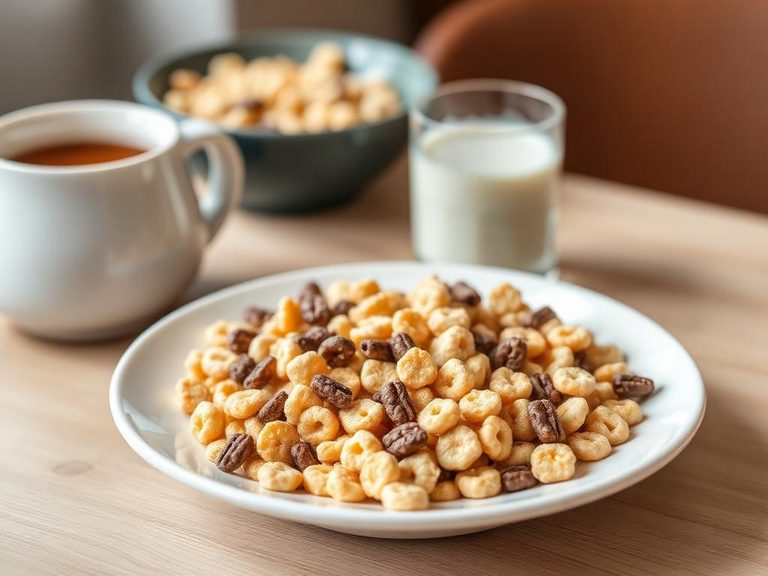

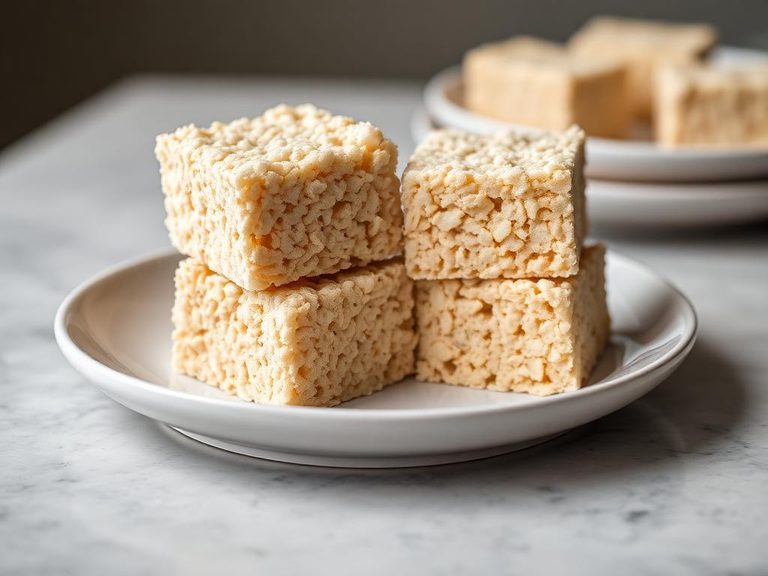


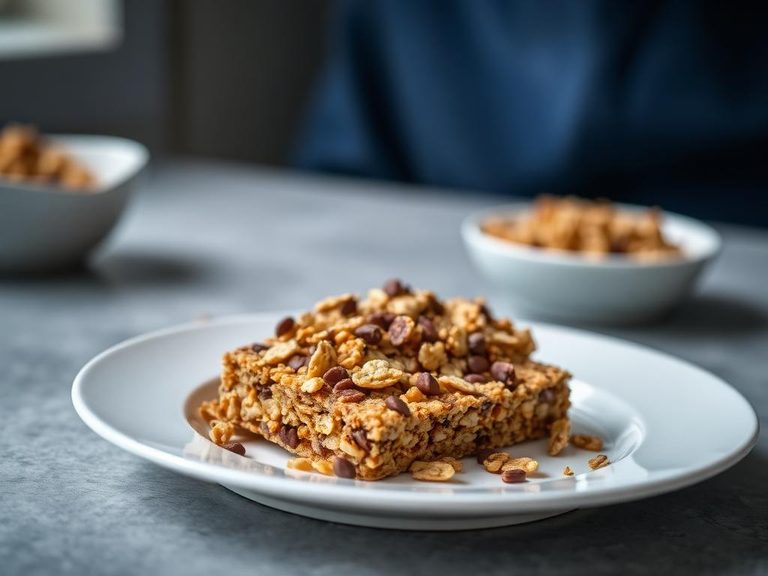
🌍 Where it's eaten
💡 Did you know?
Corn flakes were accidentally invented in 1894 by Dr. John Harvey Kellogg and his brother Will Keith Kellogg at the Battle Creek Sanitarium, where they were developing a bland, vegetarian diet for patients.
Full nutrition (USDA data · scales with serving)
| Water | 10.1 g |
| Energy | 365 kcal |
| Protein | 6.4 g |
| Total lipid (fat) | 1.6 g |
| Carbohydrate, by difference | 79.5 g |
| Fiber, total dietary | 3.5 g |
| Total Sugars | 9.4 g |
| Calcium, Ca | 4.0 mg |
| Iron, Fe | 28.0 mg |
| Magnesium, Mg | 29.0 mg |
| Phosphorus, P | 89.0 mg |
| Potassium, K | 128 mg |
| Sodium, Na | 703 mg |
| Zinc, Zn | 0.60 mg |
| Copper, Cu | 0.07 mg |
| Selenium, Se | 9.5 ug |
| Vitamin C, total ascorbic acid | 0.00 mg |
| Thiamin | 1.0 mg |
| Riboflavin | 1.0 mg |
| Niacin | 12.9 mg |
| Vitamin B-6 | 1.4 mg |
| Folate, total | 327 ug |
| Folic acid | 300 ug |
| Folate, food | 27.0 ug |
| Folate, DFE | 537 ug |
| Choline, total | 7.7 mg |
| Vitamin B-12 | 1.8 ug |
| Vitamin B-12, added | 1.8 ug |
| Vitamin A, RAE | 10.0 ug |
| Retinol | 0.00 ug |
| Carotene, beta | 87.0 ug |
| Carotene, alpha | 57.0 ug |
| Cryptoxanthin, beta | 0.00 ug |
| Lycopene | 0.00 ug |
| Lutein + zeaxanthin | 1466 ug |
| Vitamin E (alpha-tocopherol) | 0.11 mg |
| Vitamin E, added | 0.00 mg |
| Vitamin D (D2 + D3) | 5.0 ug |
| Vitamin K (phylloquinone) | 0.00 ug |
| Alcohol, ethyl | 0.00 g |
| Caffeine | 0.00 mg |
| Theobromine | 0.00 mg |
Fat & fatty acid profile (per 100g)
| Fatty acids, total saturated | 0.20 g |
| SFA 4:0 | 0.00 g |
| SFA 6:0 | 0.00 g |
| SFA 8:0 | 0.00 g |
| SFA 10:0 | 0.00 g |
| SFA 12:0 | 0.00 g |
| SFA 14:0 | 0.00 g |
| SFA 16:0 | 0.16 g |
| SFA 18:0 | 0.03 g |
| Fatty acids, total monounsaturated | 0.35 g |
| MUFA 16:1 | 0.00 g |
| MUFA 18:1 | 0.35 g |
| MUFA 20:1 | 0.00 g |
| MUFA 22:1 | 0.00 g |
| Fatty acids, total polyunsaturated | 0.75 g |
| PUFA 18:2 | 0.73 g |
| PUFA 18:3 | 0.02 g |
| PUFA 18:4 | 0.00 g |
| PUFA 20:4 | 0.00 g |
| PUFA 20:5 n-3 (EPA) | 0.00 g |
| PUFA 22:5 n-3 (DPA) | 0.00 g |
| PUFA 22:6 n-3 (DHA) | 0.00 g |
| Cholesterol | 0.00 mg |
Amino acid profile (per 100g)
Estimated from Cereals ready-to-eat, POST, HONEY BUNCHES OF OATS, honey roasted — USDA does not publish this profile for Cereal.
| Tryptophan | 0.09 g |
| Threonine | 0.24 g |
| Isoleucine | 0.26 g |
| Leucine | 0.80 g |
| Lysine | 0.12 g |
| Methionine | 0.10 g |
| Cystine | 0.11 g |
| Phenylalanine | 0.39 g |
| Tyrosine | 0.21 g |
| Valine | 0.34 g |
| Arginine | 0.24 g |
| Histidine | 0.18 g |
| Alanine | 0.46 g |
| Aspartic acid | 0.48 g |
| Glutamic acid | 1.9 g |
| Glycine | 0.27 g |
| Proline | 0.49 g |
| Serine | 0.38 g |
FAQ
Are corn flakes gluten-free?
While corn itself is gluten-free, many commercial corn flakes contain malt flavoring derived from barley, which contains gluten. Always check the label for a certified gluten-free claim if you have celiac disease or gluten sensitivity.
Why do corn flakes get soggy so quickly?
The flakes are extremely thin and porous, allowing milk to be absorbed almost instantly. For maximum crunch, pour the milk just before eating, or use the flakes as a topping instead of a base.
Can corn flakes be part of a healthy diet?
Yes, in moderation. Choose varieties with added fiber and minimal added sugar, and enhance their nutritional profile by pairing them with protein (milk, yogurt) and fiber (fresh fruit, chia seeds) to create a more balanced meal.
Nutrient density (calculated · NRF9.3)
Nutrient Rich Foods index: beneficial nutrients (protein, fiber, vitamins, minerals) minus saturated fat, added sugar & sodium, per 100 kcal.
NRF9.3 index — Fulgoni, Keast & Drewnowski, 2009. Computed from USDA nutrients.
Weight-loss friendliness (composite index)
Energy density 3.65 kcal/g · 7% calories from protein · 3.5 g fiber · 9.4 g sugar per 100 g.
Composite of energy density (Rolls et al., 1999), protein & fiber satiety, minus sugar. A calculated heuristic — ranks satiety-per-calorie, not a clinical measure.
Dietary load (calculated from USDA values)
Potential renal acid load. Positive = acid-forming, negative = alkaline-forming.
Sodium-to-potassium ratio: 5.49 (lower is better — aim for ≤ 1)
Sodium:potassium per WHO potassium guidance. Computed from USDA nutrients.