

Cantaloupe, raw
Common food
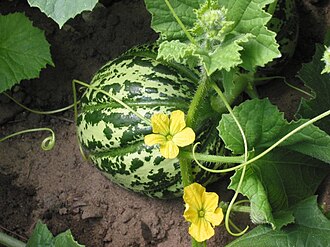
Photo: Wikipedia
Cantaloupe is a summer melon with a distinctive netted, tan rind and vibrant orange flesh. Its texture is juicy and tender, offering a sweet, musky, and floral aroma. Nutritionally, it's a powerhouse of hydration and Vitamin A, providing over 50% of your daily needs in a single cup.
Calorie split: 9% protein · 87% carbs · 4% fat
↓ Full nutrition💚 Why it's loved
People adore its intensely sweet, perfumed flavor and refreshing juiciness, which makes it a perfect hydrating snack on hot days. It's a beloved staple in summer fruit salads, breakfast platters, and as a simple, elegant dessert.
⚠️ Watch-outs & how to enjoy it better
Cantaloupe has a high natural sugar content, which can cause blood sugar spikes if eaten in large quantities, a consideration for diabetics. Its netted rind can harbor bacteria like Salmonella, so it's crucial to wash the exterior thoroughly under running water before cutting. To mitigate sugar impact, pair it with a source of protein or fat, like Greek yogurt or nuts.
Key benefits
- Excellent source of Vitamin A (beta-carotene) for eye health.
- Very high water content (about 90%) aids hydration.
- Good source of Vitamin C, supporting immune function.
- Low in calories and fat, suitable for weight management.
- Provides potassium, which helps regulate blood pressure.
🍽️ Popular dishes
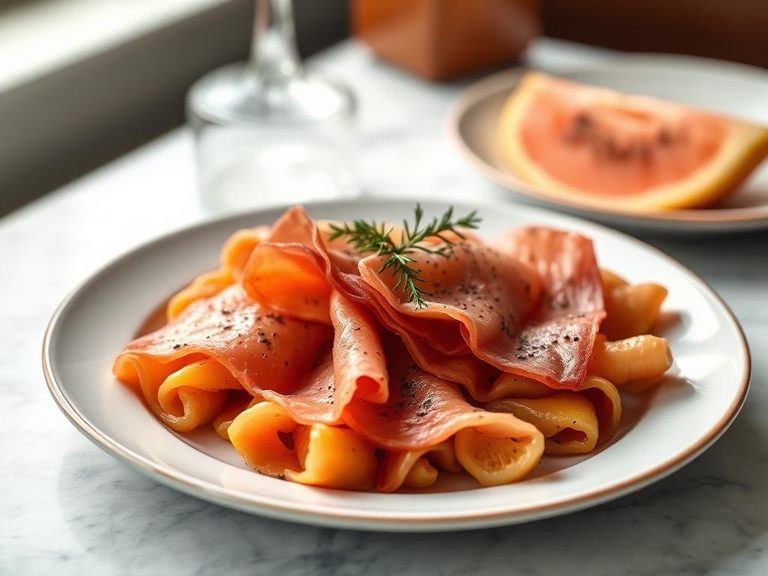
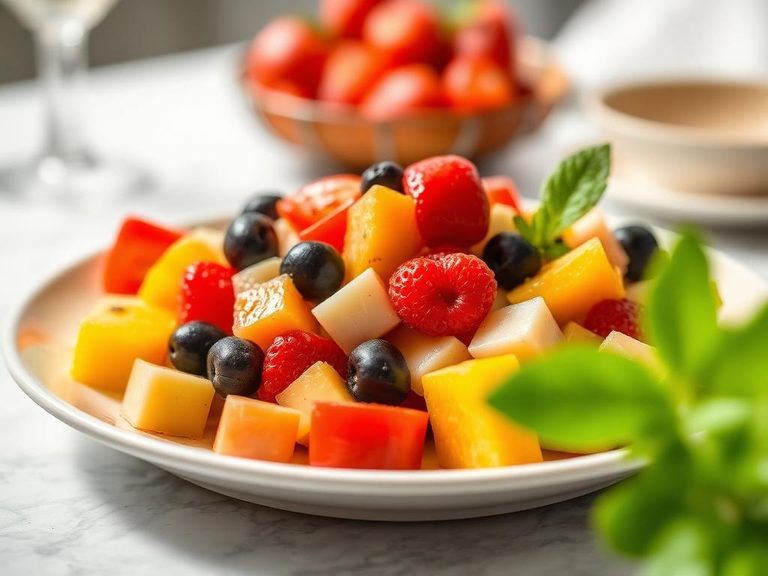

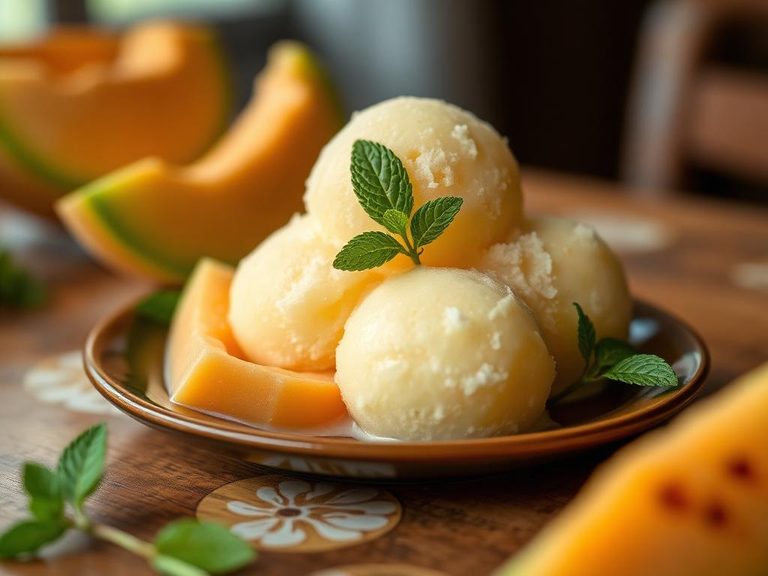
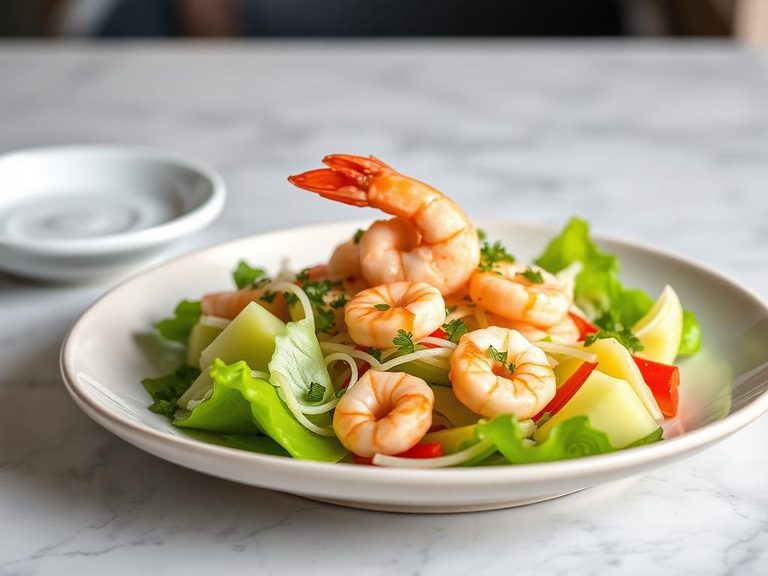
🌍 Where it's eaten
💡 Did you know?
The 'netting' on the rind is actually scar tissue from the melon's rapid growth, which causes the outer skin to crack and heal.
Full nutrition (USDA data · scales with serving)
| Water | 90.2 g |
| Energy | 38.0 kcal |
| Protein | 0.82 g |
| Total lipid (fat) | 0.18 g |
| Carbohydrate, by difference | 8.2 g |
| Fiber, total dietary | 0.80 g |
| Total Sugars | 7.9 g |
| Calcium, Ca | 9.0 mg |
| Iron, Fe | 0.38 mg |
| Magnesium, Mg | 13.0 mg |
| Phosphorus, P | 17.0 mg |
| Potassium, K | 157 mg |
| Sodium, Na | 30.0 mg |
| Zinc, Zn | 0.44 mg |
| Copper, Cu | 0.09 mg |
| Selenium, Se | 1.7 ug |
| Vitamin C, total ascorbic acid | 10.9 mg |
| Thiamin | 0.05 mg |
| Riboflavin | 0.03 mg |
| Niacin | 0.69 mg |
| Vitamin B-6 | 0.04 mg |
| Folate, total | 14.0 ug |
| Folic acid | 0.00 ug |
| Folate, food | 14.0 ug |
| Folate, DFE | 14.0 ug |
| Choline, total | 7.6 mg |
| Vitamin B-12 | 0.00 ug |
| Vitamin B-12, added | 0.00 ug |
| Vitamin A, RAE | 232 ug |
| Retinol | 0.00 ug |
| Carotene, beta | 2780 ug |
| Carotene, alpha | 0.00 ug |
| Cryptoxanthin, beta | 0.00 ug |
| Lycopene | 0.00 ug |
| Lutein + zeaxanthin | 32.0 ug |
| Vitamin E (alpha-tocopherol) | 0.05 mg |
| Vitamin E, added | 0.00 mg |
| Vitamin D (D2 + D3) | 0.00 ug |
| Vitamin K (phylloquinone) | 2.7 ug |
| Alcohol, ethyl | 0.00 g |
| Caffeine | 0.00 mg |
| Theobromine | 0.00 mg |
Fat & fatty acid profile (per 100g)
| Fatty acids, total saturated | 0.05 g |
| SFA 4:0 | 0.00 g |
| SFA 6:0 | 0.00 g |
| SFA 8:0 | 0.00 g |
| SFA 10:0 | 0.00 g |
| SFA 12:0 | 0.00 g |
| SFA 14:0 | 0.00 g |
| SFA 16:0 | 0.04 g |
| SFA 18:0 | 0.01 g |
| Fatty acids, total monounsaturated | 0.00 g |
| MUFA 16:1 | 0.00 g |
| MUFA 18:1 | 0.00 g |
| MUFA 20:1 | 0.00 g |
| MUFA 22:1 | 0.00 g |
| Fatty acids, total polyunsaturated | 0.08 g |
| PUFA 18:2 | 0.04 g |
| PUFA 18:3 | 0.05 g |
| PUFA 18:4 | 0.00 g |
| PUFA 20:4 | 0.00 g |
| PUFA 20:5 n-3 (EPA) | 0.00 g |
| PUFA 22:5 n-3 (DPA) | 0.00 g |
| PUFA 22:6 n-3 (DHA) | 0.00 g |
| Cholesterol | 0.00 mg |
Amino acid profile (per 100g)
Estimated from Melons, cantaloupe, raw — USDA does not publish this profile for Cantaloupe.
| Tryptophan | 0.00 g |
| Threonine | 0.01 g |
| Isoleucine | 0.02 g |
| Leucine | 0.02 g |
| Lysine | 0.02 g |
| Methionine | 0.01 g |
| Cystine | 0.00 g |
| Phenylalanine | 0.02 g |
| Tyrosine | 0.01 g |
| Valine | 0.03 g |
| Arginine | 0.02 g |
| Histidine | 0.01 g |
| Alanine | 0.08 g |
| Aspartic acid | 0.11 g |
| Glutamic acid | 0.17 g |
| Glycine | 0.02 g |
| Proline | 0.02 g |
| Serine | 0.03 g |
FAQ
How do I pick a ripe cantaloupe?
Look for a creamy, pale yellow or beige rind (not green), a pronounced sweet, musky scent at the stem end, and a slight give when pressed gently.
Is the rind edible?
The hard, netted rind is not typically eaten, but the thin green layer just beneath it is edible and contains some nutrients.
How should I store a cut cantaloupe?
Wrap leftover slices tightly in plastic or store in an airtight container in the refrigerator for up to 3 days. For safety, wash the whole melon before cutting to prevent transferring bacteria from the rind to the flesh.
Nutrient density (calculated · NRF9.3)
Nutrient Rich Foods index: beneficial nutrients (protein, fiber, vitamins, minerals) minus saturated fat, added sugar & sodium, per 100 kcal.
NRF9.3 index — Fulgoni, Keast & Drewnowski, 2009. Computed from USDA nutrients.
Weight-loss friendliness (composite index)
Energy density 0.38 kcal/g · 9% calories from protein · 0.8 g fiber · 7.9 g sugar per 100 g.
Composite of energy density (Rolls et al., 1999), protein & fiber satiety, minus sugar. A calculated heuristic — ranks satiety-per-calorie, not a clinical measure.
Dietary load (calculated from USDA values)
Potential renal acid load. Positive = acid-forming, negative = alkaline-forming.
Sodium-to-potassium ratio: 0.19 (lower is better — aim for ≤ 1)
Sodium:potassium per WHO potassium guidance. Computed from USDA nutrients.