

Bread, whole wheat
Common food
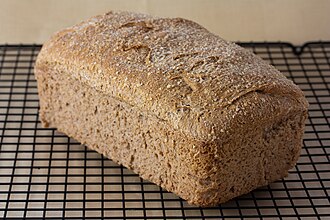
Photo: Wikipedia
Whole wheat bread is a hearty, nutty-flavored loaf made from flour that includes the entire wheat kernel—the bran, germ, and endosperm. Its texture is denser and chewier than white bread, with a satisfying, slightly coarse crumb. Nutritionally, it stands out for its high fiber content and robust protein profile, making it a more filling and nutrient-dense staple.
Calorie split: 19% protein · 68% carbs · 13% fat
↓ Full nutrition💚 Why it's loved
People love it for its deep, earthy flavor and substantial texture that holds up to hearty toppings. It's a versatile canvas for everything from classic sandwiches to avocado toast, embodying a wholesome, comforting food culture.
⚠️ Watch-outs & how to enjoy it better
Its dense texture and strong flavor can be off-putting to those accustomed to soft, mild white bread. The high fiber content, while beneficial, can cause digestive discomfort (like bloating) if introduced too quickly to a low-fiber diet. **Tip:** Start with smaller portions and increase intake gradually, and ensure adequate water intake. **Common allergen:** Wheat (gluten).
Key benefits
- Excellent source of dietary fiber (6g per 100g) for digestive health.
- Provides sustained energy due to complex carbohydrates and low glycemic index.
- Good plant-based protein source (12.3g per 100g).
- Rich in B vitamins, iron, magnesium, and selenium from the whole grain.
- Supports satiety and may aid in weight management.
🍽️ Popular dishes
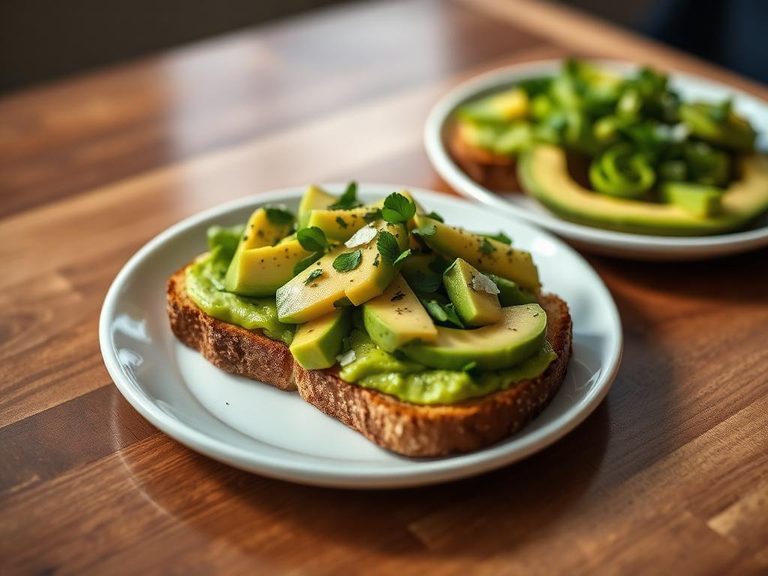


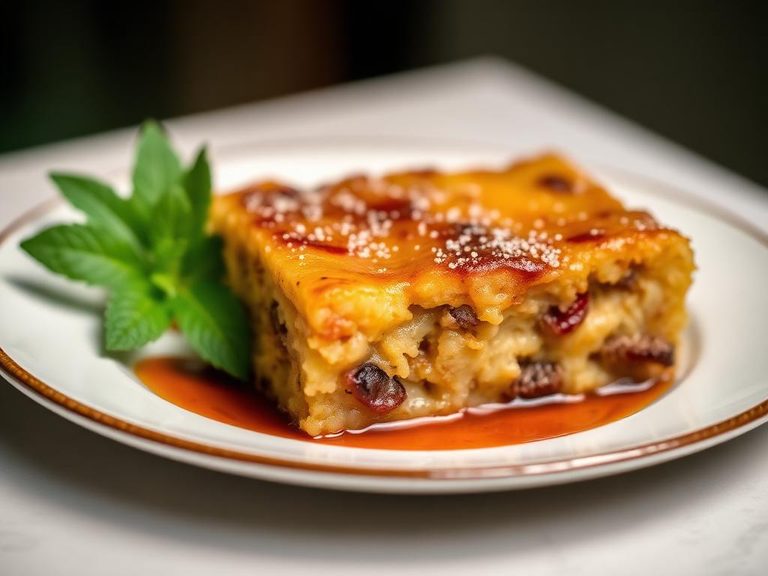
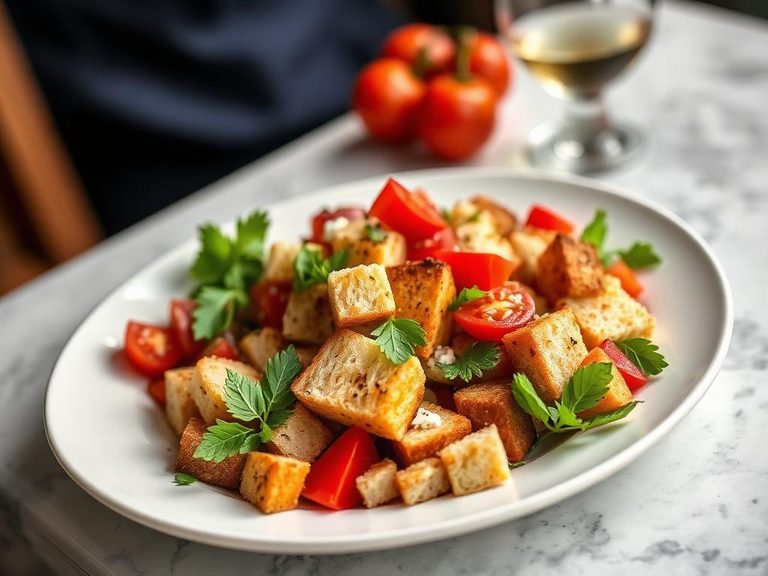
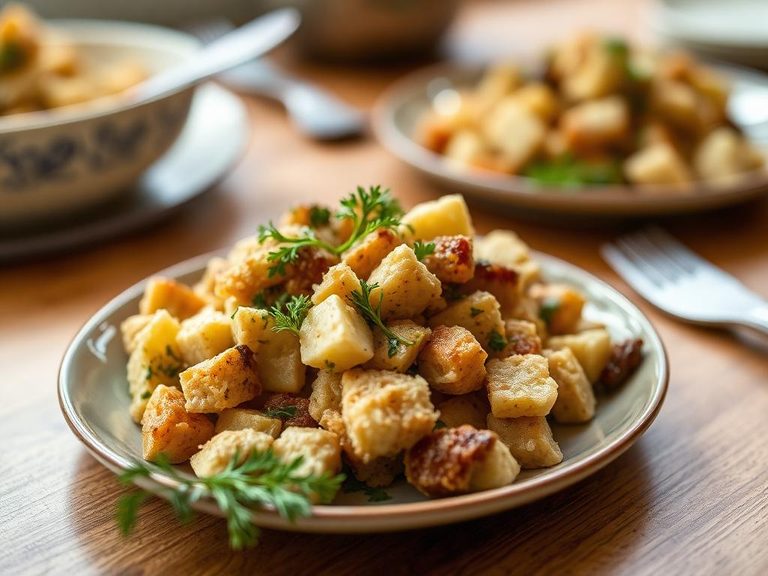
🌍 Where it's eaten
💡 Did you know?
The process of milling whole wheat flour was revolutionized in the 19th century with the invention of the steel roller mill, which could separate the bran and germ from the endosperm efficiently, leading to the rise of refined white flour and making whole wheat bread a deliberate, health-conscious choice.
Full nutrition (USDA data · scales with serving)
| Water | 38.7 g |
| Energy | 254 kcal |
| Protein | 12.3 g |
| Total lipid (fat) | 3.5 g |
| Carbohydrate, by difference | 43.1 g |
| Fiber, total dietary | 6.0 g |
| Total Sugars | 4.4 g |
| Calcium, Ca | 163 mg |
| Iron, Fe | 2.6 mg |
| Magnesium, Mg | 77.0 mg |
| Phosphorus, P | 212 mg |
| Potassium, K | 250 mg |
| Sodium, Na | 430 mg |
| Zinc, Zn | 1.8 mg |
| Copper, Cu | 0.23 mg |
| Selenium, Se | 25.8 ug |
| Vitamin C, total ascorbic acid | 0.00 mg |
| Thiamin | 0.39 mg |
| Riboflavin | 0.17 mg |
| Niacin | 4.4 mg |
| Vitamin B-6 | 0.22 mg |
| Folate, total | 42.0 ug |
| Folic acid | 0.00 ug |
| Folate, food | 42.0 ug |
| Folate, DFE | 42.0 ug |
| Choline, total | 27.2 mg |
| Vitamin B-12 | 0.00 ug |
| Vitamin B-12, added | 0.00 ug |
| Vitamin A, RAE | 0.00 ug |
| Retinol | 0.00 ug |
| Carotene, beta | 2.0 ug |
| Carotene, alpha | 0.00 ug |
| Cryptoxanthin, beta | 0.00 ug |
| Lycopene | 0.00 ug |
| Lutein + zeaxanthin | 87.0 ug |
| Vitamin E (alpha-tocopherol) | 0.54 mg |
| Vitamin E, added | 0.00 mg |
| Vitamin D (D2 + D3) | 0.00 ug |
| Vitamin K (phylloquinone) | 7.8 ug |
| Alcohol, ethyl | 0.00 g |
| Caffeine | 0.00 mg |
| Theobromine | 0.00 mg |
Fat & fatty acid profile (per 100g)
| Fatty acids, total saturated | 0.73 g |
| SFA 4:0 | 0.00 g |
| SFA 6:0 | 0.00 g |
| SFA 8:0 | 0.00 g |
| SFA 10:0 | 0.01 g |
| SFA 12:0 | 0.01 g |
| SFA 14:0 | 0.01 g |
| SFA 16:0 | 0.44 g |
| SFA 18:0 | 0.23 g |
| Fatty acids, total monounsaturated | 0.62 g |
| MUFA 16:1 | 0.01 g |
| MUFA 18:1 | 0.60 g |
| MUFA 20:1 | 0.02 g |
| MUFA 22:1 | 0.00 g |
| Fatty acids, total polyunsaturated | 1.6 g |
| PUFA 18:2 | 1.5 g |
| PUFA 18:3 | 0.14 g |
| PUFA 18:4 | 0.00 g |
| PUFA 20:4 | 0.00 g |
| PUFA 20:5 n-3 (EPA) | 0.00 g |
| PUFA 22:5 n-3 (DPA) | 0.00 g |
| PUFA 22:6 n-3 (DHA) | 0.00 g |
| Cholesterol | 0.00 mg |
Amino acid profile (per 100g)
Estimated from Bread, salvadoran sweet cheese (quesadilla salvadorena) — USDA does not publish this profile for Bread.
| Tryptophan | 0.07 g |
| Threonine | 0.21 g |
| Isoleucine | 0.30 g |
| Leucine | 0.65 g |
| Lysine | 0.50 g |
| Methionine | 0.28 g |
| Cystine | 0.06 g |
| Phenylalanine | 0.37 g |
| Tyrosine | 0.23 g |
| Valine | 0.43 g |
| Arginine | 0.25 g |
| Histidine | 0.15 g |
| Alanine | 0.36 g |
| Aspartic acid | 0.59 g |
| Glutamic acid | 1.3 g |
| Glycine | 0.20 g |
| Proline | 0.83 g |
| Serine | 0.45 g |
| Hydroxyproline | 0.00 g |
FAQ
Is whole wheat bread the same as multigrain bread?
Not necessarily. Whole wheat bread is made from flour where 100% of the wheat kernel is used. Multigrain bread contains multiple grains (like oats, barley, flax), but they may not all be whole, and the bread might not be 100% whole grain.
Why does whole wheat bread sometimes have a shorter shelf life?
The natural oils in the wheat germ can go rancid over time, especially if not stored properly. To extend freshness, store it in a cool, dry place or freeze slices.
Can I use whole wheat bread for making breadcrumbs?
Yes, it makes excellent, flavorful breadcrumbs. Toast the bread first to dry it out, then pulse in a food processor. Its heartier texture is great for coatings or as a binder in meatballs.
Nutrient density (calculated · NRF9.3)
Nutrient Rich Foods index: beneficial nutrients (protein, fiber, vitamins, minerals) minus saturated fat, added sugar & sodium, per 100 kcal.
NRF9.3 index — Fulgoni, Keast & Drewnowski, 2009. Computed from USDA nutrients.
Weight-loss friendliness (composite index)
Energy density 2.54 kcal/g · 19% calories from protein · 6.0 g fiber · 4.4 g sugar per 100 g.
Composite of energy density (Rolls et al., 1999), protein & fiber satiety, minus sugar. A calculated heuristic — ranks satiety-per-calorie, not a clinical measure.
Dietary load (calculated from USDA values)
Potential renal acid load. Positive = acid-forming, negative = alkaline-forming.
Sodium-to-potassium ratio: 1.72 (lower is better — aim for ≤ 1)
Sodium:potassium per WHO potassium guidance. Computed from USDA nutrients.