

Bread, pumpernickel, toasted
Common food

Photo: Wikipedia
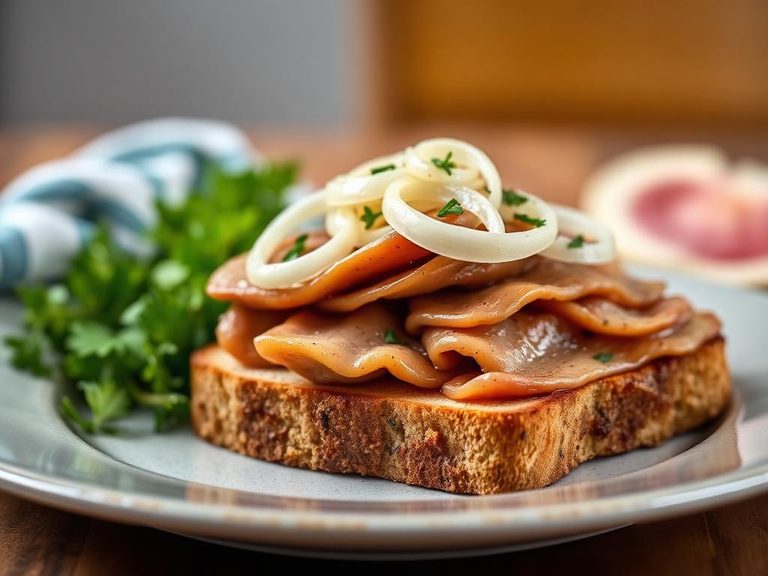
Pumpernickel is a dense, dark German rye bread with a deep, malty sweetness and a moist, chewy texture from its long, slow baking process. Its impressive fiber content (7.1g per 100g) makes it a gut-friendly staple, offering sustained energy without a sharp blood sugar spike.
Calorie split: 14% protein · 75% carbs · 11% fat
↓ Full nutrition💚 Why it's loved
People cherish its distinctive, earthy-sweet flavor that pairs beautifully with strong cheeses, smoked fish, or sharp mustards. It's a cornerstone of German and Northern European cuisine, symbolizing hearty, traditional fare.
⚠️ Watch-outs & how to enjoy it better
Its dense texture can be heavy for some, and the high fiber may cause digestive discomfort if you're not accustomed to it. To ease in, start with a smaller portion and ensure you drink plenty of water. Those monitoring sodium should check labels, as some commercial versions can be salty.
Key benefits
- High in dietary fiber for digestive health
- Provides sustained energy from complex carbohydrates
- Rich in minerals like magnesium and iron
- Low in sugar, making it a smart carb choice
- Often made with whole rye berries, retaining nutrients
🍽️ Popular dishes
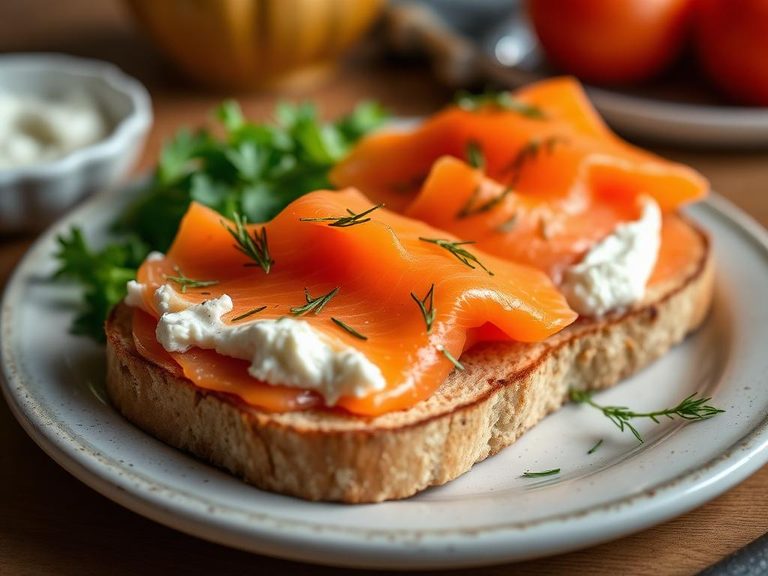
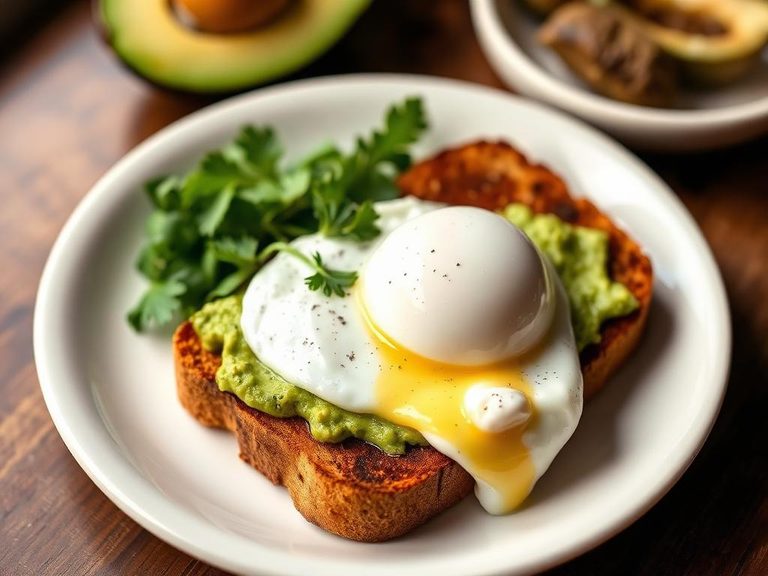
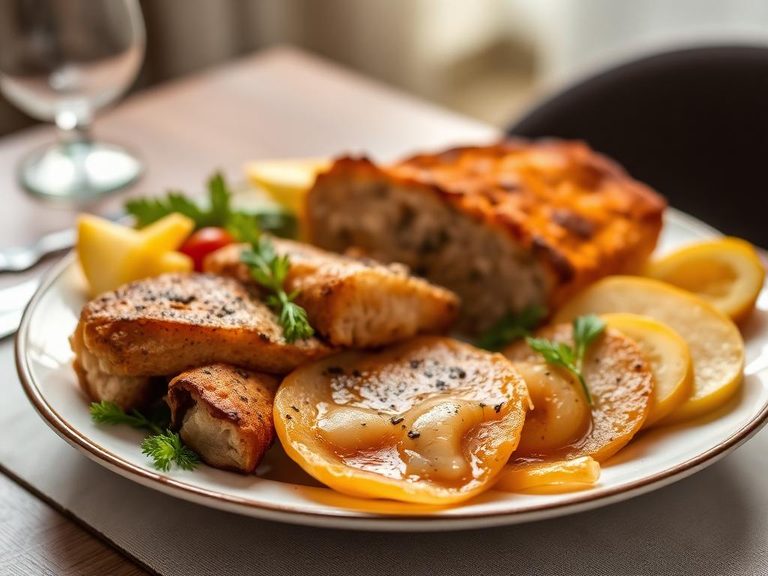
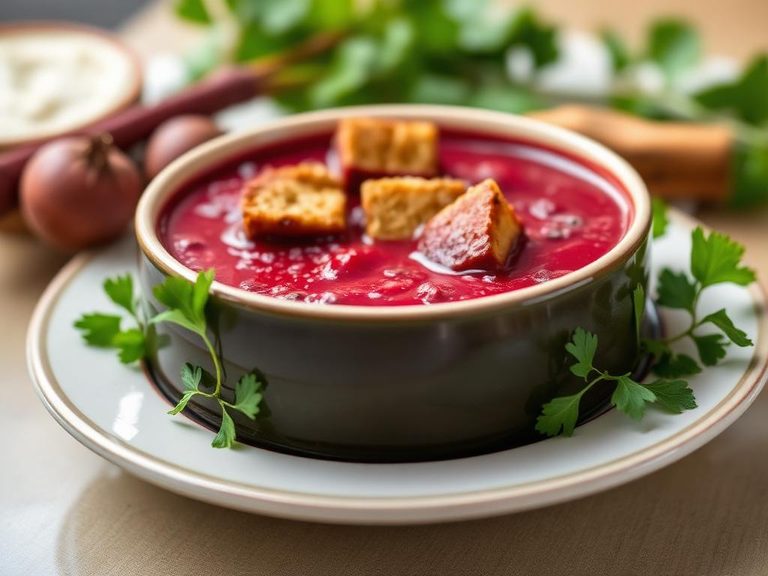
🌍 Where it's eaten
💡 Did you know?
True traditional pumpernickel is baked in a sealed tin for 16-24 hours at a low temperature, a process that caramelizes the grain's natural sugars and gives it its signature dark color without any added molasses.
Full nutrition (USDA data · scales with serving)
| Water | 31.8 g |
| Energy | 275 kcal |
| Protein | 9.6 g |
| Total lipid (fat) | 3.4 g |
| Carbohydrate, by difference | 52.2 g |
| Fiber, total dietary | 7.1 g |
| Total Sugars | 0.58 g |
| Calcium, Ca | 75.0 mg |
| Iron, Fe | 3.1 mg |
| Magnesium, Mg | 59.0 mg |
| Phosphorus, P | 196 mg |
| Potassium, K | 229 mg |
| Sodium, Na | 655 mg |
| Zinc, Zn | 1.6 mg |
| Copper, Cu | 0.32 mg |
| Selenium, Se | 26.9 ug |
| Vitamin C, total ascorbic acid | 0.00 mg |
| Thiamin | 0.29 mg |
| Riboflavin | 0.34 mg |
| Niacin | 3.4 mg |
| Vitamin B-6 | 0.14 mg |
| Folate, total | 87.0 ug |
| Folic acid | 55.0 ug |
| Folate, food | 32.0 ug |
| Folate, DFE | 125 ug |
| Choline, total | 16.0 mg |
| Vitamin B-12 | 0.00 ug |
| Vitamin B-12, added | 0.00 ug |
| Vitamin A, RAE | 0.00 ug |
| Retinol | 0.00 ug |
| Carotene, beta | 0.00 ug |
| Carotene, alpha | 0.00 ug |
| Cryptoxanthin, beta | 0.00 ug |
| Lycopene | 0.00 ug |
| Lutein + zeaxanthin | 48.0 ug |
| Vitamin E (alpha-tocopherol) | 0.46 mg |
| Vitamin E, added | 0.00 mg |
| Vitamin D (D2 + D3) | 0.00 ug |
| Vitamin K (phylloquinone) | 0.90 ug |
| Alcohol, ethyl | 0.00 g |
| Caffeine | 0.00 mg |
| Theobromine | 0.00 mg |
Fat & fatty acid profile (per 100g)
| Fatty acids, total saturated | 0.48 g |
| SFA 4:0 | 0.00 g |
| SFA 6:0 | 0.00 g |
| SFA 8:0 | 0.00 g |
| SFA 10:0 | 0.00 g |
| SFA 12:0 | 0.00 g |
| SFA 14:0 | 0.00 g |
| SFA 16:0 | 0.36 g |
| SFA 18:0 | 0.11 g |
| Fatty acids, total monounsaturated | 1.0 g |
| MUFA 16:1 | 0.02 g |
| MUFA 18:1 | 1.0 g |
| MUFA 20:1 | 0.00 g |
| MUFA 22:1 | 0.00 g |
| Fatty acids, total polyunsaturated | 1.4 g |
| PUFA 18:2 | 1.3 g |
| PUFA 18:3 | 0.10 g |
| PUFA 18:4 | 0.00 g |
| PUFA 20:4 | 0.00 g |
| PUFA 20:5 n-3 (EPA) | 0.00 g |
| PUFA 22:5 n-3 (DPA) | 0.00 g |
| PUFA 22:6 n-3 (DHA) | 0.00 g |
| Cholesterol | 0.00 mg |
Amino acid profile (per 100g)
Estimated from Bread, salvadoran sweet cheese (quesadilla salvadorena) — USDA does not publish this profile for Bread.
| Tryptophan | 0.07 g |
| Threonine | 0.21 g |
| Isoleucine | 0.30 g |
| Leucine | 0.65 g |
| Lysine | 0.50 g |
| Methionine | 0.28 g |
| Cystine | 0.06 g |
| Phenylalanine | 0.37 g |
| Tyrosine | 0.23 g |
| Valine | 0.43 g |
| Arginine | 0.25 g |
| Histidine | 0.15 g |
| Alanine | 0.36 g |
| Aspartic acid | 0.59 g |
| Glutamic acid | 1.3 g |
| Glycine | 0.20 g |
| Proline | 0.83 g |
| Serine | 0.45 g |
| Hydroxyproline | 0.00 g |
FAQ
Is pumpernickel the same as dark rye bread?
Not exactly. Pumpernickel is a specific type of German rye bread made primarily with coarsely ground rye meal and baked for a very long time. 'Dark rye' is a broader category that may use molasses or cocoa for color and has a shorter bake time.
Why is it so dark and sweet without added sugar?
The long, slow baking process (often 16+ hours) causes the natural sugars in the rye to caramelize, creating its deep color and malty sweetness. Some recipes also include a small amount of barley malt syrup.
Is pumpernickel gluten-free?
No. Pumpernickel is made from rye, which contains gluten. It is not suitable for people with celiac disease or gluten sensitivity.
Nutrient density (calculated · NRF9.3)
Nutrient Rich Foods index: beneficial nutrients (protein, fiber, vitamins, minerals) minus saturated fat, added sugar & sodium, per 100 kcal.
NRF9.3 index — Fulgoni, Keast & Drewnowski, 2009. Computed from USDA nutrients.
Weight-loss friendliness (composite index)
Energy density 2.75 kcal/g · 14% calories from protein · 7.1 g fiber · 0.6 g sugar per 100 g.
Composite of energy density (Rolls et al., 1999), protein & fiber satiety, minus sugar. A calculated heuristic — ranks satiety-per-calorie, not a clinical measure.
Dietary load (calculated from USDA values)
Potential renal acid load. Positive = acid-forming, negative = alkaline-forming.
Sodium-to-potassium ratio: 2.86 (lower is better — aim for ≤ 1)
Sodium:potassium per WHO potassium guidance. Computed from USDA nutrients.