

German 'Abendbrot' platter

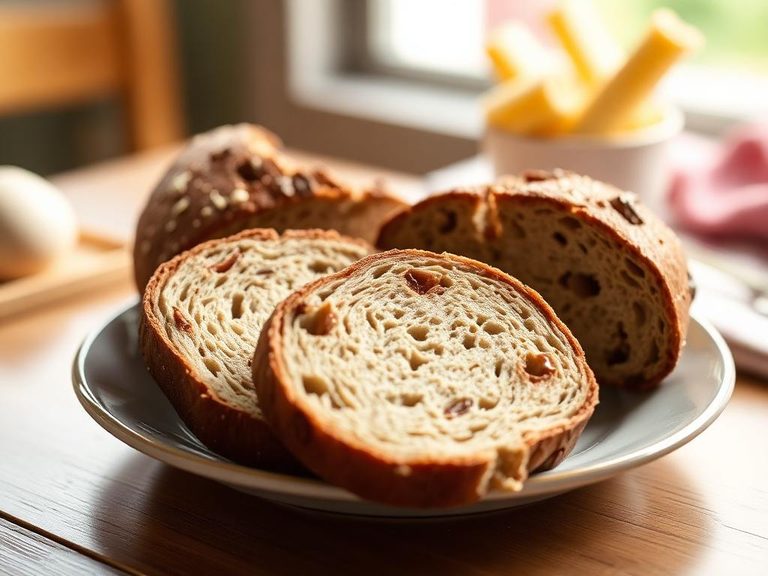
German 'Abendbrot' platter is a traditional cold supper, literally meaning 'evening bread,' featuring an assortment of sliced breads, cold cuts, cheeses, and fresh accompaniments. It typically includes hearty rye or whole-grain breads, various sausages like salami or bologna, cheeses such as Emmental or Gouda, and sides like pickles, radishes, and butter. This customizable, communal meal is a staple of everyday German dining, especially popular for its simplicity and ease of preparation.
🍽️ Nutrition at a glance
This platter is generally balanced, offering a good mix of complex carbohydrates from bread, protein from meats and cheese, and fats from dairy and spreads. It provides key nutrients like B vitamins, iron, and calcium, with a typical serving ranging from 400 to 600 calories depending on the specific items and portions chosen.
Nutrition breakdown
| Calories | 500 kcal |
| Protein | 25 g |
| Carbs | 40 g |
| Fat | 25 g |
| Fiber | 8 g |
| Sugar | 5 g |
| Sodium | 1200 mg |
| Vitamin B12 | 2.5 µg |
| Iron | 3.5 mg |
| Calcium | 300 mg |
| Potassium | 450 mg |
| Phosphorus | 350 mg |
| Zinc | 3 mg |
| Selenium | 15 µg |
| Niacin (B3) | 5 mg |
Per 1 typical platter (approx. 250 g) · estimated, varies by recipe
💡 What's interesting
Culturally, Abendbrot reflects the German emphasis on a lighter, practical evening meal after a larger lunch, often enjoyed with family. Nutritionally, its high-fiber rye bread and variety of proteins can promote satiety and steady energy, making it a wholesome, no-cook option.
🍽️ Related dishes






AI estimate may be inaccurate · Terms