

Bread, multigrain, with raisins
Common food

Photo: Wikipedia
A hearty, chewy loaf where nutty, earthy whole grains meet the sweet, concentrated burst of raisins. Each slice offers a satisfying texture, with the soft, yielding bread crumb punctuated by the sticky chew of the fruit. Nutritionally, it's a solid source of fiber (7.1g) and plant-based protein (12.35g) for sustained energy.
Calorie split: 18% protein · 69% carbs · 13% fat
↓ Full nutrition💚 Why it's loved
People love it for its satisfying balance of sweet and savory, where the raisins' natural sugars complement the hearty, nutty flavor of the grains. It's incredibly versatile, perfect for a quick breakfast toast with butter, a sturdy base for a sandwich, or simply enjoyed on its own.
⚠️ Watch-outs & how to enjoy it better
The natural sugar content (12.27g) can cause a faster blood sugar rise than plain whole-grain bread, which may be a concern for some. To mitigate this, pair a slice with protein and fat—like peanut butter, a slice of cheese, or a hard-boiled egg—to slow digestion and stabilize blood sugar. Also, check labels for added sugars and choose brands with minimal ingredients.
Key benefits
- High in dietary fiber for digestive health.
- Good source of plant-based protein.
- Provides complex carbohydrates for steady energy.
- Contains iron and B vitamins from whole grains.
- Offers natural sweetness from raisins without added sugar.
🍽️ Popular dishes
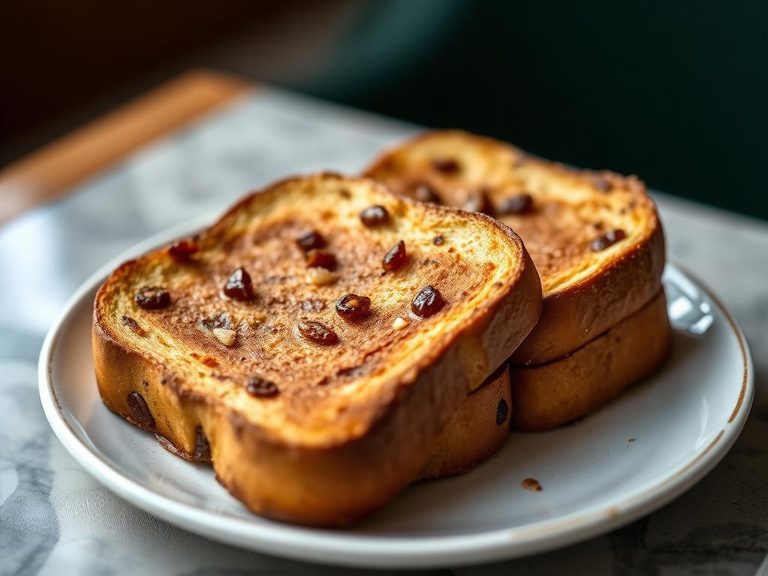
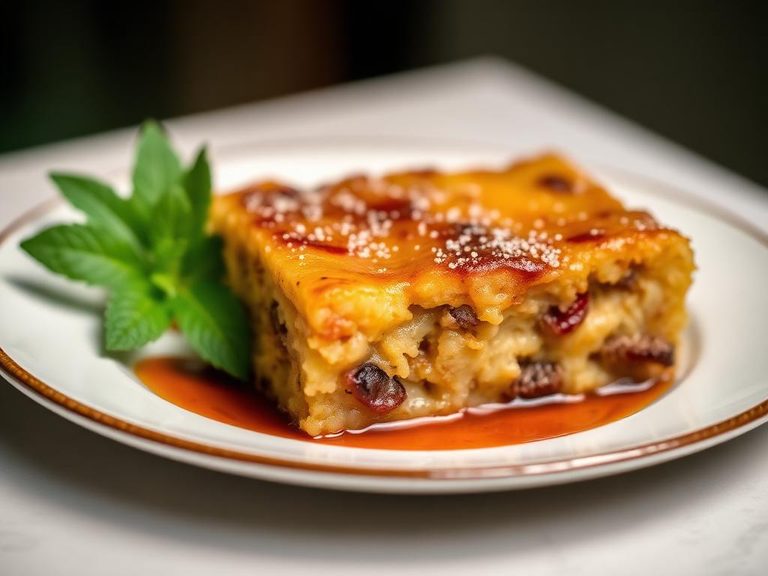
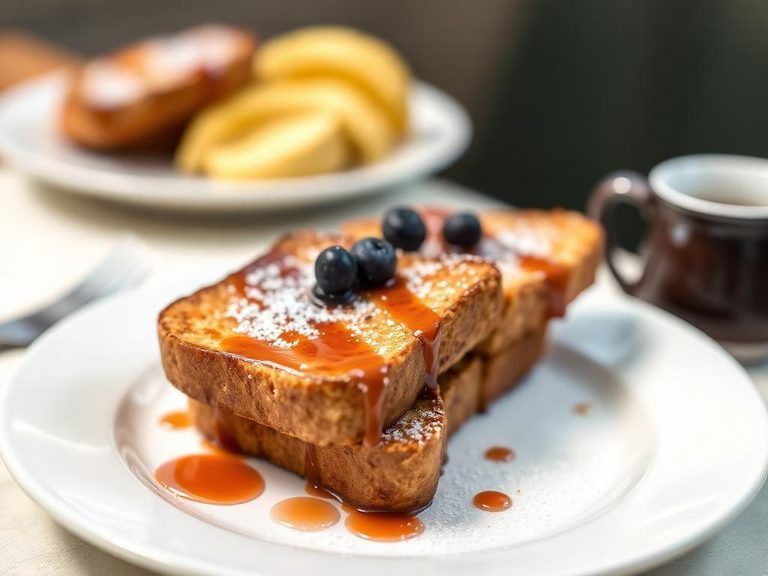
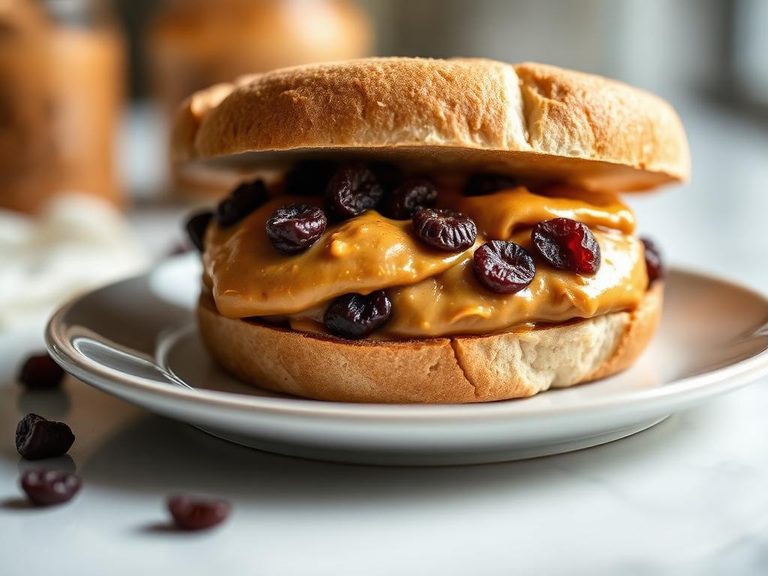
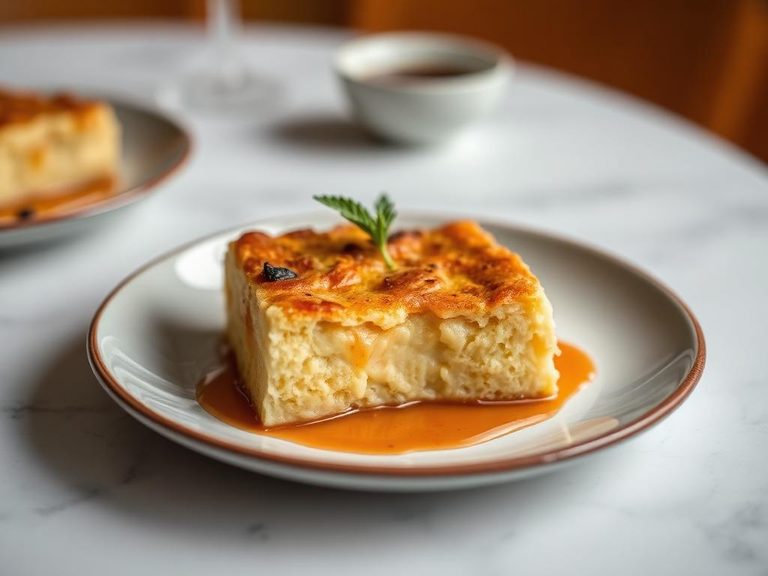
🌍 Where it's eaten
💡 Did you know?
The practice of adding raisins to bread dates back to ancient Rome, where it was considered a luxury item and a sign of wealth at the table.
Full nutrition (USDA data · scales with serving)
| Water | 34.8 g |
| Energy | 268 kcal |
| Protein | 12.3 g |
| Total lipid (fat) | 3.8 g |
| Carbohydrate, by difference | 46.9 g |
| Fiber, total dietary | 7.1 g |
| Total Sugars | 12.3 g |
| Calcium, Ca | 99.0 mg |
| Iron, Fe | 2.4 mg |
| Magnesium, Mg | 74.0 mg |
| Phosphorus, P | 215 mg |
| Potassium, K | 281 mg |
| Sodium, Na | 327 mg |
| Zinc, Zn | 1.6 mg |
| Copper, Cu | 0.28 mg |
| Selenium, Se | 29.7 ug |
| Vitamin C, total ascorbic acid | 0.30 mg |
| Thiamin | 0.26 mg |
| Riboflavin | 0.13 mg |
| Niacin | 3.7 mg |
| Vitamin B-6 | 0.25 mg |
| Folate, total | 68.0 ug |
| Folic acid | 0.00 ug |
| Folate, food | 68.0 ug |
| Folate, DFE | 68.0 ug |
| Choline, total | 20.9 mg |
| Vitamin B-12 | 0.00 ug |
| Vitamin B-12, added | 0.00 ug |
| Vitamin A, RAE | 0.00 ug |
| Retinol | 0.00 ug |
| Carotene, beta | 1.0 ug |
| Carotene, alpha | 0.00 ug |
| Cryptoxanthin, beta | 0.00 ug |
| Lycopene | 0.00 ug |
| Lutein + zeaxanthin | 85.0 ug |
| Vitamin E (alpha-tocopherol) | 0.34 mg |
| Vitamin E, added | 0.00 mg |
| Vitamin D (D2 + D3) | 0.00 ug |
| Vitamin K (phylloquinone) | 1.6 ug |
| Alcohol, ethyl | 0.00 g |
| Caffeine | 0.00 mg |
| Theobromine | 0.00 mg |
Fat & fatty acid profile (per 100g)
| Fatty acids, total saturated | 0.79 g |
| SFA 4:0 | 0.00 g |
| SFA 6:0 | 0.00 g |
| SFA 8:0 | 0.00 g |
| SFA 10:0 | 0.00 g |
| SFA 12:0 | 0.00 g |
| SFA 14:0 | 0.00 g |
| SFA 16:0 | 0.47 g |
| SFA 18:0 | 0.32 g |
| Fatty acids, total monounsaturated | 0.69 g |
| MUFA 16:1 | 0.01 g |
| MUFA 18:1 | 0.66 g |
| MUFA 20:1 | 0.01 g |
| MUFA 22:1 | 0.00 g |
| Fatty acids, total polyunsaturated | 1.7 g |
| PUFA 18:2 | 1.5 g |
| PUFA 18:3 | 0.19 g |
| PUFA 18:4 | 0.00 g |
| PUFA 20:4 | 0.00 g |
| PUFA 20:5 n-3 (EPA) | 0.00 g |
| PUFA 22:5 n-3 (DPA) | 0.00 g |
| PUFA 22:6 n-3 (DHA) | 0.00 g |
| Cholesterol | 0.00 mg |
Amino acid profile (per 100g)
Estimated from Bread, salvadoran sweet cheese (quesadilla salvadorena) — USDA does not publish this profile for Bread.
| Tryptophan | 0.07 g |
| Threonine | 0.21 g |
| Isoleucine | 0.30 g |
| Leucine | 0.65 g |
| Lysine | 0.50 g |
| Methionine | 0.28 g |
| Cystine | 0.06 g |
| Phenylalanine | 0.37 g |
| Tyrosine | 0.23 g |
| Valine | 0.43 g |
| Arginine | 0.25 g |
| Histidine | 0.15 g |
| Alanine | 0.36 g |
| Aspartic acid | 0.59 g |
| Glutamic acid | 1.3 g |
| Glycine | 0.20 g |
| Proline | 0.83 g |
| Serine | 0.45 g |
| Hydroxyproline | 0.00 g |
FAQ
Is multigrain bread with raisins healthier than white bread?
Yes, it generally offers more fiber, protein, and micronutrients due to the whole grains and raisins. However, check for added sugars, as some versions can be quite sweet.
Can I freeze this bread?
Absolutely. Slice it first, then freeze in a sealed bag for up to 3 months. Toast slices directly from frozen for a quick breakfast.
What is the best way to store it?
Keep it in a bread box or a sealed plastic bag at room temperature for 3-5 days. For longer storage, freeze it. Avoid refrigerating, as it can make the bread stale faster.
Nutrient density (calculated · NRF9.3)
Nutrient Rich Foods index: beneficial nutrients (protein, fiber, vitamins, minerals) minus saturated fat, added sugar & sodium, per 100 kcal.
NRF9.3 index — Fulgoni, Keast & Drewnowski, 2009. Computed from USDA nutrients.
Weight-loss friendliness (composite index)
Energy density 2.68 kcal/g · 18% calories from protein · 7.1 g fiber · 12.3 g sugar per 100 g.
Composite of energy density (Rolls et al., 1999), protein & fiber satiety, minus sugar. A calculated heuristic — ranks satiety-per-calorie, not a clinical measure.
Dietary load (calculated from USDA values)
Potential renal acid load. Positive = acid-forming, negative = alkaline-forming.
Sodium-to-potassium ratio: 1.16 (lower is better — aim for ≤ 1)
Sodium:potassium per WHO potassium guidance. Computed from USDA nutrients.