Bread and butter pudding
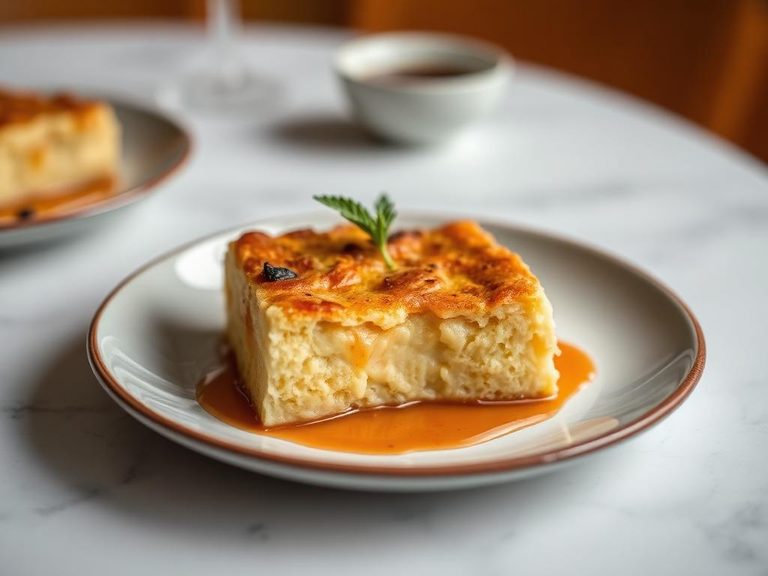
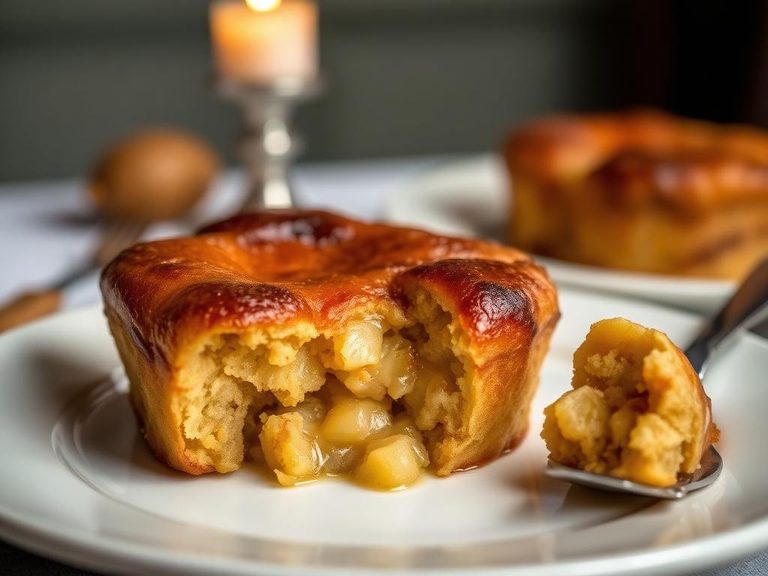
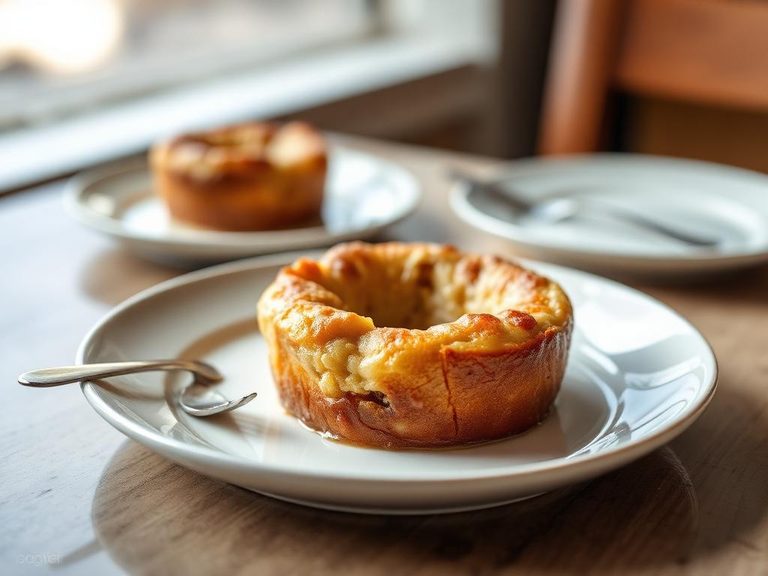
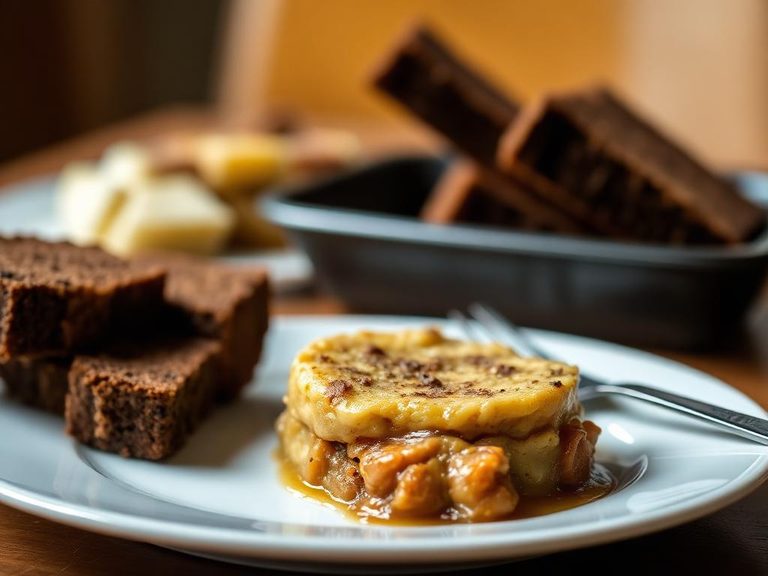
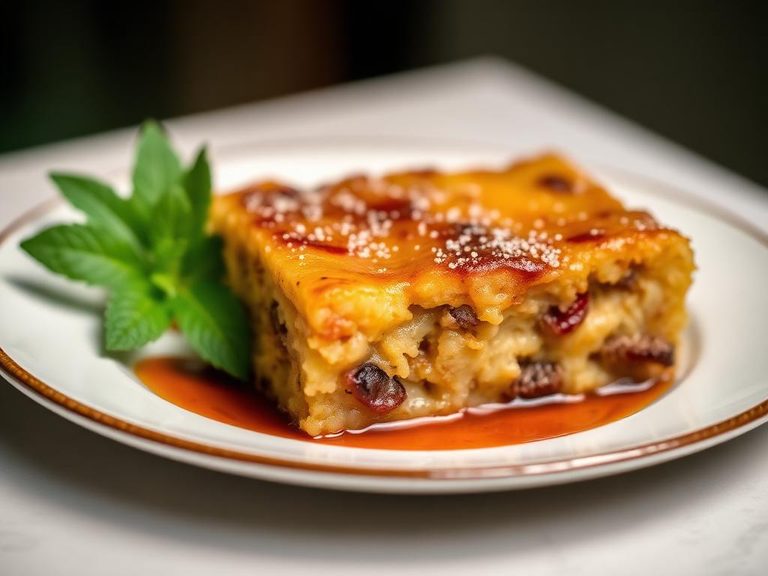
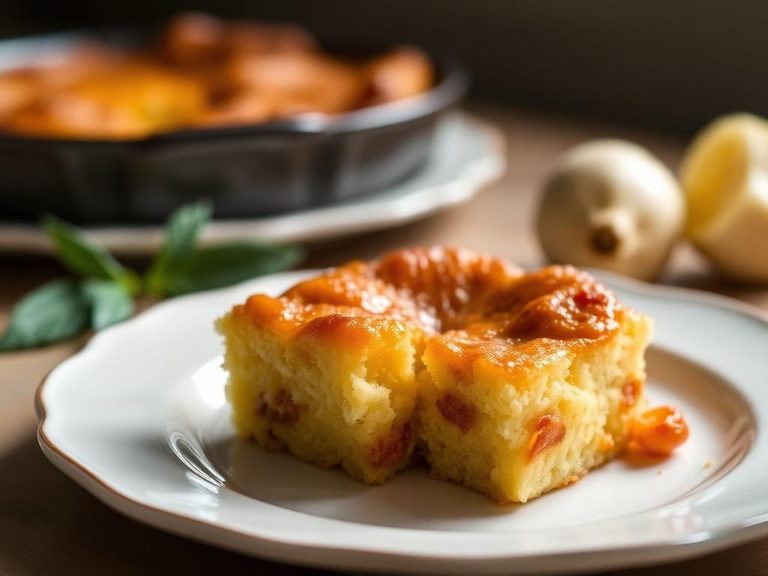
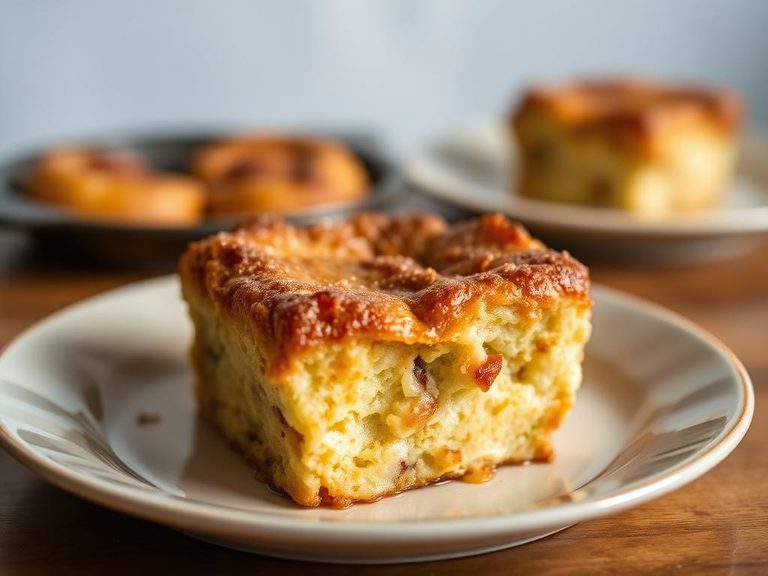
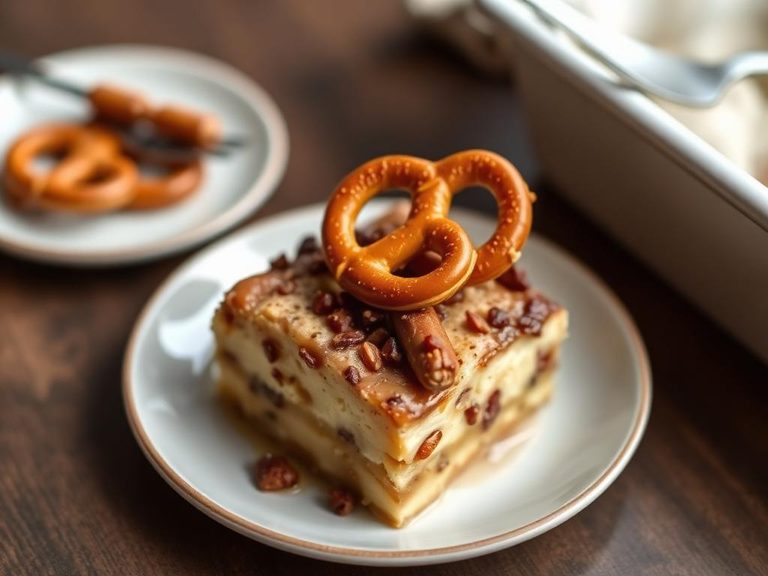
Bread and butter pudding is a classic British dessert made by layering slices of buttered bread (often with raisins or sultanas) in a dish, then baking them in a custard mixture of eggs, milk, cream, sugar, and spices like nutmeg or cinnamon. It originated as a thrifty way to use up stale bread, transforming humble ingredients into a warm, comforting treat.
🍽️ Nutrition at a glance
This dish is high in carbohydrates and fat due to the bread, butter, custard, and sugar, providing a good source of energy and some protein from the eggs and dairy. A typical serving contains roughly 300-500 calories, depending on portion size and recipe richness.
Nutrition breakdown
| Calories | 380 kcal |
| Protein | 8 g |
| Carbs | 52 g |
| Fat | 16 g |
| Fiber | 1.5 g |
| Sugar | 22 g |
| Sodium | 310 mg |
| Calcium | 180 mg |
| Iron | 2.1 mg |
| Potassium | 220 mg |
| Vitamin A | 150 µg RAE |
| Vitamin D | 1.2 µg |
| Vitamin B12 | 0.6 µg |
| Phosphorus | 160 mg |
| Selenium | 12 µg |
Per 1 serving (250 g) · estimated, varies by recipe
💡 What's interesting
Culturally, it's a beloved 'comfort food' in the UK and Ireland, often associated with home cooking and reducing food waste. Nutritionally, it's unique as a dessert that repurposes leftovers into a nutrient-dense dish offering calcium, vitamins from dairy, and quick energy from its carb-heavy base.